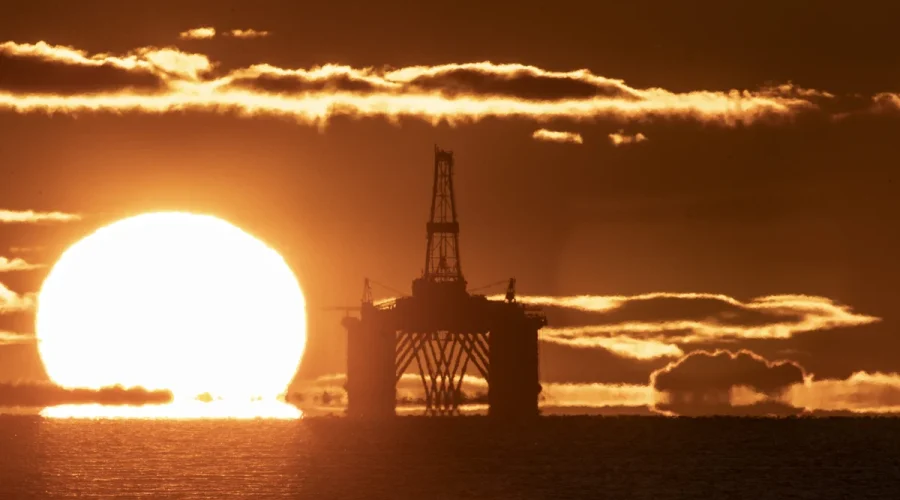
Rosebank Consultation Closes in Major Step
Traveloasisspot.com – The formal consultation window on the Rosebank oil field has now shut, marking a major step before the UK Government makes its final determination on whether two large-scale North Sea energy projects may proceed. With the process concluded this week, the decision rests entirely with Prime Minister Andy Burnham’s cabinet, which must weigh authorisation for what is considered the largest untapped crude reservoir beneath British waters.
The field lies approximately 80 miles west of the Shetland Islands, in waters long contested between energy planners and climate advocates. A second proposal, the Jackdaw gas development off Aberdeenshire, completed its own consultation roughly a week earlier. Both dossiers now sit with ministers awaiting a licence ruling.
Economic Case and Project Scale
Operator Adura positions the paired developments as a transformative investment for Britain’s economy. Combined capital expenditure is projected at £10.8 billion, with well over three-quarters expected to flow domestically. At peak construction, the two sites could employ around 3,500 workers; once production stabilises, roughly 880 permanent roles would persist across the fields’ operational lifetimes.
On output, Adura estimates the oil field alone would deliver approximately 69,000 barrels of crude per day at peak — a volume the company equates to roughly one-tenth of total anticipated UK Continental Shelf production. Factoring in Jackdaw’s gas volumes, the combined potential could represent around 10% of Britain’s domestic natural gas supply.
Adura chief executive Neil McCulloch described the consultation’s end as “a major step before a decision on a project that can deliver real economic benefits for the country.” He stressed that both developments qualify as “nationally significant projects” and argued they would “provide more domestically produced energy, support high-quality jobs and apprenticeships, generate substantial economic activity and tax revenues, and give the UK’s world-class energy supply chain confidence for the future.” McCulloch added that the company “looks forward to continuing to work constructively with the regulator as it completes its consideration of these two important projects.”
Climate Opposition and Political Pressure
Campaigners paint a far starker picture. Environmental groups assert that the oil field, over its full operational life, would release more than 250 million tonnes of carbon dioxide — a quantity they equate to roughly 70% of the UK’s annual national emissions. In a summer marked by record-breaking heat across Britain and continental Europe, alongside wildfires in both jurisdictions, that figure has become a central talking point for those urging ministers to decline the licences.
“While the oil and gas industry does everything in its power to push Burnham into Trump’s drill baby, drill agenda, the nation’s new Prime Minister has watched the UK and Europe burn baby, burn.” — Robert Palmer, deputy director at Uplift
Palmer, whose organisation campaigns for a transition away from fossil fuels, pressed the case for outright rejection:
“Enough is enough. Burnham needs to look out of the window and acknowledge that we will make the climate crisis worse and do nothing but rip off Britain. Rosebank must be rejected once and for all.”
Angharad Hopkinson of Greenpeace UK framed the decision against the backdrop of the ongoing drought and fire season:
“In the midst of a devastating drought with the country literally on fire, the Government should look to the obscene profits of oil and gas companies to pay for some of the changes we desperately need to keep families and workers safe.”
Legal Backdrop and What Comes Next
The path to this decision was not straightforward. Both developments received initial production approvals under the previous Conservative administration. Those approvals were subsequently overturned following a successful legal challenge brought by Greenpeace, which argued that the environmental impact assessments had been inadequate. The quashing of those decisions left the matter unresolved, placing the final determination squarely in the hands of the current Labour government.
For Burnham’s cabinet, the ruling will serve as an early and highly visible test of how the administration balances energy security, fiscal returns, and its stated climate commitments. A decision is expected in the coming weeks.
FAQ
When does the UK Government have to decide? There is no fixed statutory deadline. Ministers may rule at any time after the consultation closes, though industry and campaign groups have both pressed for a prompt determination.
What happens if licences are granted? Adura would proceed to detailed engineering, environmental permitting, and construction phases. Peak employment of roughly 3,500 workers would follow, tapering to around 880 permanent roles once production begins.
Can the decision be challenged in court again? As with the earlier Conservative-era approvals, any new licence could face judicial review if opponents argue the environmental assessment was insufficient. Greenpeace’s previous challenge succeeded on that basis.
Where is the field located? The oil field sits approximately 80 miles west of the Shetland Islands in the North Sea. The associated Jackdaw gas development is positioned off the Aberdeenshire coast.