Lucy Davis Steps Back Onto a Stage, Finds Strength in a Room Full of Fans
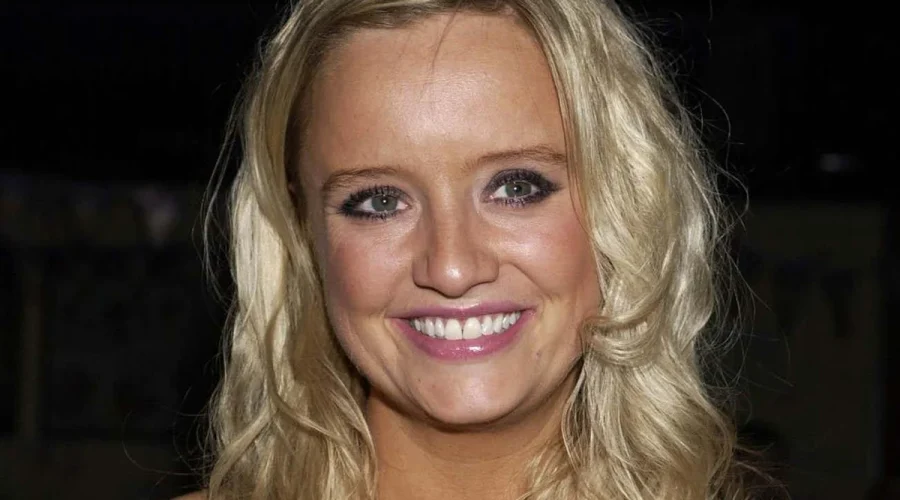
Traveloasisspot.com – Two days after revealing that her breast cancer had advanced beyond the reach of chemotherapy, Lucy Davis walked onto a panel at Excel London and discovered something she had not expected: an audience of hundreds who treated her not as a patient but as one of their own. The actress, 53, took the stage at the For The Love of Fantasy & Sci-Fi convention on Saturday to discuss the 2004 zombie-comedy Shaun of the Dead, the film in which she portrayed the character Dianne. It marked her first public outing since the August 11 announcement that she carries an incurable, stage-four diagnosis.
A Diagnosis That Changed the Calendar
Davis disclosed in late August that her cancer, first identified roughly eighteen months earlier, had metastasised into her bones — specifically her spine, right hip, and ribs. She stated plainly that the window for chemotherapy had closed. The revelation landed with particular force because Davis is perhaps most recognisable to British television audiences as Dawn Tinsley, the perpetually exasperated receptionist in Ricky Gervais’s BBC comedy The Office, a role that made her a household name across the UK. Her father, comedian Jasper Carrott, added another layer of public familiarity to a life already lived under the gaze of cameras.
What made the Saturday appearance notable was not merely that she showed up, but how she managed to do so. Davis required physical assistance to climb onto and descend from the stage during her roughly thirty-minute slot. No one in the room pressed her about her medical condition. Instead, the conversation stayed where she wanted it: on craft, on memory, on the absurdity of making a zombie movie.
“None of Us Do” — On Limitations and Permission
When prompted for advice aimed at aspiring filmmakers, Davis offered a statement that drew a sustained round of applause from the crowd:
“Don’t let anyone tell you you can’t do or be anything you want to do or be. We all grow up with a different life with a different world telling us we all have limitations. None of us do, our only limitations are things that we think are limiting. We can do anything, or be anybody, and don’t apologise for that.”
The line carried particular weight coming from someone who had, weeks earlier, been told by her own body that certain doors were closing permanently. Yet she framed the moment not as tragedy but as permission — a reminder to the audience that the boundaries they imagine around their own ambitions are largely self-imposed.
A “Second Family” in a Convention Hall
Before the panel began, Davis spent time signing autographs and posing for photographs with attendees. She described the convention community in terms that suggested the experience had touched her more deeply than she anticipated:
“It’s like this whole second family you never knew you had, everyone is like a community, friendly, supportive of not only us but you guys and each other. We need a bit more niceness in the world, so I’m grateful.”
Fans who approached her during the question-and-answer segment told her, “I love you so much,” and she responded with stories rather than speeches about illness. The exchange stayed firmly in the territory of shared fandom.
Behind the Scenes: Tarantino, Seven People in a Car, and a Pyjama Intervention
Asked to recall favourite moments from the Shaun of the Dead shoot, Davis’s answers drifted into the kind of chaotic, affectionate storytelling that defines the film’s own tone. She recounted being driven home in Los Angeles by Quentin Tarantino. She described the surreal experience of being recognised on the street after The Office first aired on British television. She spoke of the logistical nightmare of fitting seven cast members into a single vehicle for a recurring gag.
“Comradery. In terms of actually filming, I loved when we all pretended to be zombies and walked across the square; it was like being naughty school kids.”
She recalled the first week of shooting, when Nick Frost was behind the wheel and she had been perched on Dylan Moran’s lap for what felt like an eternity:
“Our first week of filming, we were all in the car, Nick was driving, and it was almost like the seven stages of grief in those few days, I’d been sat on Dylan’s lap for so long.”
Then came the moment she singled out as her favourite. Mid-chaos, the car fell silent. Bill Nighy, who played Shaun’s father in the film, broke the quiet with an unannounced directive:
“At one point it all got really quiet and suddenly out of nowhere Bill Nighy went ‘let’s all get into our pyjamas and out of our normal clothes’ and just stopped talking. We all loved it, but couldn’t express it!”
The Instagram Post That Started the Outpouring
The convention visit came forty-eight hours after Davis posted a message on Instagram acknowledging the scale of public response her diagnosis announcement had triggered. She wrote:
“Ok, so the last two days have been utterly overwhelming, in that I had zero idea my cancer post would have the attention it did. Truly, I am in shock. That said, thank you to everyone for the tremendous amount of kindness and support you have sent me. Good grief it was emotional.”
That post, and the convention that followed, together sketch a portrait of an actress navigating a diagnosis that has removed the usual medical roadmap, choosing instead to lean into the community that built her career. The audience at Excel London, hundreds strong, offered what no treatment plan could: the simple, uncomplicated act of showing up and saying, “We see you, and you are welcome here.”
Related Reading
Frequently Asked Questions
What is Lucy Davis grateful for public support?
Lucy Davis grateful for public support is the main topic of this guide. The article explains the context, practical details, and next steps readers should understand.
Why does Lucy Davis grateful for public support matter?
Lucy Davis grateful for public support matters because readers are looking for a useful answer, not just a short summary. Good content should match search intent and help them decide what to do next.