Szoboszlai Steps Up as Liverpool’s Penalty Puzzle Unfolds in Isak’s St James’ Park Return
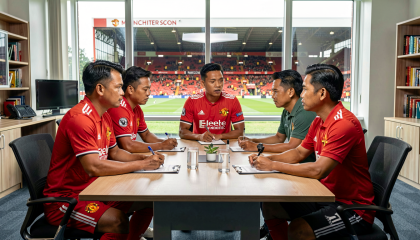
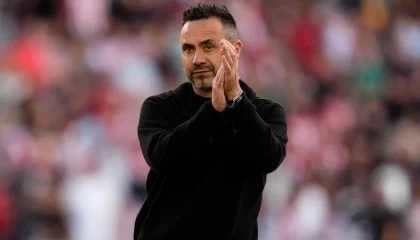
Traveloasisspot.com – The sight of Dominik Szoboszlai striding toward the spot in second-half stoppage time at St James’ Park raised an immediate question: where was Alexander Isak, the man whose £125million move to Liverpool had dominated transfer headlines all summer? Liverpool manager Andoni Iraola addressed the decision in his post-match press conference, explaining that the club’s penalty-taking responsibilities extend well beyond any single individual.
The match itself carried an electric undercurrent long before kickoff. Isak, once a celebrated figure among Newcastle supporters, made his first appearance back at the ground since forcing through a British record transfer to Liverpool on Deadline Day last summer. His departure had been acrimonious — the Sweden international reportedly refused to train or feature for the club until the switch was finalized, transforming a former hero into a figure of genuine animosity among the Toon faithful. That tension was audible throughout the afternoon, with sustained boos accompanying every touch Isak received.
A Penalty Decision with Multiple Candidates
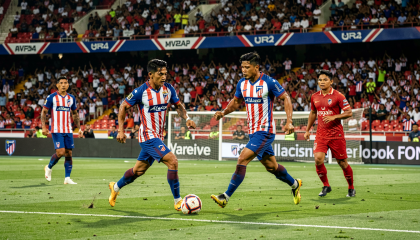
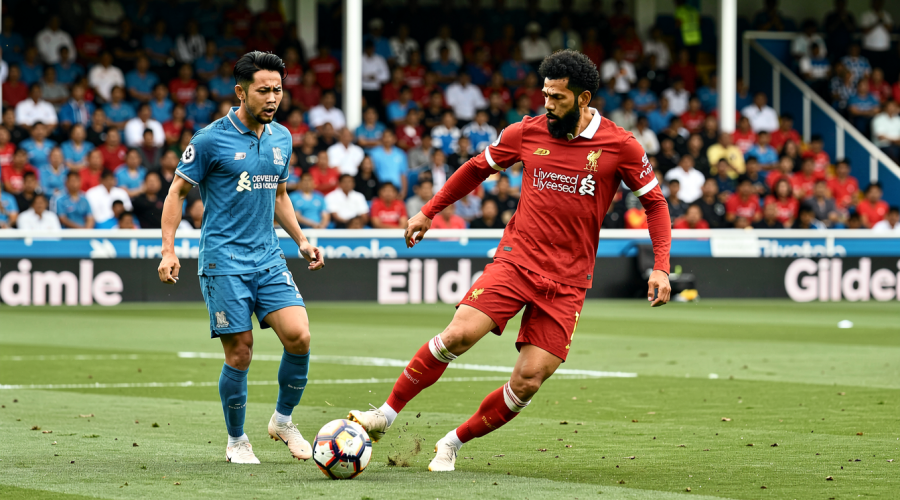
With Mohamed Salah no longer part of the Liverpool squad, the question of who would assume penalty duties had lingered throughout the season. When Lewis Hall was judged to have brought down Victor Munoz inside the Newcastle area, the ball was placed on the spot and cameras swiveled toward Isak, expecting the striker to step forward. Instead, Szoboszlai collected the ball and drove it into the roof of the net, salvaging a point for the Reds in their Premier League opener.
Iraola was pressed on the choice afterward. His response framed the decision not as a slight on Isak but as a reflection of squad depth.
“I think we have not only Dom and Alexander [Isak] – we have more very good specialists. Alexis [Mac Allister] also was on the pitch and he’s a very good penalty-taker, Cody [Gakpo] – we have a lot.”
The manager went on to praise the quality of the strike itself, noting that Szoboszlai had delivered what he described as an almost impossible penalty to save. He expressed satisfaction at recovering a point in the closing moments of a tense contest.
Isak’s Composure Under Fire
Beyond the penalty question, Iraola offered a measured assessment of Isak’s overall performance on what was arguably the most hostile reception the striker would ever face. The Liverpool boss indicated that the atmosphere was anticipated rather than shocking.
“I think he expected a little bit the atmosphere, I don’t think [it] has been a big surprise for him. I think he has tried everything, has given us good positions on the ball.”
Iraola acknowledged that Isak had created a couple of chances inside the box, though perhaps not the cleanest opportunities either player or manager would have preferred. What the manager valued, he stressed, was the striker’s continued willingness to press, fight, and remain involved throughout the ninety minutes — a quality he described as a positive first step for Isak in his new environment.
Context: The Transfer That Divided a City
The £125million fee that moved Isak from Newcastle to Liverpool set a British domestic transfer record and reshaped the power dynamics of the North-East derby. For Newcastle supporters, the striker’s decision to withhold his services until the deal was completed — effectively holding the club hostage until Deadline Day — converted years of loyalty into lasting resentment. His return to St James’ Park, therefore, was never going to be a neutral occasion. The sustained hostility he endured throughout the match was a predictable, if uncomfortable, consequence of that summer’s events.
For Liverpool, the episode underscored a practical reality: with Salah departed, the club now fields multiple players capable of stepping onto the spot. Mac Allister, Gakpo, Szoboszlai, and Isak all possess the technical profile to convert from twelve yards, and Iraola’s comments suggest he intends to rotate that responsibility rather than anchor it to a single name. The Szoboszlai selection on Sunday was, in the manager’s framing, a demonstration of collective capability rather than a demotion of any individual.
The Munoz Factor
Iraola also drew attention to Victor Munoz’s influence from the bench, noting that the substitute had created significant problems for the opposition. He referenced an earlier incident — a clearer penalty, in his view, involving Munoz again — that the referee did not award because the whistle had already sounded for a different infraction. The manager’s broader point was that players capable of altering games from the bench would prove vital across the season, and Munoz’s afternoon provided an early illustration of that principle.
The draw left both sides with a single point from their respective Premier League openers, but the narrative weight of the afternoon belonged to the human drama: a striker walking back into the stadium that once cheered him, absorbing the booing without flinching, and watching a teammate convert the one chance that might have silenced the crowd. That it was Szoboszlai, not Isak, who took the kick added a layer of tactical intrigue to an already charged evening — one that Iraola, for his part, treated as simply another expression of squad depth.
Related Reading
Frequently Asked Questions
What is Why Alexander Isak did not take?
Why Alexander Isak did not take is the main topic of this guide. The article explains the context, practical details, and next steps readers should understand.
Why does Why Alexander Isak did not take matter?
Why Alexander Isak did not take matters because readers are looking for a useful answer, not just a short summary. Good content should match search intent and help them decide what to do next.