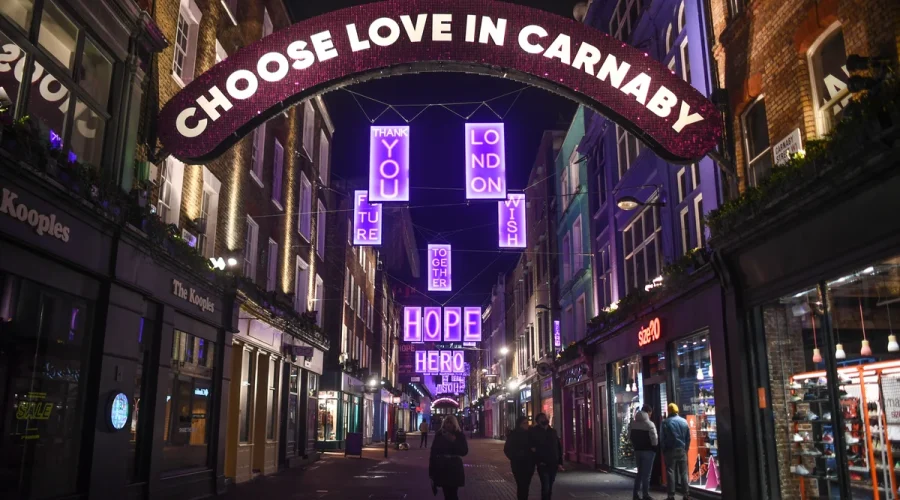
Just one London area makes the UK’s top independent shopping list
Traveloasisspot.com – Just one London area makes the national cut for independent retail, and that area is Soho. A new nationwide survey of Britain’s high streets and commercial quarters has placed the West End neighbourhood in the top five destinations where small, owner-operated shops thrive. The ranking, compiled from hundreds of thousands of consumer reviews, singled out Soho for its dense patchwork of artisan studios, boutique fashion labels, and one-of-a-kind concept stores that give the streets a character no chain corridor can imitate.
The analysis was produced by JDM Retail, a consultancy focused on high-street strategy and independent commerce. Its scoring model blends several variables: the ratio of independent traders to chain operators, breadth of product categories, tenure of long-established businesses, and overall perceived quality of the shopping experience. The resulting map of Britain’s most distinctive retail ecosystems spans Scotland, northern England, the Midlands, and London, confirming that independent vitality is not locked to any single economic tier.
The Top Five and What It Signals
Edinburgh’s Grassmarket took the number-one slot, celebrated for the sheer density of small-scale, personality-driven stores that keep the Old Town feeling anything but commercial. Shrewsbury in Shropshire followed at number two, while York’s medieval lane known as The Shambles — a narrow, cobbled thoroughfare flanked by centuries-old shopfronts — held third. Sheffield’s Devonshire Quarter, a Victorian-era district thick with independent traders, rounded out the top four. Soho completed the list at number five, the sole London entry.
The geographic spread matters. No single city monopolises the rankings; instead, the list distributes across regions and economic tiers, suggesting that independent retail energy is a function of local policy, architectural heritage, and community choice rather than raw footfall alone.
Jonathan De Mello, chief executive of JDM Retail, framed the findings in urban-economic terms: independent businesses perform at their strongest when permitted or encouraged to cluster. Such concentrations, the consultancy argues, create “distinctive destinations” that complement prime retail corridors rather than compete head-on with them. Historic architecture anchoring so-called “character quarters” can fortify a town’s independent economy while reinforcing local identity.
“It is independent retailing that adds colour and difference to a location, and the top high streets on this list are the very antithesis of the ‘clone towns’ we so often see up and down the UK.” — Jonathan De Mello, CEO, JDM Retail
De Mello’s remark lands in the middle of a long-running frustration among urban planners and small-business advocates: the homogenisation of British high streets, where a handful of national chains occupy prime units and strip neighbourhoods of individual character. By weighting quality and diversity alongside sheer numbers, the survey attempts to quantify what many shoppers already feel intuitively — that a street lined with unique, locally rooted traders offers an experience no chain can replicate.
Soho’s Retail Identity and a Licensing Storm
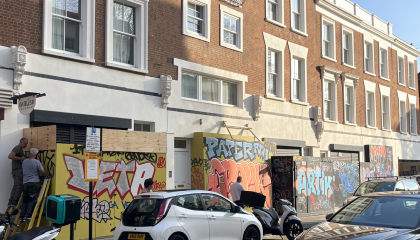
For Londoners and visitors, Soho’s retail character has always been inseparable from its broader cultural identity. The same tight grid of streets that houses its theatres, restaurants, and nightlife venues also shelters the independent boutiques, eccentric artisan studios, and niche concept shops that earned the area its top-five placement. The survey’s recognition underscores how intertwined commerce and culture remain in this particular pocket of Westminster.
The retail accolade, however, arrives at an awkward moment. Westminster City Council has tabled a draft licensing policy that would require more West End pubs to reduce or eliminate standing room for drinkers. Aimed at curbing late-night congestion and noise complaints, the proposal has been received with open hostility by pub owners, regulars, and hospitality workers across the area.
Lesley Lewis, who has owned Soho’s well-known French House pub for 37 years, warned the measure would trigger closures, redundancies, and a broader loss of trade. At 71, Lewis described the policy in blunt terms:
“It will really finish us off. We rely on those people standing up with the rents and the rates put upon us. People want to enjoy themselves in Soho, they want to have a drink outside, they want to dance, they don’t want to sit down and just be where they are, they want to meet people and chat.”
The tension between preserving Soho’s independent commercial character and managing its nightlife externalities remains unresolved. Whatever the council ultimately decides, the survey’s finding stands: just one London area makes the national top five, and its continued vitality depends on policy choices made in the coming months.
FAQ
Which London area ranked in the UK’s top independent shopping list? Soho, in the West End, placed fifth in the JDM Retail national ranking. It was the only London entry on the top-five list.
Who compiled the survey and what criteria did it use? JDM Retail, a retail property consultancy, layered multiple criteria into its scoring: the proportion of independent retailers versus chain operators, diversity of product categories, longevity of established businesses, and perceived quality of the shopping experience. Data drew on hundreds of thousands of consumer reviews.
What is Westminster City Council proposing for Soho pubs? A draft licensing policy would require more West End pubs to reduce or eliminate standing room for drinkers, aimed at curbing late-night congestion and noise. Pub owners, including long-standing operators like Lesley Lewis of the French House, have criticised the measure as likely to trigger closures and job losses.
Where else did the top five land? Edinburgh’s Grassmarket (1st), Shrewsbury in Shropshire (2nd), York’s The Shambles (3rd), and Sheffield’s Devonshire Quarter (4th) completed the list alongside Soho.