Justice Secretary Defends Early Release Reform as UK Prisons Face Capacity Crisis
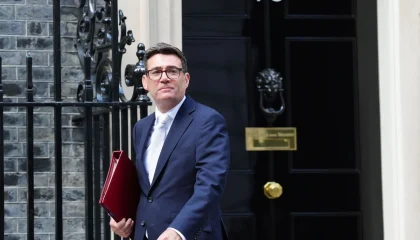
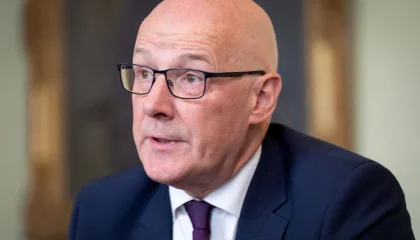
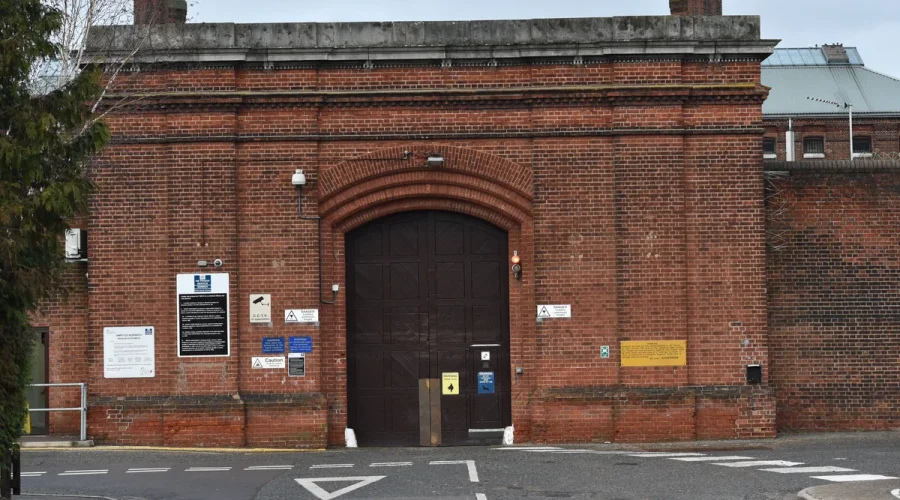
Traveloasisspot.com – Parliament’s autumn session opened with a blunt admission from the Justice Department: Britain’s male prison estate is so overstretched that releasing inmates before they have served the full length of their sentences is no longer optional but essential to keeping the system functional. Justice Secretary Alex Norris addressed the Commons on Monday, framing the government’s early-release measures as a necessary step to preserve what he called the public’s trust in the justice system after a summer in which the issue consumed front pages and parliamentary debate alike.
Who Is Excluded, and Why
The scheme is not universal. Norris confirmed that offenders convicted of a defined list of serious crimes will be barred from early release. Among those excluded are members of child grooming gangs found guilty of indecent assault. Manslaughter convictions also fall outside the scheme’s scope — a decision with particular resonance given the fate of Police Constable Andrew Harper, killed on duty in 2019. His killers, Albert Bowers and Jessie Cole, were convicted of his manslaughter in 2020 and, under the revised rules, will not qualify for early release.
The exclusion of manslaughter from the scheme drew direct criticism from Prime Minister Andy Burnham’s own party base earlier in the summer, when the original version of the plan would have made Bowers and Cole eligible from the following year. Norris acknowledged the families’ campaign, paying tribute to Harper’s wife Lissie and his mother Debbie Adlam, who had lobbied for the exclusion.
“This is the right thing to do, and I pay tribute to his wife Lissie and mother Debbie (Adlam), who campaigned for this. We would like to have gone further, but due to the lack of investment in the previous government’s 14 years, we are unable to do so.”
The Overcrowding Problem and the £110 Million Response
The scale of the capacity shortfall is considerable. Norris outlined a “fast track plan” backed by £110 million in dedicated funding, under which spaces previously used for laundries and other non-residential purposes will be converted into new cells. Hundreds of additional places are expected to come online through this programme. Separately, the government intends to begin deporting foreign-national prisoners from next year as an additional mechanism for freeing up beds.
Norris characterised the inherited situation in stark terms, telling MPs that Labour had taken office with a justice system “on the brink of failure.” He described the decisions taken by himself and the Prime Minister as “difficult ones,” made under pressure rather than by preference.
“This Government will run towards problems, including the tough decisions needed to build a justice system that is firm, fair, and protects the public. Those aims will guide me as I tackle its challenges, reform it for a sustainable future, and ensure it commands the confidence of the British public.”
Ending IPP Sentences: A Legislative Deadline
Beyond the immediate overcrowding measures, Norris signalled a more structural reform: the government plans to introduce legislation to abolish Imprisonment for Public Protection (IPP) sentences “once and for all – by the end of this Parliament.” IPP tariffs, introduced after the 2003 sentencing reforms, carry a minimum term but no fixed maximum. They were designed for offenders judged sufficiently dangerous that a standard determinate sentence would not adequately protect the public. In practice, they have created a growing cohort of prisoners with no set release date, compounding the capacity problem.
Norris stressed that “public safety” would remain his “top priority” throughout the transition and added that the work would begin immediately, even though getting the replacement framework right would take time.
Numbers on the Ground
Under the revised early-release timetable, approximately 5,000 prisoners were scheduled to be released from October as part of the overcrowding relief programme. That figure represents a reduction from an earlier estimate of 6,000, after ministers intervened to carve out exemptions for rapists and what the department described as “serious” child sex offenders. The intervention itself generated a summer of uncertainty for victims’ families, and Norris offered a direct apology to those affected.
“I would say to victims that I know that’s created uncertainty, and I do apologise to them. But I hope that they would understand that it was done with noble purpose, and now we must use the time available to make sure victims are getting the right support, particularly around shaping restrictions on their offenders if they do come out.”
Opposition Pushback
Shadow justice secretary Nick Timothy seized on the IPP abolition plan to attack what he described as the government’s fifth early-release policy in just six weeks since Burnham took office. Timothy argued that ministers had repeatedly told the public they had no choice but to include dangerous criminals in the scheme, warning of systemic collapse if they did not.
“Now the plan is to stop one group of dangerous criminals leaving prison early by letting a different group of dangerous criminals out instead. The Justice Secretary and Prime Minister have justified the plan to release IPP prisoners as a matter of principle, but it’s no such thing. It’s a fag packet policy written to get them out of this crisis.”
Norris responded that following the opposition’s preferred approach would leave the country with “a prison system that was bust,” implying that the alternative to managed early release was not a safer system but a collapsed one.
Broader Context
The episode underscores a structural tension in British penal policy: the simultaneous goals of keeping dangerous offenders contained, maintaining prison conditions that do not themselves constitute a form of punishment beyond the sentence, and keeping the system financially and operationally viable. With the male estate running at or above design capacity for years, every additional day an inmate spends beyond the tariff point consumes a bed that could house someone newly sentenced. The government’s layered response — early release for lower-risk categories, conversion of non-residential space, deportation of foreign nationals, and eventual abolition of indeterminate IPP tariffs — attempts to address all of these pressures at once, though critics argue the sequencing and frequency of policy shifts undermine both public confidence and victim trust. The coming parliamentary session will test whether the legislative timetable for ending IPP sentences holds, or whether further delays push the reform beyond the current Parliament’s lifespan.
Related Reading
Frequently Asked Questions
What is Early prison release needed to keep?
Early prison release needed to keep is the main topic of this guide. The article explains the context, practical details, and next steps readers should understand.
Why does Early prison release needed to keep matter?
Early prison release needed to keep matters because readers are looking for a useful answer, not just a short summary. Good content should match search intent and help them decide what to do next.