Traveloasisspot.com – A judge has ruled that a police statement given by a man accused of causing the deaths of three people in a motorbike crash can be used in evidence.
Nathon Gibbon, 33, is due to stand trial next year accused of causing the deaths of Jason Gibbon, Andrew Larty and Georgia Tate by driving a motorcycle dangerously in the Scottish Borders .
It is alleged that he engaged in a “race or trial of speed” with the motorcycle driven by Jason Gibbon, exceeded the speed limit and continued to drive at “excessive speeds” as he approached a bend.
Prosecutors allege that Nathon Gibbon applied the brakes while Jason was in “close proximity” behind him, as a result of which Jason negotiated the bend at “excessive speeds” and entered the opposite carriageway where he collided with another motorcycle.
Hampstead Heath pond changes 'turning it into exclusive health spa for the affluent'
Alan Carr submits plans to convert castle potting shed into cafe and shop
Sadiq Khan’s emails to be searched in Palantir legal battle over Met AI deal
Former lecturer admits causing death of couple in crash while drink-driving
Andrew Larty, who was driving the other motorbike, his pillion passenger, Georgia Tate, and Jason Gibbon were so severely injured that they died at the scene of the crash which happened on the A6088 near Charles Hill on July 28 2024.
Gibbon, of Ashington , Northumberland , denies the charge and is due to stand trial in August next year.
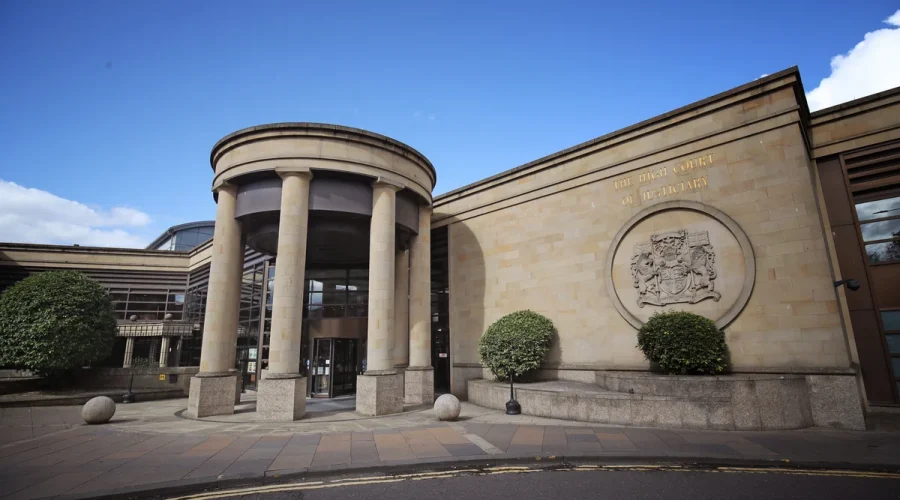
At a hearing at the High Court in Glasgow on Friday, Lord Macfadyen issued his decision following a hearing last month where lawyers representing Gibbon had called for his police statement not to be available as evidence.
On Friday, the court heard that Gibbon, referred to as the “minuter”, gave the statement to a police constable at a police station in the aftermath of the crash.
Lord Macfadyen said he was satisfied there was “no unfairness to the accused in the taking of the statement”.
He said: “The police were investigating this tragic road traffic accident.
“The statement was made or started at a stage in that investigation before police suspicion had been placed on anybody.
“The minuter was not a suspect, there was no bullying or pressure.”
He said it was clear that the police officer was treating Gibbon as a “witness not a suspect”.
Lord Macfadyen ruled that the statement could be admissible in evidence.
Lily Prais KC, representing Gibbon, told the court that she would appeal against the judge’s decision.
Gibbon was excused from attending the hearing on Friday.
Transfer news LIVE: Arsenal medical; €100m Chelsea target; Richarlison Turkey deadline; Man Utd, Liverpool latest
Transfer news LIVE: Arsenal medical; Richarlison faces Turkey deadline
Russell Howard 'devastated' over son Felix's death hours after wife gave birth
Russell Howard 'devastated' over baby son Felix's death
Tottenham XI vs Nottingham Forest: Confirmed team news, predicted lineup and injury latest for Premier League
Tottenham XI vs Nottm Forest: Confirmed team news and predicted lineup
Gary Neville makes Arsenal vs Chelsea prediction as champions set for tough derby test
Gary Neville makes Arsenal vs Chelsea prediction
Arsenal XI vs Chelsea: Confirmed team news, predicted lineup and injury latest for Premier League
Arsenal XI vs Chelsea: Confirmed team news and predicted lineup
Related Reading
Frequently Asked Questions
What is Judge rules on police statement of man?
Judge rules on police statement of man is the main topic of this guide. The article explains the context, practical details, and next steps readers should understand.
Why does Judge rules on police statement of man matter?
Judge rules on police statement of man matters because readers are looking for a useful answer, not just a short summary. Good content should match search intent and help them decide what to do next.