Simon Roberts: Inflationary Pressures Persist Amid Middle East Tensions
More inflationary pressure to come through – Sainsbury’s chief executive Simon Roberts has warned that inflationary pressures remain a key challenge for the retail sector, driven by ongoing disruptions in global supply chains. While the supermarket chain reported encouraging trading activity in recent months, Roberts emphasized that the full effects of the Middle East conflict on consumer behavior are yet to materialize, leaving room for further economic uncertainty.
Supply Chain Challenges and Inflation Outlook
Roberts highlighted that inflation is gradually working its way through the system but cautioned that its trajectory is still less severe than previously anticipated. He noted that industry trade organizations have revised their inflation forecasts downward, yet the situation remains “uncertain” due to the evolving geopolitical landscape. “We’ve previously indicated that it would take until summer to fully see inflation’s impact,” he explained. “It’s not as pronounced as some had feared, but it is still making itself felt.”
“Customers are increasingly prioritizing value, which has driven a strong shift toward Sainsbury’s for their regular shopping. We’re committed to offering exceptional quality at competitive prices, which is helping us maintain market share despite broader economic challenges,” Roberts said.
The Office for National Statistics (ONS) reported that food and non-alcoholic drink inflation hit 2.2% in May, marking the lowest level since 2024. This data aligns with Sainsbury’s assertion that its grocery inflation has moderated compared to earlier periods. However, the retail giant acknowledged that external factors, such as the Middle East conflict, could still exert upward pressure on prices in the coming months.
Performance Highlights and Sector Shifts
Sainsbury’s stated that its core grocery business has seen consistent growth, with total sales for the Sainsbury’s brand rising by 3.1% to £8.04 billion in the 16-week period ending June 20. Grocery sales specifically grew by 3.6% year-on-year, reflecting robust demand in this segment. In contrast, general merchandise and clothing sales experienced declines, with the Tu brand witnessing a 2.1% drop and Argos reporting a 0.5% fall. These results were attributed to a combination of factors, including soft consumer spending and tougher comparisons against previous years.
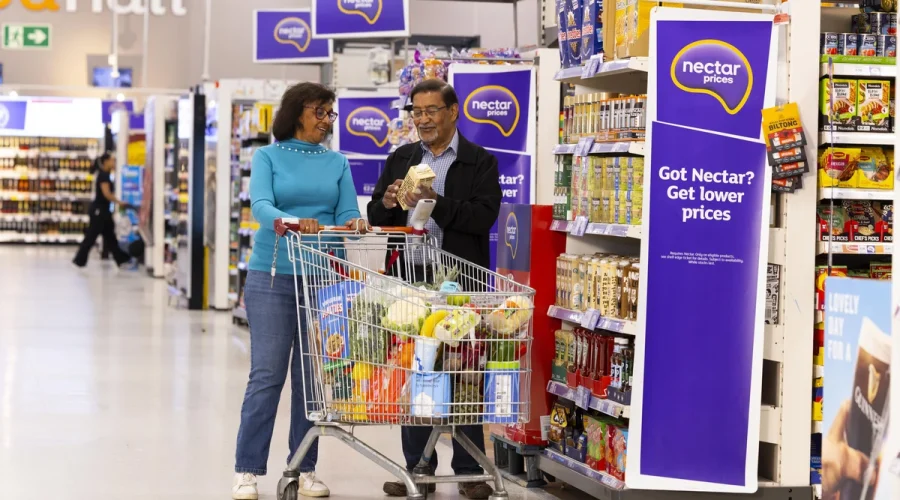
Despite the challenges in non-grocery sectors, Sainsbury’s pointed to strategic investments in value propositions as a key driver of its growth. The retailer has leveraged initiatives like the Aldi price match and Nectar discounts to attract price-sensitive shoppers, which has contributed to a steady increase in sales volume. Roberts acknowledged that these efforts have helped offset some of the declines in general merchandise, though the sector remains under pressure.
Regional and Global Context
The UK’s second-largest supermarket chain also noted that the conflict in the Middle East has introduced new variables into the supply chain, affecting both local and international trade. While the immediate impact on sales has been relatively muted, Roberts warned that the situation could evolve, potentially influencing inflation rates further. “The war in Iran has created a ripple effect that’s still being felt, but we’re cautiously optimistic about the long-term resilience of our operations,” he added.
Sainsbury’s shares saw an early rise of 1.9% in trading, reflecting investor confidence in the company’s ability to navigate current challenges. The retailer’s performance in the grocery sector, combined with its value-driven strategies, has positioned it as a market leader. However, the broader retail environment remains volatile, with competing retailers adjusting their pricing and promotional tactics to capture consumer attention.
Broader Economic and Industry Trends
As the UK economy continues to adapt to inflationary trends, Sainsbury’s is closely monitoring consumer sentiment and supply chain dynamics. The company’s report underscores the complexity of balancing price increases with demand stability. While the ONS data suggests a cooling of inflation in food prices, the broader economic context remains tight, with energy costs and global trade tensions still playing a role.
Other industry developments include Petrofac’s £569,000 payment to HMRC for breaching Russia sanctions rules, highlighting the regulatory scrutiny faced by businesses operating internationally. Meanwhile, cultural events are set to return with renewed vigor, as Art After Dark announces an exciting lineup of activities for the coming months. These diverse updates reflect the multifaceted challenges and opportunities facing the UK’s business landscape.
Turning to sports, the World Cup has provided a boost to retail sales, with Roberts noting that the event has contributed to an “encouraging start to the year.” He credited the team’s “continued volume growth and market outperformance” to the combination of seasonal demand and consumer focus on affordability. “With summer sports events on the horizon, we’re confident that this momentum will sustain into the coming months,” Roberts added.
Impact of Middle East Conflict on Consumer Behavior
While Sainsbury’s has maintained a positive outlook, the conflict in the Middle East continues to cast a shadow over the retail sector. Roberts admitted that the uncertainty surrounding energy prices and supply chain disruptions has led to cautious spending habits among shoppers. “The war’s effects are not yet fully realized, but we’re prepared to adapt as conditions change,” he said.
The company’s broader strategy involves balancing value propositions with quality, ensuring that customers are not only satisfied with prices but also with the products they receive. This approach has helped Sainsbury’s retain its position in the market, even as competitors adjust their tactics. However, the decline in general merchandise sales highlights the need for continued innovation in non-grocery offerings.
Looking ahead, Roberts expressed gratitude to Sainsbury’s and Argos staff, suppliers, and farmers for their contributions to the company’s success. “Their dedication has been instrumental in meeting customer expectations, even in uncertain times,” he noted. As the summer progresses, the retailer is positioned to build on its current momentum, leveraging the World Cup and other events to drive further growth.
Additional Industry Updates
Meanwhile, other notable developments include Martin Lewis’s critique of water companies’ use of complex language, which he argues prevents millions of customers from understanding their bills. This issue has sparked a broader conversation about transparency in utility pricing. Additionally, Luka Vuskovic has made a transfer decision, with Brighton’s interest in the Tottenham player adding to the ongoing excitement in the football transfer market.
On the business front, top housebuilders are facing a £4.5 billion lawsuit over allegations of overcharging buyers. This legal challenge underscores the growing scrutiny of construction costs in the UK. As these stories unfold, Sainsbury’s remains focused on its core objectives, ensuring that its value proposition continues to resonate with shoppers amid a dynamic economic environment.