

Andy Carroll’s trial set for January 2025 after alleged breach of non-molestation order Ex-England international and former Liverpool striker Andy Carroll is set to stand trial in January 2025, accused of violating a court injunction that prohibits contact with his ex-wife, TOWIE star Billi Mucklow. Legal proceedings delayed due to Carroll’s absence The 36-year-old, now playing for National League South side Dagenham and Redbridge, faces charges of ‘repeatedly calling’ Ms Mucklow ‘without reasonable excuse’ on March 11, 2025. His initial appearance at Chelmsford Crown Court was postponed after he and his legal team failed to attend. “I’m going to fix trial for two days on January 18 next year,” said Judge Chris Morgan, who adjourned the case following Carroll’s non-attendance. Ms Mucklow, who starred on The Only Way is Essex from 2011 to 2013 and returned in 2018, had sought the court order after their two-year marriage ended in July 2024. Divorce proceedings were initiated in September of that year. Carroll, who recently underwent surgery for a fractured limb and ligament damage, last appeared at Chelmsford Magistrates’ Court on crutches on February 4. At that time, he indicated his intent to deny the breach allegations. Background on the case The non-molestation order, issued by Chelmsford Justice Centre on October 10, 2024, was designed to prevent harassment. Carroll was arrested at Stansted Airport on April 27, 2024, after allegedly breaching the order. A police source revealed he was detained shortly after landing from France. “An issue was flagged up to the Border Force officers at passport control, which led to police being called. He was questioned then taken away,” said a source describing the incident. Essex Police confirmed the charge: “A man has been charged with breaching a non-molestation order. Andrew Carroll was arrested on 27 April and the alleged offences relate to an incident in March this year.” Carroll’s career and personal life Carroll, who earned nine England caps between 2010 and 2012, moved to Liverpool for a then Anfield record £35 million in 2011. He also played for West Ham, Reading, and West Brom before joining French clubs Amiens and Bordeaux. Following his return to England in July 2024, he signed with Dagenham and Redbridge. Currently, he is dating make-up artist Lou Teasdale, 42, whom he reportedly met at Glastonbury Festival in June. The potential penalty for breaching a non-molestation order includes fines or up to five years in prison for severe violations. Carroll and Ms Mucklow have three children together: sons Arlo and Wolf, and daughter Marve.
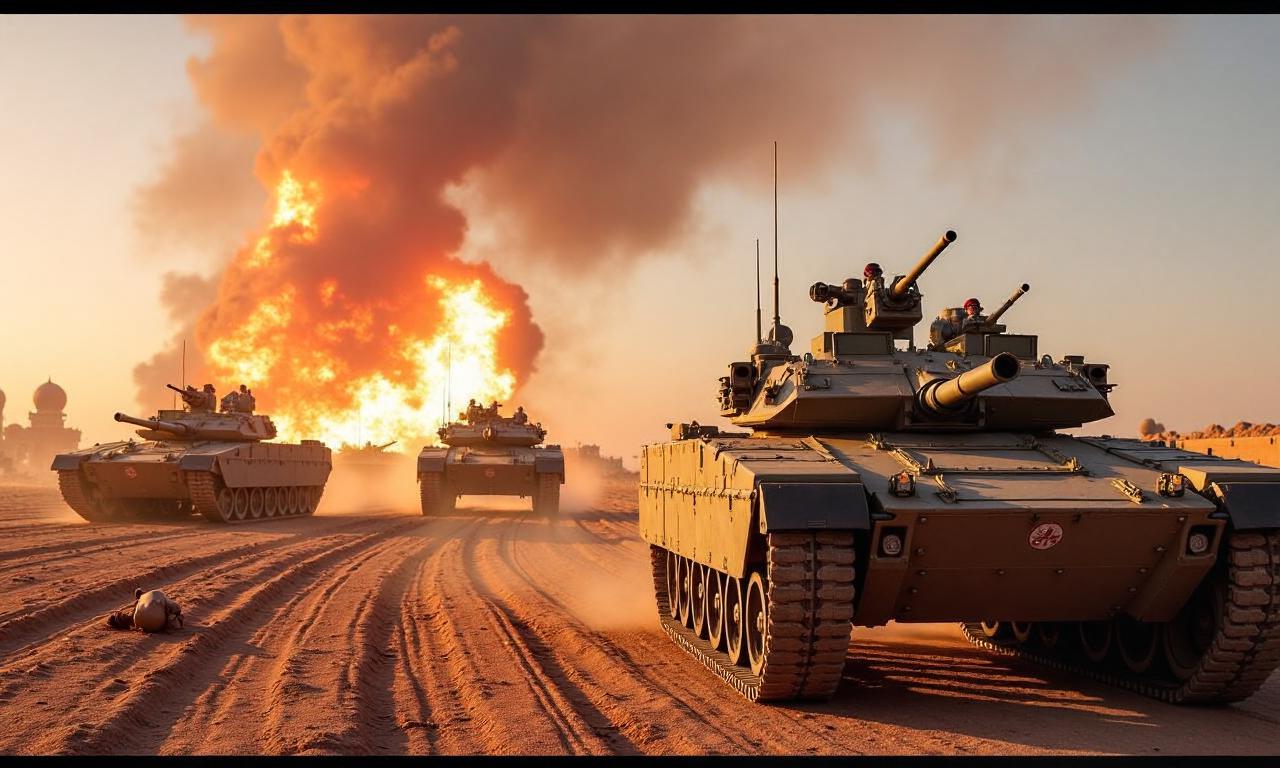
Iran war: What has been hit so far – and the military assets in play
Iran War: What Has Been Hit So Far – and the Military Assets in Play The US and Israel have intensified their aerial assaults on Iran, marking the fourth consecutive day of hostilities since the operation that eliminated its supreme leader began. With hostilities showing no signs of abating, Sky News has compiled a detailed analysis of the ongoing conflict, tracking both the attacks launched by the US and Israel and the strategic military assets involved. Explore Strike Locations via Satellite Imagery Operation Epic Fury commenced on Saturday, resulting in the death of Ayatollah Ali Khamenei at his Tehran residence. Satellite images reveal the locations of strikes, offering a visual breakdown of the campaign’s scope. Israel escalated the campaign by conducting over 100 air strikes, eliminating numerous high-ranking Iranian military personnel within three days. “Preliminary analysis shows that the United States and Israel used a variety of precision-guided munitions to strike Iran,” said Nic Jenzen Jones, director at Armament Research Services (ARES). “These included air-delivered weapons such as the AGM-154 Joint Standoff Weapon (JSOW), Blue Sparrow-series air-launched ballistic missiles, and bombs ranging from 500 to 2,000 pounds.” “In addition, surface-to-surface missiles were also fired, such as Tomahawk-class sea-launched variants and the PrSm land-based system,” added Jones. Iran has retaliated by launching drones and missiles at Israel, the UAE, Bahrain, Jordan, Oman, and Qatar. The UK’s RAF base in Cyprus was targeted, underscoring Iran’s ability to strike from afar. The Sajjil missile, Iran’s longest-range weapon, can reach up to 2,000km, according to the International Institute for Strategic Studies. This range allows it to target Moscow or Athens but falls short of enabling strikes on the UK. The conflict has underscored the strategic role of the US-UK joint base in Cyprus, which Sir Keir Starmer initially hesitated to authorize for US operations against Tehran. Satellite images captured on Sunday morning revealed 14 aircraft stationed near the runway, including six F-16s and two P-8 Poseidons. The remaining were transport planes like the C-5 Galaxy and KC-135 Stratotankers, as noted by Jane’s Defence Weekly analysts. Recent flight data highlights the movement of 47 US military aircraft, with 15 passing through British bases such as Diego Garcia in the Indian Ocean. This location, previously a focal point of political debate over the Chagos Islands’ handover to Mauritius, has seen increased activity. US airbases in Germany have experienced a notable reduction in aircraft, with 246 departing from Spangdahlem and Ramstein since February 23, representing a 52% decrease. Similarly, Al Udeid Air Base in Qatar has seen more departures than arrivals, positioning it as a potential Iranian counterattack target. Meanwhile, aircraft are gathering at Kuwait, Israeli, and Jordanian bases, indicating shifting strategic priorities. Satellite imagery reveals damage at two Iranian naval installations, including fires at Bandar Abbas, the Navy’s central command post, and the burning of the Makran, a major vessel in the Strait of Hormuz. Sky News has monitored the Makran among six Iranian ships tracked via TankerTrackers data, stationed near Qeshm Island in the Strait of Hormuz.

Suspect identified in Texas bar shooting that left 2 dead, 14 injured
Suspect identified in Texas bar shooting that left 2 dead, 14 injured Officers fatally shot Ndiaga Diagne, a 53-year-old Senegalese national and U.S. citizen, shortly after a chaotic shooting at an Austin bar. The incident occurred early Sunday, leaving two fatalities and 14 others wounded. Diagne, who resided in Pflugerville, Texas, was known to have a history of mental health issues, according to law enforcement sources. Shooting Details and Suspect Appearance Diagne was observed wearing a sweatshirt emblazoned with “Property of Allah” and an Iranian-themed shirt during the attack. The violence surprised revelers outside Buford’s, a well-known beer garden in downtown Austin, as gunfire erupted unexpectedly. A bystander’s video captured the chaos, showing patrons screaming and ducking for cover. Another recording displayed injured individuals lying beneath the bar’s lights, with drinks scattered around them. “There were indicators that on the subject and in his vehicle that indicate potential nexus to terrorism,” stated Alex Doran, an FBI special agent from the San Antonio field office. “Again, it’s still too early to make a determination on that.” Authorities are investigating whether the attack was linked to terrorism. Diagne, described as a lone actor with no known state affiliations, is currently under scrutiny for motives. The shooting spree began with Diagne circling the bar in an SUV before pulling into a parking spot. He then fired from his vehicle, targeting those on the patio and near the entrance. Immigration and Legal Background Diagne arrived in the U.S. on a B-2 tourist visa in 2000 and later became a lawful permanent resident through marriage. He naturalized as a citizen in 2013. A law enforcement official noted he had been arrested in 2022 for a vehicle collision, though the incident did not involve fatalities. President Donald Trump was informed about the shooting on Sunday. Texas Governor Greg Abbott praised the swift actions of first responders, stating, “This act of violence will not define us, nor will it shake the resolve of Texans.” Abbott also highlighted increased security measures, including patrols at key facilities and enhanced cybersecurity protocols. Emergency Response and Casualty Impact Paramedics were already stationed nearby, arriving within minutes to assist the wounded. Three of the 14 injured were hospitalized in critical condition. Austin Police Chief Lisa Davis detailed the suspect’s movements, noting he switched to a rifle after parking his car and continued firing as he walked along West Sixth Street. Following the attack, state lawmakers expressed solidarity. Senator John Cornyn, R-Texas, commended the rapid response of police and emergency services, writing on X, “Pray for the families of the dead and injured.” Rep. Wesley Hunt and Democratic Rep. James Talarico also shared condolences, though both are vying for Cornyn’s congressional seat in the upcoming election. Context of the Attack Buford’s, located just two miles from the University of Texas campus and less than a mile from the Texas Capitol, remains a central location in the investigation. While no definitive link to terrorism has been established, officials emphasized the need for further analysis. Diagne’s actions have sparked discussions about potential connections to regional conflicts, with Abbott referencing joint U.S.-Israeli operations targeting Iran.
How to [Specific Action] While Traveling the Right Way
Traveling often disrupts routines, yet many people still want to maintain productivity, health, or personal goals on the road. Understanding how to [specific action] while traveling requires planning, adaptability, and discipline. The key is to integrate the activity into your travel structure instead of treating it as an afterthought. When done correctly, travel enhances the experience rather than interfering with your objective. Below is a structured guide explaining how to [specific action] while traveling in a practical and sustainable way. Define the Purpose Before You Depart Clarity eliminates friction. Before leaving, define exactly what “[specific action]” means in measurable terms. Whether it involves maintaining fitness, studying, managing business tasks, or pursuing a creative routine, you need clear standards. Break the action into core components. Identify what is essential versus optional. This prevents overwhelm and allows you to maintain consistency even in unfamiliar environments. Create a simple execution plan. Outline when, where, and how the activity will take place during your trip. This framework turns intention into structured behavior. Pack and Prepare Strategically Preparation determines consistency. If you want to master how to [specific action] while traveling, you must bring the right tools. Traveling light does not mean traveling unprepared. Identify compact or digital alternatives. For example, mobile apps, portable equipment, or cloud-based tools can replace bulky resources. Efficiency increases adherence. Research your destination in advance. Check for available facilities, internet stability, quiet spaces, or local services that support your goal. Anticipation reduces unexpected obstacles. Preparation also includes time management. Review your itinerary and block out realistic time slots. Avoid assuming free time will “just appear.” Adapt to the Travel Environment Rigid routines collapse under travel conditions. Flexibility is essential when learning how to [specific action] while traveling. Adaptation does not mean lowering standards; it means modifying execution. Shorten sessions if necessary. Maintain frequency rather than duration when time is limited. Consistency builds momentum even in small doses. Leverage your surroundings. Airports, hotel rooms, public libraries, and even outdoor spaces can serve functional purposes depending on your goal. Creativity replaces excuses. Account for time zone changes and fatigue. Adjust expectations during the first 24–48 hours after arrival. Recovery improves performance sustainability. Build a Portable Routine Structure eliminates decision fatigue. Create a minimal version of your routine that can function anywhere. This is the core of sustainable how to [specific action] while traveling strategies. Focus on 2–3 non-negotiable steps. These become your anchor habits. Even during busy travel days, you complete these essential actions. Use triggers tied to travel habits. For example, perform the action after morning coffee, before dinner, or immediately upon returning to your accommodation. Habit stacking reinforces consistency. Track progress digitally. Simple tracking apps or notes maintain accountability without adding complexity. Visibility reinforces discipline. Manage Energy and Focus Travel introduces unpredictability. Sleep disruption, social activities, and transportation delays affect performance. Understanding energy management is crucial when practicing how to [specific action] while traveling. Prioritize sleep quality. Even modest improvements in sleep hygiene improve output. Limit late-night screen exposure and maintain hydration. Control distractions. Public environments require stronger focus management. Noise-canceling tools or scheduled “deep work” periods increase efficiency. Fuel properly. Nutrition affects physical and cognitive performance. Avoid excessive reliance on convenience foods if your specific action requires sustained energy. Recognize diminishing returns. If exhaustion compromises quality, reduce intensity rather than skip entirely. Preservation of momentum is more important than perfection. Stay Accountable Without Pressure Accountability sustains commitment. However, excessive rigidity creates stress. The objective is consistency, not flawless execution. Set measurable daily or weekly targets. Quantify progress clearly. Ambiguity weakens discipline. Use light external accountability if helpful. Sharing goals with a colleague, partner, or digital tracking platform increases follow-through. Avoid overcomplicating the system. Accept imperfect days. Travel is dynamic. One missed session does not invalidate the system. Resume immediately without emotional negotiation. Reinforce identity. Instead of focusing on outcomes alone, reinforce the identity of someone who maintains standards regardless of location. Identity-driven behavior stabilizes performance. Avoid Common Mistakes Several predictable errors undermine efforts related to how to [specific action] while traveling. First, overestimating available time. Travel days compress schedules more than expected. Plan conservatively. Second, packing unnecessary tools. Excess complexity increases friction. Minimalism improves adherence. Third, failing to anticipate fatigue. Energy management must be built into the plan. Ignoring this leads to burnout. Fourth, treating travel as a complete break from discipline. Short trips can easily derail long-term momentum if standards collapse entirely. Eliminating these mistakes simplifies execution and preserves long-term progress. Conclusion Mastering how to [specific action] while traveling depends on preparation, adaptability, energy management, and consistent minimal routines. Define your objective clearly, prepare strategically, adapt to changing environments, and protect your energy. Travel does not have to interrupt progress if structure remains intact. FAQ Q: Is it realistic to maintain consistency while traveling frequently? A: Yes, if the action is simplified into essential components and scheduled intentionally around travel constraints. Q: What if my travel schedule changes unexpectedly? A: Reduce the action to its minimum viable version and complete that instead of skipping entirely. Q: How do I stay focused in noisy environments? A: Use environmental controls such as headphones, structured time blocks, and clearly defined session goals. Q: Should I adjust expectations during long trips? A: Yes, maintain frequency while allowing flexibility in duration and intensity to protect sustainability. Q: How early should I plan before traveling? A: Planning should begin during itinerary preparation so the action is integrated into the travel schedule from the start.
Travel Accommodation for Business Trips: Comfort Meets Efficiency
Business travel is no longer just about finding a bed near the meeting venue. Professionals today need a place that supports productivity, reduces stress, and keeps the trip running on schedule. The right travel accommodation for business trips can directly influence performance, punctuality, and even the outcome of negotiations. Unlike leisure stays, business-focused lodging must deliver reliable connectivity, quiet comfort, efficient services, and predictable logistics. When these elements align, travelers spend less time solving problems and more time delivering results. This guide breaks down what matters most and how to choose the right stay without wasting time or budget. What Makes Travel Accommodation for Business Trips Different The main difference is purpose. Leisure travelers optimize for views, attractions, and experiences, while business travelers optimize for time, energy, and stability. A hotel can look luxurious but still fail a business traveler if the Wi-Fi is unstable or the rooms are noisy. Business trips also have tighter schedules and higher stakes. Late check-ins, slow elevators, or unreliable transport access can affect meeting performance. That is why travel accommodation for business trips must be evaluated like a work tool, not like a vacation upgrade. Another key difference is the need for consistency. A traveler may book multiple stays per month, and the goal is to minimize surprises. Reliable standards, predictable service, and clear policies matter more than unique design or novelty. Location Strategy: Reducing Friction and Saving Time Location is the fastest way to improve a business trip. The best option is not always the cheapest or the most central, but the one that minimizes travel friction. For many professionals, being within 10–15 minutes of the primary meeting location is more valuable than saving a small amount per night. Consider the real commute, not the map distance. Traffic patterns, public transit reliability, and pedestrian access matter. A property near a major road can still be inconvenient if the area is congested at peak hours. Airport access is another major factor, especially for short trips. If the schedule includes early flights or same-day meetings, staying near an airport rail link or expressway can reduce risk. This is especially true when traveling internationally, where delays and unfamiliar transport systems add pressure. The surrounding environment also affects productivity. A location with nearby restaurants, pharmacies, convenience stores, and cafés reduces time spent searching for basics. In practical terms, the best travel accommodation for business trips often sits in a “functional” district, not necessarily the most scenic one. Room Essentials: Comfort That Supports Performance A business traveler’s room is both a recovery space and a temporary office. Comfort is not a luxury in this context; it is performance infrastructure. Poor sleep quality, uncomfortable temperature control, or constant noise can reduce mental sharpness the next day. Start with sleep essentials. A supportive mattress, effective blackout curtains, and good sound isolation are non-negotiable. If the property is near nightlife, highways, or elevators, even a premium room can become a problem. Next is workspace quality. A proper desk, ergonomic chair, and good lighting matter more than decorative furniture. Many properties claim “business-friendly” rooms but provide only a small table and poor lighting, which increases fatigue during laptop work. Temperature control is often underestimated. A room that cannot be cooled quickly, or one with loud air-conditioning, can disrupt sleep. For travel accommodation for business trips, independent climate control is a strong indicator of comfort and reliability. Finally, look at practical storage and layout. Enough outlets near the bed and desk, easy luggage access, and a functional bathroom setup save time daily. These small details reduce friction and keep the traveler focused. Connectivity and Work Tools: The Non-Negotiables Wi-Fi is the backbone of modern business travel. Yet many properties still deliver inconsistent speeds, weak signals, or unstable connections during peak hours. A hotel can fail completely for business use if video calls drop or uploads take too long. The best approach is to check real guest feedback for Wi-Fi, not the hotel’s description. Look for comments mentioning stability during calls, speed, and coverage in rooms. If the property offers “premium Wi-Fi,” confirm whether it is included or paid. Mobile signal strength matters too. In some buildings, mobile reception is weak indoors, and travelers depend entirely on Wi-Fi. This becomes a risk if the Wi-Fi fails. Strong mobile coverage is an underrated feature of good travel accommodation for business trips. Printing and basic business services are still relevant. While many travelers work fully digital, last-minute document printing, scanning, or package handling can still happen. A property with a front desk that understands business needs can save time in urgent situations. Meeting spaces are another factor for certain roles. Even if the trip is not for hosting events, travelers often need a quiet place for calls. Business lounges, small meeting rooms, or even well-designed lobby areas can serve as backup work zones. Services That Keep Business Trips Efficient Service efficiency matters more than luxury. Fast check-in, reliable billing, and clear communication reduce stress. Business travelers frequently arrive late, leave early, and need everything to work smoothly without repeated requests. One major issue is invoicing. The best properties provide clean, itemized receipts with correct company details. Many business travelers lose time correcting invoice errors after checkout. For frequent trips, this becomes a significant operational cost. Laundry services are important for longer stays. Same-day or overnight laundry can reduce packing needs and keep travelers presentable for meetings. Even if not used every trip, having it available increases flexibility. Breakfast quality and timing also matter. Early departures require breakfast options that start early, or at least a grab-and-go setup. Business travelers do not have time to search for food before a morning meeting, especially in unfamiliar cities. Security and staff professionalism should be assessed realistically. A safe environment, controlled access, and responsive front desk support reduce risk. For travel accommodation for business trips, safety is not just personal comfort; it protects devices, documents, and work continuity. Choosing the Right Type: Hotel, Serviced Apartment, or Corporate Stay Not
How to Plan a Beach Vacation: The Complete Step-by-Step Guide
Planning a beach trip is easy to romanticize and surprisingly easy to mess up. If you want a vacation that feels relaxing instead of chaotic, you need a simple system: choose the right beach, lock in the timing, set a realistic budget, book smart, pack correctly, and plan your days without overplanning. This guide explains how to plan a beach vacation step by step, so you avoid common mistakes and get the most value from your time and money. Step 1: Choose the Right Beach Destination (Not Just the Prettiest One) The best beach vacation is the one that matches your goals, not the one with the most viral photos. Start by deciding what kind of beach experience you want: quiet and slow, family-friendly, nightlife-heavy, adventure-focused, or luxury and resort-based. This single decision will prevent most planning regrets. Next, consider the practical factors that affect your comfort. Look at water conditions (calm vs. rough), sand type (soft vs. rocky), and whether the area is walkable. Also check if the beach is public, private, or mixed, because that affects crowds, rules, and access. Climate matters more than people admit. Some beaches are beautiful but humid, windy, or rainy for much of the year. A destination with slightly “less perfect” photos can deliver a far better real-life experience. Finally, think about logistics. A beach that requires two flights, a ferry, and a long drive may be worth it for a two-week trip, but not for a four-day escape. If your trip is short, prioritize destinations with simple transportation and minimal transfers. Step 2: Pick the Best Time to Go (Weather, Crowds, and Cost) Timing is the most underrated part of how to plan a beach vacation. The same beach can feel like paradise in one month and miserable in another. Your goal is to balance weather comfort, crowd levels, and price. Start with the “shoulder season” whenever possible. Shoulder season means just before or just after peak season, when weather is still good but prices and crowds drop significantly. You often get better hotel availability, more peaceful beaches, and lower flight costs. Then, research the local weather patterns, not just average temperature. Some destinations have rainy seasons, jellyfish seasons, hurricane periods, strong wind months, or algae blooms. These details rarely show up in generic travel guides but can completely change your trip. If you’re traveling with kids or during school holidays, expect higher costs and more crowded beaches. In that case, book earlier than usual and choose a beach known for good infrastructure, not just beauty. Also consider your personal tolerance. Some travelers love hot tropical humidity, while others prefer cooler coastal climates. Your comfort level determines whether you’ll actually enjoy the beach or spend most of the day hiding indoors. Step 3: Build a Budget That Includes the “Hidden” Beach Costs A beach vacation can be affordable, but it often becomes expensive through small overlooked items. A smart budget includes not only flights and hotels, but also the costs that show up once you arrive. This is a core skill in learning how to plan a beach vacation properly. Start with the big categories: transportation, accommodation, food, and activities. Then add the beach-specific costs: sunscreen, water shoes, beach chairs, umbrellas, snorkeling gear, boat trips, parking, tolls, and tips. In many beach towns, these small expenses add up fast. Food costs also vary widely. Some destinations have cheap local meals, while others rely on tourist restaurants with high prices. If you want to control spending, choose lodging with a kitchenette or at least a mini-fridge so you can store drinks, snacks, and breakfast items. Transportation inside beach areas can also be a surprise. Some places are walkable, while others require taxis, scooters, rental cars, or boat transfers. If you plan to explore multiple beaches, calculate those costs early. Finally, keep a buffer. Beach trips involve weather changes, last-minute activity bookings, and unexpected needs like medication or extra clothing. A realistic buffer prevents stress and protects the relaxing purpose of the vacation. Step 4: Book Flights, Lodging, and Transportation the Smart Way Once you’ve chosen a destination and timing, lock in the parts that affect everything else. The most important is your flight or main transportation, then your lodging. The key is booking for comfort and location, not just the lowest price. For lodging, prioritize distance to the beach and daily convenience. A cheap hotel that requires a long commute can ruin the beach feeling. If you plan to spend most days swimming and relaxing, being within walking distance is often worth paying more. Pay attention to the beach itself, not just “near the beach.” Some accommodations are close to a rocky coastline, while the swimmable sandy beach is 20 minutes away. Check maps, street view, and recent traveler photos to confirm. Next, decide whether you need a rental car. If the destination has one main beach and walkable restaurants, you may not need one. If the best beaches are spread out, a car can save time and money compared to constant taxis. Also consider your arrival and departure schedule. Landing late at night or leaving early morning affects your transfer options. If the beach area is remote, you may need to pre-arrange transportation to avoid overpriced or unsafe last-minute rides. Step 5: Pack Like a Beach Traveler (Not Like a City Tourist) Packing is where many beach vacations quietly fail. People pack outfits but forget the items that protect comfort, health, and time. If you want to master how to plan a beach vacation, you need a beach-first packing strategy. Start with sun protection. Bring reef-safe sunscreen, sunglasses with UV protection, a wide-brim hat, and a lightweight cover-up. Sunburn is not just painful—it destroys your energy and reduces what you can do for days. Next, pack for the water. Bring swimwear that fits well, a rash guard if you burn easily, and water shoes if the beach has rocks, coral, or sea urchins. If you plan to snorkel, bringing your own
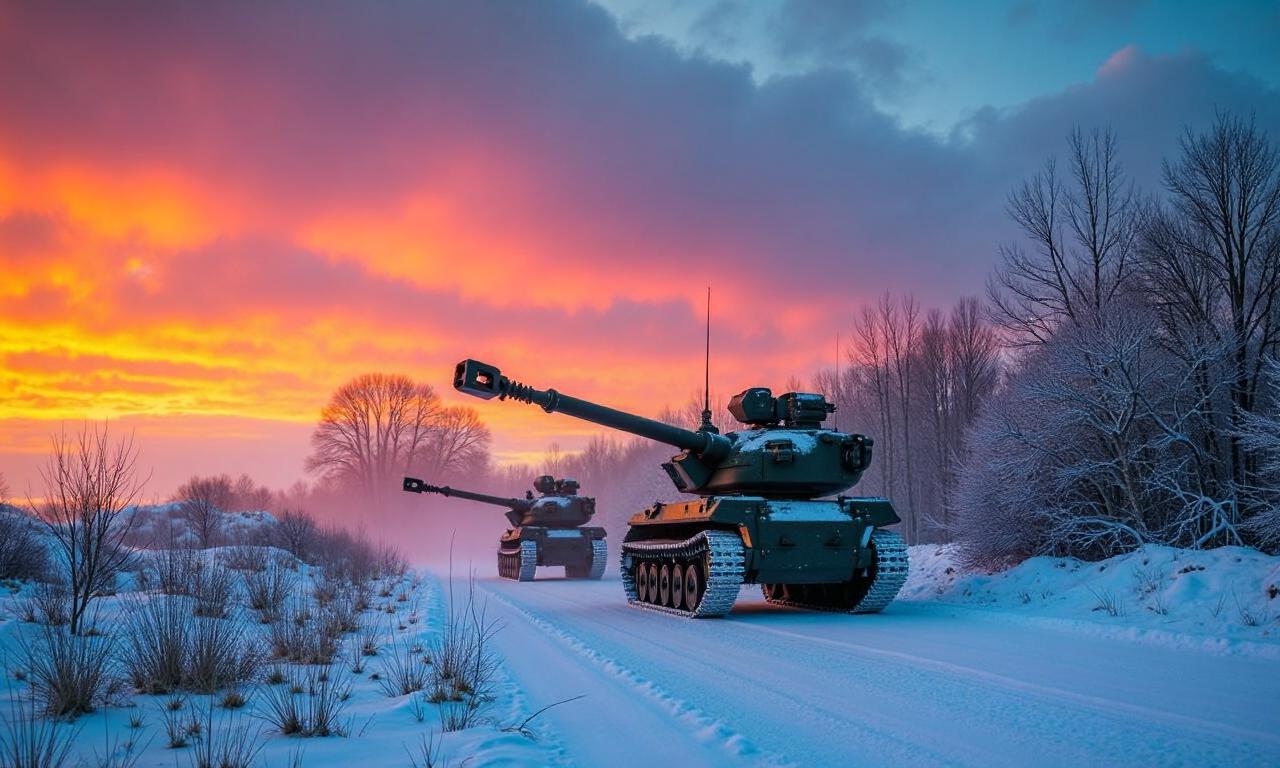
‘Record number of missiles’ hit Ukraine leaving thousands with no heating in -20C
Russia Launches Record Ballistic Missile Attacks on Ukraine’s Energy Infrastructure Russia has used a record number of ballistic missiles to target Ukraine’s energy sector, President Volodymyr Zelensky has said. The combined missile and drone strikes hit power plants and infrastructure in Kyiv and multiple locations, causing “the most powerful blow” so far this year, according to private energy company DTEK. Impact of the Strikes in Kyiv and Kharkiv The strikes were launched as temperatures dropped to -20C (-4F) and left more than 1,000 tower blocks in the capital without heating once again. A power plant in the eastern city of Kharkiv was damaged beyond repair. Zelensky said Russia was “choosing terror and escalation” rather than diplomacy to end this war and called for “maximum pressure” on Moscow from Ukraine’s allies. Energy Truce Expires Amid Escalating Conflict The attack comes after a so-called “energy truce” agreed by Donald Trump with Vladimir Putin expired at the weekend. Ukraine’s president suggested that Russia had simply used the time to stock up on missiles and prepare for the next attack. It also came on the day NATO Secretary-General Mark Rutte was in Kyiv to meet President Zelensky and address the national parliament. “Donald Trump’s initiative was meant to give diplomacy a chance. Negotiators from Russia and Ukraine are due to meet in Abu Dhabi for another round of talks co-ordinated by the US later this week.” Residents Shelter in Kyiv as Attacks Continue We heard the first explosions in Kyiv soon after midnight and the air raid lasted more than seven hours. There were several subsequent blasts. Residents spent the night sheltering in metro stations, with some pitching tents on the platforms to protect them from the freezing cold. Missile Numbers and Interception Efforts President Zelensky has said more than 70 ballistic and cruise missiles were fired—significantly more than usual—together with 450 drones used to overwhelm Ukraine’s air defences. Ukraine’s Air Force said it had intercepted only 38 of the missiles, which means many reached their target. Missile Shortages and NATO’s Response Officials here have complained repeatedly of a shortage of missiles to protect the skies. Ukraine relies on US-made Patriot missiles, in particular. “Timely delivery of missiles for air defense systems and the protection of normal life are our priority,” Zelensky wrote on X this morning. “Without pressure on Russia, there will be no end to this war.” “I know that more is urgently needed,” said NATO’s secretary-general. “We are working to ensure that more comes quickly.” NATO Secretary-General Supports Ukraine’s Defense Rutte also said NATO was standing by Ukraine as it made tough decisions during peace talks and that the alliance would provide the “hard power” to back up any eventual deal. But the NATO chief agreed with Zelensky that Russia’s overnight attack did not “signal seriousness about peace.” “Volodymyr Zelensky has accused Moscow of using the coldest days of winter.”
