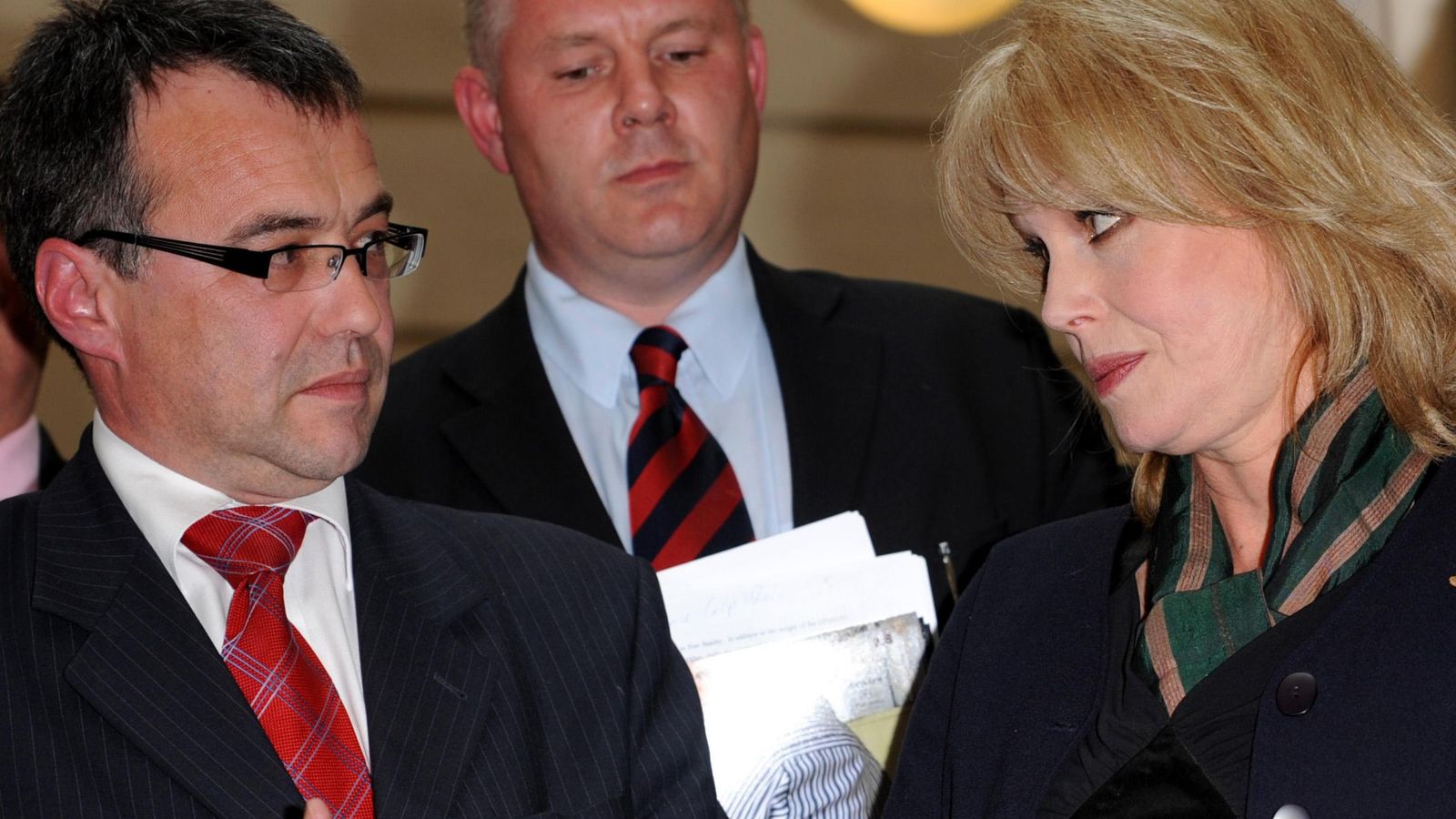
A former Labour minister who was famously confronted by Joanna Lumley in a live TV showdown has died from brain cancer aged 66. Phil Woolas was MP for Oldham East and Saddleworth from 1997 until 2010 and held several ministerial posts underSir Tony BlairandGordon Brown. But his political career ended in controversy and disgrace when a court ruled he had broken electoral law by deliberately making false statements about his Liberal Democrat opponent. His TV clash with national treasure Ms Lumley came when she led opposition to proposals by Brown's government in 2009 to restrict the rights of retired Gurkhas to settle in the UK. At the time, he was a combative immigration minister in the Home Office and Ms Lumley was spearheading the Gurkhas Justice Campaign fighting Woolas's plans. With Labour rebels joining Conservative and Liberal Democrat MPs, the government suffered a humiliating defeat on the proposals in the Commons. Then, after an original confrontation inside a TV studio in Westminster, the pair agreed to hold a joint news conference, which descended into chaos. Rachel Reeves is taking a gamble as the Gulf conflict hits energy prices How is the Iran war impacting British bills? Dozens of MPs call for formal apology over Britain's actions during Palestine administration Broadcast live on Sky News and other channels, the actress appeared to persuade Woolas to accept that the Gurkhas' lawyers would draw up new guidelines. And after dramatic scenes, Ms Lumley declared: "I have met Mr Woolas now and I am reassured again. Because I know we are going to assist Mr Woolas in making the strongest guidelines possible." It was the defining moment of a life in politics that began when Woolas joined the Labour party at 16 and was president of the National Union of Students from 1984 to 1986. Paying tribute, Sir Tony Blair said: "Phil was an outstanding member of the New Labour government, a greatly respected and admired colleague, and a source of both humour and rich political insight to all lucky enough to know him. "I remember and deeply appreciate his support to me over the years, through the good times and the bad. "My deepest condolences to the wonderful Tracey and to their sons, Josh and Jed, and all their wider family." Defence SecretaryJohn Healey, a close friend, told Sky News: "During the '80s and '90s many helped lay the foundations for New Labour, defeating the hard left and modernising the student movement, trade unions, media, Labour Party and Parliamentary Labour Party. "No-one played a significant role in all these areas – except Phil. "He was a highly regarded ministerial operator with friends across the political divide, despite being a fiercely loyal Labour man all his life." Google users can see more from their preferred sources in search results – click here to make yours Sky News After a short career as a TV producer, he became head of communications for the GMB union and masterminded one of the most high-profile stunts ever staged by a trade union. In 1996, protesting against a 75% pay rise to £475,000 a year for British Gas boss Cedric Brown, the union took a live pig called Cedric to the firm's AGM to highlight "snouts in the trough". After unsuccessfully fighting the Littleborough and Saddleworth by-election in 1995, he was elected in the 1997 Blair landslide and after a spell as a parliamentary bag-carrier began his ministerial career in 2003. He was deputy Commons leader and a local government minister under Blair, then under Brown he became an environment minister and then immigration minister in 2008. But throughout his career he was outspoken and often controversial and in 2010, after he held his seat by just 103 votes, he was served with an election petition by Lib Dem opponent Elwyn Watkins. He lost the subsequent court case – in an election court that was the first of its kind for 99 years – and the judge ordered a re-run of the election. Keep up with all the latest news from the UK and around the world by following Sky News The court ruled that Woolas knew statements he made about Watkins during the campaign were untrue and he was therefore guilty of illegal practices under election law. A bitter Woolas said after the ruling: "Those who stand for election and participate in the democratic process must be prepared to have their political conduct and motives subjected to searching, scrutiny and inquiry. "They must accept that their political character and conduct will be attacked." But Labour's acting leader Harriet Harman announced his suspension from the party and said: "It is not part of Labour politics to try to win elections by saying things that are not true." Read more from Sky News:Bombs and bravado: Trump's post reveals much about island strikeDriver who partied after killing teenage friends in crash sentenced After the controversial end to his career in parliament, Woolas formed a lobbying company with a former Conservative MP, Sir Sydney Chapman, and a former Liberal Democrat MP, Paul Keetch, both of whom later died. He leaves a widow, Tracey Jane Allen, an events organiser and former co-director of a lobbying company. They met in 1982 through their activities in student politics and married in 1988. They had two sons, Josh and Jed, and their first grandchild was born on 20 January, less than two months before Woolas's death. He is also survived by his mother and older brother. Mr Healey added: "Phil was a passionate Manchester United season ticket holder, wine connoisseur, fisherman, raconteur with a photographic memory and warm and engaging personality. "But he didn't suffer fools and was a principled fighter driven by the need to make a real change to society. His commitment to the Labour Party never wavered over 50 years, through many challenges."
Watch: Why Kharg Island is a lifeline for Iran
Watch: Why Kharg Island is a lifeline for Iran Kharg Island, a modest rocky formation just 15 miles (24km) from Iran’s coast, holds immense strategic value despite its small size. It serves as a crucial hub for the country’s energy sector, making it a focal point for both regional and global interests. US Strikes and Strategic Impact US President Donald Trump highlighted the military’s actions on Truth Social, stating that a powerful bombing campaign had dismantled all targets on the island. This move has drawn attention to its role as a key node in Iran’s infrastructure, particularly in oil exports. “The island was ready to fall,” Trump remarked during a White House event with the Inter Miami CF soccer team. Regional Turmoil and Oil Prices As tensions escalate in the Middle East, crude oil prices surged beyond $100 per barrel on Monday. The disruption has prompted concerns about the region’s energy supply chains, with Kharg Island at the center of the crisis. Behind the Scenes and Correspondent Insights The BBC’s Diplomatic Correspondent, James Landale, observed the latest anti-drone defenses in Ukraine, while UN Humanitarian Affairs Lead Tom Fletcher shared perspectives on the ongoing conflict. Meanwhile, BBC’s Ione Wells gathered input from recently released opposition figures, discussing Iran’s future and its diplomatic ties with the US. Embassy Reopenings and Airspace Disruptions Helena Humphrey detailed the process for restoring diplomatic missions in the region, which have been closed for decades. The Emirates flight marked a return to normalcy after nearly all Middle Eastern airspace was halted due to US-Israeli strikes on Iran. Maritime Activity and US Military Actions A timelapse of maritime traffic revealed a decline in vessel movement through the Strait of Hormuz. US Secretary of Defense Pete Hegseth confirmed that a torpedo had sunk an Iranian warship in the Indian Ocean, underscoring the military’s response to the attacks. “We are investigating the reported bombing of a school in Iran,” Hegseth stated, shifting focus from the initial claims. Trump’s Messaging and Political Reactions Ros Atkins analyzed how the Trump administration’s rhetoric on war evolved during its second term. The president also criticized the Spanish government for restricting US access to bases during the strike on Iran. In the UK, Trump targeted Prime Minister Keir Starmer and the nation’s response to the attacks. “The US would not deliberately target a school,” Secretary of State Marco Rubio asserted, deferring further details to the defense department. Escalating Conflict and First Public Comments The conflict accelerated rapidly, with attacks exchanged between rival factions. Sarah Smith reported from the scene, noting that Trump largely followed a prepared script during a White House address. This marked his initial remarks since the operation began.

John Prescott’s son joins Greens
John Prescott’s Son Joins Green Party Sky News reports that David Prescott, the son of former Labour deputy prime minister John Prescott, has become a member of the Green Party. The move follows a significant shift in political alignment, with David now actively supporting the party’s campaign efforts. By-election Victory and Political Shift David, whose father served under Tony Blair for a decade, joined the Greens in October 2025, a year after his father’s passing. His involvement was highlighted in a Facebook post, where he appeared with activists in Gorton and Denton, which recently secured the party’s first by-election win in its history. “What. A. Day. Hope Beat Hate.” — Caption accompanying David Prescott’s post Labour’s Reaction and Fears of Defection Karl Turner, who took over John Prescott’s former seat in Hull East in 2010, described the defection as “a major blow” but “not unexpected.” He noted David’s upbringing in a politically engaged socialist household and his early activism, emphasizing that while he was “always his own man,” the loss still signals a challenge for Labour. “I suspect John Prescott would be furious if he was around today. But his anger would be aimed at Labour for allowing progressive voters to leave for a more radical alternative.” — Karl Turner David’s Political Journey Previously, David had campaigned as a Labour candidate in several constituencies, including East Hull and Greenwich and Woolwich, though he was not selected. In 2015, he successfully ran for Gainsborough but lost to Conservative Edward Leigh. Controversy and Suspension In 2017, David was temporarily removed from his role as an aide to Jeremy Corbyn due to harassment allegations. He denied the claims, and the party did not suspend his membership as no formal complaint was filed. Green Party’s Perspective A spokesperson for the Greens stated that David had not publicly commented on his switch “out of respect to friends still in Labour.” However, he was among 2,000 supporters who helped elect Hannah in Gorton and Denton, according to the party. Labour’s Struggles and Calls for Change The by-election loss has intensified concerns within Labour about losing progressive voters to the Greens and Reform. This comes amid a broader debate over the party’s strategy, with some MPs criticizing the government’s disconnect from its base. “Labour lost votes in every direction. The result is a reflection of bad choices by the PM. We need new leadership.” — John Trickett, Labour MP One Labour member called the outcome a “stinging blow” for Keir Starmer’s leadership, urging cooperation with other left-leaning parties. They argued that without fundamental reforms, Labour risks losing its core electorate to more progressive alternatives. Prime Minister’s Acknowledgment Prime Minister Keir Starmer admitted the Gorton and Denton performance was “very disappointing” but framed it as a common challenge for incumbent governments. He pledged to continue campaigning and “keep fighting” to regain momentum. Read more from Sky News: My run-in with John Prescott | Can Starmer find a way back?
Europe’s far right is lost in Trump’s war against Iran
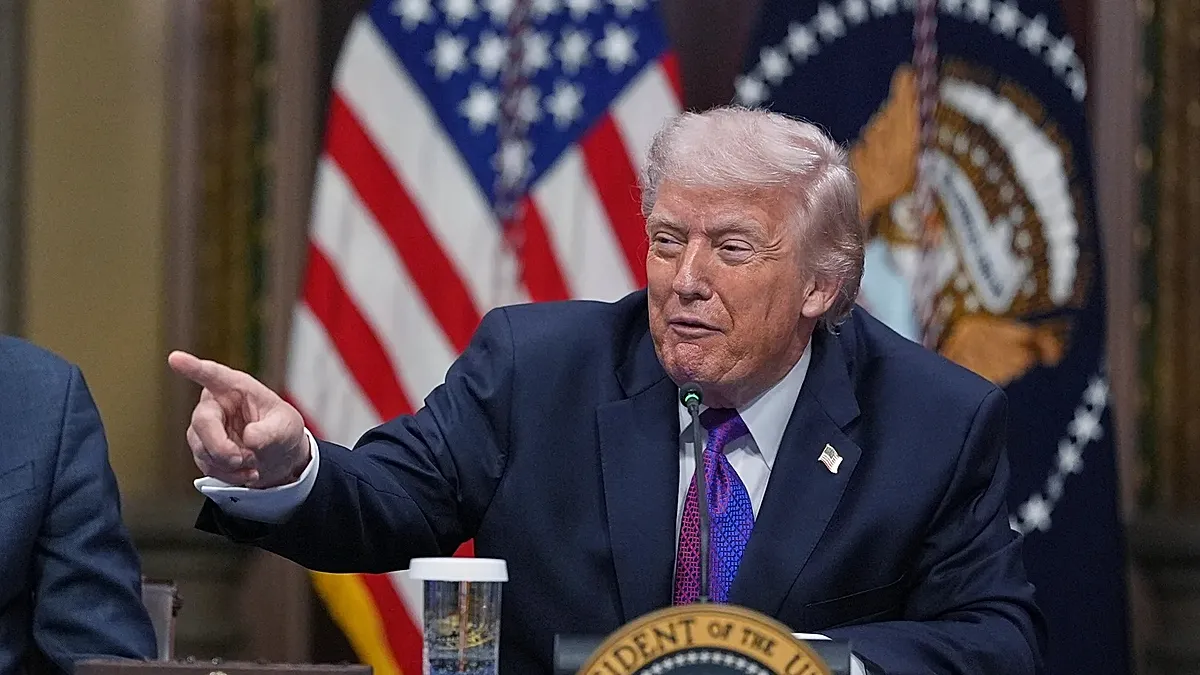
European Far Right Faces Division Amid Trump’s Iran War The conflict ignited by US and Israeli strikes targeting Iran’s leadership has thrown European far-right factions into disarray. As the war unfolds, nationalist parties across the continent are struggling to align their rhetoric with the realities of the situation, leading to fractured positions and uncertain stances. For many far-right groups, the challenge lies in reconciling their support for Donald Trump with the potential fallout of the war. While some enthusiastically back Trump’s pro-Israel policies and anti-Islamic views, they now face pressure to address the consequences of the strikes, such as rising energy costs and displacement of migrants. Hungary’s Fidesz Treads Carefully Prime Minister Viktor Orbán’s Fidesz party has been notably quiet on the Iran strikes. Orbán, who previously praised Trump as a “peacemaker” for his actions in Gaza, refrained from either condemning or endorsing the attacks. In a recent interview with Hungary’s ATV, he framed the strikes as the “final elimination and closure of a previous, unresolved focal point,” suggesting they are not a new war but a conclusion to an ongoing issue. “Bombing Iran is not a fresh war, but rather the final elimination and closure of a previous, unresolved focal point.” This approach reflects Orbán’s broader strategy to position himself as a mediator between East and West, while also criticizing the EU’s role in the Ukraine conflict. His silence has sparked debate within his party, with some members wary of aligning too closely with US and Israeli objectives. Italy and Germany Weigh Diplomacy Over War Italy’s League party, led by Matteo Salvini, has long championed Trump’s foreign policy. Yet, the Iran strikes have forced them to acknowledge the delicate balance between supporting Trump and addressing the war’s domestic implications. Paolo Borchia, the League’s delegation head in the European Parliament, told Euronews, “We always prefer the diplomatic way,” highlighting the tension in their stance. “We always prefer the diplomatic way.” Germany’s AfD party, meanwhile, has openly warned of the war’s risks. AfD leaders Alice Weidel and Tino Chrupalla stated that the “renewed destabilisation of the Middle East is not in Germany’s interest and must be brought to an end.” Their MEP, Tomasz Fröhlich, added, “A further collapse of Iran would be catastrophic, unleashing massive migration waves, severe energy price shocks, and a cascade of other collateral damage that would inevitably burden our own population.” “A further collapse of Iran would be catastrophic, unleashing massive migration waves, severe energy price shocks, and a cascade of other collateral damage that would inevitably burden our own population.” Fröhlich called for pragmatic measures, such as recommitting to coal and nuclear energy, and opposing the deployment of German troops in the region. This reflects a growing concern among some far-right groups about the economic and social ramifications of the war. Belgium and the Czech Republic Question US Influence Similarly, Belgium’s Flemish Interest party highlighted the energy and migration consequences of the conflict during a parliamentary debate. They drew parallels to the unintended effects of Western interventions in Libya and Syria, urging caution in backing US-led actions. Czechia’s ANO party also showed hesitation, balancing their admiration for Trump with fears that the war could exacerbate energy costs—a key issue in the country. France and Others Remain Critical The French National Rally (RN) has been more vocal in its skepticism. Having previously questioned US strikes on Venezuela, the RN now agrees with President Macron that the Iran attacks were conducted “outside the framework of international law.” Pierre-Romain Thionnet, an RN MEP, argued, “It should be up to the Iranian people to change the government, take power, and ensure a transition. A change imposed from the outside—especially through air bombings alone—has no historical example of success.” “It should be up to the Iranian people to change the government, take power, and ensure a transition. A change imposed from the outside—especially through air bombings alone—has no historical example of success.” Meanwhile, parties like Spain’s Vox, the Netherlands’ Freedom Party, and Nigel Farage’s Reform UK have embraced Trump more openly, tailoring their messages to domestic audiences. This divergence has made it increasingly difficult for far-right groups in the European Parliament to agree on a unified position, despite claims by Patriots for Europe (PfE) and Europe of Sovereign Nations (ESN) that they allow national delegations autonomy on the issue. Internal discussions reveal that the topic remains sensitive, with some factions still grappling with how to reconcile their support for Trump with the potential consequences of the war. The conflict over Iran could signal a pivotal shift in the relationship between Trump and European far-right movements, testing their ability to maintain cohesion in the face of ideological divides.
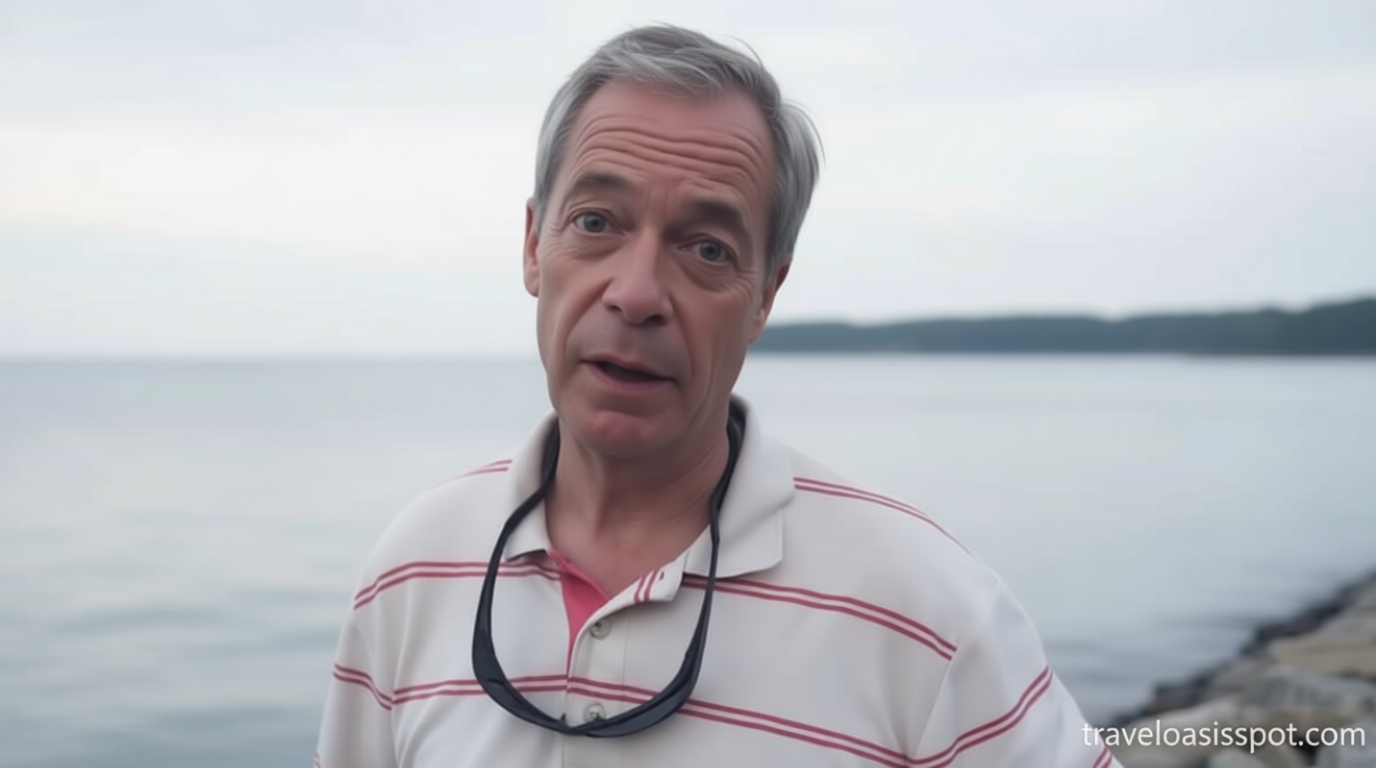
Nigel Farage piles pressure on US to kill off Labour’s Chagos islands surrender deal as he travels to Donald Trump’s Mar-a-Lago estate in Florida
Nigel Farage piles pressure on US to kill off Labour’s Chagos islands surrender deal as he travels to Donald Trump’s Mar-a-Lago estate in Florida Nigel Farage is set to intensify his push on the United States to abandon Labour’s plan for the Chagos islands’ handover, during his visit to Donald Trump’s Mar-a-Lago estate in Florida. The Reform UK leader emphasized the need to challenge the agreement, which would transfer the Indian Ocean territory to Mauritius while allowing the UK to retain the airbase for £35 billion. Reinforcing the message at Trump’s retreat Farage, who was scheduled to attend a dinner at Mar-a-Lago on Friday, stated he would ‘reinforce the message’ that Sir Keir Starmer’s proposal is the ‘worst deal in history.’ The plan, he argued, is ‘dreadful from every perspective’ and represents an ‘absolute betrayal’ of strategic interests. ‘President Trump has almost understood the deal, almost, but I will be dining at Mar-a-Lago tomorrow night and will reinforce the message. It was the worst deal in history, dreadful from every perspective, an absolute betrayal of so many things,’ Farage said before departing for the US. Legal challenges and strategic concerns A new legal hurdle for Sir Keir Starmer emerged as Mauritius announced intentions to sue Britain over the delayed ratification of the controversial deal. Prime Minister Navin Ramgoolam hinted at pursuing legal avenues, adding pressure on the UK government. ‘We are exploring legal avenues in the Chagos case,’ Ramgoolam stated, highlighting the potential for legal action against the UK. US political backlash and security risks Meanwhile, senior US politicians warned of the deal’s implications for national security. Senator Ted Cruz, during a Senate Foreign Relations Committee hearing, expressed alarm over the UK’s plan, claiming it would ‘jeopardise US national security by exposing military operations to China and potentially restricting military access to Diego Garcia.’ ‘The UK is taking a serious gamble with the special relationship by putting one of our most vital shared military assets at risk,’ Cruz said. Frank Garcia, Trump’s nominee for Assistant Secretary of State for African Affairs, echoed these concerns. He pledged to advocate for long-term UK-US agreements, stressing the importance of the Diego Garcia base. ‘If confirmed, I commit to working with the committee to look at the issues with regard to our agreements, long-term agreements with the UK to share basing opportunities there,’ Garcia added. Reform UK’s own attempt to claim the islands Farage’s efforts were preceded by his personal attempt to reach the Chagos islands last month. The move underscored his commitment to challenging the Labour-led plan, even as Downing Street remained silent on the matter. Government sources, however, asserted there is no legal foundation for Mauritius to seek compensation for delays in the agreement’s approval. Defending the strategic alliance Sir Keir’s spokesperson defended the deal, stating: ‘Maintaining control of Diego Garcia is the entire basis for the agreement that we’ve reached. To maintain our control protects against legal challenges and locks out our adversaries from being able to compromise its operation.’ ‘It is a key strategic military asset for both the UK and the US that’s enabled our shared security for nearly 60 years. It is the only way to ensure that the base remains secure and operational for the long term,’ the spokesperson said.
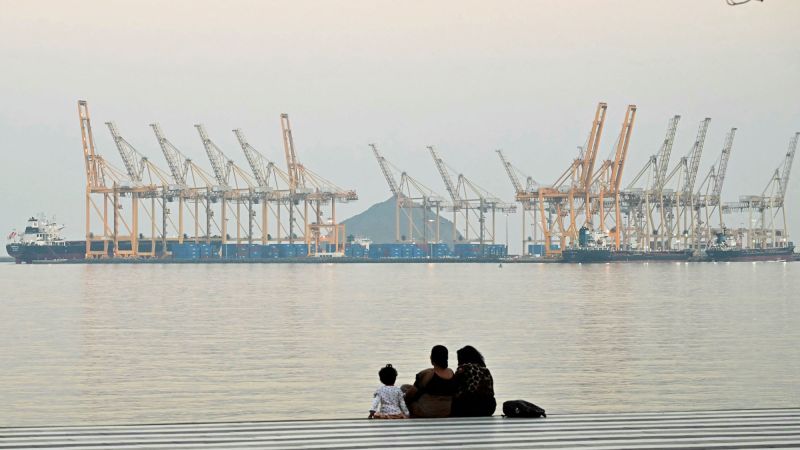
The big problem with Trump’s plans to open the Strait of Hormuz
The Big Problem with Trump’s Plans to Open the Strait of Hormuz Commercial shipping operators remain hesitant to navigate the Strait of Hormuz despite President Donald Trump’s assurances of government-backed insurance and naval protection. Martín Izaguirre Salgado, a seafarer who has worked on oil tankers since 2021, recalls the fear of a missile strike in the Red Sea two years ago. Four projectiles exploded near his vessel, sending fragments of shrapnel across the deck. “I keep some of those pieces at home,” Salgado shared with CNN while aboard a tanker in the Persian Gulf. For many in the industry, Trump’s words offer little solace against the ongoing threat of Iranian attacks. Since hostilities escalated over the weekend, major shipping lines such as Maersk and Hapag-Lloyd have paused operations to the Persian Gulf. The strait, a critical artery for 20% of global oil, saw no commercial vessels transit on Wednesday. The Gulf now teems with anchored ships, including Salgado’s, unable to proceed. This pause has sent oil prices surging above $80, reaching their highest level since August 2024. The disruption threatens to ripple through the global supply chain, increasing costs for businesses and consumers. “As long as they keep firing rockets or drones at merchant vessels, the sense of danger will stay,” Salgado said. His experience underscores the industry’s reluctance to take risks in a volatile region. Gene Seroka, a veteran in maritime logistics, expressed doubt about Trump’s proposals. “I have no proof those promises can be fulfilled,” Seroka remarked, citing years of experience in the Middle East. “It’s hard to imagine moving ships into open waters with such uncertainty.” According to a senior US official, the military is prioritizing measures to limit Iran’s ability to disrupt shipping. “Physical security is the main challenge right now,” the official noted. While the navy is working to establish conditions for an operation, no specific timeline has been set for deploying escorts. The administration remains confident the conflict is temporary, though the spike in energy prices has raised concerns among industry leaders. “The key point is that this conflict is expected to be short-lived,” the official added. “The world won’t face an oil shortage, but we’re dealing with a brief price fluctuation.” Sanne Manders, president of Flexport, emphasized that safety remains the top priority for shipping companies. “Crews and vessels are both at risk,” she stated. Even with insurance, operators are wary of exposing their expensive assets to danger. “These companies want to ensure their ships are secure,” Manders explained. “They’re not going to gamble with hundreds of millions of dollars for a single commercial deal.” Despite Trump’s public optimism, the shipping sector’s wariness suggests a deeper unease. The administration’s recent actions indicate a growing awareness of the strait’s strategic importance, yet the fear of Iranian attacks continues to dominate the narrative. With no immediate relief in sight, the industry awaits a ceasefire to restore confidence in the region’s waters.

Frozen in time: The once-glamorous Iranian embassy in the US sits empty
Frozen in Time: The Iranian Embassy in the US Remains Vacant Forty years after the 1979 Iranian Revolution, the once-luxurious Iranian Embassy in Washington, DC, still stands dormant. Its halls, once filled with celebrity guests, bubbly drinks, and delicacies, now echo with silence. The embassy became a symbol of strained relations following the 444-day hostage crisis, during which Iranian militias seized the US embassy in Tehran. This event severed diplomatic ties between the two nations, a rift that has persisted through decades of geopolitical shifts. Escalation and Immediate Repercussions The recent US-Israeli strikes on Iran have triggered a cascade of consequences. Airspace across the Middle East was effectively shut down for several days after the attacks, with the Emirates flight marking the first disruption in a series. BBC correspondent Sarah Smith was present at a White House gathering where President Trump delivered remarks, largely adhering to a prepared script. His comments, the first public statements since the operation began, underscored a renewed focus on Iran. “Major combat operations have commenced,” declared Trump during his address, signaling a shift in the conflict’s trajectory. Diplomatic and Military Dynamics Iran’s retaliation included strikes on Israeli targets, as captured by BBC presenter Clive Myrie in Tel Aviv’s bomb shelter. Meanwhile, the US claimed six of its F-15 jets were “mistakenly shot down by Kuwaiti air defenses,” with all crew members reported in stable condition. Trump warned of further casualties, citing the deaths of three US service members in the initial phase of the assault. “The Iranian regime is waging an unending campaign of bloodshed and mass murder targeting the United States,” the president asserted, framing the conflict as a necessary response. Iranian state media confirmed the death of Supreme Leader Ali Khamenei, a development that has sparked mixed reactions. Protests erupted in American cities on Saturday, with more demonstrations planned for the coming days. The BBC’s Helena Humphrey, based in Washington DC, analyzed the broader implications of the strikes, while Jerusalem-based Jon Donnison reported on Trump’s narrative of the operation’s escalation. Path to Reopening Embassies Despite the renewed tensions, the possibility of restoring diplomatic ties remains a topic of discussion. Helena Humphrey highlighted the conditions required to revive the embassies, emphasizing the need for a significant thaw in relations. As the conflict unfolds, the focus remains on both immediate consequences and long-term geopolitical outcomes.

Gaming PCs will be too expensive for ordinary people by 2028 predicts report
Gaming PCs will be too expensive for ordinary people by 2028 predicts report Memory shortages threaten affordability of entry-level hardware A new study highlights the PC market’s potential decline over the next two years, raising concerns about accessibility for average consumers. The report aligns with recent trends suggesting Sony may pivot its focus, reducing PC game porting efforts as hardware costs climb. Recent months have seen growing concerns about the future of gaming tech, driven by a critical shortage of memory components. This scarcity, exacerbated by AI firms stockpiling RAM and SSDs for data centers, has left fewer resources for other manufacturers, potentially delaying the PlayStation 6 and next Xbox. The tightening supply has already pushed prices higher, with fears that this situation could persist for a decade. By 2036, the report forecasts that most people might struggle to purchase new PCs, marking a significant shift in consumer access. “This sharp increase removes vendors’ ability to absorb costs, making low-margin entry-level laptops nonviable. Ultimately, we expect the sub-$500 (about £375) entry-level PC segment to disappear by 2028,” says senior director analyst Ranjit Atwal. Console strategies and hardware trends By 2028, the report suggests that PC manufacturing will prioritize high-end models, sidelining budget options. This trend mirrors Microsoft’s vision for its next-gen console, which is described as a premium, curated experience. Meanwhile, Valve’s Steam Machine, though cheaper than traditional PCs, faces delays due to ongoing memory constraints, failing to offer a cost-effective alternative. As a result, PC owners may hesitate to upgrade, altering purchase cycles. Gartner also warns that entry-level smartphones could suffer similar challenges, with users opting for used devices or extending phone lifespans. The firm predicts a 10.4% drop in global PC shipments and an 8.4% decline in smartphones, urging manufacturers to adjust pricing strategies for the first half of 2026. Industry implications and recommendations Experts note that the memory crisis is not just a temporary glitch but a structural issue affecting both gaming and general tech markets. Sony’s potential move to abandon PC ports aligns with this, as declining PC sales could diminish the appeal of single-player titles on that platform. Meanwhile, Microsoft’s focus on high-end consoles may position the next Xbox as a viable competitor to expensive gaming PCs. Gartner recommends optimizing pricing to mitigate the impact of rising component costs. The report also emphasizes that even budget-friendly consoles like the Steam Machine won’t be sold at a loss, maintaining their position as a more affordable option than traditional PCs but still costly for casual buyers. Sign up for the GameCentral newsletter to stay updated on gaming news and reviews delivered weekly. Click here to ensure Metro.co.uk stories appear first in Google Search. This site is protected by reCAPTCHA and the Google Privacy Policy. Terms of Service apply to your information usage in line with our Privacy Policy.
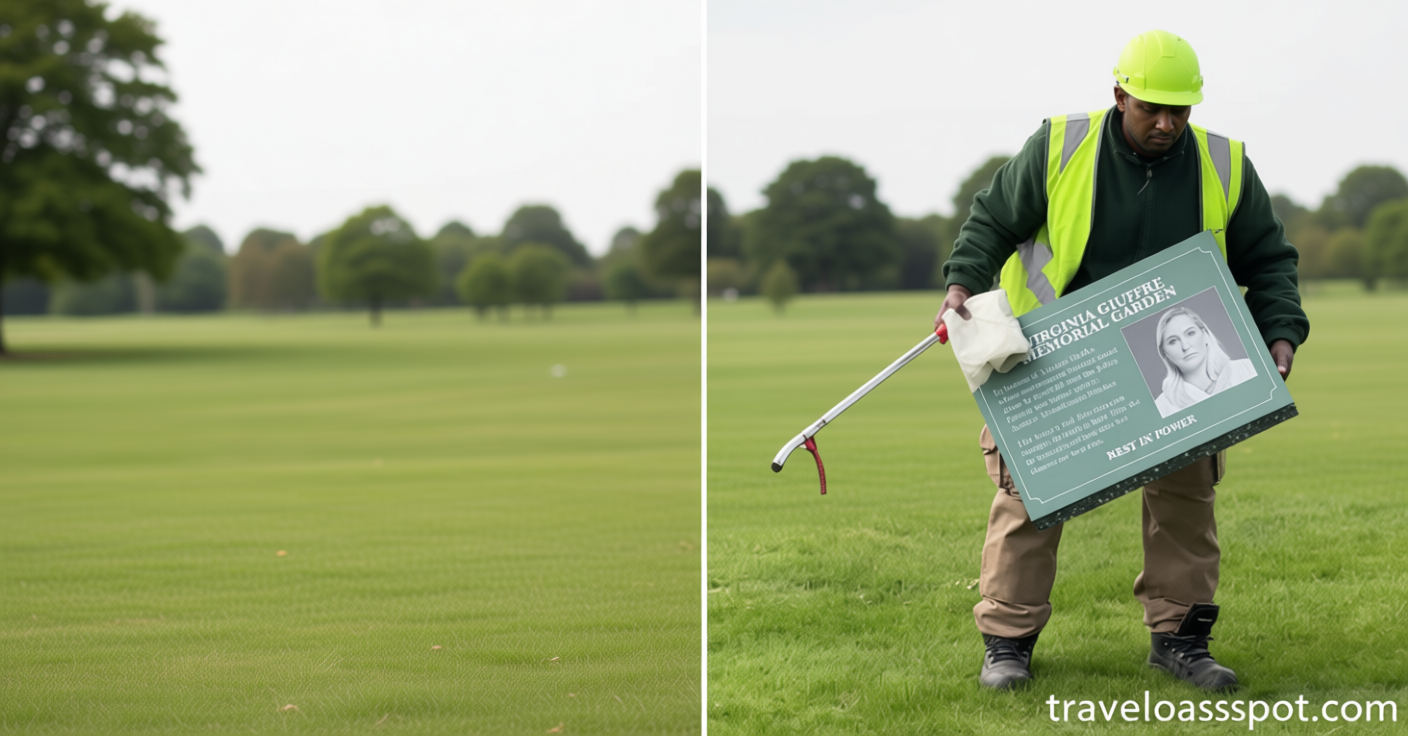
Buckingham Palace ‘gardener’ removes Virginia Giuffre memorial plaque in just 90 minutes
Buckingham Palace ‘gardener’ removes Virginia Giuffre memorial plaque in just 90 minutes A gardener at Buckingham Palace’s grounds removed a tribute to Virginia Giuffre, the accuser of Andrew Mountbatten-Windsor, within a short hour. The plaque was taken down swiftly by a worker in high-visibility gear, who used a litter picker to erase the memory of the royal’s past connection to the case. Installed by activists from Everybody Hates Elon, the plaque was positioned on a grassy area where tourists gathered to take selfies with the royal family. The group had recently executed a bold prank at the Louvre, aiming to shift focus to survivors of sexual abuse by powerful figures like Jeffrey Epstein. Plaque honored survivors’ fight against Epstein The memorial read: “In honour of Virginia Giuffre, whose decades of campaigning exposed sexual abuse by powerful men like Jeffrey Epstein and former prince Andrew Mountbatten-Windsor.” It also included: “Her bravery and determination brought the truth to light. May she be remembered long after her abusers are forgotten.” Despite its brief presence, the plaque sparked reactions from the organization. A representative said: “Of course we are disappointed. We feel Andrew and the world should be made to remember Virginia’s bravery forever.” They added: “Billionaires and their mates think they can get away with anything. They think ordinary people will never fight back – let alone win.” The group highlighted that Giuffre’s persistence led to accountability for Epstein and Andrew. Giuffre’s legacy and final days Giuffre’s image with Andrew has become a symbol of the Epstein scandal. She accused Epstein of trafficking her for sexual encounters with the prince while underage. Andrew denied ever meeting her, claiming the photograph was a fabrication. After enduring years of mental health struggles and trauma, Giuffre passed away in her Australian home on April 25, 2025. Her family described her as “a fierce warrior in the fight against sexual abuse,” noting the “toll of abuse… became unbearable.” Dini von Mueffling, Giuffre’s long-time publicist, praised her as “one of the most extraordinary human beings I have ever had the honour to know.” She called Giuffre “deeply loving, wise, and funny,” and “a beacon to other survivors and victims.” Her legal representative, Sigrid McCawley, said: “Her courage pushed me to fight harder, and her strength was awe-inspiring.” Earlier this month, the same activist group managed to sneak a display of Andrew’s arrest photo into the Louvre’s gallery, alongside iconic artworks like the Mona Lisa. The mastermind of the operation told Metro: “It was all pretty fine getting it through. It was just in a bag and hidden under another picture.” The artwork remained for about 15 minutes before being removed, with staff initially amused by the stunt. ArrowMORE:Andrew’s latest visitor fuels speculation he could be axed from line of succession ArrowMORE:Lipreader reveals Andrew’s plea to Prince William before titles were stripped This site is protected by reCAPTCHA and the Google Privacy Policy and Terms of Service apply. Your information will be used in line with our Privacy Policy.
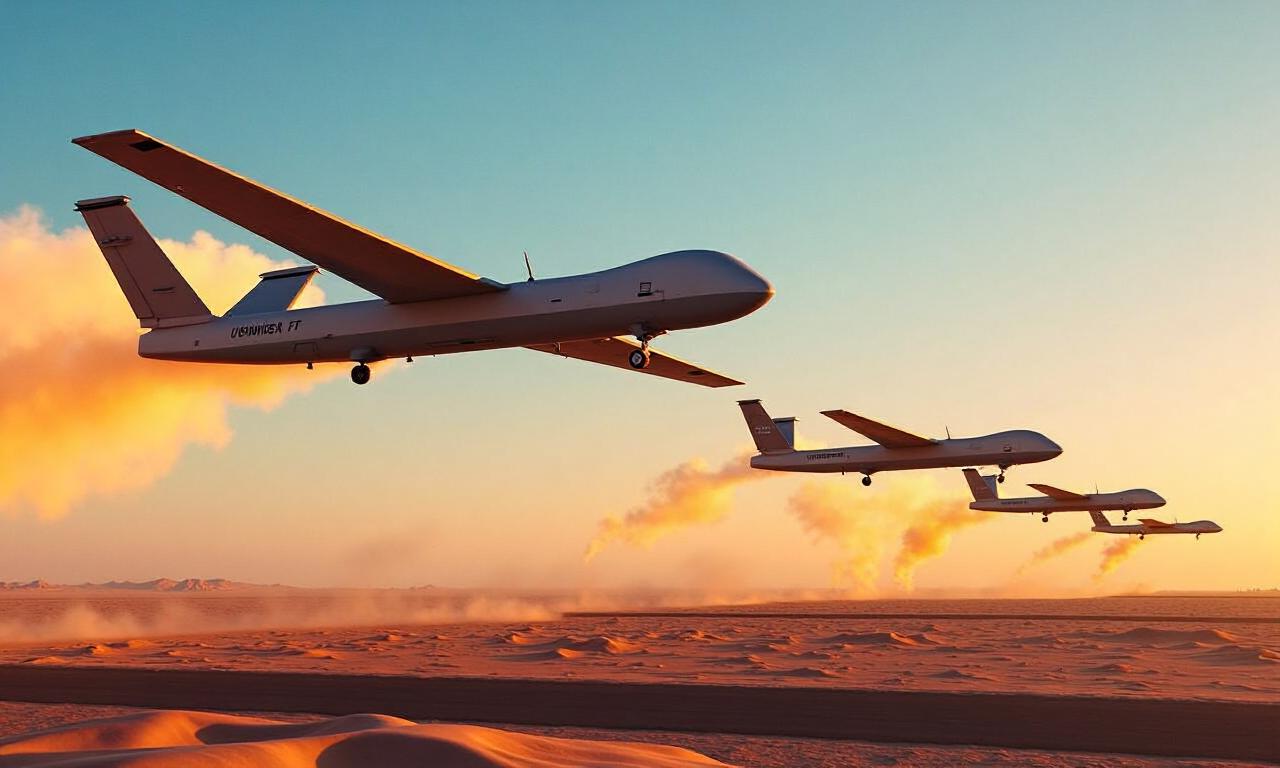
Iranian drones cost a fraction of air defences. How long can Gulf states last?
Iranian Drones Cost a Fraction of Air Defences. How Long Can Gulf States Last? In response to the conflict involving the US and Israel, Iran has launched a broad campaign of strikes across multiple fronts. The attacks have targeted Israel and US military installations in the region, as anticipated by Tehran’s prior warnings. Beyond these direct strikes, Iran has also focused on the Gulf Cooperation Council (GCC) nations, hitting critical energy infrastructure in Saudi Arabia, Qatar, and other states. While some strikes serve as symbolic retribution, aiming to demonstrate resolve after the killing of its supreme leader and numerous officials, others target the economic lifelines of Gulf states. These strikes, particularly those at oil and gas facilities and the Strait of Hormuz, signal Iran’s intent to undermine the financial stability of nations aligned with the West. Cost Efficiency in Military Strategy Iran’s approach leverages affordability. Ballistic missiles cost $1–2 million each, but its Shahed drones—designed for self-destructive missions—range from $20,000 to $50,000. This allows Tehran to overwhelm defenses with minimal expenditure, creating a strategic imbalance. Intercepting these weapons, however, demands a heavy price. Kelly Grieco, a Stimson Center expert, noted that the UAE spent $1.45 billion to $2.28 billion to neutralize attacks, compared to Iran’s $177 million to $360 million. “For every $1 Iran spent on drones, the UAE spent roughly $20–28 shooting them down,” she explained. “Yet the financial toll of sustaining that defense is enormous, raising the prospect that tactical ‘victory’ masks a costly strategic drain,” Grieco wrote on X. Gregg Carlstrom of the Economist drew a parallel to the asymmetry in warfare: “It’s like using Ferraris to intercept e-bikes.” The concept of financial attrition, where cheap drones deplete air defense resources, isn’t new. Russia has employed similar tactics in Ukraine, using mass-produced Shahed drones to saturate enemy systems. These drones are not only inexpensive but also rapidly deployable. Their affordability contrasts sharply with the cost of intercepting them, which often requires advanced systems with complex supply chains. In Ukraine, Kyiv initially relied on high-end systems like the Patriot, but later shifted to more economical options such as the Gerald, a Cold War-era anti-aircraft gun. “This means that the air defences are sometimes absolutely on top of the incoming drones (and frequently the accompanying missiles) and on other occasions more get through,” Jordan told Middle East Eye. David Jordan, a King’s College London lecturer, highlighted the cyclical nature of drone warfare innovations. Ukrainian forces adapted by retrofitting An-28 transport aircraft with Miniguns and deploying electronic warfare to disrupt drone signals. These strategies reflect the evolving challenge of countering cost-effective, high-volume attacks. As the conflict continues, the sustainability of high interception rates by Israel, the US, and Gulf states remains uncertain. Israel, for instance, often permits drone impacts in open zones to conserve resources. Meanwhile, the US scrambles to eliminate Iran’s missile and drone capabilities before its defense stockpiles are exhausted. The broader implications are clear: Iran’s ability to sustain such a campaign hinges on its low-cost arsenal, while its adversaries face escalating financial demands to maintain operational readiness. Whether this dynamic can be sustained without significant strain on Gulf nations’ budgets remains to be seen.