
Last Chance to Claim a Romantic Getaway in Rome via Our Newsletter Immerse yourself in the charm of Rome’s historic streets, where every corner whispers tales of ancient history. Savor a crisp Aperol Spritz under the sun, or relish a creamy cacio e pepe, freshly prepared with simplicity and precision. The city’s skyline, adorned with spires and terracotta rooftops, offers a backdrop that feels like stepping into a timeless story. A Cinematic Escape Awaits Each journey to Rome feels like a scene from a classic film, and now you could turn that dream into reality. Our free prize draw, in partnership with Wowcher, promises one winner a luxurious city break for two, complete with return flights from any UK airport and a four-star hotel stay. It’s an experience designed to leave lasting memories. To participate, simply register with your personal details and join The Getaway Expert newsletter. Eligibility is limited to UK residents (excluding Northern Ireland) aged 18 or older. Entries close on March 29, 2026, at 23:59, with the contest officially opening on March 9, 2026, at 00:01. All applicants must provide their full name, email, phone number, date of birth, and postcode on the designated landing page. Your Travel Companion in Every City Curated by Metro’s travel authority, Alice Murphy, The Getaway Expert newsletter is your go-to resource for travel wisdom. Packed with actionable insights and firsthand experiences, it empowers you to navigate new destinations with ease, whether you’re exploring Rome’s vibrant markets or planning a getaway across the globe. From mastering booking timelines to uncovering clever tricks for navigating Rome by taxi, the guide acts as a trusted companion. The city’s central district, though steeped in centuries of history, remains pedestrian-friendly, ensuring that landmarks like the Trevi Fountain and Spanish Steps are just steps away. Begin your day with a quiet stroll to the Trevi Fountain before the crowds gather, then browse the stylish shopping avenues near the Spanish Steps. For a taste of local authenticity, venture to Trastevere, Rome’s favored bohemian district. Here, trattorias such as Roma Sparita serve hearty pasta dishes in warm, inviting settings. If you prefer pizza, opt for the innovative al taglio style at La Renella Forno—massive rectangular slices baked in a communal pan, available by weight. Skip the traditional margherita and try a unique combination of zucchini flowers, mozzarella, and anchovy. Alternatively, stop by nearby street vendors for a quick espresso or a fluffy, brioche-like Maritozzi bun. Whether you choose a grand tour of the Roman Forum and Colosseum or unwind with a gelato at Piazza Navona, our prize provides the ideal starting point. Don’t miss the opportunity to secure exclusive discounts through Metro Deals—save up to 57% on spa days, 58% on Lanzarote getaways, and explore worldwide packages from as low as £92 per person. Your information is safeguarded by reCAPTCHA, with terms governed by the Google Privacy Policy and Terms of Service. For more travel tips, access our seven-day guide crafted by Metro’s resident travel expert, Alice Murphy.

The BBC’s best thriller has never been stronger – it’s being let down
The BBC’s best thriller has never been stronger – it’s being let down Recently, I’ve found myself repeatedly extolling the virtues of *The Capture* to anyone who’ll give me a moment. For three weeks, I’ve been unable to stop raving about the series, convinced that its brilliance would spark shared excitement among my peers. Yet, it seems my enthusiasm is met with polite nods rather than genuine engagement. A sleeper hit that faded from the spotlight When *The Capture* premiered in 2019, it quietly carved out a niche as a slow-burn success. Its first season attracted over five million viewers—a remarkable number for a new suspense series. The show also launched the career of Callum Turner, whose performance earned him a BAFTA nomination, hinting at his potential to follow in the footsteps of James Bond. Despite its initial acclaim, *The Capture* never became a household name in the way its premise suggested it could. With the same promotional momentum as *Line of Duty* or the recent *The Night Manager* revival, it had the potential to dominate water-cooler conversations and ignite serious discussions. Instead, it remains a niche favorite, struggling to maintain momentum in a saturated market. The premise that now feels eerily prescient Starring Holliday Grainger as Rachel Carey, a sharp-witted investigator, the series explores a chillingly realistic scenario: a world where digital manipulation has made CCTV footage and video evidence indistinguishable from the truth. Seven years ago, this concept seemed like science fiction, dismissed by skeptics as too fantastical. Today, however, deepfakes on TikTok and political misinformation have made the show’s central idea feel uncomfortably close to reality. The second season took this premise further, introducing live broadcasts altered to sway public sentiment and influence elections. This twist elevated the series into a genre-defining force, proving its ability to evolve with the times. Now, in its third season, the show is at its peak, delivering a gripping narrative that challenges the very foundations of truth and perception. A missed opportunity for cultural resonance Currently airing Sundays on BBC One, the series has never been more compelling. The opening episode featured a shocking twist: a man Carey witnessed firing a shot later became her colleague. This moment left viewers disoriented, a testament to the show’s masterful storytelling. Yet, the overnight ratings for the first episode fell short, drawing just 1.84 million viewers—a figure significantly lower than the 16 million average for *Line of Duty* episodes in 2021. The BBC’s scheduling strategy may be to blame. Each Sunday morning, new episodes quietly debut on iPlayer before the main broadcast at 9pm. This approach, while convenient, dampens the collective experience that could have amplified the show’s impact. Last night’s episode was a milestone for long-time fans, but online discourse about its twist was sparse, as if the audience wasn’t fully invested. Earlier this year, the BBC also launched *Lord of the Flies*, a highly praised adaptation by Jack Thorne. Though a critical triumph, its early release on iPlayer led to a rapid decline in ratings, nearly halving overnight numbers. This pattern suggests a recurring issue: the network’s reluctance to maximize the visibility of its top-tier content. As the show continues, its relevance grows. Yet, with dwindling viewership and minimal cultural traction, *The Capture* risks being overlooked. It’s a series that deserves more than a quiet launch—it’s time for the BBC to give it the spotlight it so clearly merits. “It’s around us every single day.” At the time of writing, which is the morning after the latest episode, it’s clear that *The Capture* remains a powerhouse of storytelling. But without a strategic push to align it with the modern viewing landscape, its brilliance may go unnoticed. The BBC’s approach to scheduling and promotion has become a barrier to its potential. This site is protected by reCAPTCHA and the Google Privacy Policy and Terms of Service apply. Your information will be used in line with our Privacy Policy.
Is Reeves next on the Rayner hit list?
Is Reeves next on the Rayner hit list? 👉Listen to Politics at Sam and Anne’s on your podcast app👈 Political Shifts and Policy Pressures Following a focused critique of Shabana Mahmood’s immigration policies, is Angela Rayner positioning herself to challenge the Starmer administration further? With her allies anticipating a comeback in frontline roles ahead of the May elections, the question arises: could Rachel Reeves become the next focal point of Rayner’s strategy? And does the Prime Minister genuinely rely on this former collaborator’s backing? Steel Tariffs and Economic Strategy Meanwhile, the UK government has announced a 50% import tax on steel products, aiming to bolster domestic industries. But what underlying objectives drive this economic maneuver? Analysts speculate it may be a bid to secure trade advantages or address supply chain vulnerabilities. Public Perception and Accountability Additionally, the debate over the policing system’s effectiveness continues. Survey data reveals mixed public sentiment, yet the minister overseeing the issue faces scrutiny over perceived immunity from criticism. As the political landscape evolves, these interconnected challenges test the resilience of leadership and public trust.

Subnautica 2 early access release date set for May after shock legal verdict
Subnautica 2’s Early Access Launch Confirmed for May Following Legal Ruling Following delays and legal upheaval, the long-awaited sequel to Subnautica is set to debut in early access in May 2026, marking a significant shift from initial expectations. The Legacy of Subnautica and Its Spin-Off The original Subnautica remains a standout survival game, captivating players with its immersive alien oceanic world and survival mechanics. In 2021, a spin-off titled Subnautica: Below Zero was released, originally planned as downloadable content before evolving into a standalone expansion. A direct sequel, Subnautica 2, was announced in 2022, promising cooperative gameplay for up to four players. Development Hiccups and Legal Challenges Initially slated for early 2025, the sequel’s timeline was disrupted by a series of staff dismissals and legal disputes. Unknown Worlds’ leadership, including CEO Ted Gill and key team members Charlie Cleveland and Max McGuire, were abruptly let go by Krafton, the studio’s owner. Steve Papoutsis, former CEO of The Callisto Protocol developer Striking Distance, took over as interim leader. This move sparked a lawsuit, with the former executives alleging Krafton had stalled progress to prevent them from earning a $250 million bonus if the game met its targets. A Judicial Decision and New Direction “Thanks to your dedication and talent, we’ve added more story chapters, built new creatures, and created new biomes along with many other features,” stated Steve Papoutsis in a message shared with the development team. The legal battle culminated in March 2026 when a judge ruled that Krafton had improperly terminated key employees and seized operational control of Unknown Worlds. As a result, Ted Gill was reinstated as CEO with full authority over the studio and the sequel’s launch. The ruling also extended the deadline for the $250 million bonus, giving Krafton a chance to secure it. In response, Krafton expressed disagreement with the decision, stating they are reviewing their options and focusing on delivering the best experience for fans. “Today’s ruling does not resolve the former executives’ claim for damages or an earnout related to Subnautica 2, with further litigation still pending,” the company added. Looking Ahead Krafton emphasized that their primary goal remains unchanged: ensuring the game reaches players who have been eagerly anticipating it. The decision to return Gill to leadership signals a renewed push for the project, with the team now preparing to begin open development in collaboration with the community. To submit Inbox letters and Reader’s Features more easily, use our Submit Stuff page here. Related Stories Capcom developers didn’t know about Nvidia DLSS 5 before reveal GTA 6 boss speaks out against AI as Nvidia CEO calls critics ‘completely wrong’ PS3, Xbox 360 and Nintendo Wii U consoles are officially ‘retro’ says retailer This site is protected by reCAPTCHA and the Google Privacy Policy and Terms of Service apply. Your information will be used in line with our Privacy Policy.

How to Avoid Beach Trip Expenses: Smart Tips for Saving Money
Traveling to the beach is a dream for many, offering relaxation, sun, and sand. However, avoiding beach trip expenses can often feel like a challenge, especially when unexpected costs add up. From flights and accommodations to activities and dining, the total can quickly exceed your budget. But with a few smart strategies, you can avoiding beach trip expenses without compromising the fun and comfort of your getaway. This article explores practical tips to help you plan, budget, and enjoy a cost-effective beach vacation. Plan Ahead for Cost Efficiency One of the most effective ways to avoiding beach trip expenses is to start planning early. Booking accommodations, flights, and activities in advance often leads to better deals and discounts. For example, hotels and vacation rentals typically offer lower rates when you reserve weeks or even months ahead, especially during off-peak seasons. Additionally, researching destinations and comparing prices can help you find budget-friendly options that fit your financial goals. By setting a clear budget and sticking to it, you can avoid overspending on last-minute purchases or services. Choose Affordable Transportation Transportation costs can be a major part of your beach trip budget. To avoiding beach trip expenses, consider alternatives like flying to a nearby city and then taking a bus or train to the beach, rather than booking a direct flight. Public transport, carpooling, or renting a bike are also great options for moving around once you’re at your destination. If you’re driving, plan your route to minimize fuel costs and avoid tolls. For those who prefer flying, look for budget airlines or check for travel deals using price comparison tools. These choices can significantly reduce your avoiding beach trip expenses without sacrificing convenience. Optimize Accommodation Costs Accommodation is often the largest expense on a beach trip, so finding cost-effective options is crucial. Stay in local areas rather than tourist hotspots, where prices tend to be higher. Consider budget-friendly alternatives like camping, staying in a hostel, or booking a vacation home through platforms like Airbnb. Look for packages that include meals or activities to save on additional costs. Also, read reviews and compare prices to ensure you’re getting the best value. By being flexible with your dates and choosing the right type of lodging, you can avoiding beach trip expenses while still enjoying a comfortable stay. Select Free or Low-Cost Activities While some beach activities may cost money, many are free or very affordable. Research local attractions and events before you go, such as free concerts, festivals, or guided tours. Explore the beach itself for activities like swimming, sunbathing, or collecting shells—no cost required. If you’re interested in more structured options, consider visiting public beaches or parks instead of private resorts. You can also look for discounts on water sports, such as snorkeling or kayaking, by booking in advance or using coupons. Choosing these avoiding beach trip expenses strategies ensures you can enjoy your time without breaking the bank. Eat Smart to Save on Meals Food costs can quickly add up, especially if you indulge in expensive restaurant meals. To avoiding beach trip expenses, plan your meals and opt for local eateries that serve fresh, affordable cuisine. Pack snacks and drinks from home to avoid buying overpriced items at the beach. If you’re staying in a place with a kitchen, prepare some meals yourself using simple ingredients. You can also take advantage of food markets or street vendors for budget-friendly options. By being mindful of your dining choices, you can enjoy delicious food without spending excessively. Minimize Unnecessary Purchases Shopping at the beach can lead to impulse buys, so it’s important to avoid unnecessary expenses. Before your trip, pack essential items like sunscreen, towels, and flip-flops to reduce the need for purchases on-site. Set a spending limit for souvenirs and stick to it, choosing meaningful items over expensive trinkets. Use cash instead of credit cards to avoid overspending. You can also look for local markets or thrift stores for unique, affordable items. By being prepared and avoiding last-minute shopping, you can keep your avoiding beach trip expenses strategy intact. Last-Minute Tips for Extra Savings Even if you’re already on your way, there are ways to cut costs. For example, if you have flexibility in your travel dates, try to travel on weekdays or during off-peak hours when prices are lower. Use loyalty programs or travel rewards to get free upgrades or discounts. Pack your own sunscreen, beach gear, and water to avoid buying expensive items at the destination. Also, consider sharing accommodations with a friend or family member to split costs. These small adjustments can make a big difference in your overall savings and help you avoiding beach trip expenses effectively. By implementing these strategies, you can create a beach trip that’s both enjoyable and budget-friendly. Whether you’re planning a solo getaway or a family vacation, focusing on avoiding beach trip expenses allows you to allocate more funds to experiences that matter most. With careful planning and smart choices, you’ll be able to savor the beauty of the beach without worrying about overspending. FAQ Q: How can I save money on flights for a beach trip? A: Book flights well in advance and compare prices using travel deal websites to find the best options. Q: Are there affordable ways to enjoy beach activities without spending much? A: Yes, many activities like swimming or beach volleyball are free, and you can use public beaches to avoid costly resort fees. Q: Can I reduce accommodation costs by staying in a different location? A: Staying in nearby towns or using vacation rentals instead of hotels can significantly lower costs while still providing comfort. Q: What are some cost-saving food ideas for a beach vacation? A: Pack snacks, eat at local restaurants, and avoid tourist areas where prices are higher. Q: How do I avoid overspending on souvenirs? A: Set a budget for shopping and choose meaningful, affordable items rather than impulse buys.

Alabama governor commutes death sentence of man who didn’t kill anyone
Alabama Governor Commutes Death Sentence for Man Not Directly Responsible for Killing On Tuesday, Alabama’s Governor Kay Ivey decided to reduce the sentence of Charles “Sonny” Burton from capital punishment to life imprisonment without the possibility of parole. The execution, originally scheduled for Thursday, was deemed “unjust” by the governor, who argued that the circumstances surrounding the crime did not justify the death penalty for Burton. Case Background and Legal Arguments In 1991, Burton participated in a robbery at an AutoZone store in Talladega. The incident resulted in the death of customer Doug Battle, though Burton was not the one who fired the shot. According to the governor’s statement, Derrick DeBruce, one of Burton’s accomplices, was the actual shooter. Despite this, DeBruce received a life sentence, while Burton was set for execution. “Doug Battle was brutally murdered by Derrick DeBruce while shopping in an auto parts store. But DeBruce was ultimately sentenced to life without parole. Charles Burton did not shoot the victim, did not direct the triggerman to shoot, and had already left the store by the time the shooting occurred. Yet Mr. Burton was set to be executed while DeBruce was allowed to live out his life in prison,” said Ivey. The state acknowledged that Burton’s role in the crime was secondary, as he entered the store armed, stole cash, and then exited to await a getaway vehicle. The legal doctrine of felony murder, which holds individuals accountable for deaths occurring during certain crimes like robbery, was cited as the basis for Burton’s original death sentence. Victim’s Daughter Pleads for Mercy Burton’s case gained attention after the victim’s daughter published an op-ed in the Montgomery Advertiser, urging the governor to grant clemency. The article emphasized the disparity between the punishment for Burton and the killer, Derrick DeBruce. Burton expressed appreciation for the daughter’s support, calling her forgiveness a significant relief. Attorney General’s Response Alabama Attorney General Steve Marshall voiced his disappointment, stating that “there has never been any doubt that Sonny Burton has Douglas Battle’s blood on his hands.” He argued that Burton’s age should not influence his punishment, noting that the defendant had prolonged his legal proceedings through multiple appeals. “Burton does not deserve special treatment because he is old—he could have been executed a long time ago. Like many death-row inmates, he chose to drag out his case through endless frivolous appeals. I firmly believe he should have faced the punishment imposed by a jury of his peers and upheld by numerous judges,” Marshall added. Family and Legal Team’s Gratitude Burton’s family and legal team praised the governor’s decision, with federal defender Matt Schulz representing the defendant for nearly two decades. Schulz called the move “measured, responsible, and respectable leadership,” though he acknowledged the gratitude was deeper than words could convey. “Just saying thank you doesn’t seem like much. But it’s what I can give her. And I do thank her. Thank you, Governor,” Burton said in a phone interview from the William C. Holman Correctional Facility, where the state’s execution chamber is located. This decision marks the second time Ivey has commuted a death sentence. If executed, Burton would have been the ninth person in Alabama to face nitrogen gas, a method introduced in 2024 for carrying out capital punishment. Abigail Brooks is a producer for NBC News. Dan Slepian is an award-winning investigative producer and a veteran of “Dateline: NBC.” Jackie Montalvo is a producer-editor for NBC News.

The B-52: Why the US still uses a plane from the 1960s to bomb its enemies
The B-52: Why the US still uses a plane from the 1960s to bomb its enemies When Washington DC seeks to strike adversaries, the Boeing B-52 Stratofortress bomber remains a favored choice for American leaders. This Cold War-era aircraft, now in service for over six decades, continues to play a pivotal role in modern military operations. The B-52H variant, currently active, was first introduced to the United States Air Force in 1961. Despite its age, it has retained significance in the US military arsenal, with 76 units still operational today. These bombers constitute half of the USAF’s strategic bomber fleet, underscoring their enduring utility. Sky News reports that B-52 bombers are currently en route to the UK. The deployment follows Sir Keir Starmer’s decision to permit US forces to use British bases for defensive actions targeting Iran. United States commanders have relied on the B-52 for various missions, including the 1972 Operation Linebacker II, during which over 20,000 tonnes of explosives were dropped on North Vietnam in just 11 days. The plane’s adaptability has seen it deployed in conflicts ranging from Vietnam to the Gulf War and the 2003 invasion of Iraq. Rolls-Royce is modernizing the B-52H with advanced engines, extending its operational lifespan into the 2050s. The aircraft’s versatility allows it to carry a mix of payloads, including up to 20 air-launched cruise missiles, as well as nuclear and conventional weapons. Its range of 8,800 miles and ability to refuel mid-air enable long-distance missions, while its operational cost remains lower than newer alternatives. The crew, typically five members, includes roles like navigator, electronic warfare officer, and radar operator. Originally designed for nuclear deterrence, the B-52 has evolved to support both strategic and tactical missions. In 2014, President Barack Obama utilized the plane to target ISIS in Syria and Iraq, with B-52s conducting approximately 1,800 combat missions against the group. Recently, the bomber has been used alongside the B-1 in operations against Iran. Its presence in regions like Venezuela also serves as a geopolitical statement, reinforcing US military posture under President Donald Trump.
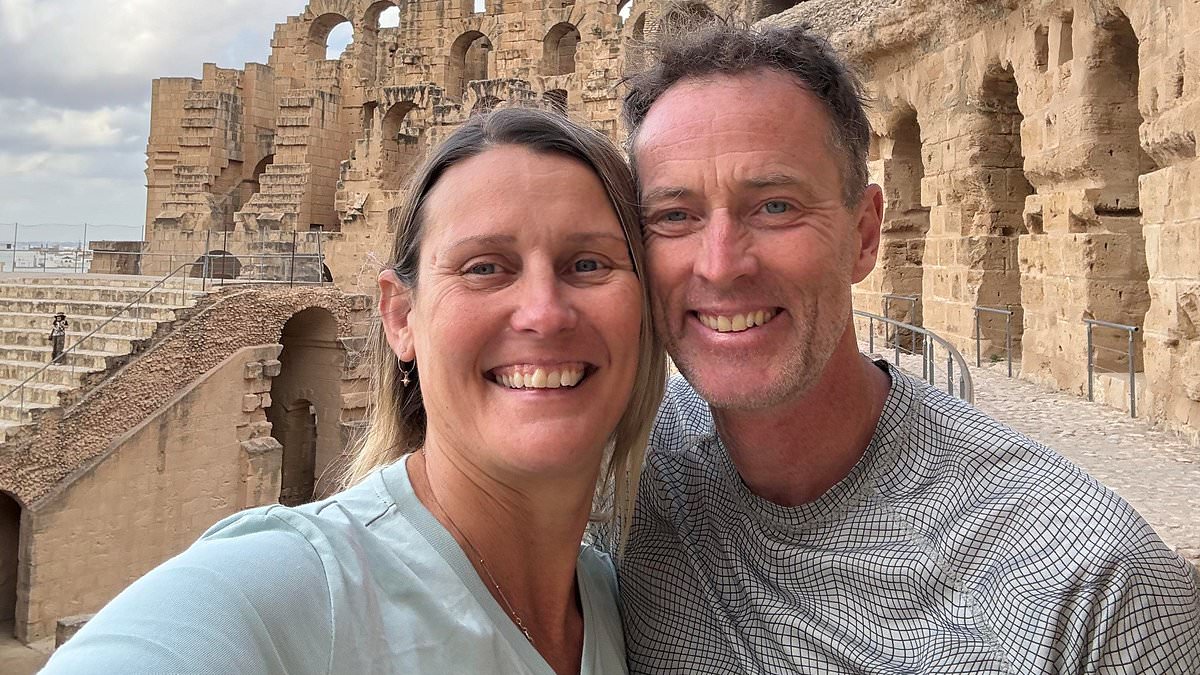
British mother jailed in Iran alongside her partner ‘for spying’ is struggling so much she will only get out of bed to take her son’s phone call, he says
British Mother and Partner in Iran’s Evin Prison Face Isolation as Son Campaigns for Their Release For many families, regular phone calls between parents and children are a routine part of life. But for Joe Bennett, these conversations represent a fragile connection to his mother, Lindsay Foreman, who is serving a 10-year sentence in Tehran’s notorious Evin Prison alongside her partner Craig. The couple, both 53 years old from East Sussex, were imprisoned on espionage charges against the UK and Israel, despite their insistence they never engaged in such activities. Struggles in confinement Joe has observed a significant decline in his mother’s mental state since her imprisonment. During their brief phone calls, which last between two to 20 minutes, she now only ventures out of bed to speak with him. The prison’s strict policies have even reduced their weekly spousal visits to once a month, a change Joe believes is a deliberate tactic to erode their resilience. ‘Every day that passes is another day that chips away at all that resilience they have built up,’ Joe explains, having dedicated his career to advocating for his family’s freedom. The couple was arrested on January 3, 2025, in Kerman, southern Iran, while embarking on a motorcycle trip around the world to Australia. Their journey, which began in November 2024, was meant to connect them from the UK to Armenia, Pakistan, and beyond. Despite holding valid Iranian visas, a local guide, and an approved travel plan, they were convicted of spying, a claim their legal team and the UK Government argue lacks solid foundation. Controversy and diplomatic pressure Joe, who left his tech sales job to focus on their rescue, emphasizes the psychological toll of their detention. ‘Some days they can’t speak and there’s just an inability to function. When your mum is telling you that she’s only getting out of bed to have phone calls, you are worried sick,’ he says. The family’s ordeal is seen as part of a broader strategy to use them as diplomatic pawns, with the couple even denied the chance to defend themselves in a recent court hearing. Conditions in Evin Prison are described as harsh, with overcrowding and poor facilities exacerbating their distress. Lindsay, a business coach, and Craig, a carpenter, have been held in separate wings, reminiscent of the treatment of British-Iranian activist Nazanin Zaghari-Ratcliffe. Joe fears their isolation is not just a result of the charges but also a calculated move to weaken their spirits. With tensions rising from US-Israeli missile attacks on Iran, the family’s plight has intensified. Joe is set to visit Washington D.C. this week, aiming to appeal to Donald Trump for their release, feeling his government has ‘let him down’ and failed to support his parents in their struggle for justice.
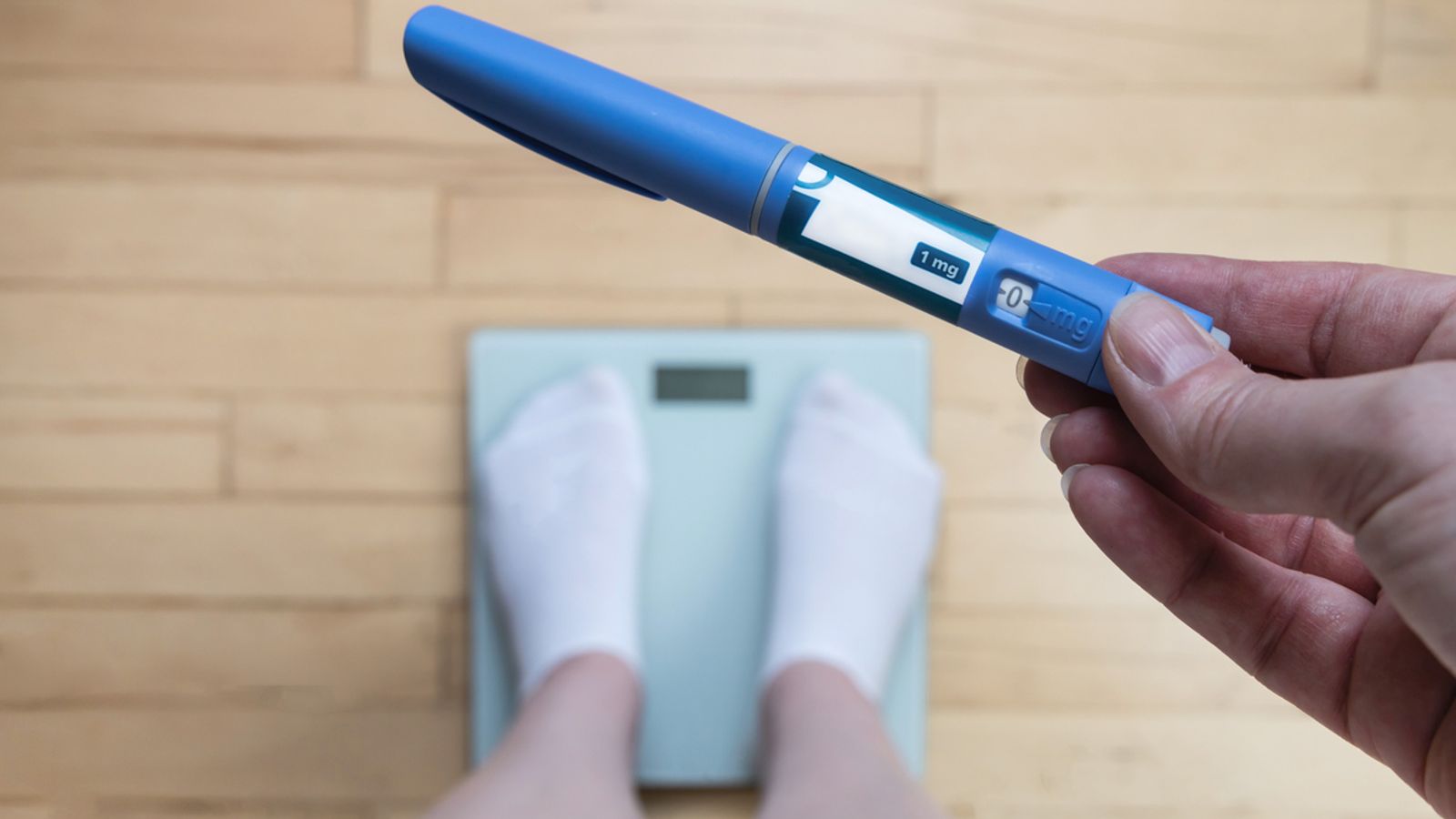
Stopping weight loss jabs can lead to rapid weight regain in one year, study suggests
Stopping Weight Loss Jabs Linked to Significant Weight Regain, Study Finds A recent study indicates that individuals who discontinue weight loss injections may experience substantial weight recovery within a year, according to new findings. Researchers from the University of Cambridge reported that, after 52 weeks without the medication, participants had regained 60% of the weight they initially lost. The research highlights a concern: if the majority of regained mass is fat, patients might end up in a less favorable condition than before starting treatment. Weight loss injections, classified as GLP-1 receptor agonists, function by mimicking the hormone GLP-1 to manage blood sugar and insulin levels. Initially developed for type 2 diabetes, certain variants like semaglutide (Wegovy) and tirzepatide (Mounjaro) are now approved for obesity management on the NHS. Broader Applications for Obesity Drugs Another study, analyzing over 600,000 US veterans with type 2 diabetes, suggests these injections could also address substance addiction. It found that individuals without prior addiction issues saw a 14% lower risk of developing disorders related to alcohol, cannabis, cocaine, nicotine, and opioids after using the drugs. Experts suggest that the mechanism behind GLP-1s’ effectiveness involves their impact on the brain’s reward pathways, which reduces cravings. This effect was observed in both preventing substance misuse and mitigating related emergencies in those already addicted. Weight Regain Patterns and Long-Term Impacts The Cambridge study, which encompassed six trials involving more than 3,200 people, was published in eClinicalMedicine. It underscores that “significant weight regain follows cessation” of the medication. However, the research noted that weight regain tends to stabilize, with 75% of the original loss recovered by 60 weeks, implying 25% could be maintained long-term. “Our projections show that even though people regain most of the weight they have lost, they still maintain some of the weight loss, but what we currently don’t know is if the same proportion of lean mass is recovered,” said Brajan Budini, a medical student at the School of Clinical Medicine and Trinity College, University of Cambridge. The team emphasized the need for additional studies to explore how these injections influence weight composition during and after treatment. Meanwhile, a separate US analysis, spanning three years, found that veterans on GLP-1s had reduced risks of substance-related issues, with notable decreases in opioid and nicotine dependencies. Although the US research primarily involved older men, similar results were observed in women, reinforcing the potential of these drugs across demographics. The findings, published in the British Medical Journal (BMJ), also revealed lower rates of hospitalizations, emergency visits, and mortality linked to substance use disorders among those receiving the treatment.

Iran’s strikes on Gulf energy sites rattle markets and raise recession fears
Iran’s Attacks on Gulf Energy Facilities Send Shockwaves Through Financial Markets One week after hostilities spread across the Middle East, Iran’s ongoing strikes on critical energy infrastructure in the Gulf have unsettled global markets and amplified worries about an economic downturn. The country had previously issued warnings about its readiness to retaliate against U.S.-led military actions, vowing to disrupt regional stability. Now, as the conflict intensifies, Tehran’s coordinated assaults on oil platforms, refineries, and liquefied natural gas (LNG) plants have escalated tensions. The latest wave of Iranian attacks targeted Azerbaijan, expanding the scope of operations into the Caucasus. Despite Tehran’s insistence that its actions are aimed at U.S. and Israeli interests, the strikes also hit key energy assets in the Gulf, which supply major global economies. The disruption of the Strait of Hormuz, a vital chokepoint for 20% of the world’s oil, further complicated matters. Over 200 vessels were reportedly stranded, according to Lloyd’s List, as Iranian drones and missiles struck critical shipping lanes. Qatar, a major player in the LNG market, halted production at its largest facility after Iranian drones targeted operational zones in Mesaieed and Ras Laffan Industrial City. This move sent ripples through energy trade, contributing to rising prices. Qatar’s output accounts for about 20% of global LNG supply, influencing demand in Asia and Europe. Meanwhile, Saudi Arabia’s largest oil refinery faced shutdowns, and Iraqi oil output as well as Israeli gas fields were also impacted. Dubai’s ports, among the world’s busiest, suffered damage too. On Friday, the UK Foreign Office noted that while Iran’s attacks have slowed in frequency, the focus has shifted toward economic and energy-related targets. In a Financial Times interview, Qatar’s Energy Minister Saad al-Kaabi warned that the war “could bring down the economies of the world.” He predicted that prolonged conflict would harm GDP growth globally, leading to higher energy costs, shortages, and a domino effect on manufacturing. “If this war continues for a few weeks, GDP growth around the world will be impacted. Everybody’s energy price is going to go higher. There will be shortages of some products and there will be a chain reaction of factories that cannot supply,” al-Kaabi stated. Dr. Yousef Alshammari, president of the London College of Energy Economics, emphasized that a prolonged blockade of the Strait of Hormuz could trigger a global recession. “As we move toward the summer, the risks of a global downturn may grow,” he said. “China, the largest consumer of Iranian oil, could apply political pressure, especially if energy prices surge by over 50% in Europe.” “And that is due mainly to the fact that we are in a period of low demand, and secondly, due to the fact that the global oil markets continue to be well supplied,” Alshammari added. Former U.S. ambassador to Azerbaijan, Matthew Bryza, questioned the strategic rationale behind Iran’s attacks on Azerbaijan. He noted the strikes on Turkey and Cyprus were also puzzling, suggesting they didn’t align with a rational military strategy. “Why would Iran strike Nakhchivan, a region with minimal strategic value, when it clearly wants to avoid drawing Azerbaijan into the war?” Bryza asked. “President Aliyev sent a plane and said, no, we’re not going to take any money for it. And then hours later, Iran attacked Azerbaijan. So, it makes no sense,” Bryza explained. Bryza argued that Tehran might be aiming to destabilize energy supply chains and raise prices to pressure U.S. President Donald Trump. Continued disruptions, he said, could harm Republican prospects in upcoming elections. The attacks, he concluded, seem more about sowing economic uncertainty than achieving a clear military objective.