
Solve Travel Language Barriers: 5 Simple Tips for Smooth Journeys Traveling to a new country can be an exciting and enriching experience, but language barriers often create stress and confusion. Whether you’re ordering food, asking for directions, or negotiating prices, the inability to communicate in the local language can hinder your ability to fully enjoy your trip. Fortunately, solve travel language barriers doesn’t have to be a daunting task. By implementing a few simple strategies, you can navigate foreign environments with confidence and ease. This article provides five practical tips to help you overcome language barriers and ensure a more seamless travel experience. Learn Basic Phrases Before Your Trip One of the most effective ways to solve travel language barriers is to learn a few essential phrases in the local language. Even if you don’t speak the language fluently, knowing simple words and sentences like “hello,” “thank you,” “where is the restroom?” or “how much does this cost?” can make a significant difference. Many travelers underestimate the power of basic communication, but it can help you build rapport with locals and avoid misunderstandings. Start by focusing on the phrases you’re most likely to use during your trip, and practice them before departure. This preparation not only boosts your confidence but also shows respect for the local culture. Use Translation Apps Effectively In today’s digital age, translation apps have become invaluable tools for solve travel language barriers. Apps like Google Translate, iTranslate, or Microsoft Translator can instantly translate spoken or written language, making it easier to understand menus, signs, and conversations. To use these apps effectively, download them before your trip and familiarize yourself with their features. Some apps allow you to speak into your phone or use text-to-speech functions, which are particularly helpful in situations where you can’t read or write the local language. However, it’s important to note that while these tools are convenient, they may not always be 100% accurate. Pairing them with a dictionary or phrasebook can enhance their reliability. Communicate with Body Language and Gestures When words fail, nonverbal communication can bridge the gap. Using body language and gestures can help you convey your needs even if you don’t speak the local language. For example, pointing to your mouth when asking for water, using hand signals for directions, or showing a smile to express friendliness can be universally understood. In some cultures, body language plays a crucial role in communication, so observing local customs is key. While gestures may vary slightly between regions, basic actions like nodding, waving, or showing your hands can be effective. Combining these techniques with translation apps can provide a more comprehensive solution for solve travel language barriers. Engage with Locals and Be Open to Learning Interacting with locals is one of the best ways to solve travel language barriers in real-time. Asking for help, whether it’s a simple question or a more complex one, often leads to positive interactions and mutual learning. Locals are usually happy to assist tourists and may even teach you a few words or phrases. This exchange not only improves your ability to communicate but also enriches your travel experience by creating personal connections. To encourage engagement, approach people with a friendly attitude and a willingness to learn. Even if your accent is off or your vocabulary is limited, your enthusiasm can make a lasting impression. Stay Calm and Patient When Communicating Language differences can sometimes lead to awkward or frustrating moments, but staying calm and patient is essential. When you encounter a language barrier, take a deep breath and avoid panicking. Breaking down sentences into shorter words or using simple explanations can help clarify your message. For instance, instead of saying “I would like to book a hotel near the train station,” you might start with “Where is the hotel?” and then add “near the train station” to narrow it down. Remember, small mistakes are normal, and locals will often appreciate your effort to communicate. Practicing patience also helps you avoid misunderstandings and maintain a positive attitude throughout your journey. Additional Resources and Tools Beyond basic phrases and apps, there are other tools and resources that can aid in solve travel language barriers. For example, carrying a printed phrasebook or using a pocket-sized dictionary can be useful in situations where digital devices aren’t available. Additionally, learning a few common words in the local language, such as numbers or days of the week, can help you navigate everyday tasks more easily. Some travel websites also offer language guides or audio resources that can be downloaded for offline use. By combining these resources, you can create a well-rounded strategy to solve travel language barriers and enhance your travel experience. Why Language Barriers Matter in Travel Language is more than just a tool for communication; it’s a gateway to understanding a new culture and building meaningful connections. When solve travel language barriers is achieved, it allows you to engage more deeply with the environment, ask questions, and even participate in local traditions. This can turn a routine trip into a memorable and enriching adventure. On the other hand, unresolved language barriers may lead to missed opportunities, confusion, or even inconvenience. For example, not knowing the word for “restaurant” might make it harder to find food, while misunderstanding a phrase could cause embarrassment or delays. Therefore, addressing language barriers is crucial for a smooth and enjoyable journey. Practical Examples for Everyday Scenarios Applying the tips to real-life situations can make them easier to remember and use. When entering a market, you might use a translation app to compare prices or ask about quality. At a train station, knowing how to ask for directions can help you avoid getting lost. In a restaurant, learning the phrase for “I’m allergic to…” ensures your dietary needs are understood. These practical examples demonstrate how small steps can lead to significant improvements in communication. By practicing these scenarios in advance, you can feel more prepared and reduce anxiety during actual travel. The key is
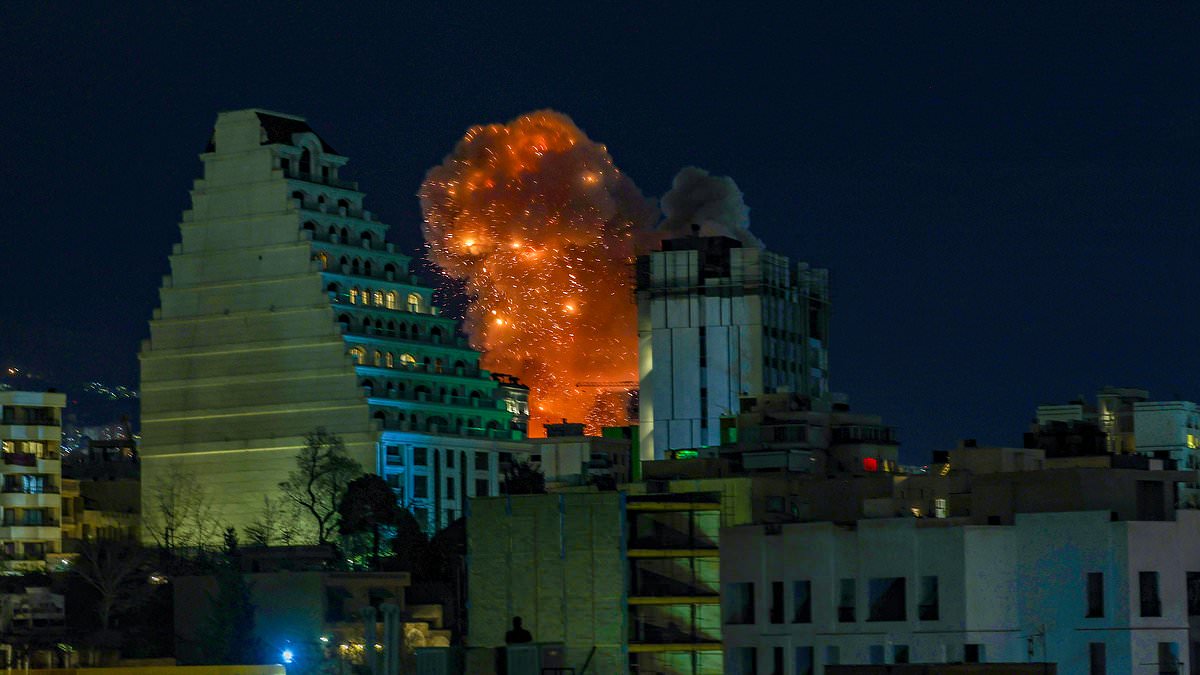
Flames engulf Iran after devastating US and Israeli strikes against regime’s oil depots as Trump warns ‘there won’t be anyone left to say surrender’
Flames engulf Iran after US and Israeli strikes on oil depots Tehran’s skies were bathed in an ominous red hue as US and Israeli forces launched coordinated attacks on key oil depots within the Iranian capital, escalating tensions in the Middle East. The assault, which occurred late last night, left large portions of the city smoldering and filled with a sharp, acrid odor. Residents described the scene as surreal, with towering plumes of orange fire lighting up the night, creating a stark contrast to the usual urban landscape. The strikes marked a significant escalation in the ongoing conflict, with both nations demonstrating a commitment to dismantle Iran’s military capabilities. The Israeli Defense Forces (IDF) confirmed the targeting of multiple fuel storage complexes in Tehran as part of a broader strategy to weaken the regime’s infrastructure. These attacks were part of a ‘major operation’ aimed at disrupting Iran’s ability to sustain its military efforts. “At some point, I don’t think there will be anybody left maybe to say ‘We surrender’,” said US President Donald Trump during a press briefing aboard Air Force One. His remarks underscored the potential for the conflict to reach a decisive phase, with the possibility of Iran’s leadership being eliminated or its military capacity crippled. Iran responded swiftly, launching a series of attacks on neighboring countries including Qatar, Saudi Arabia, and Dubai. While the strikes caused damage to two skyscrapers, a single fatality was reported due to shrapnel from an intercepted missile. The nation’s deputy defense minister reaffirmed Iran’s readiness to continue its defense efforts, stating that its stockpiles of bombs, drones, and missiles remain fully operational. Prime Minister Benjamin Netanyahu of Israel echoed Trump’s determination, vowing to persist in the war until the Iranian regime is eradicated. In a televised address, he emphasized Israel’s control over Tehran’s airspace, claiming that the nation’s military had achieved dominance after a week of relentless operations. “We will continue with all our force,” he declared, promising further strikes against Iran’s strategic assets. The National Iranian Oil Company confirmed that depots in Tehran and the Alborz province were among the targets hit by the aerial assaults. State media attributed the damage to a joint attack by the US and the “Zionist regime,” highlighting the strategic importance of these facilities for fueling the capital and surrounding regions. The IDF also targeted two missile production sites in Parchin and Shahrud, which are central to Iran’s development of ballistic weapons. On social media, the IDF highlighted the scale of its operations, stating that hundreds of Israeli Air Force fighter jets had struck Iran’s production industries over the past week. These strikes, according to military officials, were part of a systematic effort to cripple Iran’s ability to manufacture and deploy advanced weaponry. The conflict shows no signs of slowing down as both sides prepare for the next phase of hostilities.
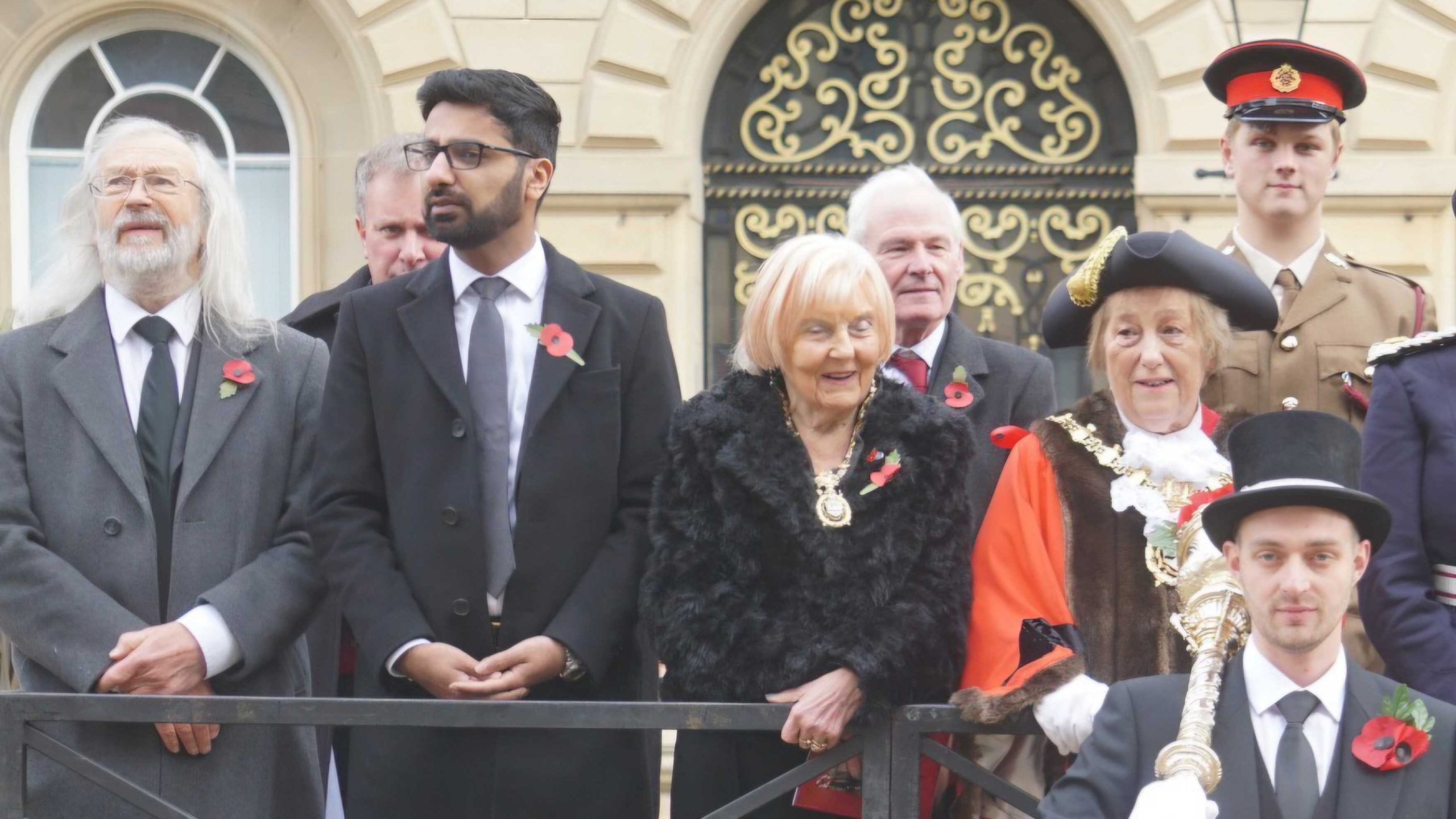
Exposed: The dirty campaign to paint Muslim MPs as anti-British
Exposed: The dirty campaign to paint Muslim MPs as anti-British In politics, certain words or phrases can swiftly gain traction, shaping narratives with surprising ease. A notable case in recent memory involves the term “weapons of mass destruction,” which became a central talking point during the 2003 Iraq invasion. While initially presented as a technical argument, its repeated use by leaders like George W. Bush and Tony Blair lent an air of authority to their claims, even as the reality proved otherwise. The media embraced this terminology, bolstering its credibility and normalizing the false assertion. By the time the invasion concluded, it was clear that the WMD narrative had been strategically weaponized to justify an unjustified war. This illustrates how political language can evolve to serve ideological purposes, often with little regard for factual consistency. Today, a similar pattern is emerging with the word “sectarian.” Though not new, its application has shifted from describing divisions in Northern Ireland to targeting British Muslim politicians. The Oxford English Dictionary defines sectarianism as a “narrow-minded adherence to a particular sect,” emphasizing conflicts between different groups. Synonyms such as bigot, separatist, or extremist now serve as tools to marginalize Muslim MPs in the public eye. Since the 2024 general election, the term has been central to a growing campaign portraying Muslim representatives as outsiders. This strategy was first seen in a parliamentary debate when Tory peer Lord Godson warned of “rising extremism” and “explicitly communalist appeals.” He argued that candidates had “ridden this sectarian tiger,” suggesting a threat to the UK’s political fabric. “Too many candidates in this month’s general election have sought to ride this sectarian tiger.” Following Godson’s lead, Tory politicians rapidly adopted the term. Robert Jenrick, a contender in the party’s leadership race, soon accused “sectarian gangs” of inciting disruption and violence. His rival, Kemi Badenoch, condemned MPs elected on “sectarian Islamist politics,” calling them “alien ideas with no place here.” “Sectarian MPs have polluted our politics.” Meanwhile, Nigel Farage of Reform UK warned against “sectarian politics,” framing Islamic influence as a cultural overtake. Journalists like Douglas Murray echoed these sentiments, suggesting that Enoch Powell, a famously racist Tory, would have been “deemed certifiable” if he had predicted the rise of Muslim voters in Birmingham. “If Powell had predicted… he would most likely have been deemed certifiable.” Murray further claimed that MPs such as Ayoub Khan were elected “solely because of their appeal to the sectarian Muslim vote,” highlighting their focus on Israel and Gaza. This coordinated effort aims to cast Muslim politicians as inherently divisive, reducing their role in democratic life to that of extremists or separatists. The campaign’s goal is clear: to position Muslim MPs as threats to British unity. By redefining “sectarian,” critics seek to label them as anti-British, echoing Margaret Thatcher’s phrase “enemy within” to stoke public fear. The result is a narrative that frames Muslim participation in politics as a destabilizing force, rather than a reflection of diverse voices in society.
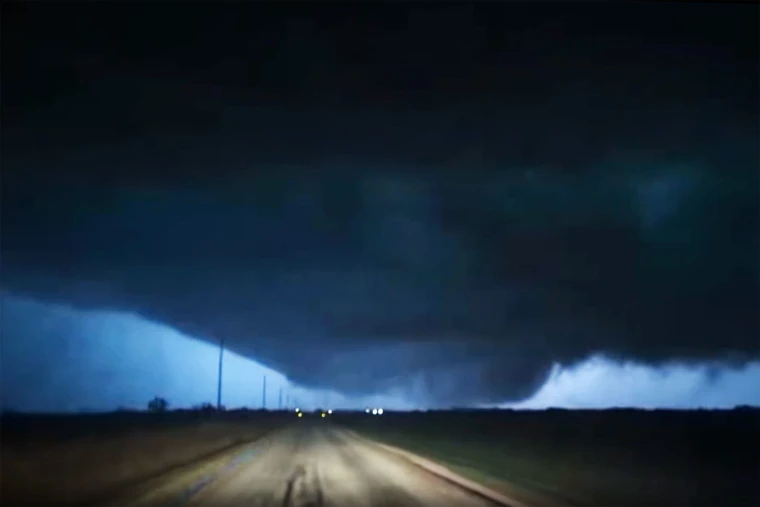
6 dead in apparent tornadoes in Michigan and Oklahoma
6 Dead in Tornado Outbreaks Across Michigan and Oklahoma Authorities confirmed at least six fatalities after unverified tornado activity struck Michigan and Oklahoma on Friday. The devastation included roofless buildings, debris scattered through the air, and uprooted trees in affected regions. Emergency officials activated the state’s Emergency Operations Center to address widespread damage and injuries reported across multiple southwest Michigan counties. Michigan: Damage and Warnings Branch County officials reported 12 injuries and three deaths following a tornado that hit the Union Lake area, approximately 125 miles west of Detroit. In Cass County, about 170 miles from Detroit, Sheriff Clint Roach confirmed one fatality and multiple injuries. Residents in St. Joseph County, near the Indiana border, were urged to seek shelter immediately after reports of an unconfirmed tornado and severe thunderstorm conditions. “Citizens should anticipate power outages, closed roadways, and cellular/internet interruptions,” the sheriff’s office stated on Facebook. Oklahoma: Tragic Losses In Okmulgee County, a suspected tornado claimed two lives from the same family, according to Sheriff Eddy Rice. Meanwhile, on Thursday, a 47-year-old woman and her 13-year-old daughter from Fairview were found dead in a vehicle near a highway intersection, with officials labeling the crash as tornado-related. “Severe weather struck Major County last night and tragically claimed the lives of a mother and daughter,” Oklahoma Governor Kevin Stitt said in a statement. Witness Accounts and Storm Activity Lisa Piper, a resident near Union City, captured footage of a rotating column of air tearing through buildings across the lake from her home. “It’s lifting houses,” she said as the tornado grew in intensity. Similar scenes were documented in western Oklahoma, where a first responder drove toward a storm, illuminated by lightning, showing a massive funnel reaching the ground. “Oh my God,” Piper repeatedly exclaimed in the video. “Oh, I hope they’re OK.” Broader Weather Impact Severe thunderstorms developed Friday afternoon in Michigan, extending to North Texas. While no confirmed tornadoes were reported, numerous videos showed violent rotating columns of air in the Midwest. The National Weather Service in Norman, Oklahoma, planned to investigate Thursday night’s storms to determine if they were tornadoes. “As of right now, we’re still investigating that,” meteorologist Ryan Bunker noted. Regional Risk and Forecast The Storm Prediction Center highlighted that over 7 million Americans faced the highest risk of severe weather Friday, including areas around Kansas City, Missouri; Tulsa, Oklahoma; and Omaha, Nebraska. A larger zone of 25 million people, encompassing Dallas and Milwaukee, was at a lower risk. Forecasters warned of scattered thunderstorms and potential tornadoes in the eastern portions of Oklahoma, Kansas, and Nebraska, as well as western Arkansas and southern Iowa. “This setup involves a clash between warm Gulf air and cool Canadian air,” meteorologists explained, detailing the storm’s formation.

Open University reverses UKLFI-influenced ‘ancient Palestine’ ban
Open University Lifts ‘Ancient Palestine’ Ban After UKLFI Pressure The Open University (OU) has seemingly rescinded a pledge it once made to the pro-Israel lobby group UK Lawyers for Israel (UKLFI) regarding the use of the term “ancient Palestine,” as highlighted by Novara Media. This decision follows a complaint from UKLFI, which had previously pushed for the exclusion of the term to avoid creating a “hostile or offensive learning environment for Jewish and Israeli students.” In November 2025, UKLFI sent a letter to the OU, asserting that the term “ancient Palestine” was not historically accurate for the region until over a century after the Virgin Mary’s lifetime. The group argued that the name “Syria Palaestina” was introduced by Roman Emperor Hadrian, and claimed the OU’s use of “ancient Palestine” in a humanities module violated the Equality Act. The module described the Virgin Mary’s birthplace as “ancient Palestine” and included a map with the same label. Adrienne Scullion, the OU’s head of the faculty of arts and social sciences, responded on 18 December, acknowledging that the term had become “problematic” in recent times. She stated, “We will not use the term again in future learning materials, and we will explain and contextualise its use in existing materials for current learners.” Meanwhile, the Index of Repression, produced by the European Legal Support Centre and Forensic Architecture, classified UKLFI as a key actor in campaigns against Palestinian solidarity. Following UKLFI’s publicisation of the OU’s reversal, over 600 academics and public figures signed an open letter earlier this year, urging an “urgent public retraction” of the OU’s commitments to UKLFI. “These commitments risk undermining the OU’s statutory duties under the Higher Education (Freedom of Speech) Act 2023. They also expose staff to harassment and enable the spread of disinformation,” the letter claimed. The signatories included prominent historians such as Ilan Pappe and Avi Shlaim, alongside Palestinian scholars Rashid Khalidi and Nur Masalha. The letter was supported by the OU’s University and College Union branch. However, the university’s reversal has sparked debate, with an unnamed staff member noting a “clear contradiction” between the current statement and prior promises to UKLFI. The OU’s statement, according to the staff member, “does not constitute a reasonable interpretation of the letter from 18 December.” This comes after a similar controversy involving the British Museum, which removed the term Palestine from exhibits on ancient Egypt and the Phoenicians. UKLFI had attributed this change to a complaint they had submitted, though the museum denied any direct link. Novara Media reported that an OU spokesperson clarified academics can “freely use the term ‘ancient Palestine’ where scholarly appropriate” without a mandatory contextual note. The spokesperson added the original commitment applied to a single unit of work, now “scheduled for replacement.” Nonetheless, critics argue the statement undermines the university’s earlier concessions to UKLFI. Other institutions have also faced pressure from UKLFI. Recently, it was revealed that Encyclopaedia Britannica had revised several entries in its Britannica Kids section, removing the term from regional maps after UKLFI’s influence. This trend continues to raise concerns about the impact of the group’s advocacy on academic discourse.

Aliyev vows attacks on Azerbaijan ‘will face our Iron Fist’ after Iran drone strike
Aliyev Threatens Iron-Fisted Retaliation Following Iran Drone Strike Azerbaijan’s President Ilham Aliyev has ordered the military to reach “maximum operational preparedness” in response to an Iranian drone attack that struck a passenger terminal at Nakhchivan International Airport and a rural school, leaving four civilians injured. The move came during a Thursday session of the Security Council, where Aliyev emphasized the need for Iran to take responsibility for the incident. The president called for “those responsible for this act of terrorism” to face legal consequences, asserting that the attack was not a one-off event. He hinted at a broader pattern of Iranian aggression, citing past incidents he claimed were orchestrated against Azerbaijani interests. This stance mirrors his handling of the Azerbaijan Airlines Flight 8243 crash in December 2024, where he openly blamed Russia for the downing of the plane. Escalating Tensions and Strategic Moves Hours after the Security Council meeting, Azerbaijan suspended border traffic with Iran, signaling a shift in diplomatic relations. Aliyev also reiterated that the nation would not engage in attacks against Iran, despite the recent incidents. His remarks highlighted the deepening rift between the two countries, particularly over the Azerbaijani diaspora in Iran and Azerbaijan’s alliance with Israel. “Thursday morning, the deputy foreign minister of Iran contacted Baku and requested Azerbaijan’s help in evacuating embassy staff stranded in Lebanon due to financial constraints. I promptly arranged for their assistance and dispatched an aircraft. They even offered to cover the costs,” Aliyev stated. “Yet, in return, they struck Nakhchivan with such treachery, leaving a stain that will never fade from their reputation.” Turkey, Azerbaijan’s key regional ally, swiftly denounced the drone strikes, with a government statement affirming its unwavering support for Baku. The incident has intensified scrutiny of Iran’s actions, as Azerbaijan prepares to respond with decisive force. The country’s military posture now reflects a readiness to counter perceived threats with a “firm hand,” as Aliyev described in his address.

How to Choose the Perfect Beach Destination: A Traveler’s Guide to Finding Your
The perfect beach destination depends on your priorities, whether it’s relaxation, adventure, or cultural immersion. Choosing the ideal spot requires balancing personal preferences with practical considerations like location, season, and budget. This how to choose the perfect beach destination guide will help you navigate through key factors to find the beach that aligns with your travel goals. From determining your ideal climate to evaluating local activities, we’ll break down the steps to make an informed decision. Whether you’re seeking a serene escape or an adrenaline-packed getaway, this article provides actionable insights to help you plan the trip of a lifetime. Determine Your Priorities and Preferences Before embarking on your search, clarify what you value most in a beach vacation. Are you looking for a peaceful retreat to unwind, or do you prefer a lively destination with vibrant nightlife and entertainment? Your answer will shape the type of how to choose the perfect beach destination you’re after. For example, if you prioritize relaxation, a secluded beach with minimal crowds might be ideal. On the other hand, if you enjoy socializing, a bustling coastal town with restaurants and bars would suit better. Consider your interests in activities—whether you want to snorkel, surf, or simply sunbathe—to narrow down your options. This step ensures you focus on the destination that meets your specific needs, avoiding the stress of visiting a place that doesn’t resonate with you. Evaluate the Climate and Seasonal Factors The weather plays a crucial role in shaping your beach experience. If you’re planning a tropical getaway, opt for destinations with warm temperatures year-round, such as the Maldives or Seychelles. However, if you’re drawn to colder climates, places like the Norwegian fjords or coastal areas of New Zealand offer unique experiences. When how to choose the perfect beach destination, take into account the seasonal conditions—some beaches are best visited during spring for pleasant temperatures, while others thrive in summer with vibrant energy. Additionally, check for weather patterns like rain or strong winds, which could affect your plans. For instance, hurricane season in the Caribbean might limit outdoor activities, while winter storms in the Pacific Northwest could turn a scenic beach into a less appealing spot. Aligning your trip with the optimal season ensures comfort and enjoyment. Assess the Location and Accessibility A destination’s location and accessibility can significantly impact your trip’s feasibility. Consider how far you’re willing to travel, as proximity to major cities or airports may influence your overall experience. Beaches near urban centers often offer convenience but may come with higher crowds and noise, while remote islands provide tranquility at the cost of longer travel times. When how to choose the perfect beach destination, think about transportation options—whether you prefer flying, taking a ferry, or driving. For example, a beach in Florida is easy to reach by air, but a secluded spot in Hawaii might require a longer flight. Also, evaluate the surrounding landscape. Are you looking for a beach adjacent to mountains, forests, or cultural landmarks? A destination like Bali offers a mix of beaches and cultural sites, while a place like the Canary Islands is ideal for those seeking natural beauty and easy access. Research Local Activities and Attractions A beach destination’s appeal often extends beyond the shoreline. Explore what activities are available to ensure your trip stays engaging. Water sports enthusiasts might prioritize places with excellent snorkeling spots, such as the Great Barrier Reef or the beaches of Tenerife. History buffs, meanwhile, may prefer destinations like Sicily or the Greek islands, where ancient ruins and museums are nearby. When how to choose the perfect beach destination, consider the availability of day trips, excursions, or unique experiences. For example, a beach in Thailand offers both relaxation and adventure, from elephant rides to island-hopping tours. Don’t forget to check for events or festivals that align with your travel dates—places like Rio de Janeiro or the Maldives host vibrant celebrations that can enhance your visit. Compare Budgets and Accommodation Options Cost is a vital factor when selecting a beach destination. Some places, like the beaches of Mexico or Thailand, offer affordable stays and meals, while others, such as the Maldives or the French Riviera, come with a higher price tag. When how to choose the perfect beach destination, create a budget that includes lodging, food, transportation, and activities. Research accommodation options—whether you prefer budget-friendly hostels, mid-range hotels, or luxury resorts—to find the best fit. Additionally, consider dining costs, as beach towns may have higher prices for local cuisine or premium seafood. For example, a beach in Greece might be affordable but require travel to nearby cities for more upscale experiences, while a destination like Bali offers a range of options from budget-friendly guesthouses to high-end villas. This ensures you enjoy your trip without financial strain. Check for Safety and Environmental Factors Safety is an often-overlooked but critical aspect of any beach vacation. Research crime rates, weather-related risks, and natural hazards like strong currents or high UV exposure. For instance, a destination like the Bahamas is known for its safety and clear waters, while others might have seasonal risks like hurricanes or monsoons. When how to choose the perfect beach destination, also consider environmental sustainability—some beaches are prone to erosion or pollution, which can affect your experience. Look for eco-friendly resorts or destinations with conservation efforts to minimize your environmental impact. Additionally, check for health and safety guidelines, especially if you’re traveling with children or during peak season. A well-informed choice can prevent unexpected challenges and ensure a worry-free trip. Read Reviews and Seek Recommendations Gathering insights from others can help you avoid common pitfalls. Read travel blogs, forum reviews, and social media posts to learn about real experiences and hidden gems. For example, a beach in Indonesia might be praised for its untouched beauty, while a popular spot in the Caribbean could be recommended for its vibrant nightlife. When how to choose the perfect beach destination, consider both pros and cons to get a balanced view. Ask friends or
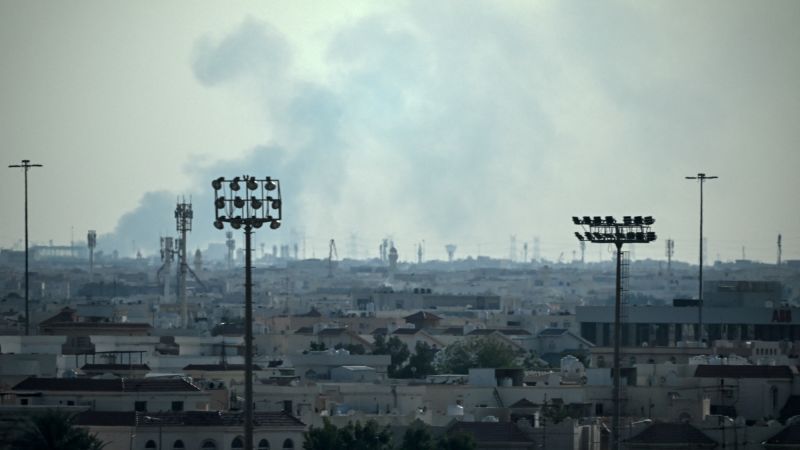
Exclusive: Iranian bombers were ‘two minutes’ from striking US air base before Qatari planes shot them down
Exclusive: Iranian bombers were ‘two minutes’ from striking US air base before Qatari planes shot them down Two sources familiar with the operation revealed to CNN that Iranian bombers narrowly avoided hitting the primary military hub for US troops in the Middle East before Qatari aircraft intercepted them. The event marks the first instance of Qatari planes engaging in aerial combat, according to the sources. On Monday morning, the Iranian Revolutionary Guard sent two Soviet-era Su-24 bombers toward al-Udeid Air Base, home to approximately 10,000 US service members, and Ras Laffan, a vital natural gas processing site that underpins Qatar’s economic foundation. One source claimed the jets were just minutes away from their objectives. The second source confirmed the planes were visually spotted and documented with bombs and guided weapons. Qatar issued a radio warning, but the bombers did not alter course. They had descended to 80 feet to bypass radar detection, the source noted. Due to urgent circumstances and the evidence at hand, the aircraft were deemed hostile, the source added. First aerial engagement since Khamenei’s death Qatar’s F-15 fighters engaged the Iranian jets in a high-stakes aerial encounter before bringing them down. The bombers crashed into Qatar’s territorial waters, and a search is ongoing for the crew members. This bold move by Iran, which targeted a neighboring country for the first time since Supreme Leader Ali Khamenei’s assassination, highlights a shift in their strategy. US Gen. Dan Caine, Joint Chiefs of Staff chairman, acknowledged the incident during a Pentagon briefing but did not disclose the bombers’ intended target. “Qatari fighters for the first time have shot down two Iranian bombers on route to their location,” he stated. “Rather, it seeks to inflict harm on its neighbors and drag them into a war that is not theirs,” Qatari Prime Minister Mohammed bin Abdulrahman Al Thani remarked during a Wednesday call with Iranian Foreign Minister Abbas Araghchi. The incident was described as “escalatory” and signaled a lack of Iran’s commitment to deescalation, according to a summary of the conversation. The operation over Qatar stands out as unusual. Typically, Iran’s retaliation has focused on missiles and drones. However, since the US and Israeli strikes, the Iranian regime has launched over 400 ballistic missiles and more than 1,000 drones at Gulf Arab nations, as reported by regional governments. Iran’s attacks have targeted urban areas, energy infrastructure, airports, and hotels, unsettling populations accustomed to stability. Despite most projectiles being intercepted, six US service members lost their lives when an Iranian missile struck a temporary operations center at Kuwait’s Shuaiba port on Sunday.

Wettest winter on record for parts of the UK, says Met Office
Wettest Winter on Record for Parts of the UK, Says Met Office According to preliminary data from the Met Office, parts of the UK endured its wettest winter on record. The figures reveal that certain regions, including Cornwall, Leicestershire, and the West Midlands, faced their most rainfall-laden winter since records began in 1836. Dorset and Warwickshire recorded their second-wettest winter, while southern England overall ranked fourth in terms of rainfall totals. The UK’s total rainfall for the winter exceeded the long-term average by 13%, yet it remained beneath the all-time high of 539.9mm set in 2014. “Substantial regional variations” were noted, with excessive precipitation being especially notable in southern and central England, the Met Office stated. In England, there was a stark contrast between northern and southern regions, with the north recording 17% more rain than average and the south seeing a 58% surge. Northern Ireland saw a 27% increase in rainfall, while Wales recorded a 20% rise compared to historical averages. Three named storms—Goretti, Ingrid, and Chandra—struck during January, delivering torrential rain that triggered flooding and disrupted travel across numerous areas. February brought some of the lowest sunshine readings on record for all four UK nations, even as “exceptionally mild conditions” prevailed. “The dullest Februarys” were due to the persistent dominance of Atlantic systems bringing clouds and minimal high-pressure activity,” the Met Office explained. Despite the winter’s “heavily influenced by natural variability and atmospheric patterns,” climate change continues to offer “important context,” as a warmer atmosphere retains more moisture, leading to heavier and more intense rainfall. Feel the heat of the frontline with Alex Crawford, Stuart Ramsay, and their teams as they take you to some of the world’s Hotspots. Read more from Sky News: Will cost of petrol rise due to Middle East conflict? Drones intercepted heading to Cyprus.

How to stay strong as you age without injuring yourself
How to Maintain Strength Without Risk as You Age Dana Santas, affectionately dubbed the “Mobility Maker,” is a certified strength and conditioning expert and mind-body coach in professional sports. She also penned the book “Practical Solutions for Back Pain Relief.” For those in midlife or beyond, the same guidance often repeats: weightlifting is key to staying strong, safeguarding bones, and enhancing metabolic health. Yet many seniors face hesitancy, fearing potential harm. Concerns like joint strain or exacerbating existing discomfort can deter them from starting. Despite this, strength training remains one of the most effective tools for aging gracefully. Starting Smart: A Thoughtful Approach While age-related injuries are valid worries, building strength doesn’t demand reckless abandon. By aligning your workouts with your current fitness and pain-free movement capabilities, resistance exercises can work in harmony with your body rather than against it. Even light training can counteract age-related physical decline, offering a sustainable path to resilience. The Safe Beginning: Body Weight as a Foundation Contrary to popular belief, weightlifting isn’t the only route to strength. Body weight, resistance bands, and other tools can also build power when used correctly. However, body-weight exercises are often the wisest starting point, especially for older adults. They allow gradual adaptation, helping you understand joint mechanics and identify limitations. If a movement feels unstable or uncomfortable, it signals where adjustments are needed to prevent harm. Mobility Challenges: A Hidden Culprit Restricted mobility frequently leads to strain or injury during strength training. Limited range of motion forces the body to compensate, shifting stress to areas less equipped to handle it. Common issues include tight hips straining the lower back and reduced upper-back flexibility complicating overhead movements. For instance, tight hip flexors can hinder daily activities, but a simple exercise may restore function quickly. Tight hip flexors? This simple move restores mobility in minutes. Functional Movements: The Path to Safety Before adding external resistance, focus on foundational movements that mirror everyday tasks. These include squatting, bending, stepping, pushing, pulling, and core stabilization—essential for actions like sitting, lifting, or balancing. Core engagement isn’t about hollowing the abdomen; it’s about activating deep muscles to support posture and stability. Begin with beginner-friendly options to build confidence and strength safely. Consult your physician before beginning any exercise program. Prioritizing pain-free, functional motions ensures your body adapts effectively, reducing injury risk and promoting long-term health. By starting with body weight, you lay the groundwork for a stronger, injury-resistant future.
