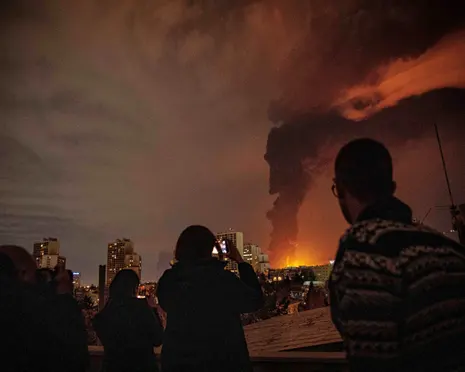
Europe rebukes US for temporarily lifting sanctions on Russian oil European nations have expressed disapproval of Donald Trump’s recent decision to ease some US sanctions on Russian oil, citing Iran’s blockade of the strait of Hormuz as a backdrop. The UK, Germany, France, and Norway collectively opposed the move, arguing that the international community should sustain pressure on Moscow regarding its war in Ukraine. Yvette Cooper, the UK’s foreign secretary, condemned the action as an effort by Russia and Iran to “hijack the global economy,” according to her remarks. German chancellor criticizes US move Friedrich Merz, Germany’s chancellor, called Washington’s temporary waiver of sanctions on Russian oil stranded at sea “wrong,” emphasizing that Russia has shown no readiness to negotiate. “We will therefore, and must, further increase the pressure on Moscow,” he stated, reaffirming commitment to Ukraine despite the Middle East conflict. Merz also noted that the war with Iran would not divert focus from supporting Ukraine. Regional conflict impacts global oil supplies The decision followed escalating US and Israeli airstrikes on Iran and Lebanon, intensifying a regional crisis that has disrupted oil flows. The strait of Hormuz, a critical trade route, has been nearly closed by the conflict, with roughly 20% of the world’s oil and gas tankers passing through it. This has raised concerns about global energy stability and price surges. Trump acknowledges Russia’s support for Iran In a Fox Radio interview, Trump admitted for the first time that Russia had aided Iran during the conflict. “Putin might be helping a little bit, yeah, I guess,” he said, suggesting Russia believed the US was also supporting Ukraine. This aligns with reports that Russia provided targeting data to Iran for attacks on American forces. Macron and G7 leaders weigh economic consequences French President Emmanuel Macron, after consultations with other G7 leaders, stated that the paralysis of Hormuz “in no way” justified easing Russian sanctions. Moscow, however, argued that the US was “effectively acknowledging the obvious” by lifting restrictions, as its economic envoy, Kirill Dmitriev, claimed the move would stabilize global markets. Ukraine voices concern over Middle East war Ukraine’s president, Volodymyr Zelenskyy, expressed that the Gulf conflict was “not good for Ukraine,” despite global attention shifting to the Middle East. “There is nothing good for Ukraine in the war in the Middle East,” he remarked during a speech to students in Paris, highlighting the economic strain on his nation. India becomes key player in Russian oil trade Trump’s administration allowed Indian refiners to temporarily purchase Russian oil for 30 days, a move that analysts say benefits the Kremlin financially. Lloyd’s List reported that tankers carrying Russian oil were being redirected to India following the sanctions waiver. This contrasts with Trump’s earlier claim that India had agreed to halt such purchases, which he believed would help “end the war” in Ukraine. Brent crude, the global oil benchmark, remained above $100 a barrel during early Friday trading, despite the US effort to alleviate economic fears. While the Trump administration has pledged to protect vessels in Hormuz, the strait’s activity has not yet rebounded. The Iranian regime declared it would not permit any oil exports from the region as long as US and Israeli attacks persist. Broader economic implications The International Energy Agency, the world’s energy watchdog, had already highlighted the risks of the Middle East conflict to global markets. With the war entering its third week, tensions continue to mount, leaving allies confused by Trump’s unpredictable geopolitical strategies. His rejection of Ukraine’s offer to counter Iranian drones has further complicated the situation.
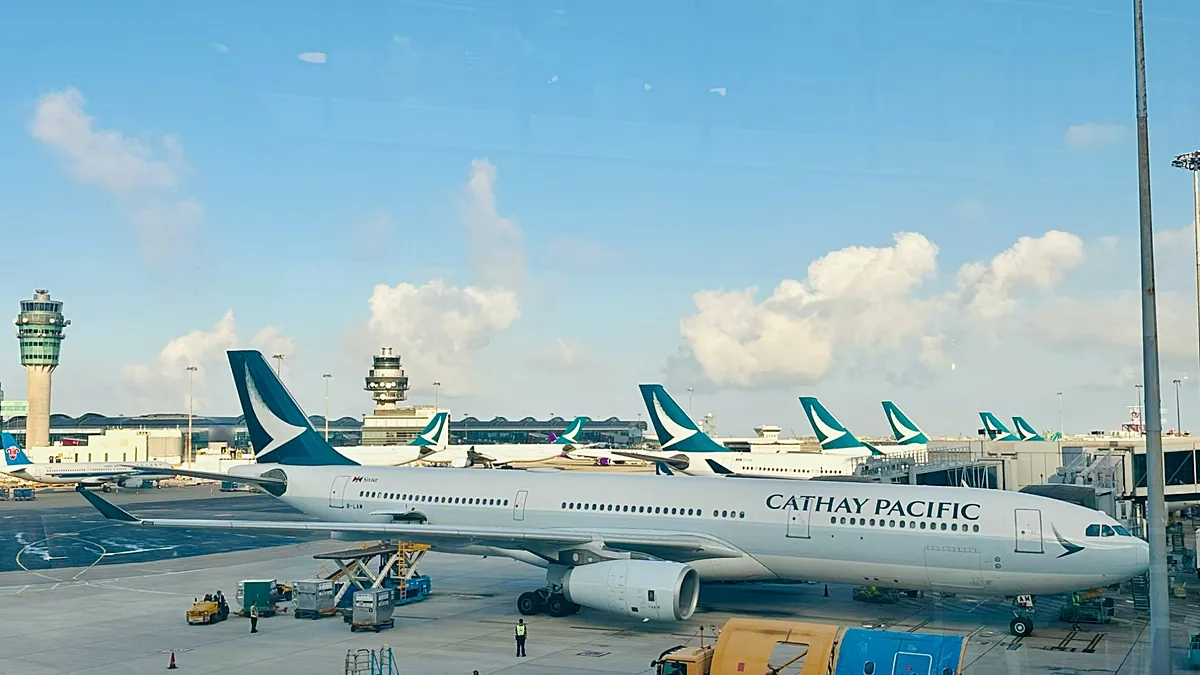
More airlines increase airfares as Iran war drives jet fuel price spikes
More Airlines Raise Fares Amid Rising Jet Fuel Costs Linked to Iran Conflict Global Travelers Bear Brunt of Fuel Price Surge Passengers are encountering higher ticket prices and fewer flight options as tensions in the Middle East escalate. The ongoing conflict has led to a sharp increase in oil prices, directly affecting the cost of jet fuel. Experts suggest that even if the war slows, elevated fares may persist for several months. Demand for routes that bypass the Middle East and Gulf regions has also intensified, contributing to the upward trend in air travel expenses. Industry Responses to Fuel Hike Several carriers, including Cathay Pacific, AirAsia, and Thai Airways, have implemented fare adjustments to manage rising operational costs. During a media briefing on Wednesday, Ronald Lam, Cathay Pacific’s CEO, noted that fuel prices this month are twice the average of the prior two months. The airline has updated its fuel surcharges, effective from 18 March, to reflect the surge in costs. “The cost of fuel so far this month is double the average of the previous two months,” said Ronald Lam, Cathay Pacific’s chief executive. AirAsia announced temporary fare increases on Thursday, with plans to revisit pricing as market conditions evolve. Thai Airways anticipates a 10% to 15% rise in airfares, while Qantas has adjusted prices across different routes. Scandinavian Airlines (SAS) introduced a “temporary price adjustment,” and Air New Zealand raised economy fares by NZ$10, NZ$20, and NZ$90 on domestic, short-haul, and long-haul flights respectively. Flight Schedules Under Pressure Disruptions in regional air services have led to schedule reductions and route realignments. Air New Zealand has cut services by 5%, canceling around 1,100 flights between March 16 and May 3, which will affect approximately 44,000 passengers. Other carriers, such as Finnair, ITA Airways, KLM, and Lufthansa Group, have suspended flights to Middle Eastern destinations, extending cancellations to April and September. Wizz Air has halted Israel-bound flights until March 29 and paused services to Dubai, Abu Dhabi, Amman, and Jeddah from Europe. Non-European airlines like Delta, Cathay Pacific, and Air Canada have also modified their timetables. These changes are shifting demand toward alternative routes, further inflating costs for travelers seeking to avoid the region. Cathay Pacific recently drew attention for offering business class return trips from Sydney to London at A$39,577 (€24,142) in April, highlighting the extent of price adjustments amid the crisis.
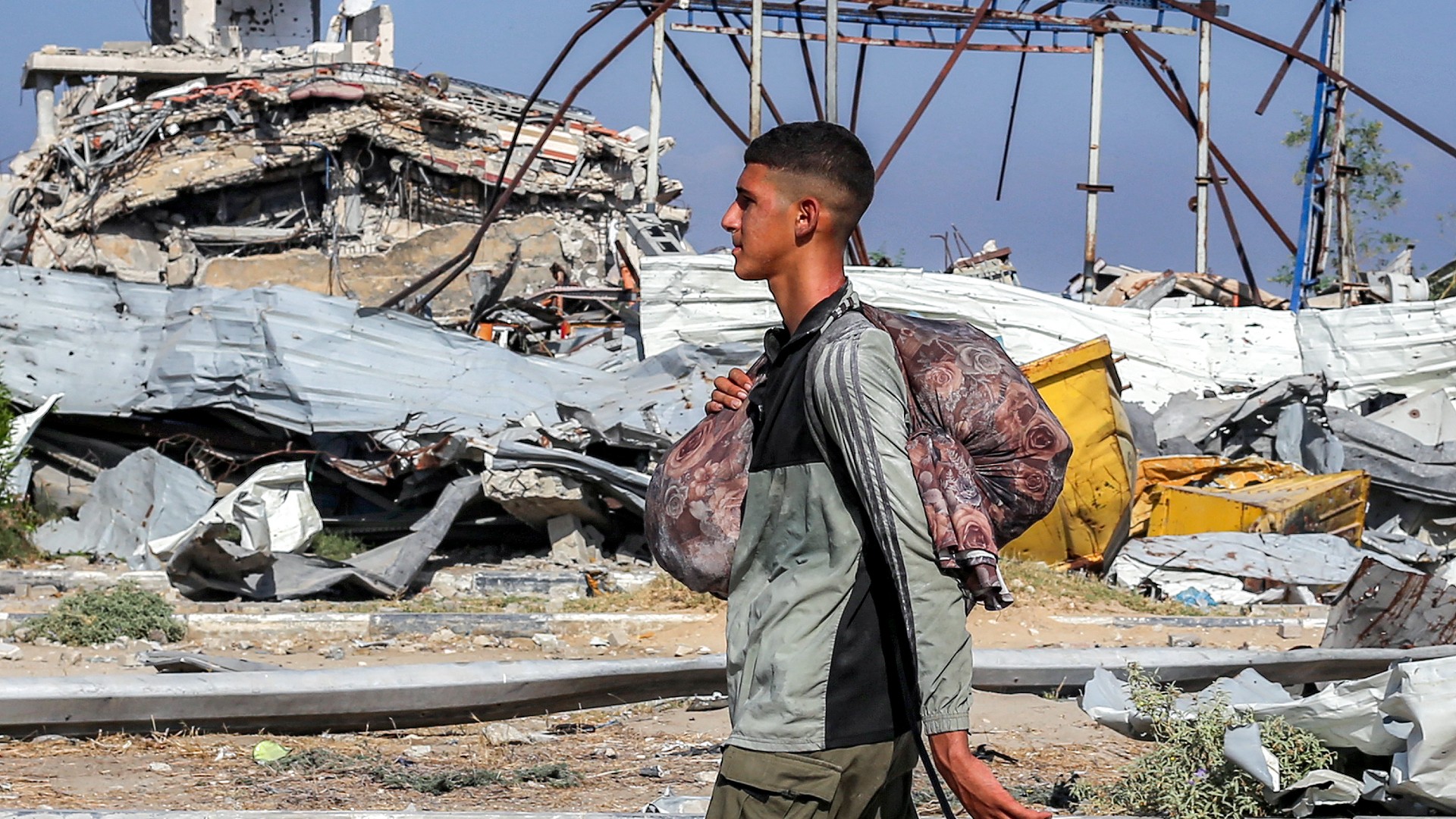
I left Gaza with guilt, sorrow and tears for the son Israel took from me
I left Gaza with guilt, sorrow and tears for the son Israel took from me Surviving 690 days of relentless violence, terror, and starvation in Gaza felt like a miracle. Yet, for a Palestinian mother, it came at an unbearable cost. Since October 7, 2023, countless families in Gaza have been stripped of their possessions, their dignity, and their hope. Among them is the author, whose life was irrevocably altered when an Israeli airstrike obliterated their home in Rafah. Weeks into the war, their eldest son Abdullah, just thirteen years old, perished in a strike that leveled their family home in Rafah. The attack left the author injured, their younger children displaced, and several relatives lost. The devastation was swift and merciless, wiping out a world in an instant. As the conflict raged on, the author’s surviving children were sent abroad. Months later, the Israeli military razed the residential complex housing their apartment, along with the homes of relatives and the entire city. Shelter, safety, and the remnants of normalcy vanished, leaving only despair. Two years into the ordeal, a chance encounter in the Netherlands opened a path to escape. A friend secured a writing position at De Correspondent, and the process unfolded with bureaucratic precision: permits were arranged, authorities were petitioned, and within weeks, the author received permission to leave. But the journey to freedom was fraught with uncertainty. The Dutch embassy set the departure date for August 27, 2025. Restrictions were imposed on belongings—clothes beyond what was worn, books, electronics, even a phone charger were barred. The author, having lost nearly everything, chose to leave their few possessions behind, distributing them to siblings and relatives. It felt wrong to carry memories when others had nothing left. What lingered was the grief of Abdullah, whose personal effects were reduced to ashes. The author had preserved his clothes and toys in a room, a sanctuary of remembrance, until the Israeli forces demolished the building. Only two items survived: his Quran and a comb, both saved by being stored outside the flat. On the eve of departure, the author met only their father. A normal farewell was exchanged, but the silence afterward carried the weight of an unspoken farewell. The night before, the sky buzzed with drones, and the trio—along with Hazem and his wife Amal—traveled in darkness, guided by hope. Gaza’s two-year blackout only heightened the challenge of navigating the perilous route to Deir al-Balah. At 2:30 a.m., the group arrived at the gathering point. After an hour of waiting, their names were verified, and they boarded a bus. Among the 130 passengers were students, reunited families, and individuals with work visas—all granted passage by European embassies. The author’s departure marked not an end, but a fragile beginning in a new land, carrying only the remnants of a life shattered by war.
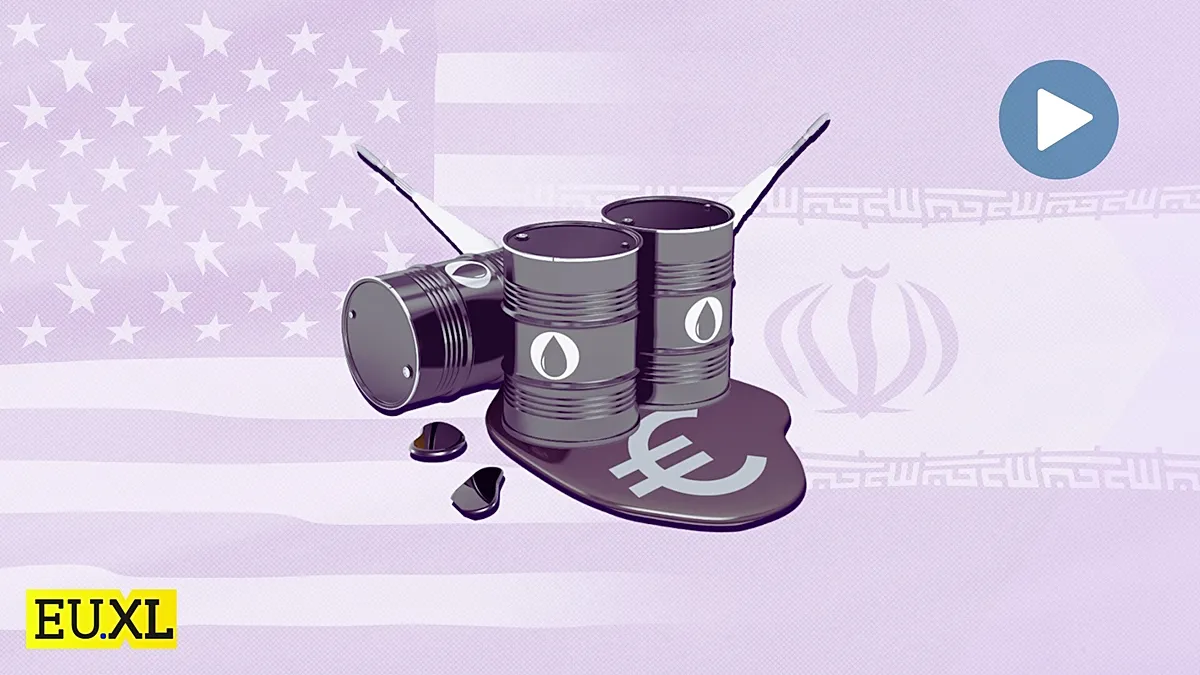
How the EU protects citizens and the economy in times of war and crisis
How the EU protects citizens and the economy in times of war and crisis Amid intensifying tensions between Israel, the US, and Iran, the European Union has activated emergency protocols to safeguard its people and economic stability. The conflict’s global reach has prompted swift action, including the deployment of evacuation efforts and oversight of oil stockpiles. By March 6, EU foreign ministers issued a warning that the escalating situation endangered Europeans in the region and could destabilize worldwide markets. “The conflict poses a direct risk to our citizens and may trigger international economic turmoil,” stated EU officials during a critical meeting. As part of its preparedness, the EU has initiated crisis contingency measures. Embassies have issued travel advisories, monitored nationals overseas, and launched emergency evacuation operations. In extreme cases, member states can collaborate for disaster response, pooling resources such as aircraft, medical teams, and power generators, all coordinated through Brussels. Meanwhile, the EU is addressing energy concerns stemming from disruptions in the Strait of Hormuz, a vital oil passage. These interruptions have led to surges in global fuel costs, prompting the union to enhance maritime monitoring to ensure the route remains functional. While individual nations maintain their own emergency oil reserves, the EU also allows for price controls and direct aid to households affected by rising costs. Despite these steps, several hurdles persist. A lack of centralized control over oil pricing remains a challenge, as member states operate reserves independently. Real-time data sharing on fuel supplies is limited, complicating unified strategies. Yet, the EU’s ability to mitigate fallout from regional conflicts continues to be a key focus, even as it cannot prevent wars from breaking out.

Business Trip Travel News: Essential Updates for the Road
The world of travel news for business trips is constantly evolving, driven by technological advancements, global events, and changing traveler needs. Whether you’re planning a short meeting in another city or a cross-continental conference, staying informed about the latest updates is crucial for smooth and efficient travel. This article provides a comprehensive overview of the most relevant travel news for business trips, including current trends, tools to stay updated, and essential considerations for modern business travelers. From navigating travel restrictions to leveraging digital platforms, we’ll cover everything you need to make your journey stress-free and productive. The Latest Trends in Business Travel Recent shifts in the business travel landscape have made travel news for business trips more important than ever. The rise of remote work has led to a blend of hybrid and in-person meetings, influencing when and where business travelers go. However, industries like healthcare, technology, and finance continue to rely heavily on face-to-face interactions, driving demand for timely travel news for business trips. Additionally, sustainability has become a key focus, with companies prioritizing eco-friendly travel options and eco-conscious destinations. Travelers are now more likely to seek out information on carbon-neutral flights or green hotels, making travel news for business trips a vital resource for informed decisions. Technological Advancements That Shape Travel The digital age has transformed how business travelers access and use travel news for business trips. Airlines and travel agencies now offer real-time updates on flight status, gate changes, and even onboard amenities through mobile apps. GPS tracking, live traffic data, and smart luggage tags help streamline transportation, reducing delays and improving efficiency. Moreover, virtual meeting platforms have become more sophisticated, allowing companies to minimize the need for physical travel while still providing essential travel news for business trips for those who must travel. These tools not only enhance the traveler’s experience but also enable businesses to make data-driven decisions about their itineraries. Staying Updated with Reliable Sources To ensure you’re always in the loop, it’s important to identify trusted sources for travel news for business trips. Popular platforms like Skyscanner, Expedia, and Google Flights offer real-time updates on prices, availability, and route changes. News outlets such as BBC Travel, CNN Travel, and The Guardian also provide comprehensive coverage of global events that impact business travel, such as political changes, natural disasters, or health advisories. Subscribing to newsletters or following travel influencers on social media can also help you stay ahead of the curve. By diversifying your sources, you’ll gain a well-rounded view of the latest travel news for business trips without relying on a single platform. Safety Considerations in Modern Business Travel Safety has become a top priority for business travelers, especially after the global disruptions of the past few years. Travel news for business trips now often includes updates on health protocols, visa requirements, and local conditions. For instance, during the pandemic, travelers had to stay informed about quarantine rules and vaccination mandates. Even now, monitoring developments in regions you’re visiting is essential. Travelers should also check for travel advisories and invest in travel insurance that covers unexpected cancellations or medical emergencies. By integrating safety into your travel news for business trips routine, you can mitigate risks and ensure a secure journey. Cost-Saving Strategies for Business Travelers Business travel can be expensive, but there are ways to cut costs while staying informed through travel news for business trips. Flexible travel dates often allow for better pricing, and monitoring travel news for business trips can help you find the best deals. Booking flights and accommodations in advance, using loyalty programs, and choosing budget-friendly options like shared hotel rooms or cost-effective transportation methods are also effective. Many companies now offer travel stipends or stipends tied to travel news for business trips to encourage employees to plan strategically. By combining these tactics, you can reduce expenses without compromising on quality or convenience. Adapting to Changing Travel Conditions Business travelers must remain agile in the face of unpredictable conditions. From sudden weather changes to geopolitical shifts, the ability to adapt is crucial. Travel news for business trips now includes alerts for flight cancellations, border closures, and even local strikes that could disrupt your schedule. Being proactive with your plans and having a backup strategy can save time and money. Additionally, maintaining open communication with your team and stakeholders ensures that any changes are handled smoothly. Whether you’re attending a conference or a client meeting, being prepared with the latest travel news for business trips can make all the difference. Why Reliable Travel News for Business Trips Matters Ignoring travel news for business trips can lead to missed opportunities, last-minute changes, and unnecessary stress. For example, a sudden closure of a major airport could delay your arrival for a critical meeting, affecting business outcomes. Reliable sources provide not just updates but also insights into local customs, cultural nuances, and even business etiquette in your destination. This information can help you build better relationships and make a positive impression. Moreover, staying informed about transportation options, such as train schedules or car rental availability, ensures you’re prepared for any situation. Ultimately, travel news for business trips is more than just a tool—it’s a necessity for modern professionals. Navigating the Digital Travel Landscape As the digital landscape evolves, so do the ways to access travel news for business trips. Social media platforms like Twitter and LinkedIn now serve as real-time hubs for travel updates, with hashtags such as #TravelNews or #BusinessTripTips helping professionals find relevant information quickly. Blogs and YouTube channels dedicated to business travel offer in-depth guides on everything from packing essentials to destination-specific tips. Additionally, mobile apps like TripIt and Google Maps provide personalized recommendations based on your itinerary and preferences. By embracing these digital tools, you can stay connected and make the most of your travel news for business trips. Personalizing Your Travel Experience Personalized travel experiences are becoming increasingly popular, and travel news for business trips plays a key role in enabling this. With data-driven insights, you can
What we know on the ninth day of the US and Israel’s war with Iran
Iran has named Mojtaba Khamenei the country’s new supreme leader following the killing of his father Ayatollah Ali Khamenei in US-Israeli strikes on February 28, state-run media announced early Monday. Israel’s onslaught against Iran has entered a new phase, targeting energy resources in the country including fuel storage sites. Iran’s retaliatory strikes against US-friendly Gulf nations continued Sunday, despite President Masoud Pezeshkian apologizing for previous attacks on the oil-rich kingdoms and suggesting they would end. Here’s what to know on day nine.

John Prescott’s son joins Greens
David Prescott Switches Allegiance to Green Party Sky News has learned that David Prescott, the offspring of former Labour deputy prime minister John Prescott, has transitioned to the Green Party. The move marks a significant shift in the political landscape, especially following his father’s passing a year prior. A Legacy of Labour Commitment David, who grew up in a family deeply rooted in socialist ideals and trade unionism, spent his formative years alongside his father, Sir Tony Blair, during their decade-long tenure. His recent decision to align with the Greens came after a period of political reflection, as he joined activists in Gorton and Denton, where the party secured its inaugural by-election success. “ What. A. Day. Hope Beat Hate. ” Reactions from Within Labour Karl Turner, who took over John Prescott’s Hull East constituency in 2010, expressed his dismay over David’s defection. “This is extremely disheartening, yet not entirely unexpected,” he remarked. Turner highlighted David’s upbringing in a Labour-centric household, noting his early political engagement and independent streak. “ I believe John Prescott would be incensed if he were alive today. His frustration would be directed at the Labour Party for enabling progressive voters to shift toward a more left-leaning alternative—one that he dedicated his career to advancing. ” Political Shifts and Strategic Concerns The Greens’ triumph in Gorton and Denton has intensified internal Labour anxieties. The party is now contending with a dual threat: losing support to Reform on the right and grappling with a splintering of its progressive base, driven by issues such as its position on the Gaza war. Following the by-election, a YouGov poll for Sky News revealed the Greens overtook Labour in the race for second place, rising to 21%—a four-point gain attributed to the publicity surrounding the Gorton and Denton victory. The result has prompted calls for a fundamental reevaluation of Labour’s strategies. A Career of Campaigns and Controversies David Prescott had previously sought Labour nominations in several constituencies, including East Hull and Greenwich and Woolwich. Despite his efforts, he was not selected for these roles. His notable campaign in Gainsborough in 2015 ended in defeat against Conservative Edward Leigh. Additionally, David was temporarily removed from his position as an aide to Jeremy Corbyn in 2017 due to harassment allegations. He rejected the claims, and the party did not revoke his membership until a formal complaint was filed. Green Party Acknowledgment A representative from the Greens noted that David’s decision to join the party was made discreetly, out of respect for Labour colleagues. “He was among 2,000 supporters who rallied to help Hannah win her seat,” the source added. Labour’s Response and Calls for Change Labour MPs have voiced concerns over the by-election outcome, which coincided with heightened tensions in the Middle East. John Trickett, representing Normanton and Hemsworth, criticized the government’s leadership, stating the loss reflected poor political choices. Another Labour member called the result a “blow to the party and Starmer’s leadership,” urging a partnership with progressive factions. “Labour has alienated its core supporters and sidelined its activists,” they argued. “Without a fundamental overhaul, voters will continue to move away.” Prime Minister Keir Starmer acknowledged the “disappointing” performance in Gorton and Denton but emphasized that by-election losses are typical for governing parties. He pledged to “persevere” in the face of challenges. Read more from Sky News: My run-in with John Prescott, Can Starmer find a way back?
Middle East conflict: Do US voters back Trump’s Iran war?
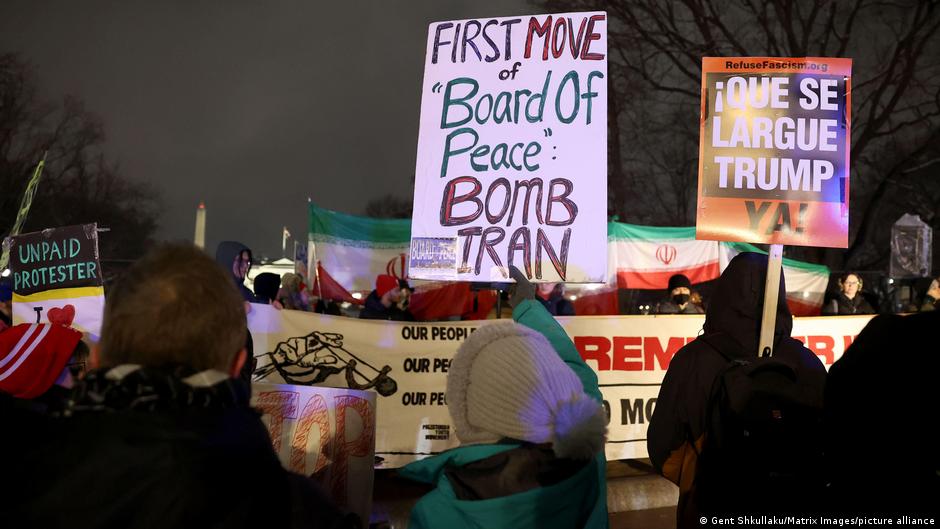
Middle East conflict: Do US voters back Trump’s Iran war? Shifting Perceptions Amid Rising Tensions The ongoing U.S. military actions against Iran have sparked concerns over their economic effects, notably fueling oil price increases and contributing to inflation. Public sentiment is divided, with polls indicating a majority of Americans oppose the conflict. Despite this, Trump’s political allies remain largely supportive, suggesting a complex domestic landscape. From Peace to War: A Contradiction? Donald Trump once positioned himself as a leader of peace, claiming to have resolved multiple global conflicts. He even established the Board of Peace and advocated for a Nobel Peace Prize. Yet, the recent strikes on Iran have flipped this narrative. Trump’s use of military force in January to oust Venezuelan leader Nicolas Maduro further underscores this shift. “The current situation in the Middle East is more likely to exacerbate domestic concerns and refocus American attention on a questionable and shaky US economy,” Jonathan Katz, now with the Brookings Institution, notes the economic impact. Meanwhile, former Fox News commentator Tucker Carlson has criticized the Iran strikes, calling them “absolutely disgusting and evil,” highlighting internal divisions within Trump’s base. Political Fallout and Unilateral Moves Trump’s Iran war has drawn scrutiny, particularly as it contradicts his campaign pledge to end endless conflicts. Critics argue that the economic repercussions—rising fuel costs and inflation—are undermining his promises. Johannes Thimm of the SWP highlights how these consequences could strain the budget and provoke public backlash. Domestic resistance is expected to grow, especially if the economic toll becomes evident. The Democratic-led War Powers Resolution, aimed at curbing presidential war authority, has already been rejected by the Senate. This underscores the challenge of congressional oversight in modern warfare, even though the Constitution grants Congress the power to declare war. Midterm Elections and Strategic Dilemmas With midterm elections approaching in November, the Republican Party faces a tough choice. While supporting Trump is crucial, the war’s unpopularity may jeopardize their chances. Thimm suggests the party is caught between loyalty to their leader and addressing voter discontent. Thomas Warrick of the Atlantic Council warns that Trump’s unilateral approach could backfire. By acting without congressional backing, he risks a significant domestic setback if the conflict fails to deliver expected outcomes. This dynamic adds pressure as the political stakes rise.

Harry Styles says the tragic death of Liam Payne has made him live his own life to the fullest after struggling with public expectations on how he should grieve: ‘It’s so difficult to lose a friend who is so like you’
Harry Styles Reflects on Liam Payne’s Passing, Finds New Purpose in Life In a recent interview, Harry Styles opened up about the profound impact of Liam Payne’s untimely death, which has reshaped his approach to living. The 32-year-old singer, who lost his One Direction bandmate in 2024, shared how the tragedy compelled him to reexamine his own path. Cause of Liam Payne’s Passing Liam Payne’s death occurred tragically when he fell from a third-floor balcony at a hotel in Buenos Aires, Argentina. The incident marked a sudden end to the life of a 31-year-old who was celebrated for his kindness and drive to achieve greatness. “It’s so difficult to lose a friend. It’s difficult to lose any friend, but it’s so difficult to lose a friend who is so like you in so many ways.” Struggles with Public Expectations Styles revealed the emotional weight of navigating how others expected him to grieve. “Even the idea of talking about it, I struggle with that a little bit,” he admitted. “There was a period when he passed away where I really struggled with kind of like acknowledging how strange it is to have people kind of like own part of your grief in a way. I have such strong feelings around my friend passing away.” He further explained the pressure to conform: “And then suddenly being, you know, like aware of there’s maybe like a desire from other people of you to convey that in some way, or it means you’re not feeling what you’re feeling or something, you know?” A New Perspective on Life Styles described Liam as someone with “the kindest heart who just wanted to be great.” The loss became a pivotal moment for the artist, inspiring him to ask critical questions about his purpose as a musician. “How do I want to live my life?” he pondered, emphasizing that the best tribute to a departed friend is embracing life fully. His career, once defined by the success of One Direction, has since flourished with multiple Grammy and Brit awards, and his net worth has surged to £175 million. Meanwhile, Liam, though achieving early fame with his debut single, faced challenges maintaining the same momentum as his bandmates. He released only one full studio album before his passing and was dropped by Universal Music just days prior. Legacy of One Direction The group, once one of the most successful boybands in history, announced an indefinite hiatus in 2016. Each member, including Zayn Malik, Louis Tomlinson, Niall Horan, and Liam, pursued solo projects. Harry swiftly adapted, signing a major record deal with Columbia—his former label—immediately following the band’s dissolution. Styles also noted how witnessing his friends’ personal milestones, such as marriages, influenced his perspective. “I had to have a real, honest conversation with myself about where I saw myself in five years,” he said, adding that his relationship with actress Zoë Kravitz, 37, has strengthened his resolve to build a family. “I was turning 30 and I wanted to take a break and assess, I think. I didn’t want to just roll straight into another process of making something and I thought it was time to just, honestly, like make sure I still loved it.” His upcoming fourth studio album, Kiss All the Time, includes the track “American Girls,” which was inspired by this life-changing shift. Styles credited the song to his evolving mindset, reflecting on how his friends’ choices to settle down motivated him to embrace his own future with clarity and passion.
Trump obliterates Iran’s navy by sinking ELEVEN boats including the ‘mothership’ as Tehran’s brazen lies are exposed
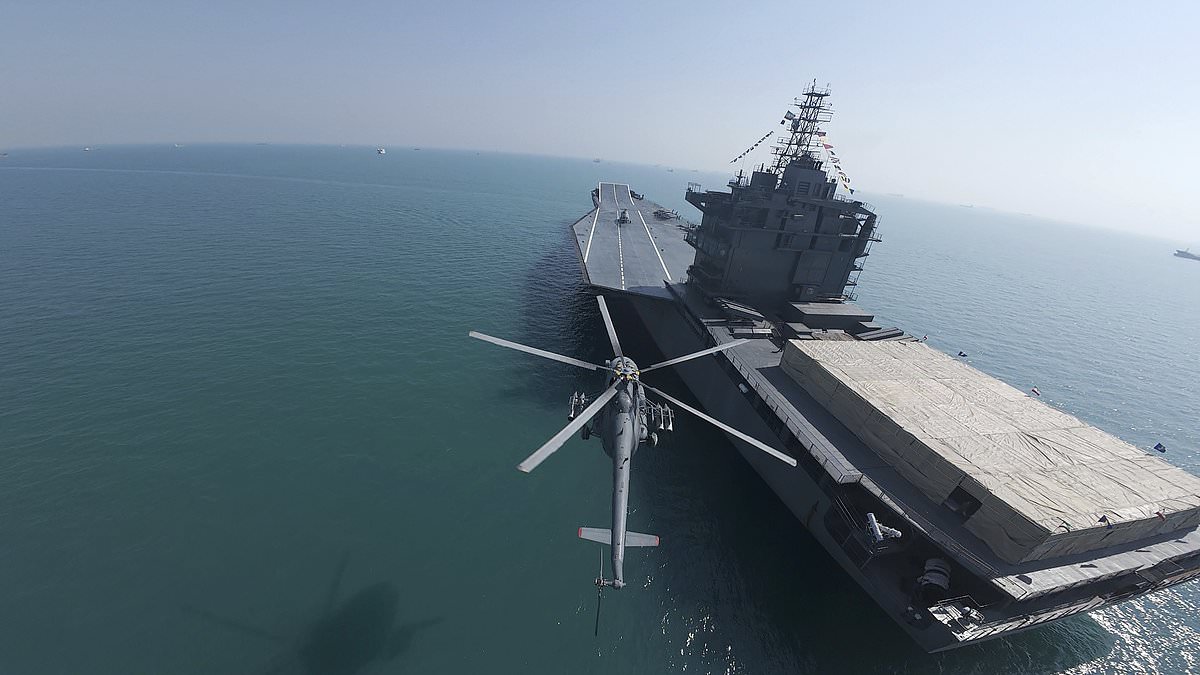
Trump’s military action devastates Iran’s naval fleet as false statements unravel In a decisive move, U.S. forces targeted Iran’s most significant naval vessel during the initiation of Trump’s “Operation Epic Fury.” The strike, which reportedly occurred shortly after the operation’s commencement, marks a major escalation in the conflict against Iran’s maritime capabilities. Iran’s misleading claims under scrutiny “The Iranian regime’s false messaging machine continues to falsely claim that it has sunk a US aircraft carrier. The only carrier that has been hit is the Shahid Bagheri, an Iranian drone carrier,” stated a US Central Command official. The operation also dismantled 11 Iranian naval vessels in the Gulf of Oman since the war’s outset, though the full impact on Tehran’s fleet remains uncertain. The assault highlights the diminished strength of Iran’s naval forces, with U.S. and Israeli forces playing a pivotal role in the attrition. A converted vessel becomes a strategic asset The IRIS Shahid Bagheri, initially a commercial ship, was repurposed as a drone launch platform in 2022. Now equipped with a 180-meter flight deck, it serves as a hub for Iranian UAVs, helicopters, and medium-range air defense systems. Its use as a base for attacks against U.S. installations and Gulf allies has drawn sharp criticism from Washington. Trump warns of prolonged conflict President Trump, who authorized the operation on Friday afternoon, cautioned that the war could persist for up to four weeks. “It’s always been a four-week process. We figured it will be four weeks or so,” he explained in an exclusive interview, emphasizing the scale of the challenge posed by Iran’s military infrastructure. Friendly fire incident in Kuwait Meanwhile, a friendly fire incident occurred in Kuwait, where three F-15 fighter jets were downed. Footage captured the planes descending into the sky amid plumes of smoke. Kuwait’s Defence Ministry confirmed that crews were unharmed, with at least two pilots safely ejecting near a U.S. military base. Iran’s retaliation and casualty figures Despite the U.S. strikes, Iran retaliated by launching missiles at nearby nations. Some projectiles breached air defenses, as seen in Dubai. The country had previously claimed hundreds of American troops were killed in these attacks, but CENTCOM disputes this, citing only four fatalities and 18 injuries from Iranian strikes. As the conflict unfolds, the Trump administration has yet to present a clear timeline for its conclusion, leaving the future of the naval confrontation uncertain. The sinking of Iran’s warships and the exposure of its deceptive narratives signal a turning point in the region’s power dynamics.