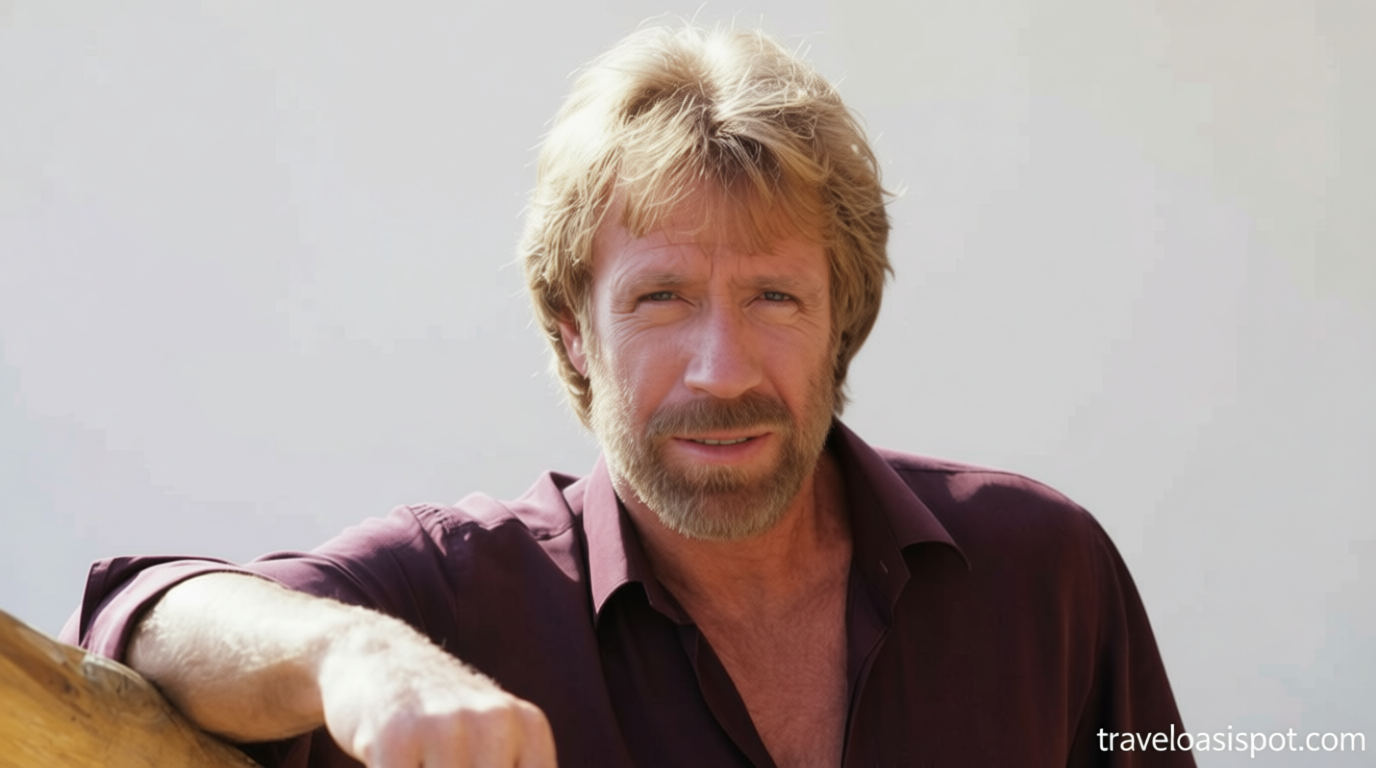
Chuck Norris, Legendary Action Star and ‘Walker, Texas Ranger’ Icon, Passes Away The iconic action star and star of the popular TV series “Walker, Texas Ranger” has passed away at the age of 86. Known for his unyielding physicality and commanding presence, Norris left an indelible mark on entertainment and pop culture. His family announced the news on Friday, sharing the unexpected loss of the beloved figure who had been a staple in the industry for decades. “It is with heavy hearts that our family shares the sudden passing of our beloved Chuck Norris yesterday morning,” said a message from the Norris family posted on social media. “While we would like to keep the circumstances private, please know that he was surrounded by his family and was at peace.” According to recent reports, Norris suffered an unforeseen medical emergency in Hawaii on Thursday. The family expressed gratitude for fans’ support during his hospital stay, acknowledging the widespread admiration he received throughout his career. His legacy, they noted, was defined by faith, purpose, and a deep love for those around him. A former military man, Norris transitioned from the US Air Force to the silver screen, beginning his acting journey in the 1972 film “The Way of the Dragon” as Bruce Lee’s formidable rival. His breakthrough came five years later with “Breaker! Breaker!” where he portrayed a truck driver on a quest for his missing brother. Over the following decades, he became a staple in action cinema, starring in films like “Missing in Action” and “Delta Force.” By the 1990s, Norris shifted focus to television, gaining a loyal following with his role in “Walker, Texas Ranger,” which aired from 1993 to 2001. As Cordell Walker, a seasoned Texas Ranger, he embodied the spirit of perseverance and grit. The show earned him a nomination for a TV Guide Award in 1999 for favorite actor in a drama. Behind the scenes, Norris was a martial arts pioneer. While stationed in Korea during the late 1950s, he began training and later developed his own style, the Chuck Norris System™, rooted in Tang Soo Do. His disciplined approach not only shaped his physical prowess but also inspired countless students, including Priscilla Presley, Steve McQueen, and Bob Barker, who once recounted breaking ribs after being kicked by Norris during training. “The type of films I want to do is — a good story, with good acting, with good direction, and with martial arts scenes inserted when it’s emotionally right,” Norris explained to David Letterman. He emphasized the balance between action and philosophy, stating, “The difference between violence and action is the philosophy of when you use it. And if a person tries to avoid a violent confrontation — but he’s finally pushed into the corner where there’s no way out — well, then we want to have the ability to cope with it.” Martial Arts Legacy His martial arts background was central to his identity, both on and off screen. Norris’ reputation as a tough guy extended beyond Hollywood, influencing a unique social media trend known as “Chuck Norris facts.” These hyperbolic anecdotes celebrated his legendary status, often exaggerating his skills and achievements. Recognizing his contributions, Texas Governor Rick Perry honored Norris in 2010 by inducting him as an honorary member of the Texas Rangers, a nod to his portrayal of the law enforcement role in the TV series. Norris’ influence continues to resonate, with fans still celebrating his enduring impact on action and martial arts culture.

Harry Styles pokes fun at Andrew Mountbatten-Windsor with scathing joke during his SNL monologue after the disgraced ex-Prince was arrested amid Epstein files probe
Harry Styles Delivers Sharp Joke About Andrew Mountbatten-Windsor on SNL After His Arrest Monologue Highlights Contrast Between Royal Scandal and Celebrity Quiet Period During his recent appearance on Saturday Night Live, Harry Styles made a pointed remark about Andrew Mountbatten-Windsor, following the latter’s arrest last month. The 32-year-old musician, who returned to the NBC show for a second time after his latest album topped the charts, used the platform to critique the public’s reaction to Andrew’s legal troubles. Styles opened his monologue by reflecting on his time away from the spotlight, joking that his life had become “tremendously dull.” He contrasted this with Andrew’s recent downfall, suggesting that the royal’s quiet period was preferable to the chaos surrounding his friend Jeffrey Epstein’s alleged misconduct. “When compared to Andrew’s public decline in reputation, my absence feels almost peaceful,” Styles quipped, drawing a clear line between personal boredom and the scrutiny faced by the former prince. “I took up jogging. There’s nothing interesting about that. But because I’m me, people pretend to find that interesting. I don’t run to be interesting. I do it for the feeling it gives me, that runner’s high. It’s just amazing.” The host later mocked the politically correct trends in fan culture, addressing accusations of “queerbaiting” with a playful yet incisive take. “Queerbaiting is when you hint at same-sex relationships without confirming them, aiming to please both LGBTQ+ viewers and traditionalists,” he explained. Styles then wove in a humorous anecdote about his own solo album, Kiss All the Time, before joking about the practice itself. “Watermelon sugar high, runner’s high. And if that doesn’t do it for you, I also love ecstasy. As a British man who’s spent much of his life in the public eye, I can assure you—there’s something nice about being boring. It’s better than the alternative.” As Styles spoke, a visual of Andrew being transported in a police car after his arrest appeared on screen. The incident occurred on his 66th birthday, when he was taken into custody from his Wood Farm cottage on the Sandringham Estate. The arrest followed an investigation into his alleged provision of sensitive data to Jeffrey Epstein during his tenure as a UK trade envoy. Andrew has consistently denied any wrongdoing tied to his association with the convicted pedophile. The comedian also targeted fans who labeled him as “queerbaiting,” referencing past criticism. “Back then, people seemed to focus heavily on the clothes I wore and called me out for something called ‘queerbaiting,’” he recalled. In a dramatic tone, he added: “But did it ever cross your mind that maybe you don’t know everything about me, Dad?” To wrap the segment, Styles embraced SNL castmate Ben Marshall in a cheeky kiss, then turned to the audience with a wink. “Now that’s queerbaiting,” he declared, referencing his new album title. The moment sparked a playful reaction from the crowd, with Chloe Fineman eagerly stepping forward, only to retreat in disappointment when Styles clarified his stance on the term. Later, as Styles joked about the benefits of a “tight little bum,” Sarah Sherman joined the stage. He then joked: “Sometimes kissing can be great—especially if you’re really good at it and a good person.” Marshall, catching the reference, responded with a grin: “Where’s my kiss?” Styles replied: “Come on, Ben—everyone knows there’s nothing little about that thang. You’re hauling a damn wagon back there.” With a final embrace, Styles and Marshall shared a kiss that left the audience in stitches, reinforcing the humor of the situation while keeping the spotlight on both the royal and the pop star’s witty commentary.
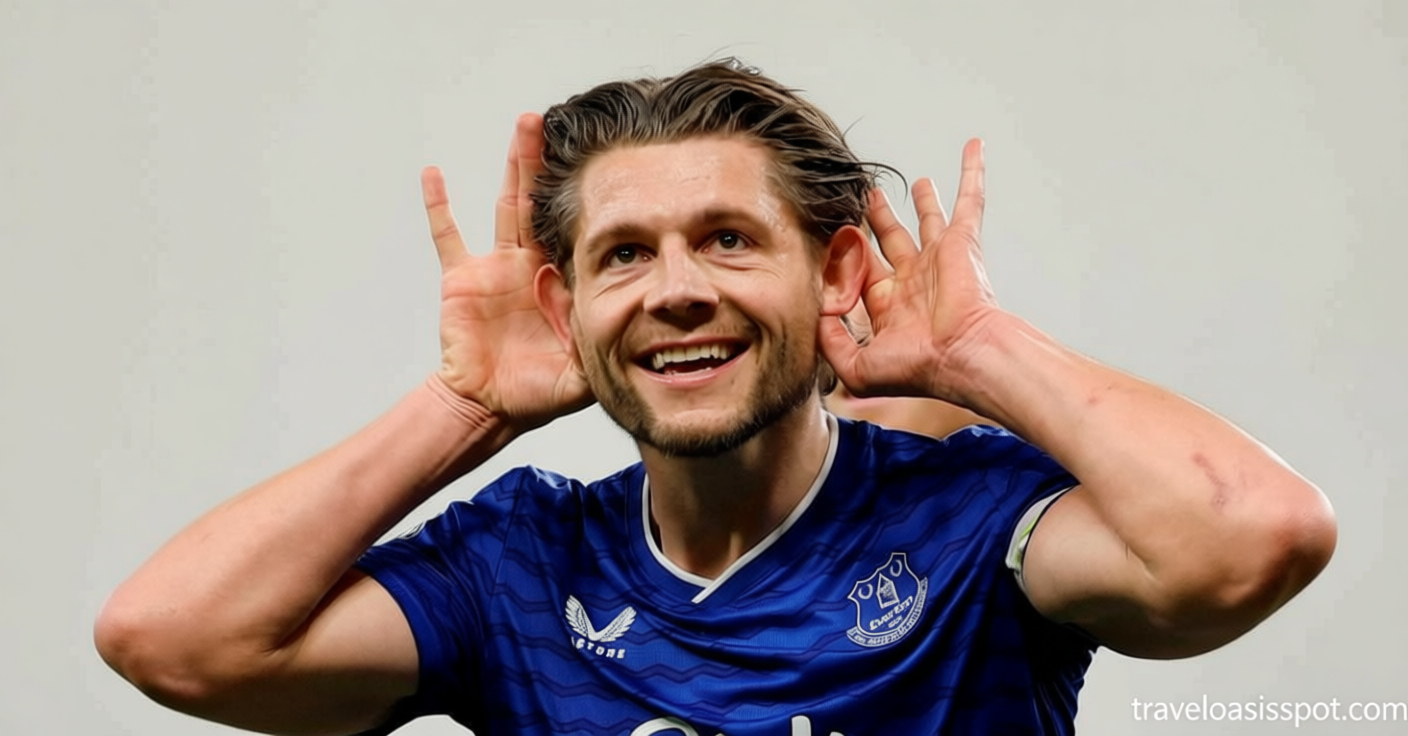
James Tarkowski injury latest after missing Arsenal vs Everton
James Tarkowski Injury Update: Everton Lacking Midfield Depth Ahead of Arsenal Clash Everton’s 33-year-old defender James Tarkowski is sidelined for the Premier League encounter against Arsenal, with a new injury setback affecting his availability. This marks the first time the player has missed a match this season, adding pressure to the team’s defensive setup. David Moyes Adjusts Tactics Amid Key Absences With Tarkowski unavailable, manager David Moyes has opted for Jake O’Brien and Michael Keane as his central defensive pair. The decision comes as Jarrad Branthwaite also faces a fitness issue, leaving Moyes to rely on a more compact backline. “I’m not sharing anything with you. You can see it, we’re missing two centre-halves today, but we’ve also got two who have one really well for us. We’re prepared, we prepared during the week, we’ve had time to do so, so it shouldn’t make too much difference hopefully.” The fixture sees Arsenal aiming to extend their lead at the top of the table, while Everton hopes to climb into sixth place by defeating the Gunners at the Emirates Stadium. A victory for the Toffees would mark a significant step in their campaign. Lineups Revealed for the Premier League Showdown Arsenal: Raya; Timber, Saliba, Gabriel, Calafiori; Zubimendi, Rice, Eze; Saka, Havertz, Madueke Subs: Kepa, Mosquera, White, Hincapie, Lewis-Skelly, Dowman, Martinelli, Jesus, Gyokeres Everton: Pickford; Garner, O’Brien, Keane, Mykolenko; Iroegbunam, Gueye, Dewsbury-Hall; McNeil, Neto, Ndiaye Metro’s Head of Sport, James Goldman, provides weekly insights on football developments, including transfer news and in-depth analysis, directly to subscribers’ inboxes. Arrow MORE: Sandro Tonali and Filip Jorgensen ruled out of Chelsea vs Newcastle United Arrow MORE: Arsenal vs Everton LIVE: Premier League latest score and goal updates as Timber limps off Arrow MORE: Arsenal target’s agent warns Man City are likely to battle them for £100m star This site is protected by reCAPTCHA and the Google Privacy Policy and Terms of Service apply. Your information will be used in line with our Privacy Policy.

How to Maximize Your Travel Savings: Optimize Your Budget Smartly
Traveling can be expensive, but with the right strategies, you can optimize your travel budget to save money without sacrificing the quality of your experience. Whether you’re planning a weekend getaway or a cross-continental adventure, optimize your travel budget is essential for maximizing your savings. This article provides practical tips to help you optimize your travel budget effectively, from setting realistic goals to leveraging technology. By applying these methods, you can stretch your travel dollars further and enjoy more adventures without breaking the bank. Set Clear Travel Goals to Guide Your Budget Before you start planning a trip, it’s crucial to define your travel budget goals. Ask yourself: What type of experience are you looking for? Do you want a luxurious stay, a budget-friendly escape, or something in between? Clarifying your priorities helps you optimize your travel budget by focusing on what matters most. For example, if you’re aiming for a minimalist trip, you can allocate more funds to transportation and less to accommodations. Conversely, if you’re dreaming of a five-star hotel, you’ll need to adjust other expenses accordingly. Setting clear goals ensures you optimize your travel budget in a way that aligns with your personal preferences and financial constraints. Research Destinations Thoroughly to Cut Costs Thorough research is one of the best ways to optimize your travel budget. Start by comparing prices for flights, accommodations, and local activities across different platforms. Websites like Skyscanner or Google Flights can help you find the cheapest flight options, while tools like Kayak or Hopper predict price drops. Additionally, explore local attractions and restaurants to avoid overpaying for overrated experiences. Many cities offer free museums, parks, and cultural events that are just as rewarding as paid options. By researching destinations in advance, you can optimize your travel budget and make informed decisions that save you money. Choose the Right Time to Travel for Maximum Savings Timing is a key factor in optimizing your travel budget. Traveling during off-peak seasons or mid-week can significantly reduce costs. For instance, flying on Tuesdays or Wednesdays often results in lower fares compared to weekends. Similarly, visiting popular destinations in the shoulder season—when demand is moderate and prices are still reasonable—can save you hundreds on accommodation and activities. You can also take advantage of seasonal sales, like summer discounts for outdoor activities or winter deals for holiday-themed packages. By choosing the right time to travel, you can optimize your travel budget and enjoy more value for your money. Plan Ahead with Smart Strategies to Save Money Proactive planning is a powerful way to optimize your travel budget. Booking flights and hotels well in advance often secures better deals, especially during peak travel periods. Consider using rewards programs or credit cards that offer travel perks, such as points or cashback, to reduce overall expenses. Packing efficiently also helps—avoiding unnecessary baggage fees by traveling light. Additionally, create a detailed itinerary that balances planned and spontaneous activities. This ensures you don’t overspend on unused services while still enjoying flexibility. By planning ahead, you can optimize your travel budget and avoid last-minute splurges. Use Budget-Friendly Options for Transportation and Accommodation Transportation and accommodations are major costs, so finding budget-friendly alternatives is critical. For flights, compare prices across airlines and consider budget carriers that offer low-cost options. If flying isn’t necessary, trains, buses, or ride-sharing services can be more economical. For lodging, look beyond traditional hotels—hostels, vacation rentals, and budget-friendly Airbnb options often provide better value. You can also use apps like Google Maps to find the cheapest routes or ride-hailing platforms to avoid expensive taxi fares. By opting for cost-effective transportation and accommodation, you can optimize your travel budget without compromising comfort. Track Expenses to Stay Within Budget Monitoring your spending is a simple yet effective way to optimize your travel budget. Use a spreadsheet or budgeting app to track daily expenses, including meals, souvenirs, and entry fees. This helps identify where you’re spending too much and allows you to make adjustments on the fly. For example, if you notice your dining costs are higher than planned, you can switch to cooking meals at your accommodation or eating at local markets. Setting daily or weekly spending limits also keeps you accountable. Regularly reviewing your expenses ensures you optimize your travel budget and avoid overspending. Leverage Technology to Optimize Your Travel Budget Technology offers countless tools to optimize your travel budget. Budgeting apps like YNAB (You Need A Budget) or Mint help you track expenses and stay on target. Price comparison tools like Expedia or Booking.com allow you to find the best deals for flights, hotels, and activities. Additionally, apps like Google Trips or TripIt can streamline your planning by organizing bookings and suggesting cost-saving opportunities. Don’t forget to use cashback and discount apps, such as Honey or Rakuten, to maximize savings on purchases. By embracing technology, you can optimize your travel budget and make smarter financial decisions. Hidden Costs and How to Avoid Them Even the best budget plans can be derailed by hidden costs. These include things like airport taxes, fuel surcharges, and unexpected fees for amenities like Wi-Fi or parking. To avoid these, read the fine print before booking and choose packages that include all necessary expenses. For instance, some hotels offer free breakfasts or parking, which can save you money. You can also use loyalty cards or credit cards that provide discounts on travel-related purchases. By being aware of potential hidden costs and planning for them, you can optimize your travel budget and ensure your savings aren’t wasted on surprises. Stay Flexible to Maximize Savings Flexibility is a key component of optimizing your travel budget. While sticking to a strict plan is important, being open to changes can lead to unexpected savings. For example, a last-minute deal for a cheaper flight or a discount on a hotel stay might arise if you’re willing to adjust your schedule. You can also consider alternative destinations that are slightly less popular but equally enjoyable, often at lower prices. Being adaptable not

Baden-Württemberg state election
Baden-Wü

Prosecutor drops murder charge against shooter at Chiefs rally and cites self defense laws
Prosecutor Drops Murder Charge Against Chiefs Rally Shooter, Cites Self-Defense Laws Following the Kansas City Chiefs’ 2024 Super Bowl triumph, a man accused of firing during a celebratory gathering received a two-year prison sentence on Monday. The case, which prosecutors described as complicated by Missouri’s self-defense statutes, saw the murder charge against Dominic Miller officially dismissed. Miller, who had agreed to plead guilty to a weapons-related offense as part of a deal, was among several individuals involved in the chaotic exchange of gunfire. The incident unfolded outside Union Station, a historic site in Kansas City, as thousands of fans celebrated the team’s victory. At least 12 people brandished firearms during the event, with two AR-style rifles recovered from the scene. Lisa Lopez-Galvan, a local radio host, was fatally shot while watching the rally with her family. Over two dozen others, including multiple minors, were injured but survived. “Under Missouri’s self-defense and defense-of-others doctrines, we must prove beyond a reasonable doubt that any charged defendant was the initial aggressor or did not act in lawful self-defense or defense of others to overcome justification,” stated the Jackson County prosecutor’s office in a written release. Initially, Miller faced a second-degree murder charge, which could have led to a sentence of 10 years to life. However, Missouri’s stand-your-ground laws—adopted by over 30 states in recent years—allowed for broader protections. These laws enable individuals to use force in self-defense without retreating, regardless of where the confrontation occurs. Prosecutors claimed the shooting began when one group confronted another for eye contact. Lyndell Mays was accused of being the first to fire, prompting a 15-year-old to retaliate by shooting toward him. Miller admitted to firing several rounds but stated his actions were justified. His attorney, David Wiegert, highlighted that Miller had spent over two years in custody, including months in critical condition. “While we are very pleased to see his freedom restored, we remain concerned that he was charged with murder in the first place,” Wiegert noted. He argued that unintentionally harming a third party while defending oneself or another is legally protected under state law. Early in the investigation, ballistics evidence linked the bullet that killed Galvan to a handgun Miller admitted using. However, prosecutors later conceded there wasn’t enough proof to confirm his shot caused her death. The family of the victim, who expressed “deepest condolences,” acknowledged the legal challenges but emphasized their hope for accountability and change. “The greatest justice would be having Lisa back, but since that is not possible, accountability still matters,” the family stated in a release through the prosecutor’s office. They also voiced support for the broader implications of the case, urging better choices in future incidents. Mays is set to face trial next year on charges that include second-degree murder. Meanwhile, the 15-year-old who fired at Mays was previously sentenced to a youth facility. The Associated Press.

‘We can’t take it anymore’: How Trump is pushing Cuba to the brink
‘We can’t take it anymore’: How Trump is pushing Cuba to the brink Amid the ongoing crisis gripping Cuba, a man on the streets of Havana approached me with a quiet urgency. “Let the Americans come, let Trump come, it’s time to get this over with,” he murmured, as though revealing a hidden truth. This sentiment is rare in Cuba — and rarer still when uttered during a period of intense US pressure, reminiscent of Cold War tensions. I glanced around to ensure no one was eavesdropping, and checked if my cameraman, documenting the transportation struggles, was nearby to capture the man’s words. He was a bicycle-taxi operator, and his frustration was palpable. For over six decades, Cuba has weathered a series of upheavals: failed CIA invasions, nuclear standoffs, and mass departures. Now, Donald Trump has intensified the strain. “Cuba is going to fall soon,” Trump told CNN’s Dana Bash, a declaration that echoes past presidential bravado but carries fresh urgency. His administration’s swift reimposition of the oil embargo has crippled the island’s already fragile economy, with results strikingly similar to the Cold War’s impact, though without the naval blockade. Trump’s actions are part of a broader strategy. In his second term, he has launched aggressive campaigns to topple leaders in Venezuela and Iran. Cuba, a nation that has withstood decades of US sanctions and internal missteps, now faces the same fate. The flow of oil from Havana’s remaining allies has been severed, leaving hotels built at public expense abandoned or shuttered. Employees have been laid off, and tourists, once a lifeline, have largely disappeared. Without jet fuel, flights can’t return, deepening the island’s isolation. Blackouts, once brief, now stretch for days. When power flickers on in the dead of night, Cubans rise with weary determination to prepare meals and iron clothes. During a recent 36-hour outage, a group of men cooked a stew over burning tree limbs on a Havana street. “We have returned to the Stone Age,” one remarked, his tone oddly cheerful. Fuel scarcity has forced Cubans to rely on T-Plate vehicles, siphoning state gasoline for the black market. A single tank costs over $300, exceeding the annual earnings of many citizens. While Trump insists Cuba is eager to negotiate, officials I spoke with dismissed this as a mirage. The island remains defiant, clinging to its slogan: “The homeland or death. We will be victorious!” Yet, for some, the resolve is fading. Exhausted Cubans express hope for change, though the direction remains unclear. When my cameraman reemerges, I ask the taxi driver if he’s willing to share his thoughts for the story. He walks away swiftly, choosing to keep his grievances low, at least for now.
From a £1bn dream to a brutal collapse: How Brewdog hit the rocks
From a £1bn dream to a brutal collapse: How Brewdog hit the rocks James Watt, once a passionate entrepreneur, once said, “All self-respecting captains go down with their ships.” But when the beer brand he co-founded faced administration last week, Watt was no longer steering the course. He stepped away in 2024, after years of negative headlines and dwindling profits, joining co-founder Martin Dickie in abandoning the ship. Their ambitious vision had crumbled, leaving behind a trail of financial turmoil and shattered hopes. Despite cashing out £100m in 2017, the duo now moved on to new projects as affluent pioneers. The remnants of Brewdog’s journey, however, are being examined by hundreds of staff laid off in a single 11-minute Teams call and 200,000+ Equity Punks, who may never recoup their over £100m investment. The roots of a rebellious brand Brewdog’s story began in Fraserburgh, Scotland, where two childhood friends set out to disrupt the craft beer scene. James Watt, the son of a fisherman, was brash and driven, while Martin Dickie, a beer enthusiast, brought steady expertise. In the mid-2000s, they brewed from makeshift equipment in Dickie’s mother’s garage, later moving to a modest industrial space in Fraserburgh. Despite early rejections, the pair pressed on, fueled by a shared belief in their craft. Watt recounted their sleepless nights, often resting on malt sacks in the brewery, and the constant battle to cover basic expenses. “We missed loan payments regularly… we could barely sell enough to afford rent,” he explained. “They shook up an industry that needed shaking up. There’s no doubt about that, and I will always give them credit for that,” said beer writer Melissa Cole. Breakthrough came in 2008, when their flagship beer, Punk IPA, won a prestigious competition and secured a contract with Tesco. The brand’s audacious image, however, began with Watt’s bold tactics. He claimed to have lied to a bank to secure funding for a major expansion, a move that later faced scrutiny when it was revealed Watt’s father was a wealthy fisherman. Despite this, the company’s irreverent style captured public imagination, positioning it as a force against the traditional beer giants. Revolution through innovation and risk By 2017, Brewdog had become a household name, with turnover reaching £111m and over 600 locations worldwide. But its rise was built on bold stunts and unconventional strategies. Watt famously targeted “bland and insipid” big brands, even launching a campaign that saw him and Dickie send Heineken bottles skyward with rockets. Their antics extended to driving tanks through streets and tossing stuffed executives from helicopters, all while crafting record-breaking beers. One such experiment involved bottling the world’s strongest beer and placing it inside a taxidermied squirrel, a symbol of their punk ethos. Their growth relied heavily on Equity For Punks (EFP), a unique funding model that allowed fans to invest in the company. Over 12 years, EFP rounds raised more than £100m, with Andrew Morgan, a fellow beer entrepreneur, among the first backers. “It was revolutionary in changing how people could support businesses,” Morgan reflected. “These guys brought something new to the industry, and it was exciting.” As the company expanded, Watt positioned sustainability as a core value. Brewdog claimed to be the first carbon-negative brewer, even purchasing a forest in the Highlands to offset emissions. Yet, with growth came pressure, and the once-rebellious brand found itself at odds with its own promises. By 2024, the financial strain had become insurmountable, leading to a sudden and severe collapse. What had once been a symbol of punk innovation now faced the harsh reality of a market that had grown weary of its boldness. Warning: This article contains language that some readers may find offensive.

Guthrie case investigators question neighbors about any internet issues on the night she disappeared
Guthrie Case: Investigators Probe Neighbors for Internet Anomalies on Disappearance Night Following Nancy Guthrie’s mysterious vanishing, law enforcement agencies have reached out to local residents to inquire about any unusual internet outages that occurred during the evening of her last sighting. The Pima County Sheriff’s Department and FBI conducted a thorough canvass of Guthrie’s neighborhood in Tucson, Arizona, on Thursday, visiting homes to gather information from residents. Multiple homeowners shared with NBC News that the agents specifically questioned them about internet connectivity disruptions on the night she disappeared. According to neighbors, the investigators noted that several residents had mentioned intermittent internet glitches during that timeframe. Two homeowners reported that the agents also asked about video footage from January 11, though officials have not confirmed if this date is central to their investigation. Three other residents stated they were either asleep or away from their homes at the time of the abduction and could not confirm any issues with their internet service. A couple residing next to Guthrie’s home reported an odd occurrence. They noted a malfunction with one of their Ring cameras during the night of the disappearance, as it displayed the “not available” message when accessed. The couple, who have four cameras on their property, emphasized that the glitch occurred only on the camera closest to Guthrie’s house. The other devices functioned normally, and they stated they had never encountered the warning before. “That’s really weird, isn’t it?” they remarked, highlighting the unexplained nature of the event. “I’ve not looked at that closely, but yeah, I know that my team has looked at it with the FBI every angle,” said Pima County Sheriff Chris Nanos when asked earlier this week about the possibility of a Wi-Fi jammer being used during the abduction. Nancy Guthrie, the 84-year-old mother of TODAY co-anchor Savannah Guthrie, was last seen around 9:45 p.m. on January 31 after dinner with her daughter Annie. She was officially reported missing on February 1 after failing to appear at a friend’s house for a Sunday church service. Authorities classify the case as a potential kidnapping or abduction, though details remain scarce. Last month, the FBI released footage from doorbell cameras showing an armed and masked man with gloves in the early hours of Nancy’s disappearance. The suspect, described as between 5 feet 9 inches and 5 feet 10 inches tall and of average build, was seen wearing a black, 25-liter Ozark Trail Hiker Pack backpack. Despite the visual evidence, the man’s identity has not yet been confirmed. Meanwhile, Savannah Guthrie, who has taken a leave from her TODAY show duties, visited New York City for a studio appearance. She stated her intention to return to her role while continuing to support her family and aid in finding Nancy. The Guthrie family announced a $1 million reward for information leading to her recovery, joining efforts from the FBI and Crime Stoppers. Liz Kreutz is an NBC News correspondent. Rebecca Cohen is a breaking news reporter for NBC News Digital.
Everything we know on day 6 of the Middle East war
Day 6 Developments in the Middle East Conflict As the Middle East conflict moves into its sixth day, tensions escalate with Iran launching a multifaceted assault on Israel. Israeli authorities have initiated large-scale evacuations in Lebanon, prompting widespread displacement. Meanwhile, NATO nations are stepping up their efforts to strengthen defensive capabilities against potential missile threats. Key Events and Strategic Moves The term “hybrid attack” has been used to describe Iran’s coordinated strikes, combining conventional and unconventional tactics. This approach has intensified the conflict’s complexity, drawing international attention. In response, Israel has mobilized resources to secure its borders and ensure civilian safety. Amid the rising hostilities, NATO countries are collaborating to enhance their missile defense systems. This includes deploying advanced technology and increasing military readiness. Analysts suggest these measures aim to deter further aggression and protect critical infrastructure. Contributors to the Report CNN’s Leila Gharagozlou, Eugenia Yosef, Laura Sharman, Jack Guy, Lauren Kent, Todd Symons, Haley Britzky, John Towfighi, Sophie Tanno, Nechirvan Mando, Eyad Kourdi, Vasco Cotovio, Avery Schmitz, Zeena Saifi, Joseph Ataman, and Oren Liebermann provided insights for this update.