

The Iran war’s troubling missile math Four days after the conflict with Iran began, at least one Gulf ally of the United States is facing a critical shortage of key interceptor missiles essential for countering Iranian strikes. Two unnamed sources informed CNN that the situation is not yet a crisis, but urgency is growing as the allied nations seek additional supplies from Washington. “The sooner they arrive, the more favorable it will be,” said a regional official, highlighting the need for timely reinforcement. Concerns over supply chain strains Across the region, including in Israel, there is growing worry about the adequacy of defensive weaponry. A Qatari official noted that while the country has a sufficient stockpile for extended use, it remains in communication with the US Central Command to monitor potential shortages. This underscores a broader challenge: how to sustain missile defenses without diverting resources from other fronts. “Each intercept represents hundreds of hours of training, readiness, and technology all coming together to work as designed,” said Gen. Dan Caine, chairman of the Joint Chiefs of Staff, during a press briefing on Monday. His remarks emphasized the operational strain on interceptors, which are vital for protecting US forces and allies in the region. President Donald Trump, speaking at the White House, initially projected the war to last “four to five weeks” but later hinted at a longer campaign. “The US military has the capability to go far longer than that,” he stated, suggesting the conflict could persist without immediate replenishment. This stance has raised eyebrows among regional partners, who are already scrambling to maintain stockpiles. Shift in priorities and production rates Officials have warned Trump that prolonged operations could deplete reserves critical for supporting Israel and Ukraine. A person close to the matter described the rapid consumption of long-range precision-guided munitions, signaling a pressing need for supply chain adjustments. “Wars can be fought ‘forever,’ and very successfully, using just these supplies,” Trump claimed on Truth Social, though he avoided specifying which weapons he meant. “At the highest end, we have a good supply, but are not where we want to be,” Trump added, criticizing Biden for allocating significant portions of advanced munitions to Ukraine. Biden’s administration had cited concerns over depleting stockpiles as a reason for delaying certain deliveries, but Trump argued that the supply chain is now robust enough to sustain extended efforts. Adm. Brad Cooper, head of US Central Command, shared a video message on Tuesday evening, reporting that the military had targeted nearly 2,000 Iranian assets using over 2,000 munitions. “We have severely degraded Iran’s air defenses and destroyed hundreds of ballistic missiles, launchers, and drones,” he stated, while acknowledging the Iranian military’s response of over 500 ballistic missiles and 2,000 drones. Political tensions and strategic implications On Capitol Hill, Democrats have voiced increasing concern about the pace of munitions use and its long-term impact on US defense capabilities. Arizona Senator Mark Kelly, a Democrat, warned that Iran’s production of Shahed drones and ballistic missiles remains substantial, with estimates suggesting over 100 missiles per month. “So at some point… this becomes a math problem and how can we resupply air defense munitions,” he said, stressing the need for clear logistics planning. Meanwhile, global rivals like China are closely monitoring the situation, aware that the conflict’s trajectory could shift supply dynamics in the Pacific. As the war expands, the balance between defensive needs and offensive operations will determine the resilience of the US and its allies in the region.

Legendary college football coach Lou Holtz dead at age 89
Legendary College Football Coach Lou Holtz Passes Away at 89 The University of Notre Dame confirmed the passing of Lou Holtz, the esteemed college football coach who guided the Fighting Irish to their final national championship in 1988. Holtz was 89 years old when he died, with his family disclosing that he had been under hospice care in Orlando, Florida, for several months. Holtz’s 33-year coaching journey saw him amass a 249-132-7 record, with a significant portion of his achievements at South Bend, Indiana. During his tenure from 1986 to 1996, the Irish compiled a 100-30-2 mark, a testament to his influence on the program. “We are deeply saddened by the loss of Lou Holtz,” said current Notre Dame head coach Marcus Freeman in a statement. “His legacy at Notre Dame transcends the field of play. Lou and his wife, Beth, are cherished for their kindness and dedication to the university’s values,” Freeman added. Throughout his head coaching tenure, Holtz steered teams at multiple institutions, including William & Mary, North Carolina State, Arkansas, Minnesota, and South Carolina. His time with the New York Jets in 1976 was brief but notable, as he posted a 3-10 record before resigning with one game remaining. Reflecting on that chapter, Holtz once remarked, “God did not put Lou Holtz on this Earth to coach in the pros.” His words proved prophetic, as he quickly returned to college football, leading the Arkansas Razorbacks to a 60-21-2 record during his five seasons there. A Legacy Etched in Tradition Notre Dame highlighted Holtz’s enduring impact, noting that the iconic “Play Like A Champion” slogan in the team’s locker room originated during his era. The university also praised his practice of removing names from the back of jerseys, a move that underscored team unity and remains a tradition in modern games. Holtz’s influence extended beyond wins, shaping the culture of the program and earning reverence from fans and alumni alike. After retiring from coaching following the 1996 season, Holtz transitioned to sports broadcasting, joining CBS Sports as an analyst. However, his passion for coaching resurfaced when he took over South Carolina’s struggling program. The Gamecocks started 1-10 in 1998 and 0-11 in 1999 under his leadership, but Holtz transformed the team, posting a 33-26 record over the next five seasons. His final coaching stint ended with a definitive retirement, returning to the studio as an ESPN analyst. “He and Lee Corso shared memorable stories, and Lou remained as witty and energetic as ever,” recalled ESPN’s Andrea Adelson of their last public appearance together in Orlando. “Even as his time was limited, he brought warmth and humor to every interaction.” Holtz is survived by his four children: Luanne, Lou Jr. (known as “Skip”), Kevin, and Elizabeth. The latter three graduated from Notre Dame, the university noted. His wife, Beth Holtz, passed away in 2020 at the age of 82.

Hungarian veto on Ukraine loan proves EU needs less unanimity, says new Dutch PM
Hungarian Veto on Ukraine Loan Proves EU Needs Less Unanimity, Says New Dutch PM Rob Jetten, the Netherlands’ newly appointed prime minister, criticized Hungary’s last-minute objection to a €90 billion aid package for Ukraine during his first visit to Brussels. He argued that the European Union must reduce its dependence on unanimous decisions, emphasizing the need for more flexible consensus mechanisms. “The new Dutch government supports a shift toward less unanimous decision-making across the EU,” Jetten told journalists, including Euronews. “This shows why such a change is vital, as we can’t explain to our citizens that Europe’s responses to major challenges are too cautious.” “When a political agreement is reached at the Council level, we expect all member states to adhere to it. Otherwise, the European Commission has a significant role in enforcing the decision,” Jetten stated. Jetten called on Hungary’s leader, Viktor Orbán, to uphold the December agreement among EU leaders, which allowed Hungary, Slovakia, and the Czech Republic to avoid joint borrowing by agreeing to maintain unanimity in budget adjustments. Brussels officials claim Orbán’s veto on the loan’s final stage violates the bloc’s principle of sincere cooperation. Meanwhile, the Commission has urged Ukrainian President Volodymyr Zelenskyy to repair the Druzhba pipeline and Orbán to lift his objection
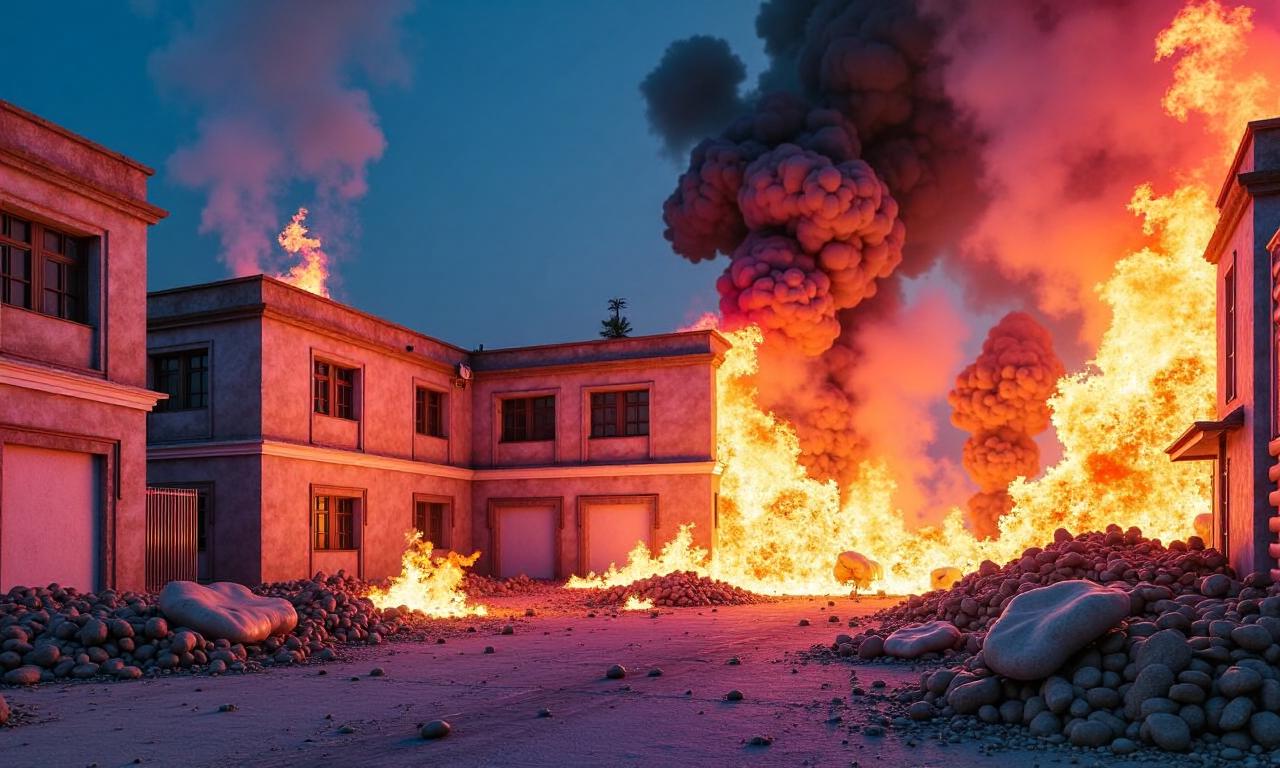
Tehran IVF clinic devastated by US-Israeli attack as hospitals and homes hit
Tehran IVF clinic devastated by US-Israeli attack as hospitals and homes hit A couple’s hopes for parenthood shattered in bombing campaign Mohsen and Firouzeh have endured years of infertility struggles before opting for in vitro fertilization at Tehran’s Ghandi hospital. Their journey, marked by persistent efforts, finally sparked optimism after a decade of setbacks. “The hospital staff worked tirelessly to support us,” Mohsen shares. “After 10 years of trying, we finally had a glimmer of hope.” However, the devastation began on Sunday, the second day of a relentless US-Israeli bombing campaign targeting Iran. A strike on the hospital reportedly caused severe damage to its fertility department, upending the couple’s plans. Mohammad Hassan Bani Asad, director of Gandhi hospital, informed local outlets that one employee suffered critical injuries, including cerebral bleeding, requiring emergency surgery. “Now, after the attack on the IVF section, we feel as though we’ve lost our sanity,” Firouzeh laments. “We don’t know what happened. We don’t know if our samples are gone. We don’t know if all our years of effort are wasted.” Residents of Tehran, including Mohsen and Firouzeh, use only their first names for safety. The U.S. and Israel justify their strikes as targeting Iran’s leadership, military, and nuclear facilities. Several high-ranking officials, including Supreme Leader Ayatollah Ali Khamenei, have been killed so far. Yet on the ground, the toll extends beyond political figures. Strikes have obliterated homes, crippled medical facilities, and even claimed lives in a primary school, where around 150 girls aged seven to twelve were killed. Golestan Palace, a UNESCO-listed heritage site, also sustained damage. The Red Crescent Society reported at least 787 fatalities, with attacks impacting over 150 cities nationwide. Impact on everyday lives and medical infrastructure Negin, from Tehran’s Shariati neighborhood, witnessed an air strike demolish the Army hospital near her home. “I saw horrors I couldn’t imagine without seeing them myself,” she tells Middle East Eye. “I fled the area in terror, but I believe dozens perished in the blast,” Negin says. “The Joint Staff headquarters and Revolutionary Court are just two streets away. They hit that zone, yet many residential buildings on the same street were reduced to rubble.” Mohammad Raiszadeh, head of Iran’s Medical Council, noted that the U.S. and Israel have struck at least ten medical centers. He drew comparisons to Israel’s actions in Gaza, where hospitals were systematically targeted. “They showed during Gaza’s crisis that they can’t halt attacks on medical facilities,” Raiszadeh says. “We expect little support from the World Health Organization or other global groups.” The Israeli military later released a statement, claiming the Gandhi hospital suffered only “minor and collateral damage.” They cited military infrastructure near the site as the primary target. Staff at the hospital, however, recount a different reality. Salmaz, a nurse, described the chaos when the explosion struck. “We were doing our routine when a massive blast shook everything,” she recalls. “The force hurled me into the corner of my office. The building was engulfed in flames. Everyone screamed and scrambled for safety.” “In those terrible moments, we were just trying to save the babies,” Salmaz says. “I’ve never seen anything like this in my life—only in movies.” She remains in disbelief, adding, “That awful sound won’t leave my ears.” Residential and commercial buildings, too, have been hit. Mohammadali, a 32-year-old worker at an advertising firm on Motahari Street, says his office was destroyed in an air strike. A young colleague was severely injured, now in critical condition. “Israel claims it only targets military sites,” Mohammadali says. “Our company produces content for small businesses. What does that have to do with the government or Revolutionary Guard? They obliterated our office, and one of our coworkers is fighting for her life.” As the campaign continues, the human toll grows. From fertility clinics to schools, the strikes leave a trail of destruction, reshaping lives and landscapes alike.

Star Trek icon Brent Spiner makes a rare sighting at 77, see him now
Star Trek icon Brent Spiner makes a rare sighting at 77, see him now A few days ago, Brent Spiner, the iconic Star Trek actor, was caught on camera in the Hollywood Hills, showcasing his vibrant energy despite turning 77. His latest appearance has stirred excitement among fans who cherish his legacy in the franchise. A Defining Role in Star Trek: The Next Generation Spiner first gained widespread recognition for portraying Data, a highly intelligent android aboard the USS Enterprise-D, on the groundbreaking series *Star Trek: The Next Generation*. The show, helmed by Patrick Stewart as Captain Jean-Luc Picard, featured a stellar cast that included Whoopi Goldberg and LeVar Burton, alongside Spiner’s unforgettable contribution. “This is not a Star Trek podcast,” they insisted in their introductory YouTube video. His portrayal of the enigmatic android mirrored the cerebral presence of Leonard Nimoy’s Dr. Spock from the original 1960s series, offering a fresh take on the character archetype. Spiner’s involvement with the franchise continued beyond the original series, as he reprised Data in multiple film spin-offs and recent TV shows like *Star Trek: Picard* and *Star Trek: Lower Decks*. Early Career and Transition to Screen Before his iconic role, Spiner built a foundation in the 1970s on New York stages. By the 1980s, he had joined the original cast of the critically acclaimed musical *Sunday in the Park with George*, which premiered on Broadway in 1984. This opportunity led him to move to Los Angeles, marking the beginning of his screen career. After gaining experience on TV series such as *Night Court* and *Cheers*, Spiner secured the role of Data in *Star Trek: The Next Generation* in 1987. He remained a central figure in the show throughout its seven-season run, and later appeared in four major films from the 1990s to the early 2000s. Expanding His Horizons Spiner’s talents extended beyond *Star Trek*. He guest-starred in a variety of popular TV shows, including *Friends*, *Mad About You*, *The Blacklist*, and *The Big Bang Theory*. His filmography also featured notable titles like *Independence Day*, *Dude, Where’s My Car?*, *South Park: Bigger, Longer and Uncut*, and *The Aviator*. Continuing to explore stage roles, he appeared in Broadway revivals of *1776* and *Man of La Mancha*, further solidifying his versatility as an actor. Podcast Venture with Star Trek Roots A month ago, Spiner revealed that he and his *Star Trek: The Next Generation* co-star Jonathan Frakes, who played Riker, are launching a celebrity interview podcast. Titled *Dropping Names with Brent and Jonny*, the series has been described as “this is not a Star Trek podcast,” though the show’s origins have inevitably influenced its content.
Top Adventure Travel News for Seekers of Thrills and Exploration
Adventure travel has become a staple for those who crave more than the ordinary. As the world evolves, travel news for adventure seekers is constantly emerging, offering insights into the latest trends, hidden gems, and unforgettable experiences. Whether you’re planning a trek through the Andes or a skydiving adventure over the Swiss Alps, staying updated with travel news for adventure seekers ensures you’re always one step ahead in the pursuit of excitement. This article compiles the most recent and impactful updates in the adventure travel space, providing a roadmap for thrill-seekers and explorers to plan their next adrenaline-fueled journey with confidence and clarity. What Makes Adventure Travel News Unique? Unlike traditional travel guides, travel news for adventure seekers focuses on the thrill of the unknown and the stories behind the destinations. It highlights not just the places to visit but also the challenges, risks, and rewards that come with venturing off the beaten path. For example, recent reports have emphasized the rise of remote expedition travel, where travelers opt for isolated locations like the Sahara Desert or the Arctic Circle to experience raw, unfiltered adventure. This type of news often includes first-hand accounts from seasoned explorers, making it both informative and inspiring for those ready to push their limits. Must-Visit Destinations in 2024 for Adventure Enthusiasts The year 2024 has brought new opportunities for adventure travelers. From the high-altitude trails of Patagonia to the underwater cave systems in Vietnam, there’s a growing list of destinations that cater to diverse interests. One standout location is Iceland, where the glacier hikes and geothermal wonders have gained traction as a must-try for thrill-seekers. Meanwhile, Southeast Asia remains a hotspot for caving, rock climbing, and jungle expeditions. These regions are not only offering unique landscapes but also new ways to engage with nature, such as eco-lodges that blend seamlessly into the environment. Emerging Trends and Innovations in Adventure Travel The adventure travel industry is evolving rapidly, driven by technology and a desire for immersive experiences. Travel news for adventure seekers now frequently covers the integration of augmented reality (AR) in guiding treks through ancient ruins or using drones to explore remote mountain ranges. Another trend is the rise of adventure-themed cruises, which combine oceanic exploration with land-based activities like snorkeling and kayaking. Additionally, cultural adventure tours are gaining popularity, allowing travelers to engage with local communities while participating in traditional activities like hiking or fishing. These innovations make adventure travel more accessible and exciting for a wider audience. Unforgettable Experiences: The Latest in Adventure Activities Adventure travelers are always on the lookout for unique activities that elevate their journey beyond the routine. In 2024, volcano boarding in Guatemala and skydiving over the Sahara have emerged as top picks, offering a blend of danger and beauty. Meanwhile, wildlife safaris in Namibia and trekking through the Amazon rainforest remain timeless favorites for those seeking natural wonders. Travel news for adventure seekers also highlights the growing trend of team-based challenges, such as completing a 100-mile race in New Zealand or navigating a desert expedition with a local guide. These experiences create lasting memories and foster a sense of accomplishment. The Role of Sustainability in Adventure Travel As awareness of environmental issues grows, travel news for adventure seekers is increasingly focusing on sustainable practices. Destinations like Costa Rica and New Zealand are promoting eco-friendly adventure tourism, where travelers minimize their carbon footprint by using solar-powered equipment or staying in carbon-neutral lodges. This shift is not just about protecting nature but also enhancing the travel experience by connecting adventurers with local cultures and ecosystems. For instance, guided wildlife tours now emphasize conservation efforts, allowing travelers to contribute to environmental protection while enjoying their activities. Safety First: Essential Guidelines for Adventure Travelers No matter how exciting an adventure, safety is paramount. Travel news for adventure seekers frequently reminds readers to prioritize preparation, including checking weather forecasts, packing the right gear, and researching local conditions. For high-risk activities like white-water rafting or base jumping, having a certified instructor and a well-planned itinerary can make all the difference. Additionally, health considerations such as altitude sickness prevention or proper hydration are now standard topics in adventure travel updates. These guidelines ensure that thrill-seekers can enjoy their adventures without unnecessary risks. Travel news for adventure seekers also plays a crucial role in informing travelers about emergencies and safety protocols. Recent reports have focused on the importance of emergency communication devices, such as satellite phones or GPS trackers, especially in remote or off-grid locations. Furthermore, travel insurance tailored for adventure activities is gaining traction, providing coverage for accidents, cancellations, and medical emergencies. These tips are vital for ensuring that adventurers can focus on the thrill without worrying about unforeseen challenges. How to Stay Ahead with Adventure Travel News To make the most of travel news for adventure seekers, it’s essential to follow trusted sources that provide up-to-date information. This includes specialized travel blogs, YouTube channels offering adventure reviews, and social media platforms where explorers share real-time experiences. Many news outlets now offer podcasts or newsletters dedicated to adventure travel, covering topics from gear reviews to destination guides. By subscribing to these resources, travelers can access insights that help them plan more effective and safer expeditions. The Future of Adventure Travel: What to Expect Looking ahead, the future of adventure travel is bright with new possibilities. Travel news for adventure seekers is already hinting at spaceship-themed expeditions and underwater exploration tours that combine technology with traditional adventure. Additionally, AI-powered travel planning tools are being developed to customize itineraries based on individual preferences and fitness levels. These advancements promise to make adventure travel more personalized and efficient, while still preserving the raw, unfiltered essence of exploration. The demand for travel news for adventure seekers is growing as more people seek unique and meaningful travel experiences. From off-road biking in Namibia to trekking the Inca Trail, the variety of activities ensures there’s something for every type of adventurer. Travel news for adventure seekers also emphasizes the importance
How Travel News on Social Media Shapes Trends Today
Travel decisions are no longer shaped primarily by brochures, guidebooks, or even traditional news outlets. Today, travel news on social media plays a central role in influencing where people go, what they experience, and how they spend. Platforms such as Instagram, TikTok, X, and YouTube have transformed travel updates into fast-moving streams of visuals, opinions, and real-time reports. As a result, trends emerge rapidly, destinations rise and fall in popularity, and consumer behavior shifts in response to what appears in social feeds. The Rise of Social Platforms as Primary Travel Information Sources Social media platforms have evolved into primary channels for discovering destinations and travel updates. Unlike conventional media, which follows structured publication cycles, travel news on social media spreads instantly through posts, stories, and short-form videos. This speed allows travelers to access updates about weather disruptions, airline changes, political developments, or newly opened attractions within minutes. The immediacy of social platforms builds a perception of authenticity. Travelers often trust peer-generated content more than polished advertising campaigns. When a user shares a firsthand airport experience or a review of a new resort, it feels less filtered and more relatable. Algorithms also play a decisive role. Content that gains engagement is amplified, creating viral travel moments. A single trending video can push a previously unknown location into international visibility, reshaping travel flows in weeks rather than years. How Viral Content Creates Destination Trends One of the strongest impacts of travel news on social media is its ability to generate sudden destination trends. A scenic viewpoint, hidden café, or remote island can become globally recognized after a few viral posts. Travelers often seek to replicate what they see online, turning digital exposure into physical movement. Short-form video platforms intensify this effect. Visual storytelling compresses destination highlights into seconds, delivering emotional impact quickly. This format encourages impulsive travel planning, as viewers associate trending locations with status, uniqueness, or novelty. However, rapid popularity can strain infrastructure. Overtourism in certain locations has been linked to viral travel exposure. When social media accelerates demand faster than local capacity can adapt, communities may experience environmental and economic pressure. Trend cycles are also shorter. Destinations that gain attention can lose it just as quickly when new content replaces them. This creates a volatile tourism environment where sustained marketing must coexist with unpredictable digital waves. Real-Time Updates and Crisis Influence Beyond aspirational content, travel news on social media significantly affects travel decisions during crises. Natural disasters, political unrest, public health alerts, or airline disruptions often surface first on social platforms. Travelers monitor these updates before booking flights or adjusting itineraries. Airlines, tourism boards, and hospitality brands now maintain active social media channels to distribute official updates. These channels compete with user-generated reports, which may be faster but not always verified. The interaction between official statements and crowd-sourced information shapes traveler confidence. Public perception can shift quickly. A viral video highlighting safety concerns in a city can reduce tourism demand even if the situation is localized. Conversely, transparent and timely communication can restore trust. The digital environment makes crisis response more visible. Organizations that respond efficiently to travel-related issues can strengthen their reputation, while delayed communication often attracts negative attention. Influencers, Micro-Influencers, and Authority Shifts The authority structure of travel journalism has changed. Traditional travel writers once controlled destination narratives through magazines and newspapers. Today, influencers and micro-influencers frequently shape the tone of travel news on social media. Micro-influencers, in particular, often have highly engaged niche audiences. Their recommendations carry weight because followers perceive them as authentic and accessible. A well-timed collaboration between a tourism board and a niche creator can drive targeted traffic more effectively than broad campaigns. This shift has blurred the line between news and promotion. Sponsored content may resemble organic travel reporting. Audiences must interpret whether content reflects independent experience or marketing strategy. At the same time, user reviews, comment sections, and public feedback introduce accountability. If promotional content exaggerates claims, audience response can quickly challenge it. This dynamic creates a more interactive, though sometimes chaotic, travel information ecosystem. Data, Personalization, and Behavioral Impact Social media platforms collect extensive behavioral data, allowing content feeds to become highly personalized. When users engage with travel-related posts, algorithms increase exposure to similar content. This feedback loop strengthens the influence of travel news on social media on individual preferences. Personalization narrows attention toward specific types of travel experiences. A user who frequently watches luxury resort content may rarely encounter budget travel updates, and vice versa. Over time, this shapes expectations, budgets, and destination choices. Booking behavior is increasingly integrated into platforms. Links to booking sites, in-app reservations, and direct partnerships reduce friction between inspiration and transaction. The journey from discovering a location in a feed to purchasing a ticket has shortened dramatically. Social validation also plays a role. Travelers often select destinations that align with digital identity. If certain locations are widely shared and positively reviewed, they become markers of cultural relevance. Economic and Cultural Consequences for Destinations The economic implications of travel news on social media extend beyond marketing. Small businesses can gain international visibility without traditional advertising budgets. A café featured in a viral video may experience a surge in customers overnight. Local economies can benefit from diversified tourism exposure. Lesser-known regions have an opportunity to attract visitors who might not have discovered them through conventional channels. Social media reduces geographic barriers to awareness. However, sudden growth can challenge sustainability. Infrastructure, housing markets, and local culture may be affected when digital exposure attracts large visitor volumes. Responsible travel messaging has become increasingly important to balance promotion with preservation. Destinations are now more active participants in digital storytelling. Tourism boards invest in social listening tools to monitor sentiment and emerging trends. By analyzing how their region appears in travel news on social media, they can adjust strategy in real time. Conclusion Travel news on social media has become a dominant force shaping modern travel trends. It accelerates destination popularity, influences crisis perception, shifts authority from traditional media to
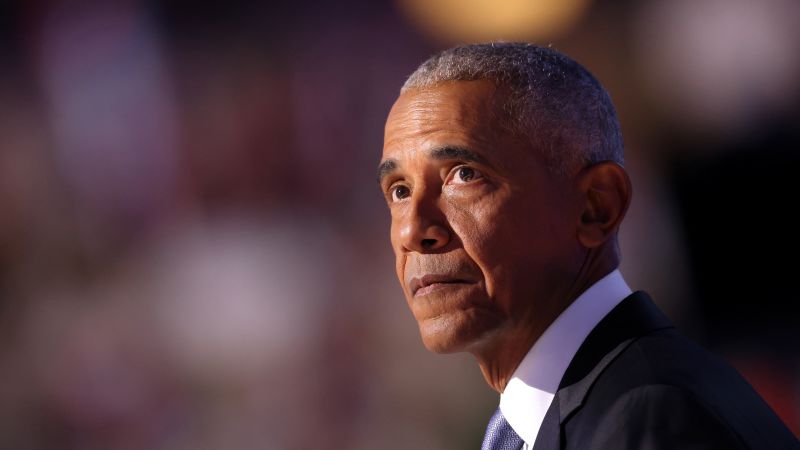
Obama compares ICE’s ‘rogue behavior’ in Minnesota to dictatorships
Obama Compares ICE’s ‘Rogue Behavior’ in Minnesota to Authoritarian Regimes Former President Barack Obama has condemned the actions of Immigration and Customs Enforcement (ICE) agents in Minnesota, likening their conduct to tactics observed in authoritarian governments. The remarks, made during an interview with progressive podcaster Brian Tyler Cohen on Saturday, highlight a shift in Obama’s approach as he steps back from his earlier strategy of reducing public visibility to let younger Democrats take the lead. Minnesota Enforcement Operation Sparks Concern During the interview, Obama criticized the aggressive tactics employed by ICE in the state, which saw the deployment of nearly 3,000 federal agents. He emphasized the alarming nature of the operation, citing footage of agents confronting civilians without clear guidance or restraint. “This is a stark reminder of how ICE was operating in Minneapolis and St. Paul,” he said, noting the lack of boundaries in their methods. “Federal agents were being used like tools of oppression, pulling individuals from their homes and tear-gassing crowds who had done nothing wrong,” Obama explained. “It’s a behavior we’ve witnessed in authoritarian countries, but one that feels foreign to America.” Protests and Civil Disobedience in the Face of Enforcement The recent deaths of protesters Renee Good and Alex Pretti in January have intensified national debate. Obama praised the demonstrators’ efforts, calling their peaceful resistance a symbol of hope. “Ordinary people enduring subzero temperatures while resisting unjust authority is what we should celebrate,” he stated, highlighting their role in exposing the enforcement actions. Protesters in Minnesota have relied on nonviolent methods to counter ICE operations, using whistles, car horns, and verbal alerts to inform communities of agent movements. These efforts, Obama argued, underscore the importance of public accountability in maintaining democratic principles. Context of Obama’s Public Engagement Obama’s comments mark a return to active commentary after months of relative silence. He previously criticized Trump’s use of federal agents in cities, and now he’s drawing parallels between current enforcement practices and historical examples of authoritarian control. The former president also touched on the broader decline of civil discourse, noting how social media has become a platform for unchecked behavior. “Social media and television have turned into a clown show,” Obama remarked. “People who once valued decorum and respect now seem unbothered by the spectacle of disrespect.” Earlier this month, Trump’s Twitter account posted a controversial video depicting Obama and Michelle Obama as apes, which he later deleted. While Cohen raised the issue during the interview, Obama didn’t directly address the clip, focusing instead on the erosion of public decorum. “The majority of Americans are troubled by this kind of behavior,” he said, adding that “saying enough” is the key to restoring norms and dignity to public life. Administration Shift and Public Response The Trump administration recently announced the conclusion of its extended enforcement push in Minnesota. Obama, who had written in January about Pretti’s death as a warning sign for American values, welcomed the move but urged sustained vigilance. “While it’s a distraction, it’s also a wake-up call,” he said, stressing the need for continued advocacy against overreach in immigration policy.

Travel Guide for [Specific Season]: Where to Go and What to Pack
If you’re searching for a travel guide for [specific season], you likely want two things fast: where the season actually feels enjoyable, and what to pack so you’re not overpacking or freezing. This guide gives you practical destination ideas based on typical seasonal weather, plus a packing strategy that covers comfort, safety, and flexibility. It’s designed for real trips, not fantasy itineraries. Seasonal travel works best when you stop fighting the climate and start using it. The right destinations let you enjoy the best version of the season, while the right packing list prevents the most common problems: wet shoes, wrong layers, ruined electronics, and wasted luggage space. Use this travel guide for [specific season] to plan smarter and travel lighter. Why [Specific Season] Is a Great Time to Travel (If You Choose Right) [Specific season] is often the “in-between” or “peak” period depending on where you go. In some regions, it means fewer crowds and lower prices, while in others it means perfect weather and full access to outdoor attractions. The key is to match the season with the destination’s strengths. This season is also ideal for travelers who value experience over hype. You can get better photos, more comfortable walking weather, and easier bookings if you avoid the most obvious tourist hotspots. Many destinations also run seasonal festivals, special markets, or limited-time nature events. Another reason [specific season] works well is flexibility. You can build a trip around cities, nature, food, or culture without being locked into one style of travel. A strong travel guide for [specific season] should help you avoid weather surprises while still letting you pack efficiently. Where to Go in [Specific Season]: Best Destinations by Travel Style Not all destinations are equally good in [specific season]. The best places are those where the season improves the experience rather than complicating it. Below are high-performing destination types, so you can choose based on your travel goals. If you want a city break, prioritize destinations with stable seasonal weather and good public transport. Think of walkable cities with indoor alternatives like museums, galleries, food halls, and historic sites. Cities are also easier for last-minute plans because weather changes won’t ruin the entire trip. If you want nature, pick regions where [specific season] is known for clear skies, manageable temperatures, and accessible trails. Many outdoor areas become either too crowded or too harsh in other seasons. This is where you get the best value: high-quality views with fewer people. If you want beach or coastal travel, don’t assume it means swimming. In many places, [specific season] is perfect for coastal drives, seafood trips, and scenic walks. You get the atmosphere without the peak-season chaos, and accommodation can be significantly cheaper. If you want cultural experiences, target destinations with seasonal festivals, harvest periods, or local celebrations. These trips feel more “alive” because they align with local calendars. It’s also a more authentic way to experience food, music, and traditions without relying on staged tourism. What the Weather Usually Feels Like (and How to Plan Around It) Packing well starts with realistic weather expectations. The biggest mistake travelers make is packing for “average temperature” and ignoring daily swings. In [specific season], many regions have strong differences between morning, afternoon, and evening. You should plan for at least one “bad weather” day even in places known for sunshine. That means bringing a lightweight rain layer, protecting electronics, and choosing shoes that can handle wet streets. Weather is not just comfort; it affects safety and mobility. Wind is another underestimated factor. A mild temperature can feel cold if the wind is strong, especially near water or on open trails. This is why a wind-resistant outer layer often matters more than a thick jacket. Humidity also changes everything. In humid destinations, you’ll sweat more and need breathable clothing. In dry climates, your skin and lips may crack, and you’ll need hydration and basic skincare. A practical travel guide for [specific season] should treat climate as a system, not just a number. What to Pack for [Specific Season]: The Core Checklist (No Overpacking) The most reliable packing strategy for [specific season] is layering. Layering lets you adapt to temperature changes without carrying bulky items. It also helps if you’re traveling across multiple cities or altitude levels. Start with base layers you can wear repeatedly. Two or three breathable tops and one or two long-sleeve options are enough for most trips. Choose fabrics that dry quickly and don’t hold odor, especially if laundry access is limited. Next, add a mid-layer for warmth. This can be a light sweater, fleece, or insulated jacket depending on the destination. The goal is warmth without weight, because heavy clothing consumes space and reduces mobility. Your outer layer should handle wind and light rain. A packable waterproof jacket is one of the highest value items you can bring. Even if you only use it once, it can save your trip by keeping you dry and preventing illness. For bottoms, prioritize comfort and versatility. One pair of travel pants, one casual option, and one backup is usually enough. If your trip includes hiking, bring one trail-ready option instead of trying to “make jeans work.” Shoes deserve special attention. Bring one pair of comfortable walking shoes and one secondary pair depending on your plans. If [specific season] includes rain, avoid shoes that soak easily or take days to dry. Accessories matter more than people expect. A compact umbrella, sunglasses, a hat, and a small scarf can dramatically improve comfort. If temperatures drop at night, a scarf is one of the most efficient warmth-to-space items. Toiletries should be minimal but functional. Pack travel-size basics, plus a small kit for blisters, pain relief, and allergies. Seasonal travel often involves longer walking days, and foot care is not optional. Smart Packing for Different Trip Types (City, Nature, Beach, Multi-Stop) Packing changes depending on how you travel, even within the same season. City travel prioritizes comfort, style neutrality, and long walking days. Nature travel

Top Family-Friendly Accommodations for Your Next Trip
When planning a family trip, one of the most critical decisions you’ll make is choosing the right Accommodation options for family trips. Whether you’re traveling with young children, teenagers, or a mix of ages, the right place to stay can make or break your experience. A family-friendly accommodation should not only provide comfort and convenience but also cater to the needs of all family members, from safety and space to entertainment and accessibility. With so many options available, it’s easy to feel overwhelmed—this article aims to guide you through the best Accommodation options for family trips, helping you find the perfect spot to ensure a memorable and stress-free journey. Types of Family-Friendly Accommodations to Consider Selecting the ideal Accommodation options for family trips depends on your family’s preferences, budget, and the type of experience you want. Here are the most common and effective types of accommodations that are popular for families: Hotels with Family Amenities Hotels are a popular choice for Accommodation options for family trips due to their convenience and variety of family-oriented facilities. Many hotels now offer bold amenities such as child-friendly rooms, playgrounds, and buffet-style dining that can accommodate multiple ages. For example, some hotels include bold pool areas with splash zones for kids, while others have bold kid’s clubs where children can engage in supervised activities. These features help parents relax while ensuring children have something to keep them entertained. Vacation Rentals for More Space Vacation rentals, such as bold apartments or cabin rentals, are an excellent Accommodation options for family trips for those seeking more space and privacy. These properties often come with multiple bedrooms, bold kitchens, and bold living areas that allow families to spread out comfortably. Plus, vacation rentals can be bold located in unique settings, like near a beach or in the heart of a city, offering more flexibility for activities. Parents appreciate the bold self-catering options, which can reduce meal costs and give them more control over the itinerary. Family Resorts with All-Inclusive Packages For a hassle-free experience, family resorts are a top choice for Accommodation options for family trips. These resorts often provide bold all-inclusive packages, which cover meals, activities, and even transportation, making it easier for families to plan their stay. Many family resorts feature bold childcare services, bold water parks, and bold interactive dining experiences that engage kids and adults alike. The bold on-site amenities—such as bold game rooms or bold theme parks—ensure that every family member has something to enjoy without leaving the premises. Hostels for Budget-Friendly Stays If you’re looking for Accommodation options for family trips that are cost-effective, hostels can be a great option. While traditionally popular with solo travelers or backpackers, many hostels now cater to families with bold family dorms, bold private rooms, and bold shared spaces designed for group activities. These accommodations often have bold on-site facilities like bold cooking areas, bold common rooms, and bold organized events that foster a sense of community. For families on a tighter budget, hostels can offer a bold unique experience without compromising on comfort. Top 5 Family-Friendly Accommodations to Explore If you’re ready to find the best Accommodation options for family trips, here are five highly recommended options that have gained popularity among parents and kids alike. Each of these accommodations has been carefully selected for its bold amenities, bold location, and bold family-centric features that enhance the overall travel experience. 1. The Family Oasis Hotel – A Safe and Comfortable Choice Nestled in a serene bold resort town, The Family Oasis Hotel is a top pick for Accommodation options for family trips. This hotel offers bold spacious family rooms with separate sleeping areas, ensuring that everyone has their own space. Parents will appreciate the bold on-site playground, bold childproofed facilities, and bold 24/7 babysitting services. The hotel’s bold family-friendly menu includes kid-approved dishes, and its bold proximity to local attractions like bold theme parks or bold nature reserves makes it ideal for families who want to explore while staying relaxed. 2. Cozy Cabin Rentals in the Mountains – A Retreat for Unwind and Explore For families who love bold adventure, Cozy Cabin Rentals in the Mountains are a fantastic Accommodation options for family trips. These cabins are bold located in picturesque mountain landscapes, offering a peaceful escape from city life. With bold fully equipped kitchens, bold fireplaces, and bold indoor playrooms, parents can enjoy a home-like environment while kids have their own space to play. The bold outdoor activities available nearby—like bold hiking trails, bold skiing, or bold cycling routes—make it perfect for active families. 3. Oceanfront Family Resorts – A Perfect Blend of Luxury and Fun If you’re planning a bold beach vacation, Oceanfront Family Resorts are the go-to Accommodation options for family trips. These resorts provide bold private beach access, bold waterfront dining, and bold family-oriented activities such as bold kids’ cooking classes or bold underwater exploration tours. The bold on-site water parks and bold theme-based rooms (like bold space-themed suites) add an extra layer of excitement for children. Families can also enjoy bold family-friendly spa services, bold kid-friendly gyms, and bold complimentary transportation to nearby attractions. 4. City Center Apartment Rentals – Ideal for Urban Explorers For families who prefer bold city adventures, City Center Apartment Rentals are a top Accommodation options for family trips. These apartments are bold located in central areas, providing easy access to bold museums, bold shopping districts, and bold public transportation. The bold spacious layouts allow for bold multiple sleeping areas, bold kitchens, and bold living spaces that can accommodate large families. Parents will love the bold privacy these rentals offer, while kids can explore the vibrant city environment without the hassle of a crowded hotel. 5. Eco-Friendly Family Retreats – Sustainable and Kid-Friendly Looking for Accommodation options for family trips that combine bold sustainability with bold family-friendly features? Eco-Friendly Family Retreats are an excellent choice. These retreats are bold located in natural settings, such as bold forests, bold coastal areas, or bold rural villages,
