

As questions grow over who funded the York sisters’ lavish lifestyles, how a Libyan gun smuggler was invited to Eugenie’s wedding, while bride Beatrice received ‘£750,000 as a gift’ from Turkish millionairess Royal Weddings and Financial Speculation A recent publication has unveiled intriguing details about the financial arrangements surrounding Princesses Eugenie and Beatrice’s extravagant weddings, reigniting debates about the Duke of York’s personal finances. The book Entitled by historian Andrew Lownie highlights connections between the royal family and several high-profile figures, raising eyebrows about the sources of their daughters’ opulent spending habits. Unveiling the Guest List Among the attendees at Eugenie’s 2018 nuptials was Tarek Kaituni, a former Libyan weapons trafficker known for gifting her a £18,000 diamond necklace on her 21st birthday. Meanwhile, Turkish billionaire Nebahat Isbilen was reportedly linked to a £750,000 transfer to the Duke’s private account, allegedly earmarked for Beatrice’s ceremony. These lavish contributions have fueled further scrutiny. “Sarah had been brought on to help with foreign expansion, but it appeared this led to Dr. Hon ‘bankrolling the royals,’ with him charging some £3million in expenses which included £8,000 for tea with the Duchess of York – and, as a Judge pointed out, ‘That is not the purpose for which these small Chinese investors paid their money in to the company.’” Dr. Johnny Hon, a Hong Kong-based tycoon, was familiar with Sarah Ferguson, the Duchess of York, who had joined his venture capital firm Gate Ventures as a non-executive director the year before. However, tensions arose when Chinese investors contested the company’s practices, alleging misleading information about loans to Ginger & Moss, a firm founded by the Duchess. Of the £24million raised from shareholders, £19million was claimed to have been “lost.” Later reports revealed unusual financial dealings at Gate, including a loan to Manuel Fernandez’s company, vVoosh, and transactions with offshore entities. Hon defended these expenses, stating, “All activities charged to the company were ‘for the benefit of Gate and were legitimate business expenses.’” He also insisted, “No part of the spending was for my personal benefit or personal enjoyment. It was hard, often exhausting, but necessary work.” Isbilen’s legal battle against Turk, who was accused of misusing £40million, added another layer to the narrative. A £750,000 payment to the Duke’s account in 2019 was cited as one of her claims, with Turk asserting it was for helping her secure a Turkish passport. Andrew’s office, however, described the transaction as a gift for the wedding, leaving its ultimate use ambiguous. The timing of the payment, just nine days after Turk won an award at Pitch@Palace for his digital bank concept, prompted critics to call the event “appalling.” This sequence of events has deepened suspicions about the financial ties between the Duke and these influential figures, casting a spotlight on the mysterious funding of the royal sisters’ lives.
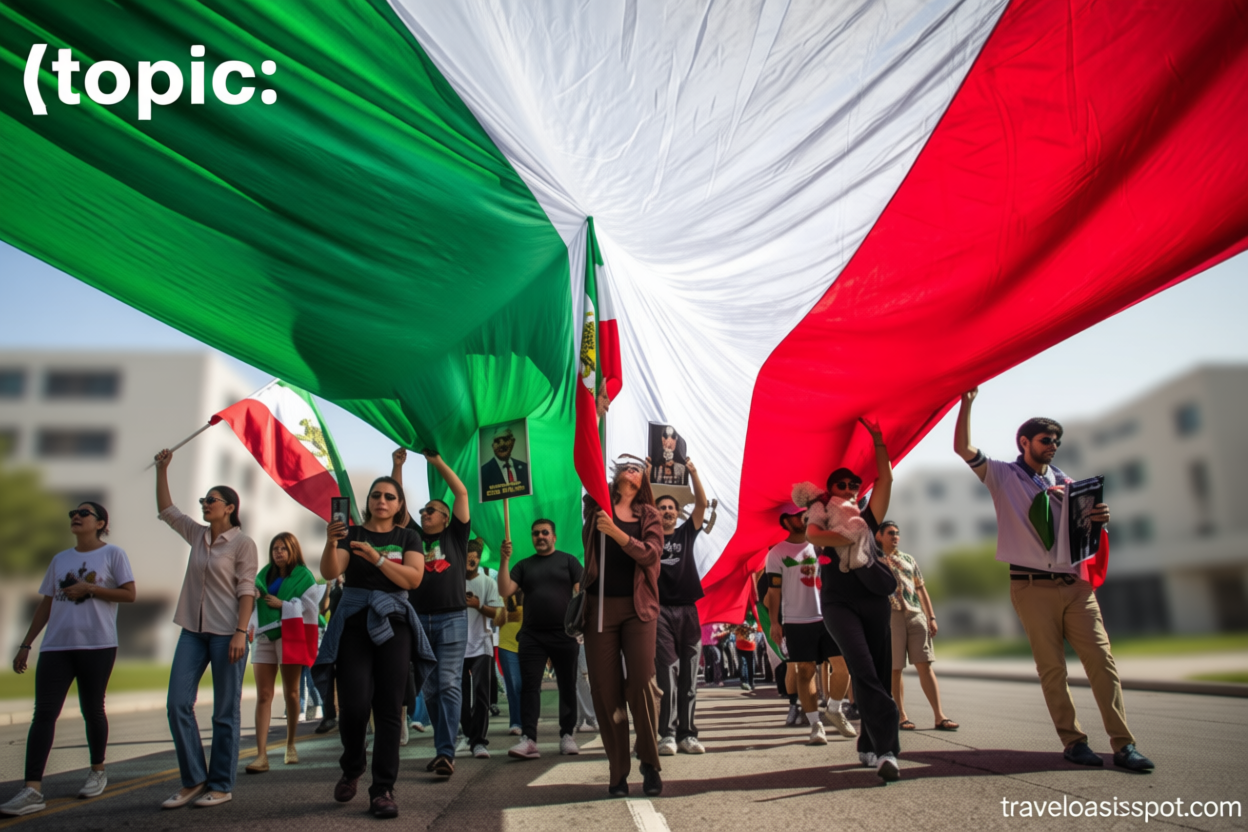
A free Iran is their shared dream. But the diaspora remains torn on the best path forward.
A free Iran is their shared dream. But the diaspora remains torn on the best path forward Los Angeles has become a microcosm of the Iranian diaspora’s internal conflict. Last Saturday, demonstrators gathered near City Hall, decrying the onset of an unsanctioned war with chants like “Stop the war in Iran” and “We the people don’t want war.” Just a few miles away, in Tehrangeles, the same community celebrated what they saw as a potential turning point for their homeland. With American, Israeli, and Iranian flags waving, they danced to upbeat music and rejoiced at the news of Ayatollah Ali Khamenei’s death in a U.S.-Israeli strike. The emotional split within the Iranian diaspora has deepened in recent days, highlighting a stark divide among those who fled theocratic rule after the 1979 Islamic Revolution. “Some are so resentful of the regime that they’d support its destruction even if it means harming parts of the country,” noted Abbas Milani, director of Iranian studies at Stanford University. Others, however, prioritize stability over conflict, advocating for regime change without sacrificing peace. “The images of destruction and the joyous support for war have intensified tensions within the diaspora,” Milani added. “It will get harder before it resolves.” Earlier this year, the Iranian diaspora seemed more unified, rallying behind Iranians protesting the government’s harsh crackdown. Now, with violence escalating across the Middle East, the focus has shifted to debating the methods of achieving change. Online forums have become battlegrounds, with supporters of military action branded as “Zionists” — a term increasingly used as a derogatory label since the Hamas attacks on Israel in October 2023. Anti-war advocates, meanwhile, face accusations of aligning with the regime. Amid this turmoil, the question of Iran’s future leadership has sparked heated discussions. Reza Pahlavi, the son of the last shah, is a favored candidate for some, while others question his ties to the monarchy. The Revolutionary Guard, a central pillar of Iran’s political and military power, is also seen as a key player in shaping the country’s direction if it endures the current crisis. As the death toll mounts and the government imposes an internet blackout, the Iranian diaspora grapples with isolation and uncertainty. The Persian New Year, Nowruz, approaches, traditionally a time of renewal and celebration. Yet, rumors of Mojtaba Khamenei, Ayatollah Khamenei’s son, succeeding him add to the anxiety. Meanwhile, President Donald Trump has suggested removing Iran’s leadership entirely, hinting at potential successors. Public opinion in the U.S. reflects this divide. A recent NBC News poll revealed 54% of potential voters disapprove of Trump’s military approach in Iran. This mirrors the internal split among Iranian Americans, who were previously united in opposing the government’s actions. Last year, a NIAC-YouGov survey found 53% of diaspora members opposed U.S. military intervention, a figure that may shift as the conflict evolves. The Iranian Diaspora Collective, an Instagram account with over 81,000 followers, emphasized this diversity: “We are not a monolith. Millions will never share the same ideology or identity, and that plurality is the strength of any free society.” Los Angeles-based pastor Ara Torosian, a Christian who emigrated from Iran in 2010, expressed anguish over the destruction of cultural sites and the loss of innocent lives, particularly children. Yet he argued that the suffering endured by dissidents under the regime is now being matched by the current conflict.

Essential Offline Travel Guide Apps to Explore Without Wi-Fi
Why Offline Travel Guide Apps Are a Game-Changer for Modern Travelers When planning a trip, having access to reliable information is crucial. However, not all travelers have consistent Wi-Fi connectivity, especially in remote areas, mountainous regions, or during international travel. This is where offline travel guide apps come into play. These apps allow users to explore destinations, navigate unfamiliar cities, and access essential travel tips without relying on an internet connection. Whether you’re heading to a secluded hiking trail or a bustling urban metropolis, an offline travel guide app ensures you stay informed and prepared, no matter the location or situation. The demand for offline travel guide apps has surged in recent years as travelers seek more autonomy. Traditional guidebooks are bulky and outdated, while digital apps often require constant connectivity. Offline travel guide apps bridge this gap by offering real-time updates, interactive maps, and offline access. They are especially useful for adventurers who venture into areas with poor signal or budget-conscious travelers who want to avoid expensive data roaming charges. With the right app, you can plan your itinerary, find local attractions, and even navigate using GPS—all without needing an internet connection. The Benefits of Using Offline Travel Guide Apps One of the most significant advantages of offline travel guide apps is their ability to function without an internet connection. This eliminates the need for costly data plans in areas with limited connectivity. Additionally, these apps are often lightweight, making them ideal for use on smartphones with limited storage space. Another benefit is their reliability; even if your phone loses signal, the app remains operational, providing you with continuous access to travel information. Offline travel guide apps also offer a more personalized experience. Many apps allow users to customize their itinerary, mark favorite locations, and save specific details for later reference. This feature is particularly useful for travelers who want to explore at their own pace or revisit a destination after their trip. Moreover, these apps typically include offline maps, which are essential for navigation in areas without cellular coverage. Whether you’re walking through a historic city or driving through a remote wilderness, an offline travel guide app ensures you never get lost. Top Offline Travel Guide Apps for Every Traveler Several offline travel guide apps stand out for their comprehensive features and user-friendly design. Google Maps is a top choice, offering detailed maps, public transportation routes, and offline access to locations, directions, and points of interest. Maps.me is another popular option, known for its high-quality offline maps and ability to download entire regions. It’s perfect for hikers, cyclists, and road-trippers who need accurate topographical data. For language support, Tripit and Lonely Planet Offline are excellent choices. Tripit allows users to sync their travel plans with Google Calendar, while Lonely Planet Offline provides in-depth travel guides, including photos, local tips, and cultural insights. Citymapper is ideal for city explorers, offering real-time transit updates and offline navigation. Lastly, Wikiloc is a great app for adventure seekers, as it includes offline hiking trails, photos, and user-generated content. These apps cater to different travel needs, ensuring there’s a perfect fit for every journey. Key Features to Look for in Offline Travel Guide Apps When choosing an offline travel guide app, certain features can make a significant difference in your travel experience. High-quality offline maps are a must, as they provide detailed street views, landmarks, and route planning. Look for apps that support real-time navigation, allowing you to track your location and adjust your path on the go. Language support is another critical factor, especially for international travelers. Apps like Lonely Planet Offline or Google Translate integrate translation tools to help users understand local signage, menus, and directions. Additionally, features like offline points of interest (POIs) allow you to search for restaurants, hotels, and attractions without an internet connection. Some apps also include offline audio guides, which can be useful when you’re in a noisy environment or prefer listening to information while walking. How to Use Offline Travel Guide Apps Effectively To maximize the benefits of an offline travel guide app, start by downloading the app before you leave home. Most apps require you to select a specific region or country and download its data, which can take up some storage space. Once installed, familiarize yourself with the app’s interface and customize your settings, such as enabling offline mode or setting up favorite locations. During your trip, use the app’s navigation tools to explore unfamiliar areas. For instance, Google Maps lets you search for nearby attractions and view directions offline. If you’re in a remote location, Maps.me is reliable for detailed topographical maps. Don’t forget to bookmark essential spots or create a list of must-visit places for easy reference. Regularly update the app’s data before your trip to ensure it includes the latest information on transportation, events, and local changes. Tips for Maximizing the Use of Offline Travel Guide Apps To get the most out of your offline travel guide app, plan your trip in advance. Download maps and guides for your destination before departure, and verify that the app includes the latest details on accommodations, transportation, and local attractions. If you’re traveling to multiple locations, consider downloading maps for each area to avoid switching between apps. Another tip is to use the app’s offline features like augmented reality (AR) navigation or local recommendations. For example, Citymapper can suggest the best routes and public transport options even without a connection. Also, keep your app updated by syncing with your online account when Wi-Fi is available. This way, you can access the latest content and ensure your offline data stays current. Lastly, don’t hesitate to share the app with fellow travelers, as it can enhance the experience for everyone involved. The Future of Travel: Offline Apps and Digital Freedom As technology continues to evolve, the role of offline travel guide apps is becoming increasingly vital. These apps empower travelers to explore independently, reducing dependence on constant internet access. They are especially beneficial for
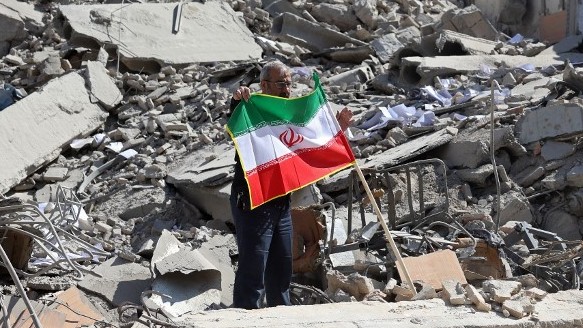
Pentagon prepares for Israeli-US war on Iran that could last ‘until September’
Pentagon prepares for Israeli-US war on Iran that could last ‘until September’ The Pentagon is accelerating intelligence efforts as Washington readies itself for an extended conflict against Iran, with military planning now extending into the autumn months. This move comes amid reports that the US Central Command has requested additional intelligence officers from the Pentagon to bolster operations at its headquarters in Tampa, Florida. A Politico report revealed that the reinforcements would support the campaign against Iran for at least 100 days, potentially stretching into September. The request marks the first known initiative under the Trump administration to increase intelligence personnel for the ongoing war, signaling a shift toward a more prolonged campaign than initially disclosed. Earlier this week, US President Donald Trump suggested the military campaign might span four to five weeks, but he cautioned it could extend beyond that timeframe. The rapid deployment of personnel and resources highlights how unprepared Washington was for the scale of the conflict it initiated in conjunction with Israel, as reported by Politico. According to the Iranian Red Crescent Society, the attacks have resulted in at least 700 deaths and numerous injuries, with over 165 children among the casualties from a double-tap strike on an elementary school. The US Central Command reported Monday that six military personnel were killed in Kuwait as a result of an Iranian strike. Prior reporting from Politico on February 25 revealed that senior Trump advisers advocated for Israel to launch the initial strike against Iran before the US followed suit, which ultimately happened, pulling Washington into the conflict. The war has now become a pivotal issue in Trump’s presidency, deepening rifts within his political base, where many supporters oppose further Middle Eastern engagements on Israel’s behalf. “We knew there would be an Israeli action. We knew it would lead to an attack on American forces, and we knew if we didn’t act before they launched their strikes, the casualties would be higher.” US Secretary of State Marco Rubio emphasized the necessity of US involvement, stating that Israel’s actions compelled Washington’s response. The conflict now threatens to dominate Trump’s administration, with Rubio’s remarks underscoring the refusal to restrain Israel despite its role in escalating the regional war. Israeli Prime Minister Benjamin Netanyahu celebrated the second Israeli-US war with Iran in less than a year, declaring, “The attacks on Iran are being executed with the assistance of the United States, my friend, US President Donald Trump, and the US military.” He also framed the conflict as the realization of a decades-long strategic goal, stating, “This coalition of forces allows us to do what I have yearned to do for 40 years. … This is what I promised—and this is what we shall do.”
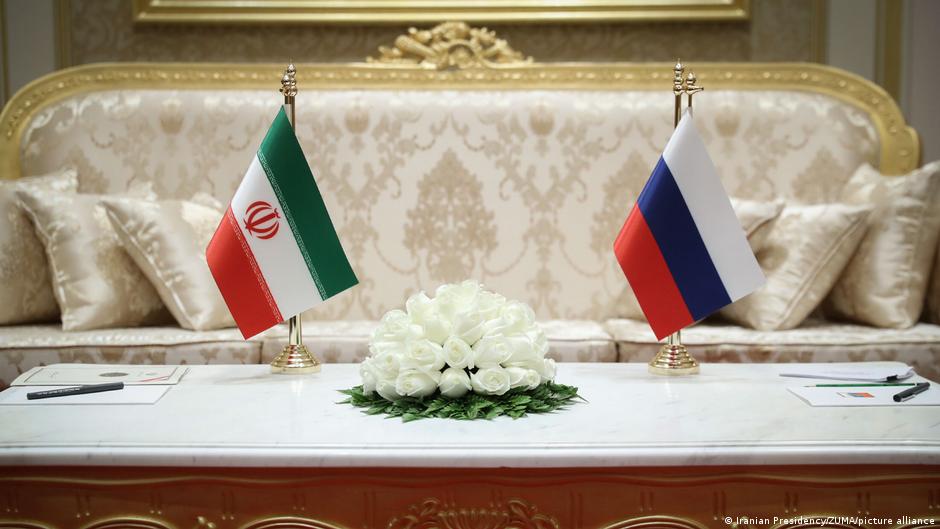
Iran war: Why is Russia not coming to Tehran’s aid?
Iran War: The Role of Russia in Tehran’s Crisis Amid escalating US-Israeli strikes, the Iranian regime—facing dwindling global backing—has pinned hopes on Moscow’s solidarity. Yet, the absence of significant Russian intervention has left Tehran frustrated. Just days into the conflict, Russia’s UN envoy, Vassily Nebenzia, labeled the attacks as an “unprovoked act of armed aggression against a sovereign and independent UN member state.” Despite this diplomatic stance, Moscow’s concrete support has been limited, raising questions about its strategic priorities. Strategic Partnerships Under Pressure Russia and Iran share a long-standing alliance, tied together by shared interests in countering Western influence. However, the lack of active military backing has puzzled analysts. Nikita Smagin, an Azerbaijan-based expert, notes that their collaboration includes vital economic ventures. “The North-South transport corridor is a key example,” he explains. “Russia lost access to its traditional transit routes after invading Ukraine in February 2022, making the corridor a critical lifeline.” Launched in 2000, this 7,200-kilometer multi-mode network passes through Azerbaijan and connects Russia to the Indian Ocean. The Gulf Research Center in Saudi Arabia reports 75% of the project is complete. Yet, despite these ties, Russia has not mobilized to shield Iran from the current assault. “The two nations aren’t defensive allies,” says Julian Waller, a CNA analyst. “Their partnership is pragmatic, not ideological.” Drone Support and Intelligence Sharing Russia has historically relied on Iranian military assets, such as Shahed drones, since 2023. These unmanned systems have transformed the Ukraine war, according to Waller. “Iran’s drones were instrumental in Russia’s campaign, even as production now shifts to domestic models,” he adds. Moscow’s collaboration with Tehran extends beyond weaponry; it includes intelligence exchanges and missile supplies. Smagin highlights that Russia’s alliance with Iran is driven by mutual hardship. “Both face international sanctions,” he says. “Unlike Turkey or Egypt, which might halt trade with Russia if pressured, Iran remains a dependable partner.” Gregoire Roos, Chatham House’s Europe and Russia director, argues that Iran has even served as Moscow’s mentor in navigating sanctions. “Tehran’s experience in evading economic restrictions has guided Russia’s strategies,” Roos explains. Expectations and Calculations Despite this, experts suggest Iran’s expectations were misplaced. Mojtaba Hashemi, a political analyst, notes that Tehran anticipated “tangible political and military support” from Moscow. “This meant expanded cooperation, intelligence sharing, and a strong deterrent message,” he says. “But Russia and China have more pressing concerns, offering only symbolic aid.” Mohammad Ghaedi, a George Washington University lecturer, adds that Russian support was never guaranteed. “Tehran has long been skeptical of Moscow’s loyalty,” he says, citing former President Mahmoud Ahmadinejad’s claim that “Russia has always sold out the Iranian nation.” President Masoud Pezeshkian echoed this sentiment after the 12-day war in June 2025, stating that “countries we considered friends did not help us during the conflict.” Some analysts see potential benefits for Russia in a prolonged Iranian crisis. “A war in the Middle East could divert attention from Ukraine,” says Roos. “It would weaken Zelenskyy’s global standing and force Washington to manage multiple fronts.” This suggests Russia’s inaction may be a calculated move to maximize its geopolitical leverage.

Taxi driver ‘attacked passenger for burping in his car’
Taxi driver ‘attacked passenger for burping in his car’ A 51-year-old taxi driver has been detained after allegedly assaulting an Irish tourist for burping inside his vehicle at a Costa del Sol resort. The incident, which occurred near a hotel on the seafront promenade in Fuengirola, left the 65-year-old victim with severe head and facial injuries. Victim hospitalized after being thrown to the ground The injured passenger was first taken to a health center in Las Lagunas before being transferred to a hospital in Marbella. Witnesses described how the driver punched the tourist to the ground, causing him to hit his head on the curb as he exited the taxi with a companion. According to reports, the driver ordered the unnamed tourist to leave the car for burping, escalating the situation when the passenger and friend stepped out. The second passenger in the vehicle remained unharmed during the altercation. It remains uncertain whether the intoxicated victim is still in the hospital, with officials yet to confirm his current condition. The driver was arrested on the scene by National Police rapid response officers, who arrived with paramedics after being alerted by concerned witnesses. Following an appearance before an investigating judge, the driver was released on bail, though the criminal investigation into the incident continues. This follows a similar case in November of last year, where another Fuengirola driver was detained for allegedly dragging a tourist along the road during a fare dispute. The tourist involved in the earlier incident, whose nationality was not disclosed, was also taken to the same hospital as the Irish victim. In that case, the passenger suffered head injuries when the driver accelerated, causing them to lose their grip on the door handle. “The driver punched the tourist to the ground, leaving him with severe injuries,” a witness reportedly stated. “He was trying to stop him from driving off with his suitcase.” This site is protected by reCAPTCHA and the Google Privacy Policy and Terms of Service apply. Your information will be used in line with our Privacy Policy.

Jim Carrey’s face is up for debate. No, seriously
Jim Carrey’s face is up for debate. No, seriously At the César Awards in France last week, Jim Carrey’s presence sparked a wave of curiosity. His team confirmed to CNN that the actor himself was there, accepting an Honorary César Award. Yet, shortly after, images and clips of Carrey appeared distinctly altered, prompting widespread questioning about his identity. “Jim Carrey attended the César Awards, where he accepted his Honorary César Award,” Marleah Leslie stated to CNN. Photos and video of Carrey looking notably more rounded and youthful circulated online over the weekend. Some viewers claimed they couldn’t recognize him, while others suggested he might have been impersonated by a lookalike in a costume. The actor, who has largely retreated from public view in recent years, made a rare appearance at the UK premiere of “Sonic the Hedgehog 3” in 2025, reprising his role as villain Dr. Robotnik. Alexis Stone, a drag artist famed for transforming into celebrities, posted a series of images online that seemed to hint at an impersonation. The caption read, “Alexis Stone as Jim Carrey in Paris,” alongside photos of the actor at the event and a mask, fake teeth, and wig resembling his signature dark hair. CNN has since contacted Stone’s representatives for clarification. Carrey’s reputation for physical comedy and exaggerated expressions has fueled speculation. His 1990s work on “In Living Color” and the 1994 film “The Mask” established him as a master of theatrical transformation. Even years ago, he drew attention for a surreal New York Fashion Week interview where he declared, “There is no me. There is just things happening,” later explaining it as an “existential experiment.” Adding to the mystery, Carrey’s acceptance speech at the César Awards was delivered in French, a language not native to him. Gregory Caulier, the general delegate of the ceremony, addressed the rumors, stating to Variety, “The Truman Show” actor “worked on his speech in French for months, asking me about the exact pronunciation of certain words.” Caulier also noted that Carrey arrived with his partner, daughter, grandson, and 12 close friends, accompanied by his longtime publicist. Meanwhile, data from the American Society of Plastic Surgeys (ASPS) highlighted a growing trend: men are increasingly opting for cosmetic procedures. In 2024, men accounted for roughly 7% of all cosmetic surgery patients, a slight rise from the previous year. From Joe Jonas, who used Xeomin to smooth his lines, to Simon Cowell, who admitted to using fillers before stepping back, male celebrities are embracing appearance changes without hesitation. So, was Carrey genuinely surprised by the reaction, or did the public’s fascination with his image play a role? The actor’s new look has led to theories about possible plastic surgery, but his supporters argue it’s simply a matter of time and how we perceive stars who rarely appear in public anymore.
Video appears to show US F-15 fighter jet crashing in Kuwait
Video Appears to Show US F-15 Fighter Jet Crashing in Kuwait BBC-confirmed video captures an F-15 fighter jet plummeting from the sky and crashing near Kuwait City. The footage, recorded from the western outskirts of the city near the Al Jahra district, has sparked immediate attention. US Central Command later attributed the incident to “an apparent friendly fire event,” stating that three F-15 jets were downed. All six crew members reportedly ejected safely and are currently in stable condition. Global Reactions to Trump’s Strikes on Iran BBC correspondent Helena Humphrey reports from Washington DC, detailing the second day of President Donald Trump’s military actions against Iran. Iran’s state media has announced the death of Supreme Leader Ali Khamenei, marking a significant escalation in tensions. Protests erupted across American cities on Saturday, with further demonstrations set for upcoming days. Chief international correspondent Lyse Doucet analyzes the immediate fallout of the US-Israeli strikes on Iran. The BBC’s Sarah Smith explores potential implications of the latest attack, while White House reporter Bernd Debusmann Jr is stationed in Palm Beach, Florida, where Trump continues to oversee the operation. Iranian Retaliatory Strikes and Military Context Inside a Tel Aviv bomb shelter, BBC presenter Clive Myrie provides updates on Iran’s response to the US-Israeli assault. The strikes, part of Operation Epic Fury, targeted a Tehran neighborhood, with social media videos showing the aftermath. Trump has accused the Iranian regime of launching an “unending campaign of bloodshed and mass murder targeting the United States,” a claim echoed by BBC’s Jon Donnison in Jerusalem. International Tensions and Nuclear Agreements As the Lunar New Year celebrations unfold globally, from Hong Kong to Buenos Aires, the expiration of the New START treaty raises concerns. The agreement, which previously capped nuclear arsenals between the US and Russia, is now inactive, removing constraints for the first time since 1991. The BBC’s Ione Wells examines Ecuador’s reaction to the incident, which occurred amid rising tensions in the US. Regional Alliances and Strategic Moves Trump’s remarks on NATO allies’ roles during the Afghan war have prompted veterans to voice their opinions. The BBC’s Washington Correspondent Daniel Bush investigates which nations have joined the new international oversight body, alongside its funding plans. Notably, representatives from Kyiv, Moscow, and Washington have convened for the first time since Ukraine’s full-scale invasion in 2022. Corporate Developments Amid Global Events TikTok has finalized a deal to sustain its US operations by establishing a separate entity from global activities. The BBC’s Asia Business Correspondent Suranjana Tewari assesses the potential consequences of this move. Meanwhile, the US president held a ceremony for his newly formed international oversight body, though several key allies were absent. As Trump seeks to expand his influence, including Greenland, Davos may no longer serve as the familiar stage for his diplomatic initiatives.

They survived the bombs, but not the virus: Fatal illness spreads in Gaza
They survived the bombs, but not the virus: Fatal illness spreads in Gaza Mariam Kalloub’s death came as a shock to her mother, Marwa, who had no way of foreseeing that her child’s illness would prove fatal. Despite her belief in Mariam’s strong immune system and the simple treatment she would receive, the child succumbed to a virus that struck with deadly force. Marwa Kalloub, 38, said she never thought a common illness could end her daughter’s life. “Mariam had no prior health issues,” her aunt Iman Kalloub recalled to Middle East Eye. “Before she passed, she experienced intense coughing, vomiting and a high fever. She stopped eating entirely.” “We anticipated her recovery would take time, but we never imagined it would end like this,” Kalloub added. Recent weeks have seen a fast-spreading virus claim lives in Gaza, a region already battered by prolonged conflict. The health system, crippled by years of violence and resource shortages, has struggled to cope with the surge in cases. Doctors remain uncertain about the virus’s identity, citing inadequate testing and a lack of critical medical supplies. Mariam, eight years old, was admitted to Rantisi Hospital on 11 January. Once a key facility for treating childhood ailments like kidney disease and cancer, it now focuses on respiratory and digestive infections due to repeated damage from Israeli attacks. “Two years of war didn’t kill her. A small virus did,” Kalloub said, reflecting on the tragedy. The family had celebrated the October ceasefire with cautious optimism, using it to rebuild and send Mariam back to school. Yet the virus, which had been lurking in the shadows, proved unstoppable. Health officials have noted a 200% increase in emergency cases, with respiratory infections, fever, weight loss and joint pain being common symptoms. Severe pneumonia has led to thousands needing hospital care, including intensive treatment. Mortality has also risen, highlighting the crisis. “Gaza faces an unprecedented health emergency due to the Israeli blockade,” said Mohammed Abu Salmiya, director of al-Shifa Medical Complex. “Nearly every household has someone infected. It could be flu, a new strain, or even coronavirus.” A November 2025 report by the Health Cluster, led by the World Health Organization, revealed that most medical facilities cannot offer full services. It found 55% of essential drugs were unavailable, while 71% of basic supplies were out of stock. “Diagnosis and treatment are extremely difficult without proper equipment,” Abu Salmiya noted. Bed occupancy in hospitals has reached 150-200% due to the influx of patients. Overcrowded camps, leaking tents, and contaminated water have worsened the spread of infection. Vulnerable groups like children, the elderly, and those with chronic conditions face the highest risk. “Famine and malnutrition have severely weakened immune systems,” Abu Salmiya explained. “This has caused complications, even among patients undergoing dialysis, cancer treatment, or heart care.” Despite the October ceasefire, UN agencies reported last month that 77% of Gaza’s population still suffers from acute food insecurity. This has left many susceptible to disease, as the virus exploits the region’s fragile state. The collapse of immunity, combined with limited healthcare access, has turned a simple illness into a life-threatening crisis.
Effective Travel Accommodation Booking Strategies for a Smooth Trip
Effective Travel Accommodation Booking Strategies for a Smooth Trip Booking accommodation for your travels can be one of the most stressful parts of the trip planning process. With so many options available, it can be overwhelming to decide where to stay. Whether you’re looking for budget-friendly hostels, luxurious hotels, or private vacation rentals, having a solid strategy in place can help streamline your accommodation booking process. In this article, we’ll explore effective travel accommodation booking strategies that will ensure a smoother, hassle-free journey. 1. Plan Ahead to Get the Best Deals One of the best travel accommodation booking strategies is to start planning early. The earlier you book, the better your chances of securing great deals, especially during peak travel seasons. Hotels and other accommodations often offer discounts for early bookings, and you’ll have a wider range of options available to choose from. It’s also important to consider any special events or holidays in the destination city. These events can drive up accommodation prices, so if you’re traveling during a busy time, planning in advance can save you money and stress. Use booking websites to compare prices and keep track of discounts. 2. Use Multiple Booking Platforms While there are many travel accommodation booking sites available, each platform might offer different deals and options. Travel accommodation booking strategies should include using multiple platforms to compare prices and find the best deals. Some popular booking websites include Booking.com, Airbnb, and Expedia, but don’t forget to check smaller or more niche platforms that might specialize in certain types of stays. It’s also a good idea to check the accommodation’s website directly. Sometimes, hotels and vacation rental owners offer better deals or perks when you book directly with them, such as free Wi-Fi, breakfast, or room upgrades. Don’t hesitate to reach out and inquire about possible discounts. 3. Consider Location and Transportation Options Choosing the right location for your accommodation is just as important as the price. Effective travel accommodation booking strategies must take into account not only the cost of staying somewhere but also its proximity to the attractions you want to visit and the availability of public transport. Staying close to the city center can be convenient, but it often comes at a premium price. Alternatively, accommodations located a little farther from popular tourist sites can be significantly cheaper. However, you’ll need to factor in the cost and time of commuting to and from these places. Research public transportation options such as buses, subways, or bike rentals to ensure that traveling around will be easy and affordable. 4. Read Reviews and Ratings Carefully One of the most important steps in any travel accommodation booking strategy is to read guest reviews thoroughly. Reviews can provide insights into the actual experience of previous travelers and highlight potential issues you may not have considered. Look for reviews that focus on aspects such as cleanliness, customer service, amenities, and the accuracy of the listing description. Websites like TripAdvisor and Google Reviews are excellent sources of information. Pay attention to the most recent reviews to ensure the accommodation maintains its quality. While one or two negative reviews might be acceptable, a pattern of complaints about the same issue could be a red flag. 5. Flexible Dates for Better Pricing Flexibility can significantly affect the price of your accommodation. If your travel dates are flexible, you may be able to take advantage of price fluctuations. Many booking sites have a feature that lets you search for available accommodation across a range of dates, helping you identify the cheapest options. Moreover, travel accommodation booking strategies that involve adjusting your check-in and check-out days by even a day or two can lead to considerable savings. Mid-week stays (Tuesday to Thursday) tend to be cheaper than weekends, so if your schedule allows, try shifting your dates to save money. 6. Look for Hidden Fees and Policies When booking your accommodation, always be sure to check for any hidden fees. Some platforms may advertise a low base price, but once you add taxes, service fees, cleaning fees, or resort charges, the total cost can increase dramatically. Always look for the total price before making a booking. In addition, understand the accommodation’s cancellation and refund policies. Flexible policies may allow you to cancel or modify your booking without incurring significant fees, which can be helpful in case your plans change unexpectedly. Conclusion Booking accommodation can set the tone for your entire trip, so it’s worth investing time and effort into developing effective travel accommodation booking strategies. By planning ahead, comparing prices across multiple platforms, choosing the right location, reading reviews, being flexible with your dates, and being aware of hidden fees, you can secure great accommodation and enjoy a stress-free stay. FAQ Q: How far in advance should I book my travel accommodation? A: Booking as early as possible, at least 2-3 months in advance, gives you the best chance of securing deals, especially during peak seasons. Q: Are there any risks to booking accommodation last minute? A: Yes, last-minute bookings can lead to limited availability, higher prices, and fewer options, especially during peak travel periods. Q: How can I find the best deals on accommodation? A: Use multiple booking platforms, check for special promotions, and consider booking directly with the accommodation to get the best rates and perks. Q: Should I book my accommodation based on location or price? A: A balance of both is ideal. Choose a location that’s convenient to your main attractions and budget, but don’t sacrifice comfort and safety for a cheap price. Q: Can I get discounts for booking accommodation with flexible dates? A: Yes, being flexible with your travel dates can help you find cheaper options, as mid-week stays and certain times of the year tend to offer better deals.
