

‘It was crazy!’ – Chelsea questioned for leaving out £38m machine El Hadji Malick Diouf has lauded Axel Disasi’s contributions since joining West Ham, expressing surprise that the defender was overlooked by Chelsea despite his £38m move from Monaco in 2023. Disasi was expected to make an immediate impact after arriving at Stamford Bridge, but his performances during the 2024/25 campaign fell short of the hefty transfer fee. A loan to Aston Villa midway through the season highlighted his struggles, and upon returning to Chelsea, he was sidelined, with no appearances in the first half of the campaign before moving to West Ham. “The guy is not a small player! It was crazy he stayed for so long and didn’t play, but when he came here, he showed he’s a machine!” Diouf, who partnered Disasi in all five of his first league games for West Ham, shared these thoughts on the club’s official website. His remarks underscore the contrast between Disasi’s role at his new team and his lack of opportunities at Chelsea. With three-and-a-half years left on his Chelsea contract, Disasi’s future remains uncertain. West Ham’s interest in a permanent deal will hinge on their ability to avoid relegation, following a dismal stretch of ten winless games between November and January. West Ham’s revival sparks renewed hope After a prolonged slump, the Hammers have turned their fortunes around, securing four league wins in 2026. This brings them level with Nottingham Forest in the table, and a victory against Manchester City in their upcoming FA Cup quarter-final clash could bolster their Premier League survival chances. “It’s a special night because we did a good game in a tough stadium against a strong team, with a top manager and excellent players,” Espirito Santo said after West Ham’s win at Fulham. “We know how hard it is to come here and get a result. That’s what pleases us the most.” The manager emphasized the team’s belief, stating, “We don’t measure belief—we always have it. We always have hope, but what we need is improvement. Today was a big day for us, but the situation never changed. Nothing has changed. It required a lot more from all of us.” Meanwhile, Metro’s Head of Sport James Goldman provides sharp insights and transfer updates directly to readers each week. The site also uses reCAPTCHA, adhering to Google’s privacy policy and terms of service to safeguard user data.
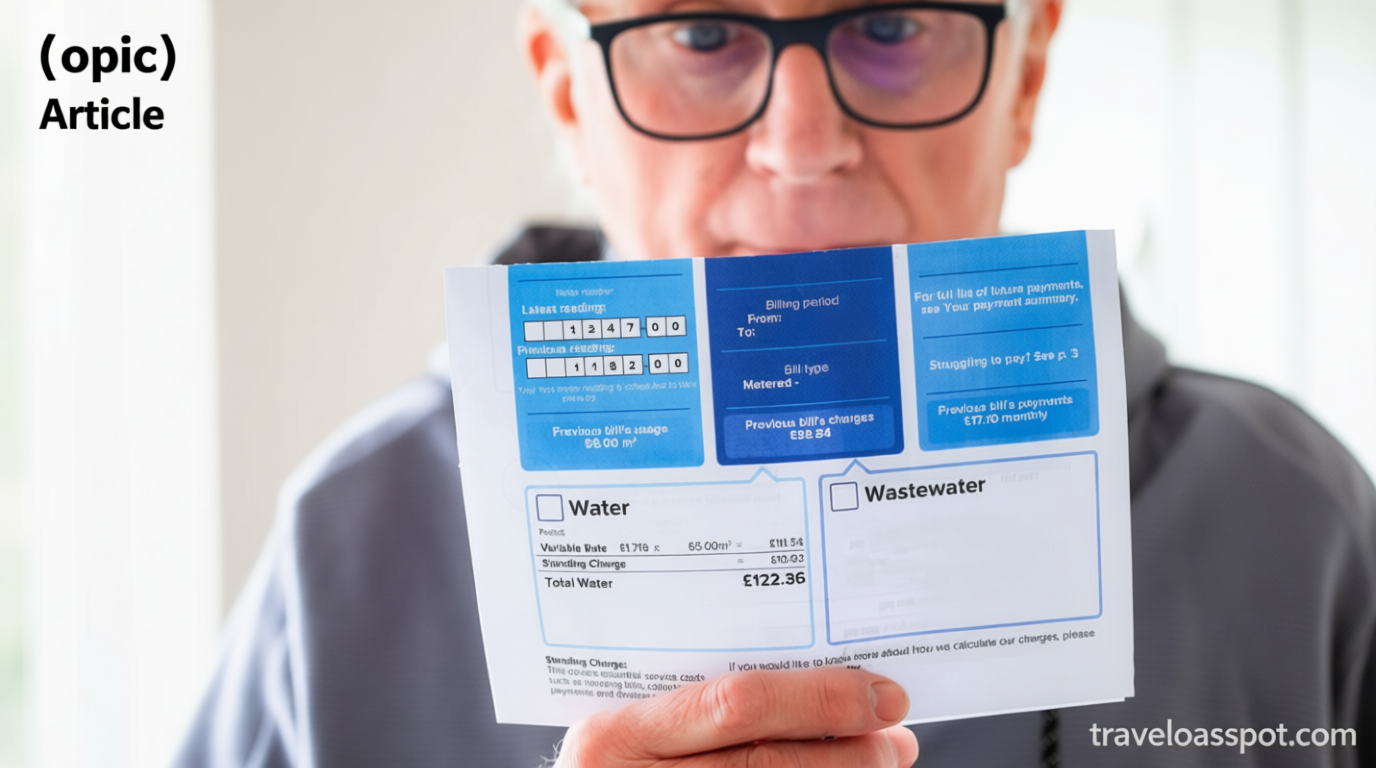
The water companies using bailiffs to collect customer debt more than 6,000 times a year
The water companies using bailiffs to collect customer debt more than 6,000 times a year Recent data has uncovered that certain water providers rely on bailiffs to recover outstanding customer payments over 6,000 times annually. This practice, previously undisclosed, highlights significant disparities in how different companies employ debt collection tactics. MP Committee Reveals Varied Bailiff Usage Among Water Providers The Environment, Food and Rural Affairs (Efra) Committee’s findings reveal that some companies are far more aggressive in using bailiffs than others. For instance, Wessex Water has avoided this method entirely for the past ten years, while Welsh Water reported fewer than 1,000 bailiff actions each year from 2019 to 2025. Southern Water, however, stood out with 15,707 bailiff instructions in 2019, followed by over 6,000 in 2020, more than 5,000 in 2023, and exceeding 8,000 in 2024. Last year, their count dropped to over 4,000. Yorkshire Water and United Utilities also frequently exceeded the 6,000 threshold, with United Utilities doing so every year since 2021. Industry-Wide Bailiff Activity Peaks Post-Pandemic Bailiff usage across the sector reached its highest levels in 2023 and 2024, coinciding with the aftermath of the COVID-19 pandemic. This surge has prompted questions about the causes, with Efra committee chairman Alistair Carmichael noting: “Why did bailiff use increase so rapidly after the pandemic? Did anyone look into it at the time?” Meanwhile, the Council for Water announced it would scrutinize the committee’s data. Andy White, the council’s social policy lead, emphasized: “The use of bailiffs should be an absolute last resort and only applied when a customer clearly fails to pay their bill persistently and deliberately.” He added that such measures should not target individuals in financially vulnerable situations. Companies’ Justifications for Bailiff Use “Enforcement action is a last resort,” said Yorkshire Water. “We only use it against customers who can afford to pay but choose not to.” “We take court action against customers we believe have the means to settle their debts,” stated a United Utilities spokesperson. “Southern Water strives to support struggling customers and uses bailiffs when necessary to maintain service quality,” the company explained. Northumbrian Water claimed it refrains from using bailiffs for those receiving means-tested benefits, but Southern Water acknowledged that such individuals may still face legal proceedings. The committee also noted that South West Water/Pennon and Yorkshire Water topped the bailiff usage list in 2025 after adjusting for population size. Most of the 11 English and Welsh water and wastewater firms operated within a range of 500 to 4,500 bailiff actions during the 2024-2025 period. The data underscores the growing pressure on households, with the Efra committee highlighting cost-of-living challenges as a key factor in the rise of enforcement actions.
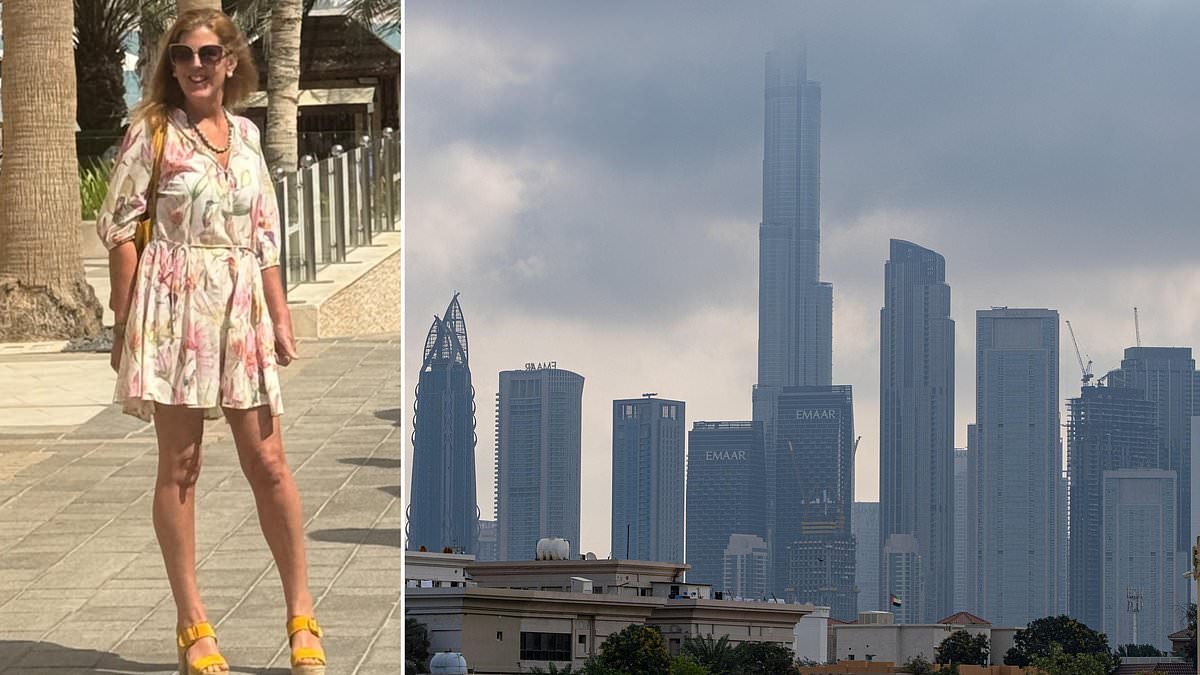
SHONA SIBARY: I was at bottomless brunch when a jet roared overhead. It was the start of a week of fear – of Iran’s missiles, for my daughters and dogs at home, and piling on weight without my fat jabs… I was under siege in Dubai (without my Mounjaro!)
SHONA SIBARY: My brunch in the UAE turned into a week of dread as Iran’s missiles loomed Three times annually, I travel to my husband’s residence in the UAE, an hour north of Dubai, to reunite with Keith, 58, whose career as an energy consultant demands lengthy absences. Over nine years, this 4,000-mile separation has become a ritual of escape—providing respite from the chaos of raising four children in Sussex. Yet this particular trip has unfolded like a nightmare. Just days into the conflict, I found myself stranded in a war zone, unable to return home. This is my account of five harrowing days, when a routine weekend of cocktails and sunbathing transformed into enforced confinement. The turmoil began with a jet streaking overhead, triggering a cascade of anxiety for my family back in the UK and my own struggle to maintain a tan amid the danger. A brunch with a twist Near Keith’s apartment in Ras Al-Khaimah—a small emirate north of Dubai—lies a Hilton hotel renowned for its weekend brunches. For £50 per person, guests indulge in a lavish spread featuring oysters, lobster, beef tenderloin, and seabass. Alcohol is also served in abundance, from negronis to sparkling wine, creating an atmosphere of unbridled festivity. “Under no circumstances is anybody to call me unless there is an absolute emergency,” I furiously typed into the family WhatsApp group, while simultaneously dousing oysters in Tabasco. “I don’t want anything to ruin my brunch.” Yet this year, the joy of the meal was overshadowed by the roar of a jet overhead. The sound was so intense that all on the terrace—gazing at the Persian Gulf—jolted upward. “What the hell was that?” a stranger at the adjacent table shouted. Phones were fumbled, drinks set aside. “Trump has attacked Iran,” someone else guessed, leaving me stunned by the absurdity of it all. For years, my family has shared a superstition: whenever I arrive and begin sipping margaritas, calamity strikes back home. On one occasion, it was my eldest daughter Flo, then 19, who had a car accident. On another, one of our dogs vanished without a trace. This time, the fear was palpable as the war escalated. Yesterday, the Fairmont Hotel on Dubai’s Palm Island—famous for its infinity pool facing the marina—was struck by debris from an intercepted drone, igniting a fire. The surreal event left holidaymakers trembling, wondering if it was a prelude to a larger assault. Today, the panic reached a new peak when Dubai airport was hit by a missile, forcing the cancellation of all flights, including mine scheduled for tomorrow. Now, the beach is a place of uneasy calm. I oscillate between the urge to flee and the fear of what lies ahead. The war has turned my escape into a test of endurance, with every missile overhead a reminder that my daughters and dogs are still in the UK, vulnerable to the chaos I’ve now become a part of.

Hezbollah is dragging Lebanon into the war on Iran, but the militia is a shadow of the force it once was
Hezbollah is dragging Lebanon into the war on Iran, but the militia is a shadow of the force it once was Lebanon now stands on the edge of full involvement in the intensifying US and Israeli conflict with Iran, a situation the government has sought to prevent. Israel’s recent expansion into southern Lebanese territory, marked by increased violence such as air strikes, has intensified pressure on the country. This escalation follows Hezbollah’s decision to retaliate for the assassination of Iranian Supreme Leader Ayatollah Ali Khamenei. On Monday, the Lebanese militia launched its first cross-border strike since late 2024, targeting an Israeli military base near Haifa with missiles and a drone swarm. The attack aimed to showcase Hezbollah’s enduring ability to act as a proxy for Tehran, despite its diminished strength. Subsequent drone assaults were framed by the group as a response to Israeli aggression that had damaged dozens of Lebanese cities and towns, focusing on radar sites and control rooms in northern Israel. “We will not allow the country to be dragged into new adventures, and we will take all necessary measures to stop those responsible and protect the Lebanese people,” said Nawaf Salam, Lebanon’s prime minister, in a Monday post on X. Hezbollah, once a formidable force with a vast arsenal and a key role in deterring direct Israeli action against Iran, now struggles to maintain its former influence. Years of relentless Israeli assaults have led to the deaths of its top leaders, the loss of southern strongholds, and the depletion of its missile stockpiles. Internal political pressure has also mounted, with the government formally banning Hezbollah’s military operations in an effort to avoid further Israeli retaliation. Israel, meanwhile, has mobilized tens of thousands of reservists near the Lebanese border, raising questions about a potential large-scale invasion. The IDF maintains that its presence is limited to the immediate border area, focused on defensive operations to shield Israeli civilians and secure strategic locations. “This is not a maneuver or a large-scale operation – it is a tactical measure to ensure security and prevent infiltration attempts,” stated Lt. Col. Nadav Shoshani during a Tuesday press briefing. The militia’s current state of weakness has left Iran more exposed. With its key Lebanese proxy struggling, a major deterrent against Israeli attacks has been reduced. Israel now targets Hezbollah not because of its strength, but due to its vulnerable position, signaling a shift in the balance of power in the region.

Slow genocide: Death and displacement continue in Gaza months into ceasefire
Slow genocide: Death and displacement continue in Gaza months into ceasefire Despite the pause in hostilities, the health crisis in Gaza persists, leaving many without access to vital care. Najat Sayed al-Hessi, a 61-year-old resident, has waited nearly two and a half years for her cancer treatments, receiving none during that time. “Nothing has changed for cancer patients in Gaza since the ceasefire,” al-Hessi shared with Middle East Eye, as the disease progresses unchecked in her body. Her journey to seek care began on 7 October 2023, the war’s start, when she planned to travel to Ramallah for her medication. However, the conflict delayed her treatment, and since then, medical referrals to facilities outside Gaza have ceased entirely. Hospitals within the war-torn region now struggle to provide basic care, including chemotherapy and diagnostic tools. Al-Hessi’s condition exemplifies the broader struggle, as nearly two million Gazans endure severe hardship three months after the ceasefire. Two years of Israeli bombardments have devastated the enclave’s infrastructure, including its healthcare system. While residents expected respite from the October ceasefire, ongoing restrictions on movement and supplies have kept the suffering alive, albeit at a slower pace. “We are still living under the same threats and circumstances, only with less noise,” al-Hessi remarked, highlighting the unrelenting pressure on civilians. Her local clinic recently denied her pain relief, offering no vitamins or medications for her osteoporosis and slipped disc. Critical shortages cripple Gaza’s medical system The Palestinian health ministry reported that 56% of essential drugs, 68% of medical consumables, and 67% of lab supplies are unavailable. Without proper screening, patients cannot track the disease’s spread, leaving them in uncertainty. Dr. Muhammad Abunada, medical director at Gaza’s Cancer Centre, noted that only 30% of needed medications are accessible. “Even when available, they are often ineffective, as patients require multiple drugs for treatment,” he explained. Before the war, one cancer patient died daily in Gaza. Now, two or three perish each day, with many unable to leave for care abroad. The death rate has surged, underscoring the crisis faced by thousands. UNICEF data reveals the mortality rate among newborns has risen by 75% in the war’s final three months. Between July and September, 47 infants died monthly, double the 2022 average. These grim figures persist as Israeli artillery and gunfire continue to claim lives daily. Forced displacement remains a constant threat, with dozens of families losing homes to military incursions and land annexation. The ceasefire has not ended the slow, systematic toll on Gaza’s population, as al-Hessi’s story illustrates.
Best Beach Travel Websites for Dream Getaways in 2026
Best Beach Travel Websites for Dream Getaways in 2026 Planning the perfect beach vacation requires more than just finding the ideal destination; you also need the right tools to help you explore and book your dream getaway. In 2026, beach travel websites are more advanced than ever, offering personalized recommendations, exclusive deals, and user-friendly interfaces. If you’re looking for the best beach travel websites, this article will highlight the top platforms that can help turn your dream beach vacation into a reality. 1. The Rise of Beach Travel Websites Beach vacations have always been a popular choice for travelers seeking relaxation, adventure, or both. But with the ever-growing number of options available, finding the right beach destination and booking your trip can be overwhelming. This is where the best beach travel websites come in. These platforms aggregate information from across the web, offering tailored recommendations based on your preferences, budget, and travel dates. They allow you to compare flight options, accommodation types, activities, and even travel insurance in one place. In 2026, travel technology has evolved, making it easier than ever to plan the perfect beach vacation. With an abundance of features like real-time price alerts, virtual tours, and curated experiences, these websites ensure that you have all the information you need at your fingertips. 2. Top Beach Travel Websites to Consider Several websites have risen to the top of the industry due to their comprehensive offerings and user-friendly interfaces. Let’s dive into some of the best beach travel websites for 2026. Expedia Expedia remains one of the leading names in online travel booking. Known for its extensive beach vacation options, this platform provides access to thousands of beach resorts, beachfront hotels, and exclusive packages worldwide. Users can easily compare prices, read detailed reviews, and take advantage of last-minute deals. With its simple interface and frequent promotions, Expedia continues to be one of the best beach travel websites for planning your perfect getaway. Kayak Kayak is a powerhouse when it comes to finding the best deals on flights, hotels, and car rentals. For beachgoers, it offers a unique “Beach” filter that helps you narrow down the perfect location based on your preferences. Whether you’re searching for a secluded tropical island or a bustling coastal city, Kayak gives you all the tools you need to book your dream vacation at competitive prices. Booking.com Booking.com offers a large selection of beachfront hotels, resorts, and vacation rentals, making it one of the best beach travel websites for those who prefer a wide range of options. Their user-friendly search features allow you to filter based on budget, amenities, and location. Booking.com also includes verified guest reviews, ensuring you make an informed decision when choosing your beach destination. BeachBound BeachBound is a dedicated platform that focuses solely on beach vacations. With a wide selection of beach resorts, all-inclusive hotels, and beachfront properties, BeachBound offers a curated experience for travelers. You can search by specific types of beach experiences, whether you prefer a family-friendly resort or a romantic getaway. The website’s specialized focus makes it an excellent choice for anyone looking for a beach escape in 2026. TripAdvisor TripAdvisor continues to be one of the best beach travel websites thanks to its expansive collection of reviews, ratings, and travel tips. Users can find beach destinations, read firsthand accounts from fellow travelers, and explore a wealth of photos to help them make decisions. The site also offers package deals and travel itineraries, making it a comprehensive resource for booking beach vacations. 3. Features to Look for in the Best Beach Travel Websites When selecting the best beach travel websites, certain features can greatly enhance your travel planning experience. Here are a few to keep in mind: Price Comparison Tools Many of the top travel websites, including Kayak and Expedia, provide robust price comparison tools. These allow you to compare flight and hotel rates across multiple platforms, ensuring you get the best deal available. Some websites also offer price alerts, so you’ll be notified if a deal drops within your budget. Destination Inspiration The best beach travel websites go beyond just booking flights and accommodations—they offer destination inspiration as well. Websites like BeachBound specialize in providing curated lists of top beaches, with detailed descriptions of each location’s unique characteristics. Whether you’re looking for pristine beaches in the Maldives or hidden gems in the Caribbean, these platforms help spark ideas for your next beach adventure. Reviews and Recommendations Reading reviews and recommendations from fellow travelers is a crucial step in ensuring your beach vacation goes smoothly. Websites like Booking.com and TripAdvisor excel in this area, providing detailed, user-generated content that gives you a real sense of what to expect at your destination. Reviews help you avoid potential disappointments and uncover local secrets that you might have missed otherwise. Customization Options In 2026, many travel websites allow you to customize your beach vacation based on your specific preferences. Whether you want an all-inclusive resort, a luxury beachfront villa, or a cozy seaside cottage, platforms like Expedia and Booking.com allow you to filter options to meet your exact needs. Some websites even offer tailored packages that include everything from flights to excursions, providing a one-stop shop for all your vacation needs. 4. How to Make the Most of Beach Travel Websites To ensure you get the best possible experience from the best beach travel websites, follow these tips: * Set up Price Alerts: Price fluctuations are common in the travel industry, especially for popular beach destinations. By setting up price alerts, you can track deals and book at the right moment to get the best rate. * Check for Special Offers: Many beach travel websites offer exclusive promotions, including discounted hotel stays or vacation packages. Look for seasonal discounts or limited-time deals to maximize your savings. * Read Reviews Thoroughly: Don’t just skim through reviews—take the time to read them carefully. Look for reviews that mention the things that matter most to you, such as the quality of the beach,

How to Capture Great Beach Photos Like a Pro
Beach photography looks simple, but creating images that feel vibrant, balanced, and professional requires intention. If you want to understand how to capture great beach photos, you must control light, composition, timing, and camera settings. The beach is a high-contrast environment with reflective sand, moving water, and unpredictable weather. Mastering these elements separates casual snapshots from compelling images. Beach conditions change rapidly, so preparation and awareness matter more than expensive gear. Whether you use a smartphone or a DSLR, knowing how to work with natural light and movement will dramatically improve results. The following guide explains practical techniques professionals use in coastal photography. Understand Light at the Beach Light is the single most important factor in how to capture great beach photos. Beaches reflect sunlight from sand and water, often causing harsh highlights and washed-out skies during midday. Shooting at the right time makes an immediate difference in image quality. The best time to photograph is during golden hour, shortly after sunrise or before sunset. The light is softer, warmer, and creates natural shadows that add depth. During these hours, skin tones look more flattering and the ocean gains texture instead of appearing flat. If you must shoot midday, reduce exposure slightly to prevent blown highlights. Use your camera’s exposure compensation to lower brightness by one-third to one full stop. This preserves sky detail and prevents overexposed sand. Cloudy days can be useful. Overcast skies act as a natural diffuser, producing even lighting that works well for portraits. Professionals do not avoid clouds; they adapt to them. Master Composition for Coastal Scenes Composition determines whether a beach photo feels intentional or random. The most effective tool is the rule of thirds. Place the horizon on the upper or lower third of the frame instead of the center. When emphasizing the sky, position the horizon low. When highlighting the ocean or foreground textures, position it higher. This creates visual balance and avoids static images. Use leading lines to guide the viewer’s eye. Shorelines, footprints, docks, and waves naturally create directional lines. Position yourself so these lines move toward your subject. Foreground elements add depth. Include shells, rocks, or textured sand in the lower frame. Depth transforms a flat beach snapshot into a layered, professional-looking image. Negative space also plays a role. A wide stretch of open sky or sand can emphasize isolation, calmness, or scale. Knowing when to simplify is part of learning how to capture great beach photos with intention. Control Exposure and Camera Settings Beach environments are bright and reflective. Automatic settings often overexpose images because cameras try to balance extreme brightness. Switching to manual or semi-manual modes provides better control. For sharp images in daylight, use a low ISO (100–200). This reduces noise and preserves detail. Pair it with a faster shutter speed if you want to freeze motion, such as splashing waves or running subjects. If your goal is smooth, silky water, slow the shutter speed. Use a tripod and a shutter speed of one to five seconds to create motion blur. This technique adds artistic softness to waves. Aperture affects depth of field. For landscapes, use a smaller aperture like f/8 to f/11 to keep foreground and background sharp. For portraits, use a wider aperture such as f/2.8 to blur the background and separate the subject. White balance also matters. Set it to daylight or cloudy mode rather than auto to maintain consistent color tones. Sand and ocean reflections can confuse automatic adjustments. Work With Movement and Wind Beaches are dynamic. Wind, waves, and people constantly move. Instead of fighting motion, use it creatively. For action shots, increase shutter speed to capture crisp detail in jumping water or flying hair. A speed of 1/1000 second freezes most motion effectively. This works well for sports or playful beach scenes. To create drama, photograph waves just before they crash. Watch patterns and anticipate timing. Professionals observe wave cycles rather than randomly pressing the shutter. Wind can add texture to clothing and hair in portraits. Position your subject so the wind flows naturally rather than directly into their face. Movement should look intentional, not chaotic. If sand is blowing heavily, protect your gear. Use lens hoods and avoid changing lenses in open wind. Equipment protection ensures consistency in learning how to capture great beach photos without interruption. Use Color and Contrast Strategically Color defines beach photography. Blue water, golden sand, and warm sunlight create strong natural palettes. However, over-saturation reduces realism. Shoot in RAW format if possible. RAW files preserve more detail and allow better control in post-processing. You can adjust highlights, shadows, and white balance without damaging image quality. Enhance contrast moderately to define waves and clouds. Increase clarity carefully to add texture to sand. Avoid pushing vibrance too far; subtle adjustments look more professional. Reflections offer unique color opportunities. Wet sand can mirror sunsets beautifully. Position yourself low to capture reflection symmetry for striking compositions. Silhouettes are powerful during sunset. Expose for the sky and let the subject fall into shadow. This technique simplifies the frame and emphasizes shape. Capture Strong Beach Portraits Portraits at the beach require attention to light direction. Position your subject with the sun behind them for a natural backlit effect. This prevents squinting and harsh facial shadows. Use reflectors if available to bounce light back onto the face. If you do not have one, light-colored sand can act as a natural reflector. Slight repositioning improves facial illumination instantly. Encourage natural movement. Walking along the shoreline or interacting with water creates authentic expressions. Stiff poses rarely feel genuine in coastal settings. Focus on the eyes. Even in wide beach scenes, sharp eyes maintain connection. Use single-point autofocus to ensure accuracy. Distance also matters. Step back and include environmental context for lifestyle-style portraits. Alternatively, move closer for emotional detail. Both approaches are valid depending on the story you want to tell. Plan Ahead for Professional Results Preparation separates amateurs from professionals. Check tide schedules to avoid unexpected water levels. Research weather forecasts to
