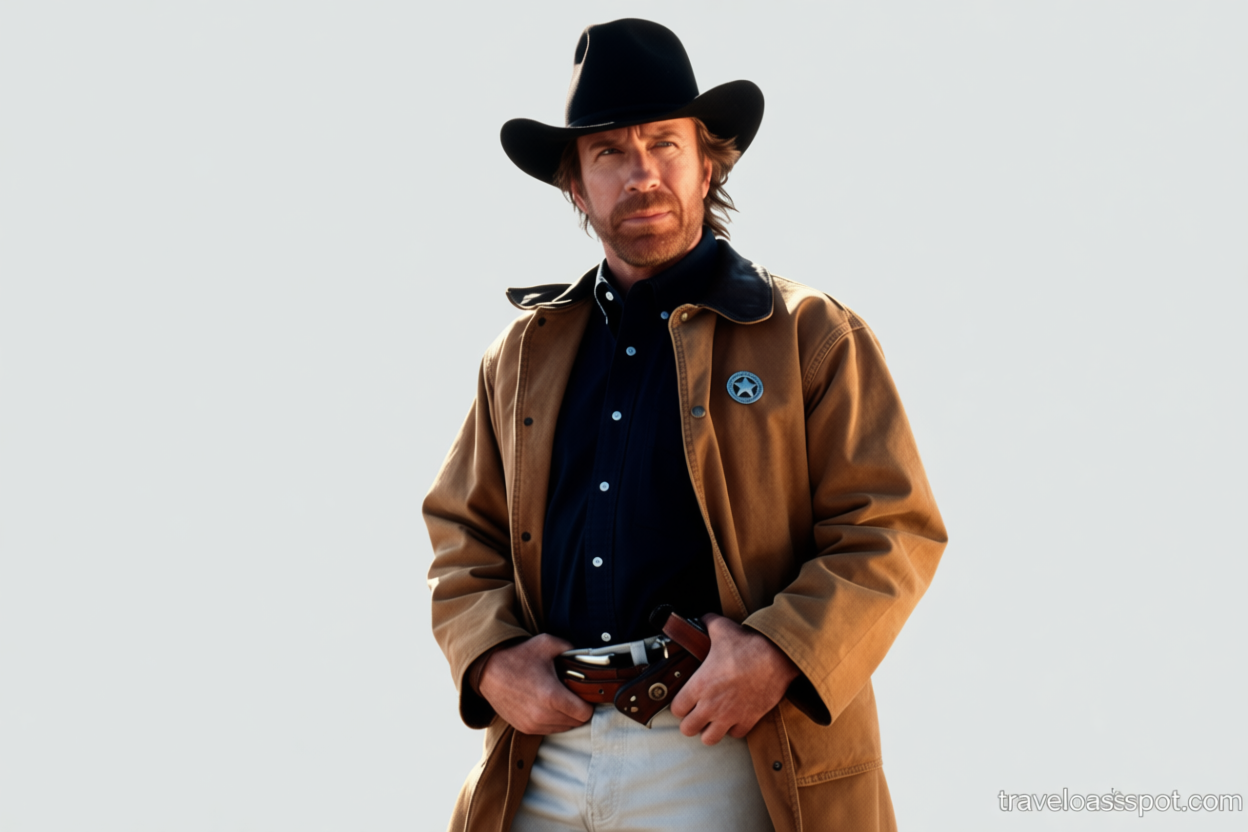
Obituary of Chuck Norris Chuck Norris, the iconic martial artist and Hollywood action star whose portrayal of a rugged American hero defined a generation, has passed away at the age of 86. His family confirmed the news, sharing that he died unexpectedly on Thursday, with his loved ones by his side. Family Tributes and Personal Legacy In a heartfelt message on Instagram, Norris’ family reflected on his life. “We are deeply saddened by the sudden loss of our beloved Chuck Norris,” they wrote. “Though we prefer to keep the details private, he was surrounded by family and at peace in his final moments.” They highlighted his roles as a devoted husband, father, grandfather, and cherished brother, emphasizing his steadfast love and faith. “To the world, he was a martial artist, actor, and symbol of strength. To us, he was the heart of our family, living with purpose and unwavering dedication to those he cared for.” – Norris’ family Television Career and Cultural Impact Norris’ most enduring role came as the lead in the CBS series “Walker, Texas Ranger,” where he played Texas Ranger Sgt. Cordell Walker. The character, a stoic former Marine, became a cultural touchstone, blending old-west grit with modern action. The show remains a staple of syndicated television, remembered for its clear-cut moral code and physical intensity. From Martial Arts to Hollywood Stardom Before his TV fame, Norris carved a niche as a martial arts champion and trainer. His journey began in South Korea, where he adopted the nickname “Chuck” and trained in tang soo do, a Korean fighting style. Upon returning to the U.S., he won several key competitions, gaining recognition as a formidable instructor. His connection with Bruce Lee led to his first film role in “The Way of the Dragon,” a landmark kung fu movie where their characters clashed in a dramatic scene at Rome’s Colosseum. Acting Career and Notable Roles Guided by Hollywood legend Steve McQueen, Norris transitioned to acting, starring in independent films during the 1970s. Titles like “Breaker! Breaker!” and “Good Guys Wear Black” showcased his versatility. By the 1980s, he had secured major deals with studios, including MGM and the Cannon Group, appearing in action films such as “Lone Wolf McQuade” and “Missing in Action.” Political Advocacy and Public Persona Norris was also a prominent figure in conservative politics, supporting Republican candidates and promoting his Christian values. President Donald Trump once called him a “tough cookie,” noting his reluctance to engage in political battles. Texas Governor Greg Abbott praised his influence, stating he “electrified generations of conservatives.” Early Life and Overcoming Challenges Carlos Ray “Chuck” Norris was born on March 10, 1940, in Ryan, Oklahoma. He grew up as the son of a homemaker and a World War II veteran, whom he described as an alcoholic. In later years, Norris recalled his childhood as shy and unathletic, contrasting his early struggles with his later success. “Most people see a person in his success mode and say, ‘Boy, was he lucky. He was a karate star. Then he did movies,’ but it was extremely difficult,” he told The Los Angeles Times in 1988. Rise to Prominence and Personal Philosophy Norris’ career took off after joining the U.S. Air Force, where he honed his discipline and physical prowess. His television role as Walker, Texas Ranger, became a symbol of his philosophy: “When you are fighting good against evil, when the good guys are taking on the bad guys and winning, then I think that’s good,” he once said. “Unfortunately in our society, in reality, that’s not always the case.” Legacy as an Internet Meme Even after his TV days, Norris left a lasting mark as a figure of internet humor. Online communities embraced his image through “Chuck Norris facts,” a collection of exaggerated and satirical anecdotes about his legendary physical feats. His enduring appeal as both a symbol of strength and a cultural icon continues to inspire new generations.
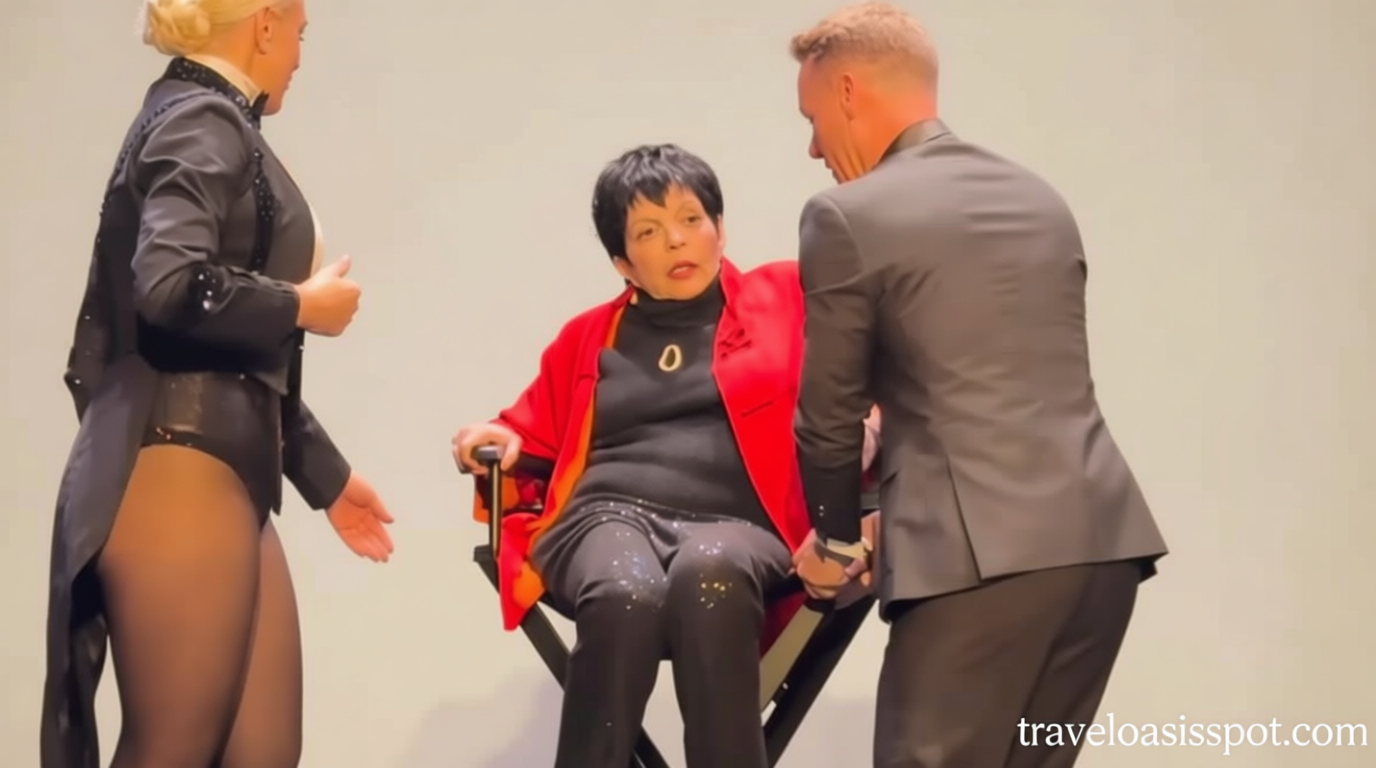
Fears for frail Liza Minnelli, 80, after confused Hollywood icon cackled, gave bizarre answers and mumbled at special birthday event celebrating her memoir
Concerns for Liza Minnelli’s Health After Unusual Moments at 80th Birthday Event What was intended as a vibrant celebration of Liza Minnelli’s extraordinary life took an unexpected turn, sparking worries among her devoted admirers. The iconic cabaret performer marked the release of her memoir, “Kids, Wait Till You Hear This!”, alongside her longtime collaborator Michael Feinstein at a Los Angeles theater on Tuesday. The gathering at the historic Million Dollar Theatre, which had sold out, was meant to honor her legacy, yet it revealed signs of frailty and confusion. During the evening, Minnelli occasionally lost her train of thought, breaking into sudden, uncontrollable laughter as she recounted her stage and film career. She also delivered odd responses and spoke in fragmented sentences, leaving onlookers unsettled. Footage captured Minnelli, who has faced mobility challenges, appearing disoriented as she was assisted off the stage following her performance. Though she had long since mastered the art of grace under pressure, the incident seemed to unnerve her. In her memoir, Minnelli described the moment when she felt ‘sabotaged’ during her 2022 Oscar appearance with Lady Gaga. Her niece, Vanessa Jade O’Neill, joined the panel, and while Feinstein and O’Neill aimed to steer the conversation, Minnelli often veered into unexpected, disjointed answers. One question about her birthday wishes prompted a loud cackle, followed by a cryptic remark: “To you?!” “Everyone in this audience will say, ‘Uh huh,’” Minnelli replied, to the confusion of the crowd. The evening commenced with a visually rich montage of her early years, highlighting her upbringing with legendary actress Judy Garland and film director Vincente Minnelli. The sequence swiftly transitioned to her golden era, showcasing her Oscar win for “Cabaret” in 1972, collaborations with Bob Fosse, and her vibrant days at Studio 54 with celebrity peers. It concluded with a tribute to her advocacy for HIV/AIDS research and her lasting impact on dance, theater, and pop culture. As the dancers exited, the iconic “Wilkommen” melody filled the 2,000-seat venue, signaling Minnelli’s dramatic entrance from behind a curtain. “I got you,” she said, leaning down over me.’ Feinstein skillfully guided the discussion, addressing pre-submitted questions from the packed crowd. The event also featured a heartfelt moment when Lady Gaga visited Minnelli’s dressing room post-incident, inquiring, “Are you okay?” “I’m a big fan,” Minnelli replied, adding, “I learned this lesson years ago from Mama and Papa. At high pressure, you remain gracious.” For the next hour, Minnelli and Feinstein were joined by the singer’s niece, Vanessa Jade O’Neill, who is Lorna Luft’s daughter. The hour-long Q&A highlighted both her resilience and the challenges she faces, as the audience watched her sit comfortably in her director’s chair, never stepping onto the stage itself.
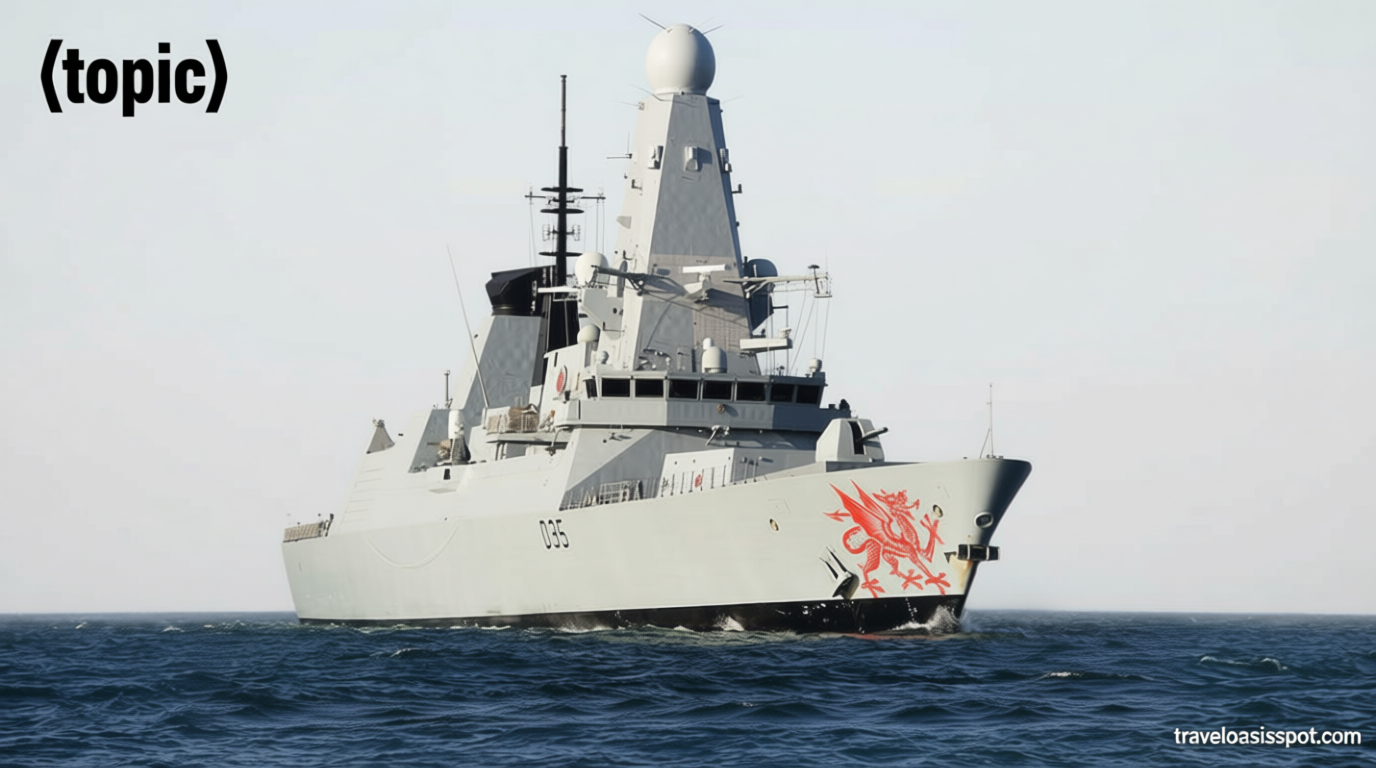
‘Why wasn’t the UK ready for Iran war?’: Michael Clarke answers your questions
Why Wasn’t the UK Ready for the Iran War? Michael Clarke Addresses Listener Questions Listeners have been posing questions about the UK’s readiness for potential conflict with Iran, and Sky’s military analyst Professor Michael Clarke has taken time to address them in a special episode of This Is Why. Did the US Foresee a Hormuz Crisis? The show has gathered questions from audiences regarding the conflict, with this episode focusing on key concerns. One prominent inquiry centers on whether the United States could have anticipated a blockade of the Strait of Hormuz, a critical waterway for global oil trade. Clarke discusses the strategic implications of such a scenario, highlighting how intelligence assessments and geopolitical tensions might have influenced predictions. He also explores the UK’s military preparedness, noting the challenges faced during the deployment of HMS Dragon, a frigate that encountered delays in its operational readiness. Could Trump Have Offered More Support? Another topic raised involves the likelihood of U.S. backing for the UK in a potential war with Iran. Clarke considers whether President Donald Trump’s approach might have differed from his successors, potentially altering the dynamics of international cooperation. He emphasizes the importance of alliances in modern warfare and how political shifts can impact military collaboration. The episode draws from audience input, ensuring a diverse range of perspectives are examined. If you have questions for a future episode, reach out to the show at -why@sky.uk. Your insights will shape the next discussion on global defense strategies and historical military decisions. 👉 Listen to This Is Why on your podcast app 👈
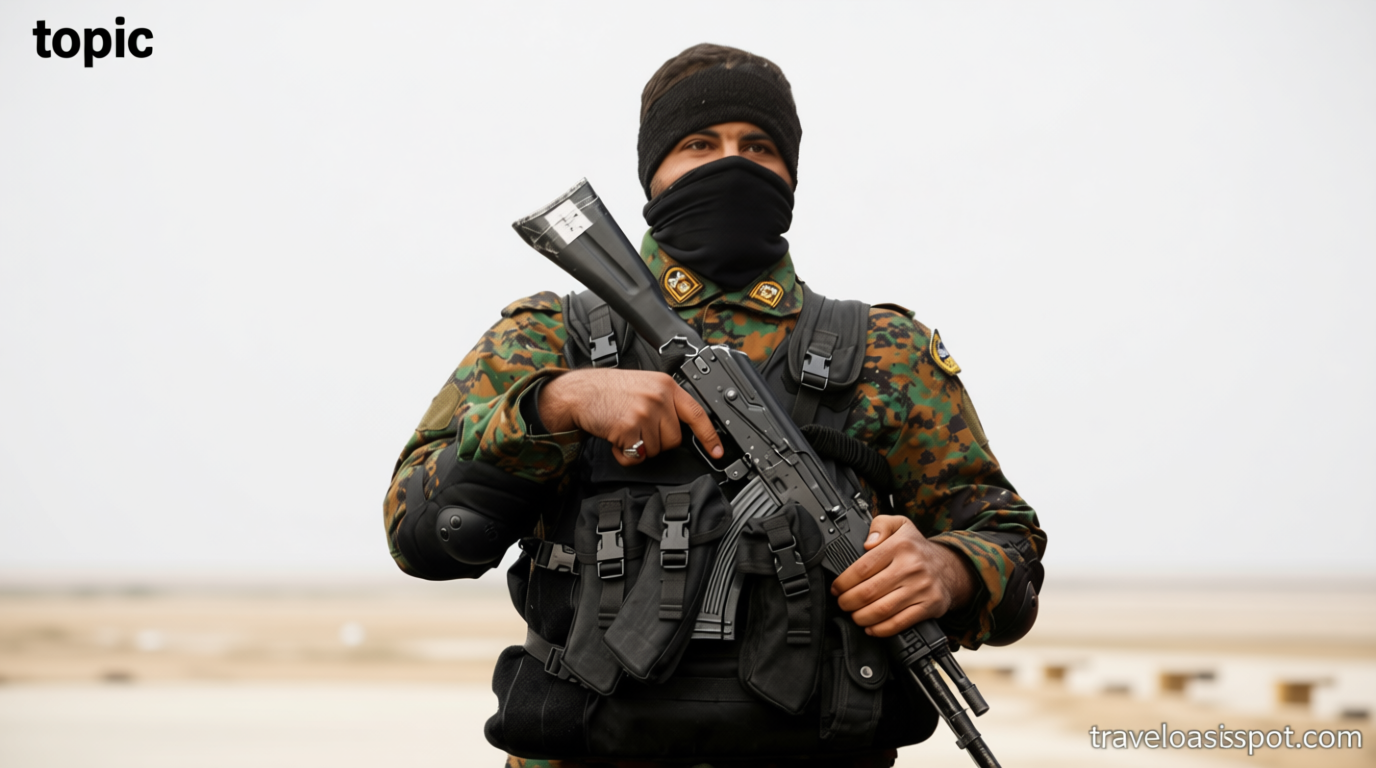
The US-Israeli war on Iran is founded on two huge mistakes
The US-Israeli War on Iran Built on Two Critical Errors Two weeks into the joint operation by Israel and the United States against Iran, the campaign’s foundation appears to rest on two pivotal misjudgments. These errors, rooted in flawed assumptions about Iran’s vulnerability, have reshaped the conflict’s trajectory and outcomes. American Overestimation of Regime Instability The first miscalculation stems from Washington’s belief that Iran’s leadership could be easily dismantled. This assumption, however, overlooks the resilience of the Islamic Republic’s political structure, which has withstood decades of internal and external pressures. Despite the attacks, Iran’s government remains intact, suggesting the U.S. underestimated the resolve of its own allies in the region. “If we had not acted swiftly, Iran’s capacity to threaten Israel and the world would have grown unstoppable,” declared Israeli Prime Minister Benjamin Netanyahu during his initial address following the strikes. Israeli Misjudgment of Hezbollah’s Role The second flaw lies in Tel Aviv’s misreading of Hezbollah’s strategic potential. Israel assumed that the Lebanese militant group would not mount a significant counterattack, yet its response has proven more formidable than anticipated. This oversight has compounded the challenges faced by the coalition, as Iran’s proxies continue to assert influence in the region. “Our aim was to weaken Iran’s ability to endanger Israel, the U.S., and global security. This strike will empower the Iranian people to rise against their regime,” Netanyahu added, framing the operation as a catalyst for regime change. Despite the rhetoric, the reality has been stark. Iran’s nuclear and missile capabilities, central to the war’s justification, have not been permanently crippled. Intelligence assessments reveal the regime’s infrastructure remains operational, with key leaders swiftly replaced to maintain cohesion. A Shift in Strategic Priorities Since the initial strikes, the focus has evolved. While the U.S. and Israel initially framed the conflict as a preventive measure against Iranian aggression, their actions have instead sparked a broader resistance. Iran’s retaliation, including strikes on Gulf states and Israel, has demonstrated its capacity to strike back, undermining the coalition’s assumptions of dominance. Reports indicate that Iran’s leadership, including its supreme leader, Ayatollah Ali Khamenei, has been replaced by his son Mojtaba Khamenei. This succession highlights the regime’s adaptability, further challenging the narrative of its imminent collapse. As the conflict unfolds, it becomes evident that the war’s original goals—regime change and disarmament—have not materialized. Instead, Iran’s response has escalated tensions, threatening to destabilize the Middle East and its energy markets. With Iran’s continued ability to project power, the U.S.-Israel alliance’s success in toppling the regime now seems questionable. The initial belief that their combined military might would secure a decisive victory has been tested, revealing the complexities of geopolitical maneuvering in the region.
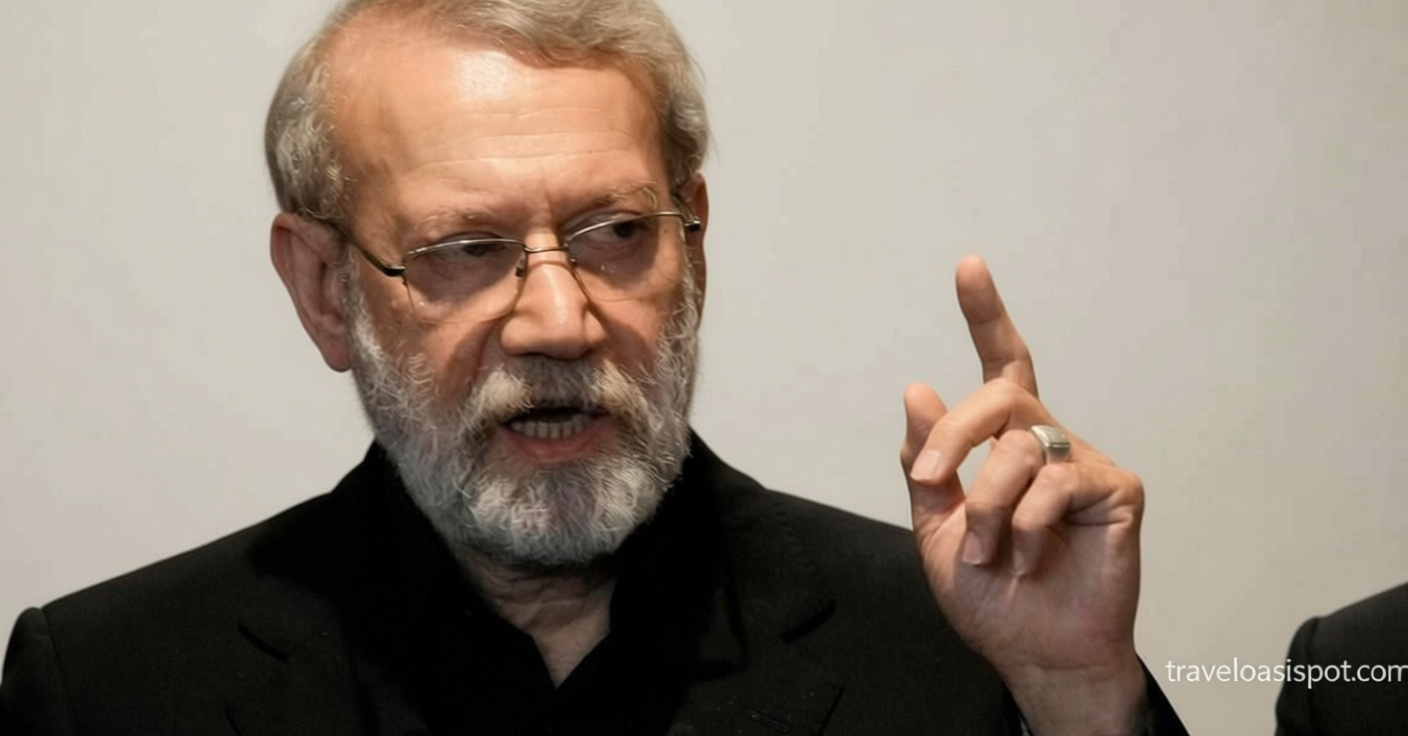
Iranian defence chief who issued sinister warning to Trump is killed in airstrike
Iranian Defence Chief Killed in Airstrike After Issuing Dire Warning to Trump Ali Larijani, a senior Iranian official who warned Donald Trump of potential retaliation for his rhetoric, was killed in an Israeli airstrike last night, as confirmed by Iran’s Defence Ministry. The Israeli military force, known as the IDF, stated they targeted Larijani, alongside another strike that claimed the head of the Basji paramilitary unit. The attack occurred just days after Larijani issued a sharp warning to the former U.S. president. “The nation of Iran is not afraid of your empty threats. Even those bigger than you could not eliminate the Iranian nation. Watch yourselves, or you might be eliminated!” Larijani was involved in the interim leadership council, which oversaw Iran’s transition of power after the passing of Ayatollah Ali Khamenei. The Basji force, under his leadership, has been deployed to quell public unrest within the Islamic Republic. General Gholam Reza Soleimani, a key figure in Iran’s military operations, was reportedly killed on Monday, though the country delayed confirming his death. The U.S. Treasury records Soleimani’s birth year as 1965, and he has faced sanctions from the U.S., European Union, and other nations for his role in suppressing dissent. Mojtaba Khamenei, the eldest son of the late Ayatollah, was announced as Soleimani’s successor last week. However, he was nearly killed in a U.S. airstrike and was allegedly flown to Russia for urgent medical treatment. According to Kuwaiti newspaper Al-Jarida, Khamenei was secretly evacuated to Moscow after being wounded in a bunker strike that killed his wife, mother, father, and son. The report claims he received a critical operation in one of Vladimir Putin’s presidential palaces, with injuries ranging from minor cuts to potential leg loss or a coma. Despite U.S. reports of Soleimani’s death, Khamenei recently released a fiery statement calling for vengeance against the U.S. and its allies, echoing the militant tone of his father’s regime. Iran’s government later affirmed that the new Ayatollah remains alive, contradicting earlier U.S. claims. The country’s official stance aligns with its long-standing rhetoric, emphasizing resilience in the face of external threats. Stay Informed Got a story? Reach out to our news team via email at webnews@metro.co.uk. Share your videos and pictures for potential coverage on our platform. Follow Metro.co.uk on Twitter and Facebook for real-time updates. Subscribe to our daily push alerts to receive news directly on your device. ArrowMORE: Struggling with oily skin? Benefit’s new matte blush might be your go-to solution. Get your favorite puzzles delivered straight to your inbox every day. Track your progress and stay engaged with daily streaks. This site uses reCAPTCHA and the Google Privacy Policy and Terms of Service apply. Your information will be processed in accordance with our Privacy Policy.
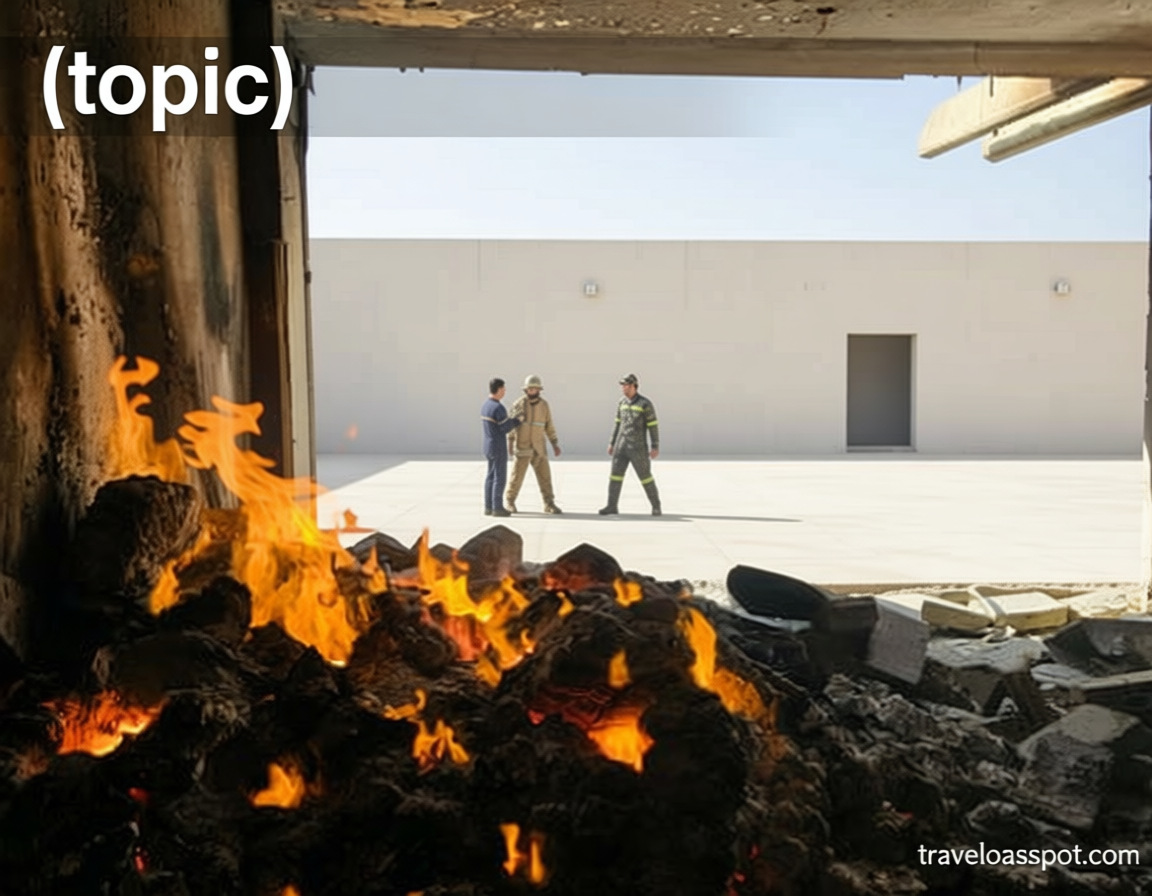
Israel strikes Beirut and orders south Lebanon evacuation as conflict mounts
Israel Bombs Beirut and Orders Evacuation in Southern Lebanon Amid Escalating Tension Following a surge in hostilities, Israel launched airstrikes targeting central Beirut and issued an evacuation directive for southern Lebanon, prompting widespread displacement. The military spokesperson declared that all civilians within 25 miles of the border should relocate northward to ensure their safety, as the Israeli Defense Forces (IDF) intensified operations against Hezbollah positions. Residents Forced to Relocate Evacuation orders now apply to major cities like Nabatieh and numerous villages. The IDF also mandated the movement of people from a central Beirut neighborhood near a cluster of restaurants, citing plans to strike a structure there. Hamza Zbeeb, a 48-year-old from Nimiriya, expressed uncertainty: “Where can I go?” he questioned, noting that many had already fled to Beirut only to return due to lack of shelter. “Many people have gone to Beirut and returned because there’s nowhere to stay. I don’t want to be on the streets.” Hours later, two buildings in central Beirut were destroyed, with the first located beside a shelter for displaced individuals. The second targeted area was near government offices, international embassies, and UN facilities. The attack sent shockwaves through the capital, with windows rattling and the skyline briefly lit in red. Hezbollah’s Escalation and Cross-Border Coordination Hezbollah’s recent offensive, dubbed “Operation Chewed Wheat,” marked a significant escalation in the conflict. The group, believed to have been weakened by two years of Israeli airstrikes, launched over 200 rockets at Israeli territory, including military installations in Haifa, Tel Aviv, and Beersheba. The operation coincided with a coordinated missile strike by Iran, as confirmed by the Revolutionary Guards. In a statement released by Fars and Tasnim news agencies, Iran’s military described the attack as a “joint and integrated operation,” combining Iranian missiles with Hezbollah’s drone and rocket fire. The barrage continued into Thursday, with warning sirens echoing in Safed and surrounding towns. Violence and Casualties in Southern Beirut Israel’s response to Hezbollah’s attacks included a late-night strike in Ramlet al-Baida, central Beirut, where displaced families had taken refuge. The assault left at least two men dead on the seaside promenade, according to Lebanon’s health ministry, which reported 12 fatalities and 28 injuries. Ali Hariri, a lawyer and aid worker in Nabatieh, described the night as “very difficult,” recounting the relentless bombing that shook the city. “It was a very difficult night; what can I say? Bombing all night,” said Ali Hariri, amid the rubble. Residents in border towns like Metula experienced the full force of the conflict. Daniel Dorfman, a 43-year-old in Metula, recounted: “Last night was a bit crazy. I don’t get anxious usually, but all the walls were shaking. It’s a little bit frightening. Here we get zero warning of any attack. You hear the explosions of the interception before you hear the sirens.”
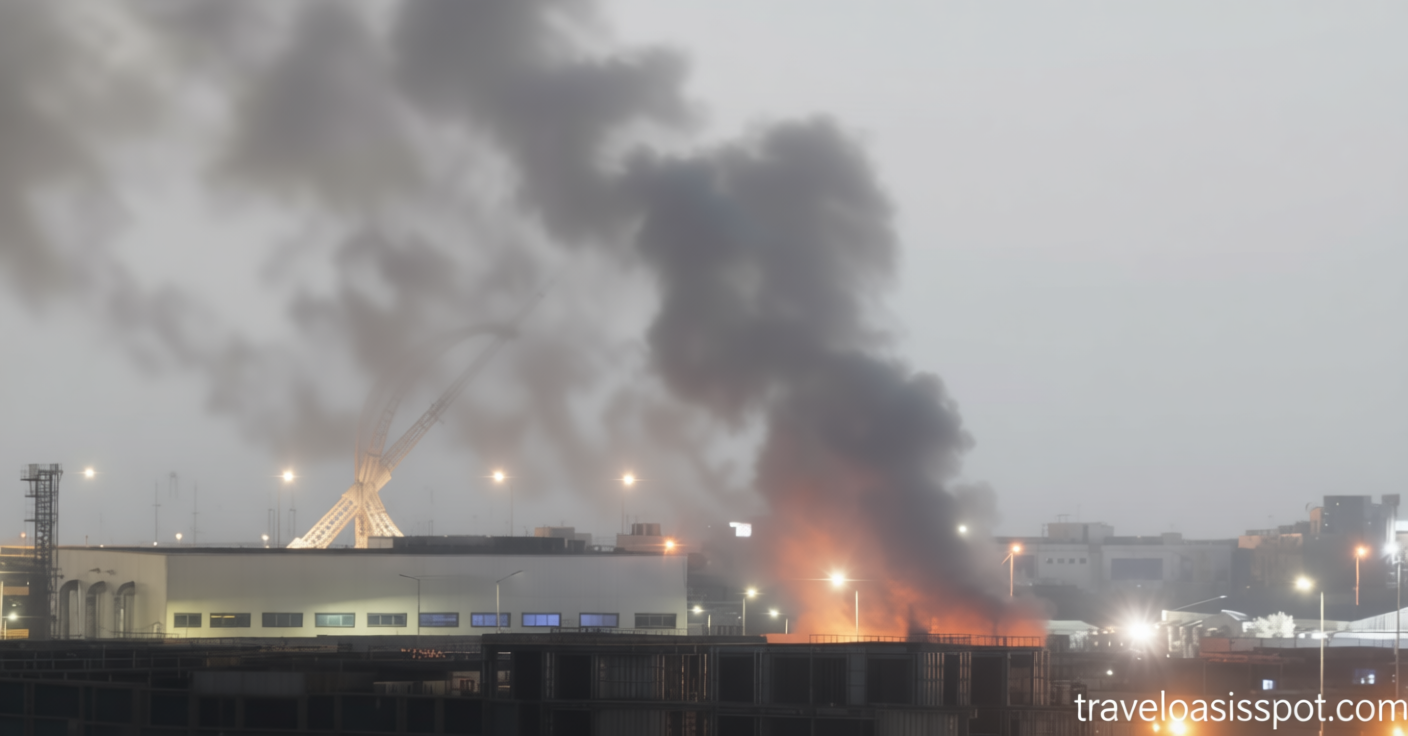
Special forces base struck by swarm of drones amid fears Putin is helping Iran
Special Forces Base Under Drone Attack Amid Allegations of Putin’s Support for Iran A drone strike hit a British Special Forces installation, causing injuries to American troops, as concerns mount over potential Russian backing for Iranian military strategies. Iranian drones executed a coordinated assault on a joint military base in Erbil, the capital of the Kurdistan region, during the early hours of Wednesday. Brigadier Guy Foden, a senior commander at Britain’s Permanent Joint Headquarters, stated: ‘We have personnel in Erbil actively involved in the base’s defense. Last night, two UAVs were intercepted, but several others managed to reach the camp.’ American soldiers sustained injuries in the attack, though British forces reported no casualties, as reported by The Sun. Lt Gen Nick Perry, who leads UK global operations, confirmed the US injuries were not severe. During a briefing with Defence Secretary John Healey, he added: ‘All our personnel remain unharmed, touch wood, but the Americans suffered some casualties last night, though nothing critical.’ Russian-Iranian Ties Under Scrutiny Healey, during his visit to Northwood military headquarters in Hertfordshire, highlighted signs of a growing alliance between Russia and Iran, including the latter’s drone tactics, as identified by Russian intelligence. When pressed for specifics, he noted: ‘We are currently analyzing the drone that struck Akrotiri’s hangar to detect any Russian or foreign components. It’s likely no one will be surprised to think Putin’s unseen influence could be shaping some of Iran’s actions, especially since his regime is reaping benefits from high oil prices.’ Following US-Israeli strikes, Iran issued warnings against ships traversing the Strait of Hormuz, prompting a sharp rise in heating oil costs. Healey acknowledged the issue was in its early stages, stating: ‘The reports of Iran mining the straits are gaining credibility. The evidence and frequency of commercial vessel attacks are becoming clearer. The two key factors are the potential effect on global oil prices and living costs, which have created an urgent need for international action. While releasing reserve oil offers temporary relief, it doesn’t fully resolve the challenge.’ UK’s Air Operations and Drone Defense RAF Typhoon and F-35B jets have maintained defensive patrols over Jordan, Qatar, and the UAE, with Voyager refueling support. Over 300 operational flight hours have been logged by British pilots, who have neutralized multiple drones. A Counter-Uncrewed Aerial Systems unit also intercepted two drones overnight, safeguarding civilian and military lives. Ayatollah Mojtaba Khamenei, Iran’s new Supreme Leader, issued a message of retaliation after his father was killed in US-Israeli strikes. In a written statement, he declared: ‘We will not hesitate to avenge the blood of your martyrs. Our revenge extends beyond the loss of the revolution’s leader; every nation’s martyr is a separate target in this fight.’ He warned that strikes on neighboring countries’ bases would continue, citing Iran’s long-standing efforts to establish military and financial footholds. ‘The enemy has been gradually building dominance in the region through these bases,’ he said.

Inside Jim Irsay’s rock ‘n’ roll time capsule heading to auction at Christie’s
Jim Irsay’s Rock ‘n’ Roll Time Capsule Set for Christie’s Auction As the Christie’s auction house in New York City opened its doors this week, a collector from Long Island, Mikey Arugula, felt transported to a personal museum of nostalgia. “I remember watching the Beatles on TV in 1964,” he shared, reflecting on a pivotal moment in his life. At age nine, he was swept into the band’s global phenomenon, a shared experience for many across the nation. For Arugula, who once ventured to Paul McCartney’s Scottish farm as a teenager in pursuit of a meeting, the Jim Irsay Collection transcends mere artifacts. “This is Americana,” he remarked, standing near one of the auction’s iconic pieces—the drum head from Ringo Starr’s kit during the Beatles’ debut on *The Ed Sullivan Show* in February 1964. “It’s like a time-period capsule, now being dispersed among collectors.” A Cultural Timeline in Bid The late Jim Irsay, Indianapolis Colts owner, dedicated years to curating a singular archive of American pop culture. His auction, set to begin Thursday, promises to draw bidders through Saturday in person and online until Tuesday. Christie’s anticipates total proceeds around $30 million. The collection captures the essence of Irsay’s generation, blending music, sports, and cultural milestones. Born in 1959, Irsay grew up during a time of societal upheaval and creativity, from the Civil Rights Movement to the rise of Muhammad Ali and the transformative 1960s. The Beatles, however, were his enduring fascination. “They were one of [Irsay’s] earliest favorite artists and remained important throughout his lifetime,” said Nathalie Ferneau, Christie’s head of sale. “You see that reflected in the depth of the material—everything from instruments to personal items.” Among the Beatles-related highlights are Starr’s first Ludwig drum kit, George Harrison’s cherry-red Gibson SG, John Lennon’s Gretsch guitar from *Paperback Writer*, and Paul McCartney’s handwritten lyrics for *Hey Jude* (1968). Also included is a 13-page affidavit from McCartney in December 1970, detailing the band’s dissolution, leaving fans in emotional turmoil. Estimated starting bids range from $100,000 to $150,000 for these items. From Beatlemania to Literary Legacy While the Beatles occupy a prominent place in the collection, other treasures span decades of cultural history. One standout is Jack Kerouac’s original manuscript for *On the Road*, a 120-foot scroll typed during a frenzied 1951 session. Ferneau described the document as “a manic pace captured in the writing itself,” with Kerouac meticulously taping pages to create a seamless narrative. Irsay acquired the manuscript at Christie’s in 2001, sparking a journey of decades-long curation. Its expected value falls between $2.5 and $4 million. As a musician and founder of the Jim Irsay Band, Irsay’s passion for instruments is evident. His collection features over 200 guitars linked to icons like Kurt Cobain, Jerry Garcia, Prince, and Eric Clapton, most in pristine condition. A notable piece is Cobain’s Fender Mustang, used in the *Smells Like Teen Spirit* music video, with an estimated price exceeding $5 million. Garcia’s custom guitar, “Tiger,” built by Doug Irwin over six years, also highlights the breadth of his musical legacy. Despite the staggering worth of the collection, Irsay often framed himself as a steward rather than a possessor. “He used to say you never see a U-Haul following a hearse,” Ferneau noted. “For him, these objects were part of a larger cultural story.”

Top Travel Accommodations in [Location]: Your Ultimate Guide to Cozy Stays
When planning a trip to [Location], one of the most important decisions you’ll make is where to stay. Choosing the Top travel accommodations in [Location] can significantly impact your overall travel experience, offering comfort, convenience, and memorable moments. Whether you’re seeking a luxurious retreat, a budget-friendly option, or a unique lodging experience, [Location] has something for every traveler. This guide will help you discover the best places to rest your head, ensuring your stay is as enjoyable as the adventures that await you. Why Choosing the Right Accommodation Matters Selecting the ideal Top travel accommodations in [Location] isn’t just about where you sleep—it’s about creating a seamless travel experience. A well-chosen stay can save you time, reduce stress, and even enhance your exploration of the area. For instance, staying near popular attractions or public transport can make your itinerary more efficient, while a comfortable bed and reliable Wi-Fi can ensure you’re well-rested for each activity. The right accommodation also allows you to immerse yourself in the local culture, whether through on-site dining, curated experiences, or stunning views of the surroundings. Top-Rated Stays for a Luxurious Experience If you’re looking for Top travel accommodations in [Location] that offer luxury, look no further than the high-end hotels and resorts in the area. These properties often feature spa facilities, fine dining, and personalized services to cater to discerning travelers. For example, [Name of Luxury Hotel] is renowned for its five-star amenities and breathtaking rooftop views, making it a favorite among those who prioritize comfort and elegance. Another top choice is [Name of Resort], which combines modern design with exclusive access to local attractions, providing a blend of relaxation and adventure. Budget-Friendly Options for Value-Driven Travelers Traveling on a budget doesn’t mean compromising on quality. Top travel accommodations in [Location] include a range of affordable options that still deliver great value. Guesthouses, hostels, and boutique hotels are excellent choices for travelers seeking cost-effective stays without sacrificing comfort. [Name of Budget Hotel] is a popular pick, offering clean rooms, friendly staff, and easy access to major landmarks. For those looking for a more social vibe, [Name of Hostel] provides a lively atmosphere, communal spaces, and affordable dormitory-style rooms. Family-Friendly Accommodations for All Ages Families visiting [Location] will appreciate the variety of Top travel accommodations in [Location] designed to accommodate everyone’s needs. Vacation homes, resorts with kid-friendly amenities, and hotels with spacious suites are ideal for creating a welcoming environment for children and adults alike. [Name of Family Resort] stands out for its child-friendly activities, such as game rooms and outdoor play areas, while [Name of Apartment Complex] offers private kitchens and flexible layouts for multi-generational stays. These options ensure that every family member can enjoy their trip without worrying about logistics. Unique and Themed Stays for an Unforgettable Experience For travelers who want to make their trip truly memorable, [Location] is home to a selection of Top travel accommodations in [Location] that go beyond the ordinary. Themed hotels, eco-lodges, and design-centric boutique stays provide a distinctive way to experience the destination. [Name of Themed Hotel] immerses guests in a whimsical world with its creative interiors and interactive experiences, while [Name of Eco-Lodge] emphasizes sustainability and offers a peaceful connection to nature. These options are perfect for those who value innovation and a touch of personality in their accommodations. Hidden Gems and Local Favorites While well-known hotels and resorts are a safe choice, the true charm of Top travel accommodations in [Location] lies in the hidden gems and local favorites that locals love. These lesser-known spots often offer a more authentic experience, with personalized service and unique features that set them apart. [Name of Cozy Inn] is a family-run establishment that blends traditional hospitality with modern comforts, and [Name of Heritage B&B] provides a glimpse into the region’s history through its charming decor and curated experiences. Exploring these options can lead to discovering a side of [Location] that’s less crowded and more intimate. Tips for Booking the Best Stays Finding the best Top travel accommodations in [Location] requires some strategic planning. Start by reading reviews from recent guests to gauge the real experience of each property. Look for features like free cancellation, proximity to attractions, and guest ratings to ensure you’re making an informed decision. Additionally, consider the season you’re traveling in—some properties may be more popular during peak times, while others offer better rates off-peak. Booking in advance can also help secure the best options, especially for family or group stays. How to Enhance Your Stay with Local Amenities The best Top travel accommodations in [Location] often integrate local amenities to help you make the most of your visit. From on-site cafes serving regional dishes to fitness centers with yoga classes, these perks add convenience and depth to your stay. For example, [Name of Hotel] partners with nearby restaurants to offer curated food experiences, while [Name of Resort] includes guided tours to local hotspots in its package. Taking advantage of these amenities can save you time and money, allowing you to focus on enjoying the destination. Making the Most of Your Accommodation Experience To truly maximize your stay, it’s essential to plan ahead and choose accommodations that align with your travel goals. Whether you’re looking for a quiet retreat, a lively social hub, or a place to connect with nature, [Location] has options tailored to your needs. By prioritizing location, reviews, and amenities, you can ensure that your stay is as enjoyable as the journey itself. Don’t forget to ask about special offers, such as discounts for long-term stays or packages that include meals and activities, to add extra value to your booking. Conclusion Selecting the best Top travel accommodations in [Location] is a crucial step in planning a successful trip. With options ranging from luxurious resorts to budget-friendly stays and unique experiences, there’s something for every type of traveler. By considering factors like location, amenities, and reviews, you can make an informed choice that enhances your overall experience. Whether you’re staying for a
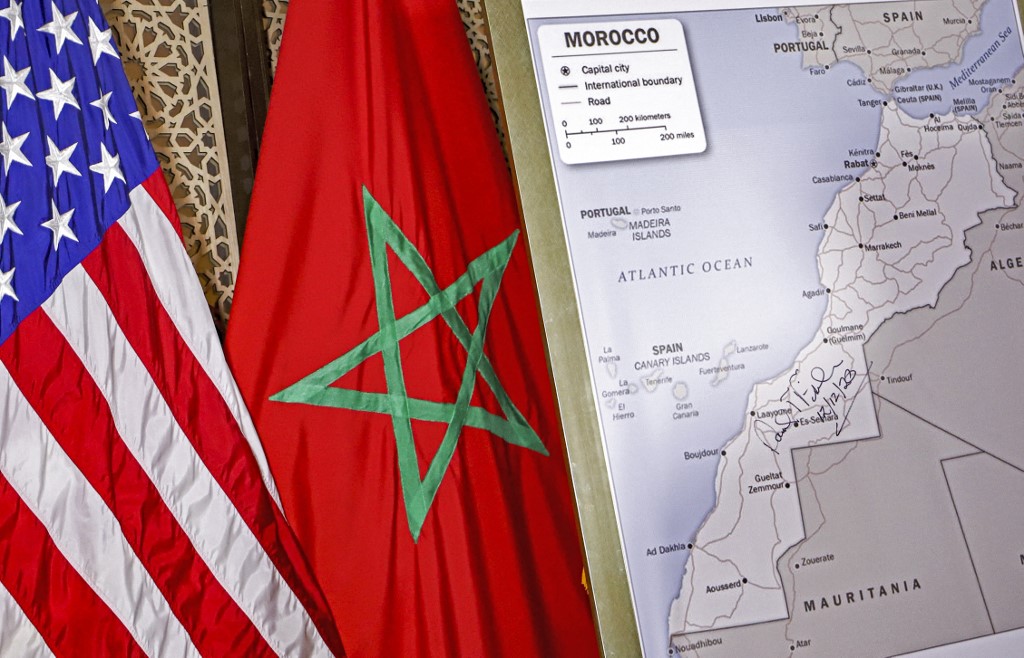
Inside the secret US-led talks to solve the Western Sahara conflict
Inside the secret US-led talks to solve the Western Sahara conflict The United States has ramped up its diplomatic initiatives to address the prolonged dispute between Morocco and Western Sahara independence advocates since last autumn, facilitating three clandestine meetings that reunited the central parties for the first time in years. Despite initial optimism, the situation remains complex, according to Middle East Eye’s diplomatic correspondents. Similar to other regional disputes, such as those between Israel and Palestine in Gaza, or between Thailand and Cambodia, US President Donald Trump seeks to position himself as a mediator in Africa’s geopolitical landscape. Washington aims to broker a resolution that appeases Morocco while maintaining Algeria’s stature as a key ally of the Polisario Front, the armed group advocating Western Sahara’s independence since 1973. In the past month alone, three negotiation sessions were convened at the ministerial level, yet tangible progress appears limited. Historical Context and Current Dynamics The Western Sahara conflict dates back over five decades, ignited in 1975 when Spain relinquished control of its last African colony. The United Nations classifies the territory as non-self-governing, with Morocco controlling 80% of it, demarcated by a defensive wall erected in the 1980s. The remaining area is held by the Polisario Front, while the region’s population—approximately 600,000 people—consists mostly of Moroccans, including many military personnel. Indigenous Sahrawis number fewer than 50,000, with around 165,000 residing in refugee camps across Algeria. Throughout the years, Morocco has consolidated its hold on the territory, curbing Sahrawi nationalist activities and securing international recognition of its sovereignty. In 2007, the kingdom introduced an autonomy plan, which was initially a concise three-page document. European nations, including Spain, the former colonial power, have increasingly endorsed this proposal in recent years. Trump’s Strategy and UN Resolution Following his first presidential term, Trump endorsed Moroccan sovereignty over Western Sahara in a December 2020 statement on X, prompting the kingdom to join the Abraham Accords and reestablish ties with Israel. The US became the first Western state to take this step. During his second term, Trump delayed reaffirming this stance for ten months before advocating it at the United Nations through Resolution 2797. “Genuine autonomy under Moroccan sovereignty could constitute a most feasible solution,” the resolution stated, emphasizing that negotiations should center on Morocco’s proposed autonomy framework. Adopted on 31 October, the text received backing from most council members, though Russia and China chose to abstain. Recent discussions have seen the involvement of neighboring states, including Mauritania, alongside Algeria and the Polisario Front. The most recent session, held during Ramadan in Washington on 23 and 24 February, caught diplomats off guard, according to UN sources who spoke to MEE. Moroccan and Sahrawi representatives had not convened face-to-face since March 2019, under UN supervision, highlighting the renewed urgency in these diplomatic efforts.