Rheinmetall reports 45% growth and defence pivot yet shares still fall
Rheinmetall AG, headquartered in Düsseldorf, achieved notable increases in both sales and profits during 2025 as it strengthened its focus on defense-related activities. This expansion was driven by rising military expenditures across Europe. However, the company’s performance did not satisfy investor and analyst expectations when it unveiled its annual financial results on Wednesday.
Following the announcement, shares of Rheinmetall plummeted by more than 7% in Frankfurt’s stock market around 17:00 CET. The defense firm reported consolidated sales of €9.9 billion, reflecting a 29% rise compared to the previous year. Its operating profit also set a new record at €1.84 billion, climbing 33% year-on-year. Rheinmetall plans to distribute a dividend of €11.50 per share, up from €8.10 in the prior period.
In a statement, the company emphasized the impact of current security challenges, stating, “The tense security situation underpins the promising position of the Group, whose products are playing an increasingly important role in strengthening defence capabilities in Germany and its partner countries.”
“The tense security situation underpins the promising position of the Group, whose products are playing an increasingly important role in strengthening defence capabilities in Germany and its partner countries.”
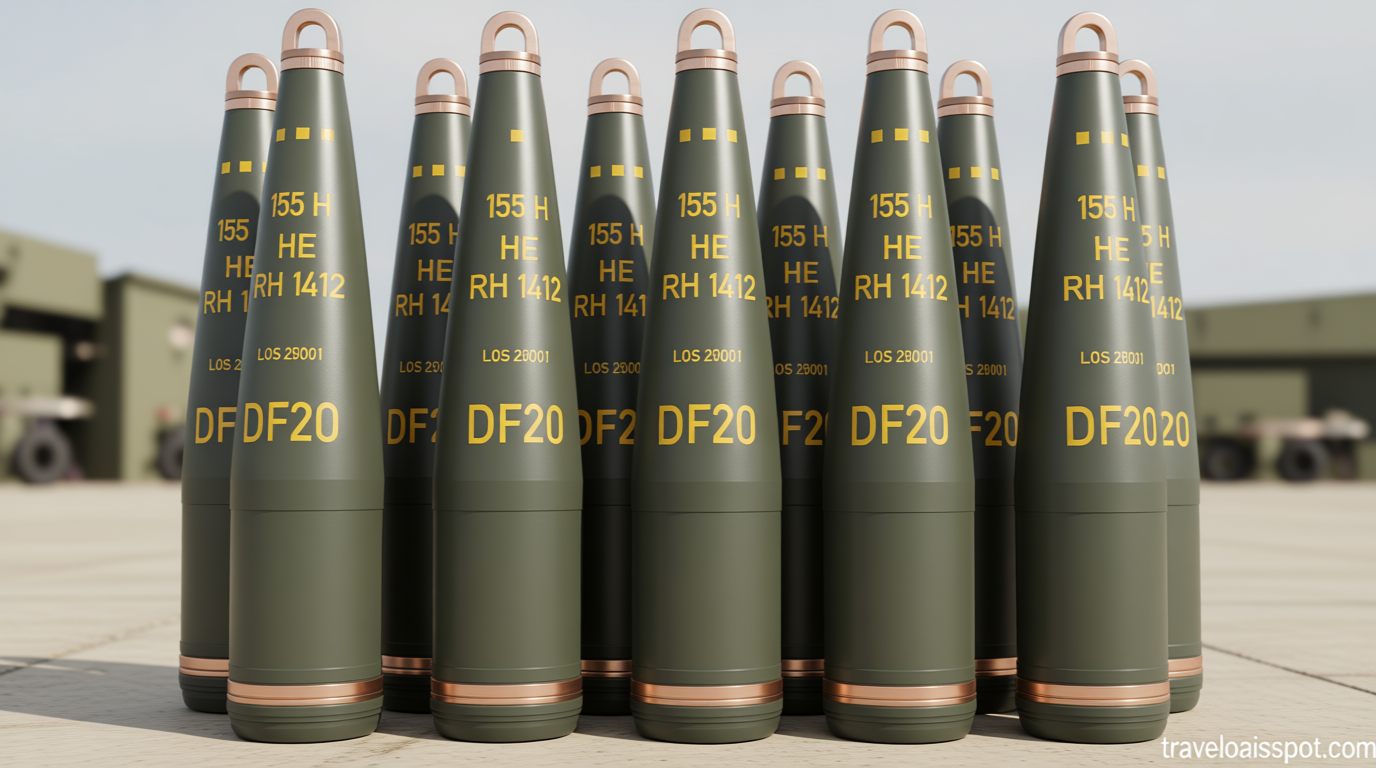
Rheinmetall projected sales growth of 40-45% for 2026, aiming for revenue between €14 and €14.5 billion. The firm attributed this outlook to ongoing conflicts such as the war in Ukraine and escalating tensions in the Middle East, which have boosted demand for missiles and drones. Additionally, its order backlog reached a record €63.8 billion, up from €46.9 billion a year earlier, and is expected to exceed €135 billion by the end of the year.
The 2025 financial year was influenced by the continent’s military buildup, with sales to the German armed forces accounting for 38% of total revenue—a four-point increase from the previous year. International operations contributed the remaining 62%. Despite this, some analysts questioned whether Rheinmetall could ramp up production fast enough to fulfill its expanding order book.
“The world is changing rapidly, and Rheinmetall is well prepared,” said CEO Armin Papperger, highlighting the company’s readiness to adapt to evolving market conditions.