
Inside the World’s Most Unconventional Workplaces: A Chef’s Perspective on Restaurant Kitchens
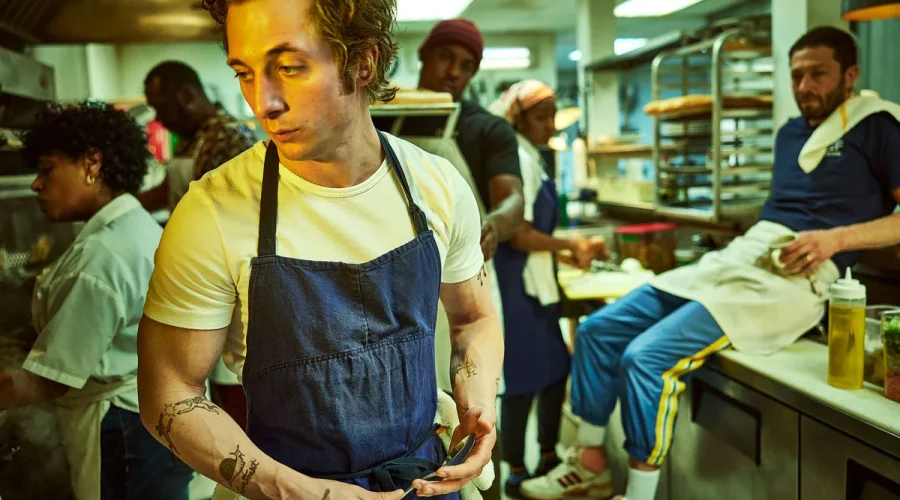
What really goes on in restaurant – Before I transitioned into private catering half a decade ago, my professional life unfolded within the sweltering confines of London’s culinary establishments. Those ten years taught me that restaurant kitchens operate as something far more complex than mere cooking spaces—they function as sanctuaries for society’s overlooked characters.
Picture the lineup: a Russian automobile thief, a Manchester native who traded heroin for methadone with pride, a Cambridge-educated youth who severed ties with his family fortune, and an ex-academic whose brain injury destroyed his reading ability yet somehow sharpened his instinct for timing lamb perfectly. Then there was Rico, a towering Ghanaian kitchen porter standing six feet seven inches tall, whose hands bore such extensive burns that he could extract cast iron pans directly from blazing ovens without protection.
These individuals gathered past the bar, descending those perpetually sticky staircases each Tuesday morning for our daily briefing session.
A Microcosm of Humanity
By the time I reached my mid-twenties, I had prepared and presented dishes across Michelin-starred establishments, neighborhood bistros, and venues where fire alarms remained dormant unless someone specifically remembered to activate them. What struck me most was how each brigade appeared entirely different on the surface while somehow housing remarkably similar souls.
Attempting to locate this particular assembly of misfits, visionaries, and emotionally wounded individuals outside the closing sequences of a Guy Ritchie production would prove nearly impossible. Restaurant kitchens persist as one of London’s final uncharted territories, populated by devoted souls, newcomers, aristocrats, former inmates, and substance users—all entrusted with serving hedge fund executives cod for forty-eight pounds.
One particular December shift I experienced with such a colorful crew in central London provided the most vivid illustration of how chef life diverges from conventional employment.
Upstairs, the dining room overflowed with that artificially manufactured camaraderie exclusive to office Christmas celebrations. Marketing teams clad in identical disposable sweaters and paper crowns commemorated yet another profitable year. I navigated through them following fourteen consecutive hours standing, experiencing chemical fever and nicotine withdrawal, seeking refuge outside for a dried cigarette.
Then one table suddenly burst into enthusiastic applause. Someone had printed charts. Prosecco cascaded across surfaces in celebration.
“What’s the occasion?” I asked quietly of a nearby staff member. A waiter, displaying the patience typically reserved for explaining sharing plates to intoxicated accountants, leaned toward me.
He was correct—they were all wearing Oura rings, comparing sleep and recovery metrics. “My aunt owns one,” the waiter explained. “It significantly improved her energy levels. You people should consider getting one.”
Energy? Consider getting one? Kenny, responsible for meat preparation, hadn’t achieved proper sleep since Saturday, when he collapsed in the larder while embracing a sack of Maris Pipers. Rico’s pulse likely remained undetectable through the scar tissue covering his hands. Half our brigade survived exclusively on nicotine, caffeine, and unresolved childhood trauma compelling us to volunteer for sixteen-hour shifts, combined with the crushing realization that nowhere else offered better alternatives. If the application informed us our stress levels ran high? What then? Service commenced at six regardless.
The corporate sector possesses wellness seminars, mindfulness applications, and resilience coaches. We possessed espressos blended with cooking wine, Lucky Strikes, and the unspoken understanding that someone from the larder might depart in tears before last orders.
More Than Just Broken People
Many observers assume kitchens manufacture damaged individuals. I believe kitchens simply gather them. The dyslexic student unable to pass examinations. The refugee struggling with English. The addict attempting to outrun personal demons. The obsessive. The awkward. The anxious. The angry. The failed artist. Hospitality has consistently absorbed those other industries quietly dismiss.
It won’t resolve alcoholism, depression, or your inability to maintain eye contact during staff gatherings. But it might provide purpose. It might offer a family constructed from strangers equally incapable of fitting anywhere else. And that represents the tragedy of watching British hospitality gradually suffocate.
The sector isn’t merely losing restaurants. It’s losing one of the final environments where damaged individuals can still become valuable. Yes, VAT proves crippling. Energy costs remain absurd. Labor shortages show no signs of easing. One in five restaurants fear closure this year. Yet beneath every closure notice lies another brigade scattered back into the world, a collection of square pegs who somehow discovered their square hole.
People love restaurants because they believe they’re purchasing dinner. That explanation proves far too transparent.
Victoria is set to receive a massive, five-story development that will reshape the area’s culinary landscape, potentially offering new opportunities for these kitchen communities to thrive once again.