Jury in Amen Teklay Murder Trial Begins Second Day of Deliberations
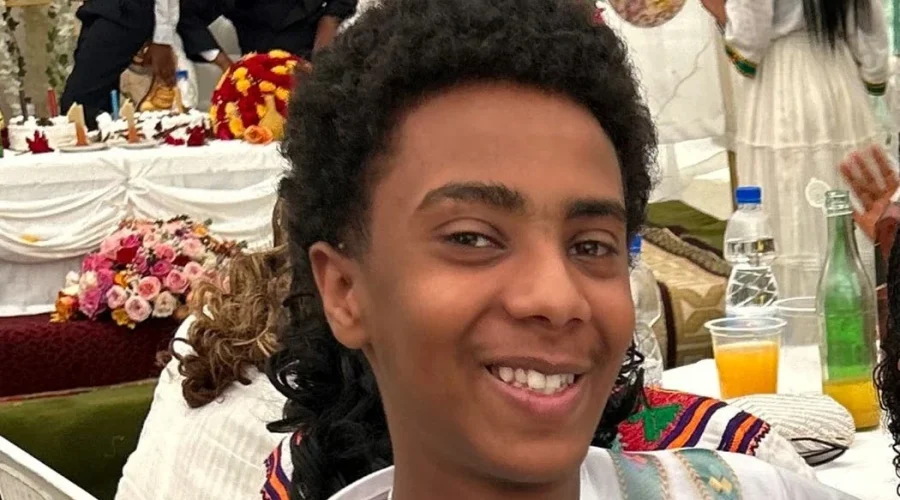
Traveloasisspot.com – The jury in the murder trial of 15-year-old Amen Teklay has commenced its second day of deliberations at the Glasgow High Court, marking a pivotal moment in the legal proceedings. The case centers around two teenagers, aged 16 and 17, who are accused of fatally attacking the victim with a sword during a violent incident in Maryhill, Glasgow. The focus keyword “Jury in Amen Teklay murder” remains central to the narrative, as the court awaits a verdict on whether the young defendants are guilty of the crime that shocked the local community.
The Incident and Its Aftermath
Amen Teklay was found seriously injured on Clarendon Street in Maryhill on the evening of March 5 last year. The teenager, who had been celebrating with friends, collapsed after being attacked by the two suspects, whose identities were concealed with face masks. Despite efforts to stabilize his condition, Amen succumbed to his injuries at the scene, leaving his family and friends in mourning. The murder charge alleges that the pair chased him down and struck him with a sword or similar weapon, resulting in critical wounds that led to his death.
The attack, described as a brutal and unprovoked assault, has raised questions about the safety of young people in Glasgow’s neighborhoods. Witnesses reported hearing a commotion near Glenfarg Street and Clarendon Street, where the incident is believed to have originated. The victim’s family has since spoken about the emotional toll of the event, emphasizing how the tragedy has impacted their lives. Meanwhile, the prosecution has been building its case around the timeline of events, the use of the weapon, and the suspects’ actions during the confrontation.
The Trial and Legal Proceedings
The trial of the two teenagers, who remain unnamed due to their ages, has been a focal point of media attention in recent weeks. The courtroom has seen a series of arguments from both the prosecution and the defense, with the jury hearing evidence that spans multiple days. The 16-year-old defendant has entered a special defense of self-defense, claiming that the attack was a result of a sudden confrontation. However, the prosecution has argued that the assault was premeditated and carried out without provocation.
Key witnesses, including bystanders and police officers, have provided accounts of the incident, while forensic experts have testified about the nature of the injuries and the weapon’s role in the attack. The defense has also called for the teenager’s testimony, aiming to establish a narrative of innocence and urgency. The judge, Lord Colbeck, has guided the jury through the complexities of the case, ensuring that they understand the burden of proof and the legal standards required for a conviction.
As the jury continues its deliberations, the Glasgow High Court has become a hub for public interest, with supporters of the accused and the victim’s family gathering outside the building to express their views. The trial has sparked broader discussions about youth violence, the role of gangs in urban areas, and the legal system’s ability to deliver justice in cases involving minors. The community’s reaction has been mixed, with some calling for stricter measures to prevent such incidents, while others advocate for leniency given the defendants’ age.
“The prosecution has presented a compelling case, but the jury must weigh the evidence carefully to determine the level of intent involved,” said a legal analyst commenting on the trial’s progress. “This case is not just about the facts—it’s about the emotional and societal impact of a murder that occurred in a place many might expect to be safe.”
The second day of deliberations saw the jury reviewing key pieces of evidence, including security footage and witness statements, to assess the credibility of the prosecution’s claims. The defense has emphasized the teenagers’ lack of prior criminal records, arguing that the incident was a spontaneous act rather than a premeditated crime. Meanwhile, the prosecution has highlighted the severity of the injuries and the lack of a clear defense motive, pushing for a conviction based on the available data.
With the trial entering its final stages, the jury’s decision will not only determine the fate of the two accused but also set a precedent for similar cases in the future. The Glasgow High Court has been abuzz with activity as legal teams prepare for closing arguments, and the public remains keenly interested in the outcome. As the deliberations progress, the focus keyword “Jury in Amen Teklay murder” will continue to be a recurring element in media coverage, underscoring the case’s significance in the city’s legal and social landscape.