
Retailers Caught Selling E-Scooters for ‘Commuting’ Despite Road Ban
Marketers Promote E-Scooters as Urban Mobility Solutions
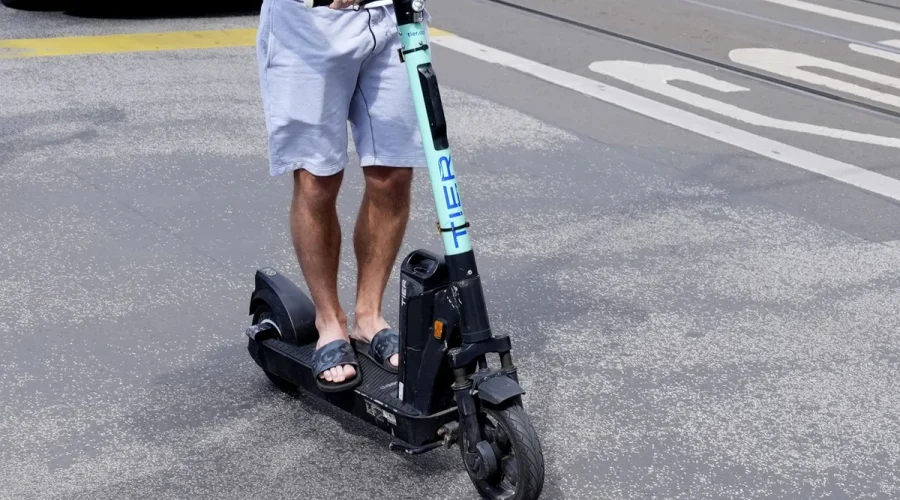
Retailers caught selling e scooters for commuting – Major British retailers have continued to market e-scooters as practical tools for urban travel, even as law enforcement and coroners emphasize that their use on public roads is unlawful and poses significant risks. Brands such as Currys, Argos, Halfords, and Amazon have positioned electric scooters as efficient alternatives for daily commutes, leveraging terms like ‘urban riding’ and ‘getting to work on time’ to attract buyers.
The current legal framework prohibits the use of privately owned e-scooters on roads, cycle lanes, and pavements. These vehicles are only permitted on private property, yet retailers have persistently framed them as viable for commuting purposes. This strategy has led to a surge in private ownership, with government data suggesting up to 950,000 e-scooters are now in use across England alone.
Coroner’s Warning Sparks Debate Over Safety
In 2022, a tragic incident involving a 14-year-old girl who died after falling from her e-scooter and being struck by a minibus prompted a coroner to accuse retailers of failing to adequately warn customers about the dangers. The coroner highlighted that without regulatory changes, similar accidents could become more frequent, raising concerns about the long-term safety of e-scooters in public spaces.
Despite this, some retailers have not adjusted their messaging. For instance, a page on the Currys website describes Segway e-scooters as a ‘fun, efficient means of getting around your local area,’ subtly suggesting they are suitable for everyday travel. Similarly, Argos promotes models from brands like Pure, Segway, McLaren, and Zinc, stating they allow users to ‘glide to work or cruise for fun’ while emphasizing ‘commuting just got a serious glow-up.’
Legal Warnings vs. Misleading Advertisements
While Halfords includes a ‘legal warning’ on its website, stating that e-scooters cannot be used on public roads, other retailers have been more ambiguous. For example, a £499 Pure Escape model is advertised with features like ‘cruise control for added relaxation across long distanced commutes,’ reinforcing the idea that e-scooters are safe and practical for regular use. Amazon, meanwhile, sells a £379 MIWEN electric scooter recommended for ‘urban commuting,’ further blurring the line between legal and illegal usage.
According to the Press Association, many retailers—both major chains and smaller specialists—have been misleading consumers by highlighting e-scooter features that imply roadworthiness. Some ads explicitly state that the vehicles can ‘skip the crowds and delays’ and offer ‘stability and comfort when riding on city streets,’ with elements like brake lights labeled for ‘ensuring you can be seen when out and about.’ This marketing strategy creates a perception that e-scooters are legal for public use, even when they are not.
Police Crackdown Highlights Growing Concerns
Earlier this year, a nationwide coordinated effort by police forces aimed to address the rising number of e-scooter-related incidents. Official data from the previous year revealed that 10 people were killed and 1,484 injured in collisions involving e-scooters. These figures underscore the severity of the issue, prompting calls for stricter enforcement of the existing rules.
Under UK law, rented e-scooters are allowed on roads provided their users hold a valid driving licence. However, privately owned scooters face stricter penalties. Police have the authority to stop such vehicles, seize them, and impose fines or criminal charges for operating without insurance. This distinction has been a point of contention, as the legal warnings for private scooters often go unnoticed by buyers.
Call for Clarity and Consumer Awareness
Ms. Tanya Braun, director of external affairs for the public safety campaign group Living Streets, stressed the importance of accurate information in preventing misuse. She stated,
“Misinformation could cause misuse, putting the lives of all road users at risk.”
Her comments reflect growing frustration over how retailers present e-scooters as legal for commuting, despite the clear restrictions.
The Press Association’s findings reveal a pattern of deceptive advertising. For example, a Currys page describes e-scooters as ideal for ‘getting around your local area,’ which might lead customers to believe they are permitted on public roads. Similarly, Halfords’ ad for the £899 McLaren e-scooter highlights its design for ‘urban riding,’ further encouraging its use on sidewalks and streets. These claims, while not explicitly false, create a misleading impression that e-scooters are safe for everyday travel.
Consumer advocates argue that this confusion leads to dangerous behavior. Unlike rental schemes, which are regulated and require users to have proper insurance, private scooters are often operated by individuals who may not be aware of the legal restrictions. This lack of oversight raises concerns about the potential for accidents and the broader impact on road safety.
Government Response and Ongoing Challenges
Responding to the investigation, a Department for Transport spokesperson acknowledged the ‘crystal clear’ laws surrounding e-scooter sales and use but expressed disappointment at retailers continuing to sell them under false pretences. The statement emphasized the need for greater consumer awareness, stating,
“Despite the laws around the sale and use of e-scooters being crystal clear, it is extremely disappointing to see major retailers continuing to sell e-scooters under false pretences.”
The spokesperson also noted that the government is actively examining how e-scooters operate in trial schemes, aiming to balance convenience with safety. However, critics argue that the current measures are insufficient, as private ownership remains widespread and unregulated. With over 950,000 e-scooters in use, the risk of accidents continues to grow unless clearer guidelines are implemented.
Experts warn that the influx of privately owned e-scooters could lead to more severe consequences. The coroner’s criticism from 2022, which linked the sale of e-scooters to a fatal accident, serves as a stark reminder of the dangers. While some retailers have included legal warnings, these are often overshadowed by enticing descriptions of speed, efficiency, and convenience. As a result, consumers may be misled into believing that e-scooters are a legal and safe option for daily commuting.
The situation highlights a gap between regulation and public perception. With e-scooters becoming increasingly popular for their portability and eco-friendliness, retailers have capitalized on this trend by positioning them as essential for urban life. However, the legal framework remains strict, and the potential for misuse continues to mount. The government’s response to the issue will be critical in determining whether this practice will be curtailed or allowed to persist.
Broader Implications for Road Safety
As e-scooters gain traction in the UK, the debate over their legality and safety is intensifying. While rental schemes are designed with road safety in mind, private ownership introduces a new layer of risk. Without proper insurance and adherence to traffic rules, users may operate e-scooters at higher speeds, increasing the likelihood of collisions with pedestrians, cyclists, and motor vehicles.
Ms. Braun’s warning echoes the concerns of many safety advocates, who argue that the current marketing tactics are contributing to a culture of complacency. She called for a unified approach to ensure that all consumers understand the legal restrictions and the potential dangers of using e-scooters on public roads. Until this is achieved, the risk to road users will remain a pressing issue, requiring ongoing scrutiny and regulatory action.
As the popularity of e-scooters continues to rise, the challenge for policymakers and retailers alike is to align marketing efforts with legal requirements. The incident in 2022, combined with the recent police crackdown, underscores the need for clearer communication and stricter enforcement. By addressing these concerns, the UK can work toward a safer future for all who share its roads.