Drought-Battered UK Faces Hosepipe Ban Just as Forecasters Signal Widespread Rain and Flood Risk
Traveloasisspot.com – For the first time in half a century, Wessex Water has imposed a hosepipe ban on its 1.4 million customers spanning Bath, Somerset, Dorset, and Wiltshire — a restriction that takes effect on Tuesday and marks the company’s first such measure since the summer of 1976. The decision lands at a moment of sharp contradiction: the very same days that bring the ban also carry forecasts of heavy, widespread rainfall that could trigger surface-water flooding across parts of southern England.
The Met Office has described the incoming weather as the “first meaningful rain for a long time” after weeks of relentless heat and aridity. Deputy chief forecaster Mike Silverstone outlined the sequence: showers developing in the North West on Tuesday, a band of rain sweeping into the South West by evening, and a likely eastward spread across the South that would deliver the first spell of widespread precipitation to the regions most desperate for moisture.
“Thursday will be a day of heavy showers across much of the UK, while some of these will be heavy some areas will miss them altogether,” Silverstone said. “As some of these showers could be intense, there is a chance of some surface water flooding as the rain falls on very dry and hard ground.”
Why Dry Ground Turns Rain into Flood
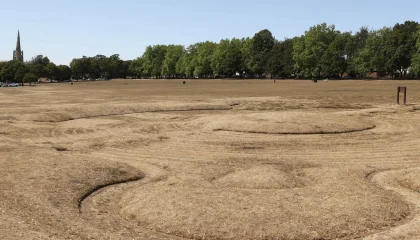
The flooding risk is not a matter of excessive rainfall volume but of soil condition. After prolonged drought, the ground becomes compacted and waterlogged-capable in a very different sense: it simply cannot absorb water. Runoff accelerates, drains overflow, and low-lying areas fill quickly. Forecasters expect conditions to turn drier again by Friday and through the weekend, before another round of rain arrives the following week — a pattern that compounds infrastructure strain on already-stressed drainage and water systems.
The Scale of the Drought
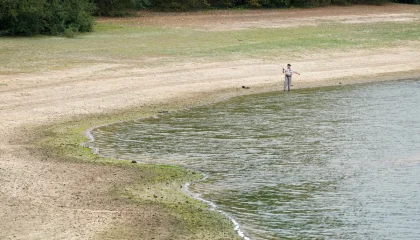
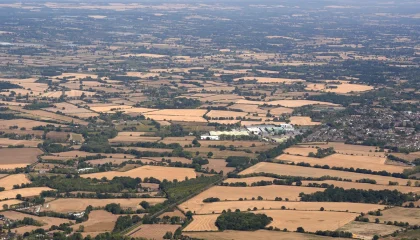
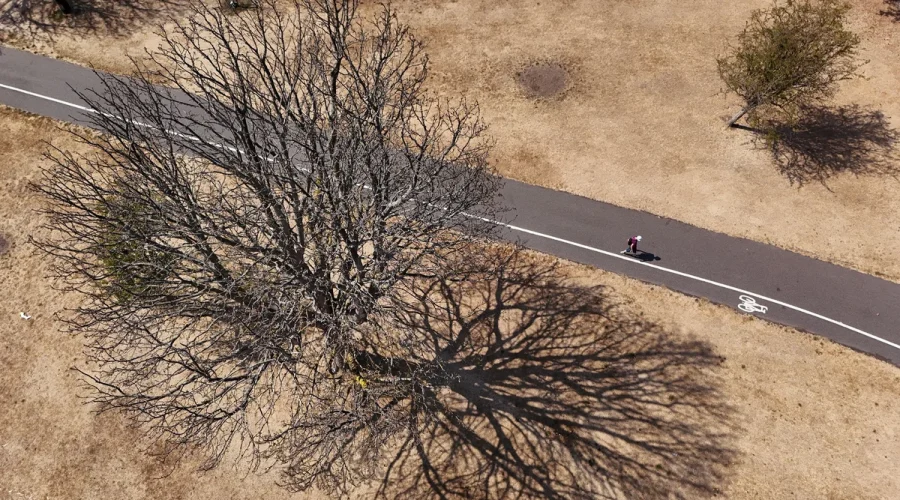
The hosepipe ban is not an isolated event. More than 27 million people across England now live under some form of restriction on outdoor water use. The ban follows the fifth heatwave of the summer, during which the year’s hottest temperature was logged at Kew Gardens in London on Thursday, reaching 38.1 °C. Met Office data identifies Wisley in Surrey as one of the driest locations in the country, having recorded 61 consecutive days without measurable rainfall since June 17. Heathrow in Greater London sits close behind at 55 consecutive dry days since June 23.
Wessex Water cited both the immediate spike in demand during the dry spell and longer-term forecast outlooks when justifying the temporary restriction, emphasising the need to safeguard resources for domestic customers and the surrounding environment. The company framed the measure as protective rather than punitive — a distinction that matters to households already rationing water for gardens, washing cars, and filling paddling pools.
Wildfires and Emergency Services Under Strain
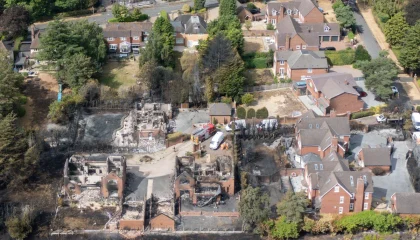
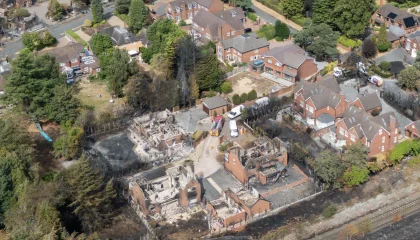
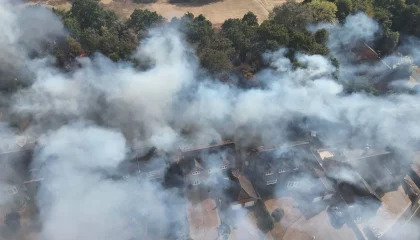
The same conditions that parched the soil have fuelled an unprecedented wildfire season. In the West Midlands, a blaze in Stourbridge consumed 19 homes, prompting visits from senior political figures including Angela Rayner, who toured affected households. Across England and Wales, the National Fire Chiefs Council reported on Monday that 1,132 wildfires have been recorded in 2026 to date — a record high for the period running from January through to that point in the calendar.
On Friday evening, millions of residents in England and Wales received a mobile-phone alert warning of a “very high risk of wildfires nationally.” Multiple fire services have urged the public to dial 999 only for genuine emergencies, freeing capacity for crews already stretched thin by weeks of concurrent incidents.
Water Supply Failures in the South East
While Wessex Water’s ban is preventive, other regions are dealing with active supply breakdowns. Over 8,000 customers of South East Water across Kent have experienced interruptions to their water supply, with some told resolution could take days. The company attributed the disruptions to a combination of prolonged hot weather, elevated demand, recent pipe bursts, and overnight power issues.
Mike Pickard, incident support manager at the water company, addressed the situation directly:
“It’s an ongoing challenge for us at the moment and we apologise sincerely to all affected customers. Our team is exhausted and being pushed to limits to make sure water is running.”
What the Coming Rain Will and Will Not Solve
The forecasted showers may offer partial relief to parched farmland, stressed ecosystems, and firefighting operations. Yet meteorologists are clear that a single wet spell will not reverse months of accumulated drought. Wildlife habitats, agricultural water reserves, transport infrastructure weakened by ground instability, and emergency-service capacity all remain under severe pressure. The ban, the flooding risk, and the wildfire alerts together illustrate a system operating at the intersection of two extremes — scarcity and excess — within a matter of days.
For the 1.4 million Wessex Water customers, the practical message is straightforward: outdoor hosepipe use is prohibited from Tuesday until further notice. For the wider public, the coming week demands vigilance on both fronts — checking local flood warnings where heavy showers are expected, and continuing to conserve water where restrictions remain in force. The summer’s fifth heatwave has ended, but its consequences are still unfolding.
Related Reading
Frequently Asked Questions
What is Latest hosepipe ban comes into force?
Latest hosepipe ban comes into force is the main topic of this guide. The article explains the context, practical details, and next steps readers should understand.
Why does Latest hosepipe ban comes into force matter?
Latest hosepipe ban comes into force matters because readers are looking for a useful answer, not just a short summary. Good content should match search intent and help them decide what to do next.