UK Heatwave Nears End as Temperatures Hit 30°C for Thirteenth Consecutive Day
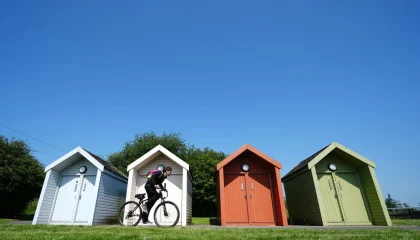
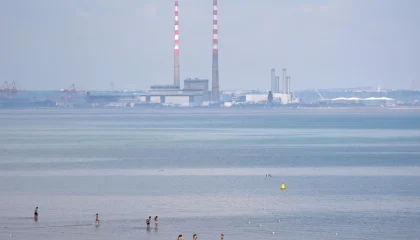
Temperatures exceed 30C for 13th day running – The United Kingdom has experienced an extraordinary stretch of warm weather, with temperatures surpassing the 30°C threshold for thirteen days straight, according to meteorological officials. This remarkable streak places the current summer among the hottest on record, though forecasters indicate that relief may soon arrive as cooler air moves in from the north.
On Friday, weather stations across the country recorded some of the highest readings of the season. Ross-on-Wye in Herefordshire emerged as one of the hottest locations, registering an impressive 31.0°C. This measurement contributed to the growing list of days where the mercury climbed above the thirty-degree mark, cementing the current spell as particularly notable in recent British weather history.
Historical Context and Records
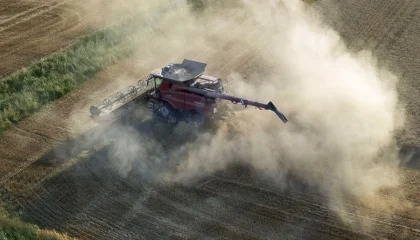
While the current heatwave is impressive, it does not stand alone in the annals of British meteorology. The year 1976 remains etched in public memory as a period of punishingly hot conditions. During that summer, eighteen consecutive days saw temperatures remain above 30°C. The drought that accompanied those extreme temperatures caused significant damage to agricultural crops, scorched vast stretches of countryside, and compelled residents to rely on standpipes positioned along city streets for their water supply.
Looking at the broader picture for 2026, meteorologists have tallied twenty-eight days in total—both consecutive and non-consecutive—where at least one location in the UK exceeded 30°C. The breakdown reveals seven such days in May, eight in June, and thirteen in July so far. The all-time record for the most days above 30°C within a single calendar year stands at thirty-four, a milestone achieved in 1995.
Weather Patterns Shifting
David Hayter, serving as the Met Office’s deputy chief meteorologist, provided insight into the atmospheric conditions driving this weather pattern. He explained that the high-pressure system responsible for the extended period of fine weather will persist for approximately another week. However, this system is expected to move sufficiently to allow a more northerly airflow, which will bring a noticeable cooling effect and conclude the current sequence of hot days.
“The high pressure, which has brought this prolonged fine spell, will continue for the next week or so at least, but will shift enough to enable a more northerly flow that will introduce a cooler feel that will end the run of 30C days.”
Hayter also noted that despite the incoming cooling trend, certain areas are likely to maintain heatwave conditions through the remainder of the week, meaning the end of the heat may not be uniform across the country.
Wildfire Concerns Mount
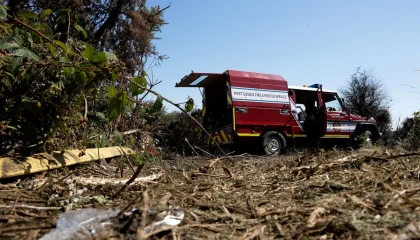
The extended period of warm, dry weather has coincided with an increase in wildfire activity across England and Wales. National Resilience data indicates that nearly 499 wildfires have been documented between January 1 and July 16 of this year. While this figure remains considerably lower than the 748 incidents recorded during the same period last year, the National Fire Chiefs Council has emphasized that current levels are substantially elevated compared to recent years.
Comparative statistics reveal that by this point in previous years, only 81 wildfires had been recorded in 2024, 242 in 2023, and 400 in 2022. As of Thursday, the National Resilience wildfire reporting system tracked twelve active incidents across England and Wales, a decrease from the nineteen incidents logged on July 12.
“Fire and rescue services have been working tirelessly over the past two weeks, responding to a sustained period of intense wildfire activity while continuing to answer the thousands of other emergency calls their communities rely on every day.”
Unprecedented Dry Spell
Adding to the concerns about fire risk, Met Office figures suggest that central and south-east England are experiencing the longest continuous period without recorded rainfall this century. Weather stations in both regions have measured an average of zero rainfall for fourteen consecutive days, spanning from Thursday, July 2, through Wednesday, July 15.
For south-east England, this represents the longest rain-free run since a fifteen-day spell in April 1997. Central England has seen its longest such period since a fourteen-day stretch without recorded rainfall in June 1996. These measurements form part of the Met Office’s HadUKP data series, which compiles daily weighted totals from a comprehensive network of weather stations distributed throughout the country.
Climate Change and Public Response
Scientists continue to highlight that the nation’s weather patterns are undergoing significant transformation due to human-driven climate change. This global phenomenon is disrupting rainfall patterns worldwide and contributing to increasingly extreme conditions. Following successive heatwaves and what was recorded as a record-warm spring for England and Wales, vegetation has become notably drier. The NFCC has warned that even a single spark can now rapidly ignite into a fast-moving wildfire, with the risk of further significant incidents expected to persist for several more weeks.
An NFCC spokesperson emphasized that while active incidents have begun to decline, the challenge remains substantial. With schools closing for summer holidays and more people spending time outdoors, the council is urging the public to take responsibility. Recommendations include avoiding disposable barbecues when possible, disposing of cigarettes properly, using provided bins for litter, and ensuring children understand fire safety and the importance of respecting natural spaces.
“While the number of active incidents has started to fall, the challenge is far from over. As schools break up for the summer and more people head outdoors, we are asking everyone to play their part in reducing the risk of fire.”
The council’s message is clear: most wildfires are preventable through simple, responsible choices. By making conscious decisions about how we interact with the outdoors during this hot period, communities can help protect themselves and their environment from the growing threat of wildfire.