Temperatures to Drop After Record-Breaking Heatwave
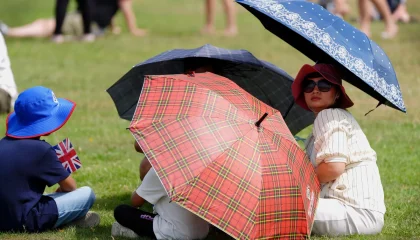
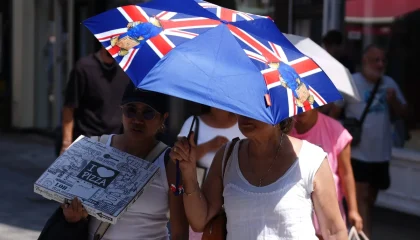
Temperatures to drop after record breaking – Following a prolonged period of scorching heat, the Met Office has issued thunderstorm alerts as a cooling trend is set to take effect. The extreme conditions, which saw three consecutive days of record June temperatures, have prompted warnings across the UK, with significant impacts on public services and infrastructure.
Record June Heat Endures
Friday was officially recognized as the UK’s hottest June day on record, with Santon Downham in Suffolk registering a provisional high of 37.3°C. This surpassed the previous record of 36.7°C, set in Merryfield, Somerset, the day prior. The temperatures not only exceeded the long-standing June heat benchmarks, which originated in 1976, but also broke them by more than 1°C—a stark contrast to historical norms where such milestones were typically achieved by minimal margins.
According to the Met Office, the heatwave was driven by a persistent high-pressure system that remained over western Europe, trapping heat and creating intense weather conditions. This phenomenon, known as a “heat-dome,” has become increasingly common due to human-induced climate change, particularly linked to the burning of fossil fuels. Scientists have emphasized that the current extreme weather events are now more frequent and severe than they were in the past.
“The UK is experiencing a gradual shift in weather patterns over the weekend, with the southern regions retaining the warmth the longest,” stated Met Office chief forecaster Andy Page. “However, the highest temperatures are likely to occur in the low 30s Celsius as the conditions evolve.”
As the week progresses, the Met Office predicts a mix of weather, including cloudy intervals and sunny spells, alongside occasional rainfall from the western areas. This transition is expected to bring fresh air to the western parts of the UK, with the cooler conditions slowly moving eastward throughout the weekend.
Heatwave’s Impact on Services
Health officials have raised concerns about the strain on emergency services due to the increased number of life-threatening incidents. Hospitals, including University Hospital Southampton, reported critical situations, with several operations and outpatient sessions canceled to manage the influx of patients. Schools and nurseries have also been affected, with closures enforced in response to the extreme heat.
In addition to the disruption in education, transport networks faced challenges. Network Rail advised passengers to limit non-essential travel on Friday, especially in areas designated as red or amber zones by the Met Office. Train services in these regions were deemed less reliable due to the heat’s effect on infrastructure and operations.
Even judicial systems were impacted, with the cells at Bristol Crown Court temporarily closed. Defendants were relocated to Bristol Magistrates’ Court, which was perceived as a cooler alternative. Meanwhile, Kent residents encountered restrictions as a hosepipe ban was implemented to conserve water amid soaring demand.
Regional Weather Variations
While the southern regions of England remain under an amber heat warning through Saturday, northern areas are anticipated to see rainfall. Western Scotland and much of Northern Ireland are expected to experience showers on Saturday, with the possibility of these light rainfalls extending further south on Sunday. In contrast, the southeast of England may stay dry, though thunderstorms are a risk before temperatures gradually return to more typical levels by Monday.
The Met Office highlighted the shift in weather patterns, noting that the transition from the heatwave to cooler conditions is not uniform across the country. This variability underscores the complexity of the current meteorological situation, with some areas recovering faster than others. The combination of high pressure and climate change has created a scenario where extreme heat events are now a regular occurrence, rather than rare anomalies.
Broader Implications
Analysts have pointed to the long-term effects of climate change, which are intensifying the frequency and intensity of heatwaves. The current event serves as a clear example of how these changes are altering weather patterns globally. With temperatures soaring to 36.4°C in London, the heatwave has demonstrated the potential for extreme conditions to affect even urban centers.
Although the immediate focus is on the cooling trend, the lingering effects of the heatwave will continue to influence the UK’s weather in the coming days. The Met Office has warned that the weekend will bring a mix of conditions, with some areas facing the risk of thunderstorms while others enjoy a gradual return to average temperatures.
As the heatwave recedes, its impact on society remains evident. From disrupted train schedules to hospital operations and school closures, the extreme weather has tested the resilience of various sectors. The Met Office’s forecasts suggest that while the immediate danger has passed, the broader implications of such events will persist, highlighting the need for adaptive strategies to manage future heatwaves.