Ukraine accuses Hungary, Slovakia of ‘blackmail’ over energy supply threats
On Saturday, Ukraine’s Foreign Ministry denounced the “ultimatums and blackmail” from Hungary and Slovakia, which had warned of halting electricity exports to Kyiv unless the country resumes the flow of Russian oil through its territory. The two nations, both EU and NATO members, claimed Ukraine was responsible for the ongoing disruption in energy flows, citing a Russian drone strike in Western Ukraine on January 27 as the trigger for the shutdown of oil shipments to them.
Slovakia’s Prime Minister Robert Fico warned that emergency electricity supplies to Ukraine would be cut off within two days if Kyiv did not restart Russian oil transit via Slovakia. Hungary’s Viktor Orban made a similar demand earlier in the week. This disagreement has intensified tensions between Ukraine and its neighbors, who have taken a different stance from the pro-Ukrainian majority in Europe by strengthening their relationships with Moscow.
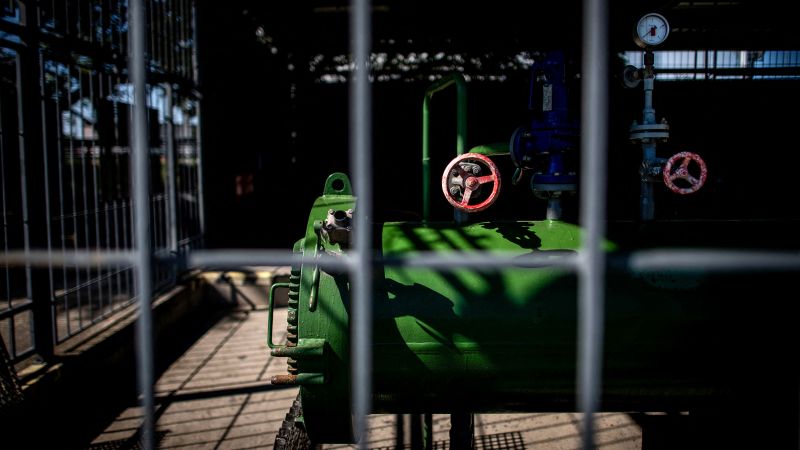
Slovakia and Hungary are the sole EU countries still dependent on substantial Russian oil transported through the Druzhba pipeline, which runs over Ukraine. The Ukrainian Foreign Ministry stated,
“Ukraine rejects and condemns the ultimatums and blackmail by the governments of Hungary and the Slovak Republic regarding energy supplies between our countries. Ultimatums should be sent to the Kremlin, and certainly not to Kyiv.”
Kyiv argues that the energy crisis is a result of Moscow’s actions, not its own.
Both nations have been vital in supplying half of Europe’s emergency electricity to Ukraine, which has increasingly relied on this support as Russian attacks damaged its grid. Fico declared in a post on X,
“If oil supplies to Slovakia are not resumed on Monday, I will ask SEPS, the state-owned joint-stock company, to stop emergency electricity supplies to Ukraine.”
Kyiv labeled these measures as “provocative, irresponsible, and threatening the energy security of the entire region.”
Since the Russian invasion of Ukraine began four years ago, Kyiv has allowed Russian energy to transit through its territory. While flows have been reduced, the country’s role as a key transport route remains. Ukraine has suggested alternative paths, such as using its own oil system or a maritime route like the Odesa-Brody pipeline, to bypass the Druzhba pipeline during repairs. However, Russia has escalated drone and missile strikes on Ukraine’s energy infrastructure, causing prolonged blackouts and freezing millions during the harsh winter.