Why Erling Haaland Was Substituted in Norway’s World Cup Quarter-Final
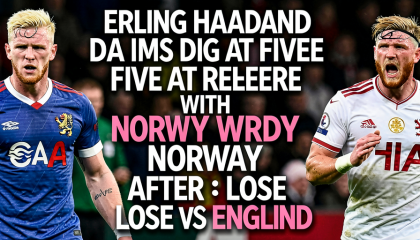
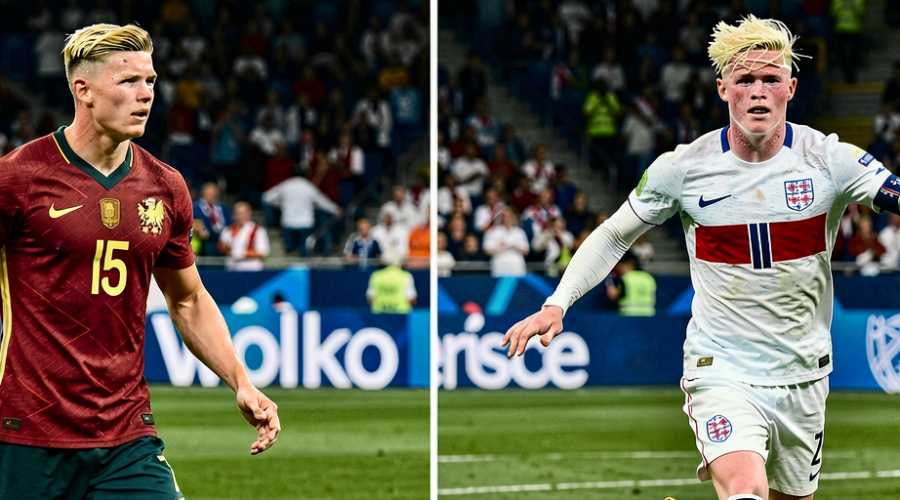
Why Erling Haaland was substituted for Norway – Norway’s manager Stale Solbakken revealed that substituting Erling Haaland during extra-time was an unavoidable tactical choice against England in their World Cup quarter-final clash. The decision surprised numerous observers, as the Manchester City forward failed to return for the second half of extra-time when Norway’s historic tournament run ultimately concluded at Miami Stadium on Saturday evening. Understanding why Erling Haaland was substituted requires examining both physical factors and strategic considerations that influenced Solbakken’s call.
Entering the crucial encounter, Haaland carried an impressive tally of seven goals from the 2026 World Cup campaign. Many anticipated he would spearhead Norway’s efforts to force the match into a penalty shootout after the regular 90 minutes and extra-time proved insufficient to separate the sides. The Norwegian striker had been instrumental throughout the tournament, consistently threatening England’s defense with his aerial prowess and clinical finishing ability.
A Managerial Decision Made in the Heat
The substitution occurred during the half-time break of extra-time, with Crystal Palace striker Jorgen Strand Larsen stepping in to replace the Norwegian captain. Unfortunately for Norway, Larsen managed to make minimal impact during the final 15 minutes of the contest, leaving fans wondering if the change had been premature. The timing of why Erling Haaland was substituted became a topic of debate among pundits and supporters alike.
Following the match, Solbakken addressed concerns that Haaland might have suffered an injury, clarifying that the 25-year-old had simply exhausted his physical reserves after 105 minutes of intense play in Miami’s oppressive conditions. The Norwegian manager emphasized that the decision was purely performance-based rather than injury-related, noting that Haaland’s legs had gone during the demanding extra-time period.
“It was not tough to take Erling Haaland off, I should have done it ten minutes earlier as he was finished,” Solbakken told reporters. “He’s had a great World Cup, scoring seven goals but he used up all of his energy.”
Missed Opportunities and Controversial Decisions
Haaland presented himself with several chances to equal Kylian Mbappe and Lionel Messi in the race for the World Cup 2026 Golden Boot, but his efforts proved fruitless. Two rather tentative headers were comfortably collected by England goalkeeper Jordan Pickford, denying the Norwegian striker crucial goals that could have changed the outcome. These missed opportunities added to the frustration surrounding why Erling Haaland was substituted, as many felt he deserved more time to find his rhythm.
Perhaps the most significant moment came in the 55th minute when Haaland’s push on Elliot Anderson resulted in Norway losing a potential lead. Torbjorn Heggem’s header was initially allowed but subsequently disallowed after referee Clement Turpin reviewed the incident on VAR advice. This controversial call further highlighted the narrow margins that defined Norway’s tournament exit.
Odegaard Reflects on Tournament Journey
Norway captain Martin Odegaard, whose team progressed to the semi-finals thanks to Jude Bellingham’s two goals for England, shared his thoughts on the disappointing result. The midfielder praised his teammates’ efforts while acknowledging the tough luck that accompanied their campaign. Odegaard’s leadership throughout the tournament had been exemplary, guiding Norway through challenging encounters with composure and determination.
“It’s difficult. I feel that we were so close. We did what we could, maybe we were in a low block in the first half but they didn’t do anything and we got ahead. Then we conceded two easy goals and didn’t get much help from the referee. The margins went against us and we had a bit of bad luck.”
Odegaard continued with characteristic optimism: “But it’s been fantastic, it’s been a fairytale. We can be proud of ourselves. The whole world is talking about us, a quarter-final in the World Cup is a huge achievement. Now we have a taste of it.”
The Norwegian side’s remarkable journey, culminating in this quarter-final appearance, has captured global attention and demonstrated the growing strength of Scandinavian football on the international stage. While the substitution of Haaland remains a talking point, the team’s overall performance suggests they have much more to offer in future tournaments.