Heat, Hydration, and the Question Mark Over Premier League Matchdays
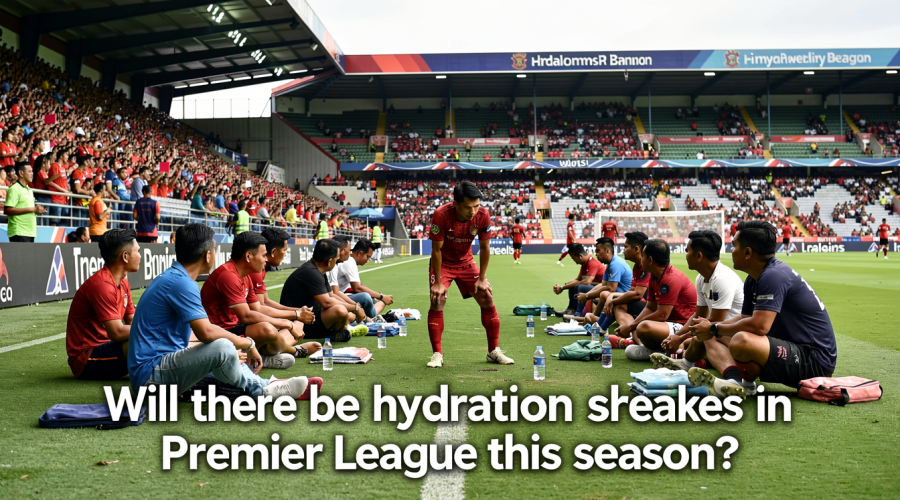
Traveloasisspot.com – The summer tournament in North America left an indelible mark on how football is played — and how it is sold. Across all 104 fixtures of the World Cup, referees stopped play for a full three minutes in one half of every match, giving players the chance to replenish fluids while simultaneously receiving tactical instructions from their coaching staff. The experiment was unprecedented at that level of competition, and its aftermath is now rippling through club football in ways that fans, broadcasters, and governing bodies are still working to understand.
From Tournament Novelty to Club-Football Reality
What began as a single-summer policy at the World Cup did not simply evaporate when the final whistle blew. Instead, the practice bled into the autumn calendar with surprising persistence. Pre-season friendlies across Europe incorporated the pause, and the early rounds of the Carabao Cup followed suit. In the first week of August, while the United Kingdom endured another bout of extreme heat, several first-round cup ties included a drinks break in one of their halves. The precedent was set, and the question shifted from “will this ever happen in club football?” to “under what conditions will it happen, and how often?”
The answer, as things stand, is conditional. The Premier League’s guidance document, issued in May, instructs match officials to consider a drinks break when the temperature at kick-off reaches or exceeds 30 degrees Celsius. Crucially, the decision rests with the referee and is typically settled by mutual agreement between the two clubs before the match begins. There is no automatic trigger, no blanket mandate, and no guarantee that any given fixture will include the pause.
The Commercial Engine Behind the Pause
It would be incomplete to discuss the hydration break without acknowledging the revenue architecture that made it possible in the first place. Each three-minute interruption created an additional pair of advertising slots for television broadcasters. At the scale of a 104-match tournament, those extra slots translated into a substantial uplift in broadcast income. The commercial logic was straightforward: a brief, predictable pause in play offered sponsors and rights-holders a clean window for messaging that would otherwise be lost amid continuous action.
That financial incentive is unlikely to disappear when the context shifts from a four-week tournament to a 38-week league campaign. If hydration breaks become a recurring feature of Premier League matchdays — even sporadically — the advertising implications for domestic broadcasters will be significant. The question is whether the sporting cost justifies the commercial gain, a debate that has already generated considerable friction among fans and pundits.
The Momentum Argument
Critics of the break have focused on its disruption of competitive flow. Football, unlike cricket or tennis, has historically operated without scheduled mid-half interruptions. A three-minute stoppage in the middle of a half can break the rhythm of a team that is pressing, deflate the intensity of a counter-attacking sequence, or allow a trailing side to regroup in a way that would not occur under continuous play. The World Cup provided hundreds of examples of both effects: matches where the pause appeared harmless, and others where it visibly altered the tactical trajectory of the second period.
Supporters counter that player welfare in extreme heat is non-negotiable, that the break reduces the risk of cramp, dehydration-related injury, and cognitive impairment in the final minutes of a half. They point to the fact that the guidance threshold of 30 degrees Celsius means the pause would apply only in genuinely hot conditions, not as a routine feature of a typical English autumn or winter matchday.
What Fans Will See This Season
When the curtain rises on the new Premier League campaign this Friday — with newly promoted Coventry City travelling to face Arsenal in an opening-week fixture — the hydration break will not be a guaranteed element of the broadcast. Its presence in any given match will depend on the weather forecast, the referee’s judgment, and the pre-match agreement between the two clubs. In a season where English temperatures rarely sustain themselves above the 30-degree threshold for extended periods, the break is more likely to appear as an occasional, weather-driven event than as a standing feature of the fixture list.
What is certain is that the conversation will continue. Every time a referee signals for a pause in warm conditions, broadcasters will weigh the advertising opportunity against viewer expectations. Clubs will assess whether the tactical window offered by the break gives them an edge or a disadvantage. And fans will form opinions — often sharp ones — about whether the integrity of the match has been preserved or compromised.
The World Cup proved that the mechanism works logistically. What remains unresolved is whether English football, with its different commercial pressures, different climatic realities, and different cultural expectations around match continuity, wants to adopt it at all. The answer, for now, is written in the weather forecast and left to the referee’s discretion.
Related Reading
Frequently Asked Questions
What is Will there be hydration breaks?
Will there be hydration breaks is the main topic of this guide. The article explains the context, practical details, and next steps readers should understand.
Why does Will there be hydration breaks matter?
Will there be hydration breaks matters because readers are looking for a useful answer, not just a short summary. Good content should match search intent and help them decide what to do next.