
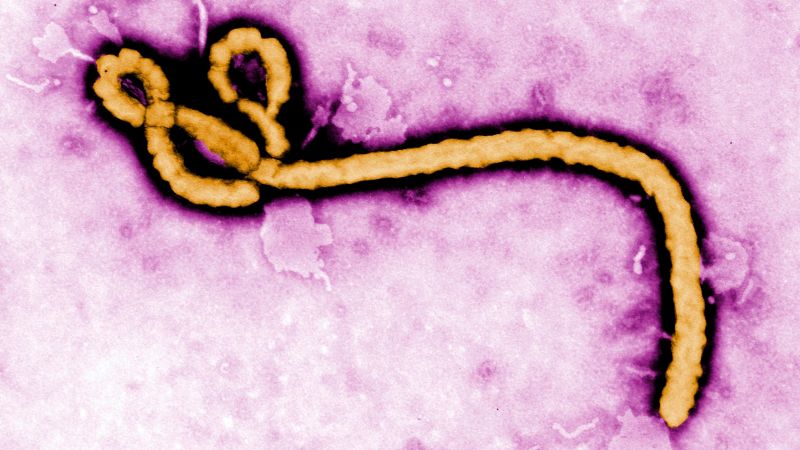
Ebola Outbreak Confirmed in Remote Congo Province, 65 Deaths Reported
A new Ebola outbreak is confirmed – A new Ebola outbreak has been confirmed in a remote province of the Democratic Republic of Congo (DRC), with 65 fatalities reported so far. The Africa Centres for Disease Control and Prevention (Africa CDC) announced the outbreak on Friday, citing 246 potential cases and 65 confirmed deaths in the Ituri region. These affected areas, Mongwalu and Rwampara, remain isolated due to underdeveloped infrastructure, complicating response efforts. The official confirmation followed earlier alerts from local health authorities, who had observed concerning symptoms in the community.
Outbreak Expansion and Regional Concerns
As the situation unfolds, health officials are concerned about the spread of the virus beyond its initial epicenter. Uganda has also reported a single death linked to an imported case from the DRC, underscoring the interconnected nature of the region’s health crises. The Africa CDC emphasized that the outbreak is currently centered in Mongwalu and Rwampara, but the proximity to Bunia, the provincial capital, raises alarms about potential cross-border transmission.
“The confirmation of this new outbreak highlights the urgency of deploying resources quickly,” stated Africa CDC officials. They noted that the strain of the virus, while not yet fully identified, has shown different characteristics in early tests. This discovery complicates containment strategies, as the Zaire variant has historically been the dominant strain in the DRC, known for its high mortality rate and rapid spread.
Response Efforts and Vaccine Preparedness
Global health bodies are mobilizing to address the outbreak. The World Health Organization (WHO) has dispatched teams to assist with investigations and sample collection, aiming to determine the strain’s behavior. The DRC’s health ministry has previously managed outbreaks effectively, but the presence of a new variant adds complexity. While the country maintains a stockpile of treatments and 2,000 doses of the Ervebo vaccine, these are specifically effective against the Zaire strain, leaving a gap in current preparedness.
The Africa CDC stressed the need for immediate action, noting that the outbreak’s location in remote areas poses logistical challenges. With limited access to healthcare facilities, containment efforts require both local and international collaboration. Uganda’s Health Ministry has initiated contact tracing for the confirmed case, a critical measure to prevent localized transmission. This proactive approach reflects the region’s awareness of the outbreak’s potential to escalate.
Despite the challenges, the DRC’s health systems are working to contain the spread. The Africa CDC highlighted the importance of rapid diagnosis and isolation protocols, especially in regions with high mobility due to mining activities. Officials are also urging communities to adopt preventive measures, such as handwashing and safe burial practices, which have proven effective in previous outbreaks. The situation remains under close monitoring, with updates expected as more data becomes available.
Regional Impact and Public Health Priorities
The confirmed outbreak in the DRC has drawn attention to the region’s vulnerability to infectious diseases. With 65 deaths recorded, the situation is critical, particularly in areas where healthcare access is limited. The Africa CDC noted that the outbreak’s identification in Mongwalu and Rwampara has prompted a review of existing health protocols, as well as an assessment of the need for additional medical support.
Uganda’s single reported death serves as a reminder of the virus’s transboundary nature. The country’s health officials are working to determine the exact origin of the case and ensure that preventive measures are in place. This development also highlights the importance of regional cooperation in combating health emergencies. The WHO’s recent allocation of $500,000 in funding aims to enhance the DRC’s response, though challenges persist in addressing the new strain’s implications.





