Table of Contents
ToggleSubtle Nail Change Signals Deadly Skin Cancer
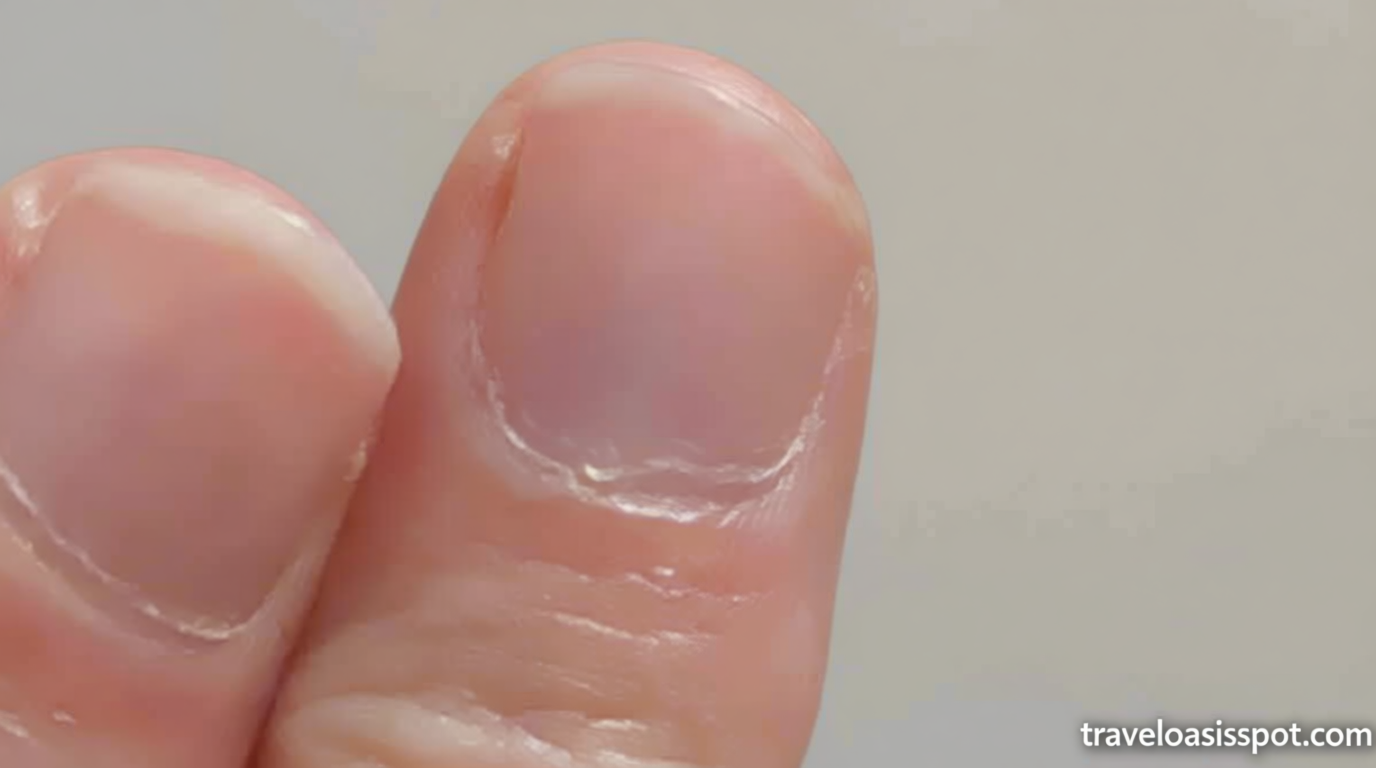
A faint brown streak beneath a fingernail might seem harmless, but for Elizabeth Misselbrook, it became a critical warning sign of a rare and aggressive form of skin cancer. The seemingly innocuous line on her nail eventually led to the loss of part of her finger, highlighting the importance of noticing minor changes in nail appearance.
Initial Reassurance
In September 2019, Elizabeth first noticed an unusual streak under the middle fingernail of her left hand. Her general practitioner dismissed the concern, advising her to observe it for three months without immediate alarm. “I wasn’t overly worried but enough to make a GP appointment,” she recalled, emphasizing her decision to seek medical attention despite the initial downplay.
“I didn’t wait. It didn’t itch, it was just a faint, light brown line.”
Progression and Diagnosis
By December 2021, the line had grown darker and wider, prompting her to return to the doctor. After being referred to a dermatologist, the team opted to remove the nail to examine the underlying tissue. This step revealed the presence of acral lentiginous subungual melanoma, a type of melanoma that develops in the nail bed rather than the nail itself.
The condition, which often mimics a simple bruise, can be overlooked due to its subtle presentation. However, Elizabeth’s case underscored its potential severity, as the cancer had already spread twice by the time she received her diagnosis in May 2021.
Amputation and Aftermath
By July 2022, Elizabeth’s condition had advanced to the point where part of her middle finger had to be amputated. “I was upset when they said they had to amputate,” she said, acknowledging the emotional impact of the decision. “But I was really worried so I kind of wanted them to make sure it didn’t come back.”
“I hadn’t felt unwell at any point and hadn’t had drug treatment so I felt grateful. I didn’t want to get ill.”
Warning Signs and Awareness
Medical professionals are now urging patients to monitor subtle nail alterations that could indicate serious conditions. Elizabeth’s experience, combined with a social media post she remembered, prompted her to take action. “I was worried because I have a doctor friend and she put something on Facebook about a line on your nail being a sign of something,” she explained.
The procedure involved removing the nail plate under local anesthesia and sampling the nail bed for biopsy. In her case, the entire nail bed was extracted down to the bone, followed by a skin graft to aid recovery. Though the nail may not regrow normally, some partial regrowth is possible depending on the extent of tissue removed.
Living with the Aftermath
Elizabeth, a former flute player, expressed concern about the long-term effects of the amputation, including challenges with handwriting and playing music. “I was worried about the long-term consequences like handwriting and playing the flute. I wanted to play the flute but I want to live more,” she reflected.
Her story serves as a reminder that even minor changes in nail appearance can signal life-threatening illnesses, urging greater vigilance in early detection.