Glasgow Patient Clears Ebola Virus Test
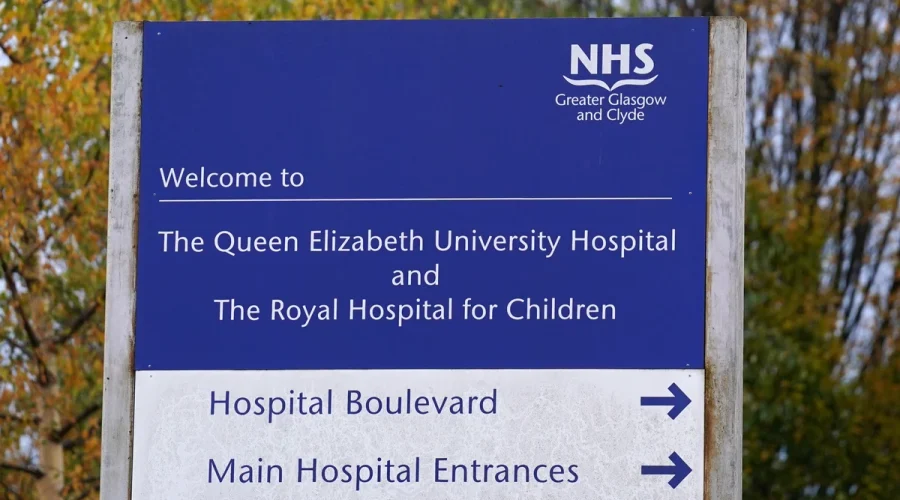
Patient tests negative for Ebola at Glasgow – A patient in Glasgow has tested negative for Ebola, confirming they are free of the virus after initial concerns were raised by medical staff. The individual, who was admitted to Queen Elizabeth University Hospital shortly after midnight on Tuesday, underwent testing to determine the presence of the virus. Public Health Scotland (PHS) confirmed that the test result is negative, alleviating fears of a potential outbreak in the region. This development highlights the critical role of timely diagnostics in containing infectious diseases, especially in areas with high international travel activity.
Public Health Scotland’s Response
Public Health Scotland acknowledged the precautionary testing of the patient, emphasizing the importance of swift action in identifying potential cases. The organization stated that the individual was monitored as part of routine protocols, given the ongoing risk posed by the Ebola virus. While no confirmed cases have been reported in Scotland, the testing process underscores the country’s preparedness to address infectious diseases quickly. This includes collaboration with the UK Health Security Agency to enhance surveillance and response capabilities.
“Public Health Scotland is working closely with the UK Health Security Agency to assess routes by which travelers may enter the UK from affected countries,” said a PHS spokesperson.
The spokesperson added that the risk from individuals arriving in the UK from regions impacted by the virus remains low, thanks to the National Health Service’s (NHS) robust detection and management procedures. These measures ensure that any suspected cases are handled with care, preventing the spread of the disease within the local population. The incident also serves as a reminder of the importance of maintaining hygiene and isolation protocols during the pandemic era.
Testing Protocols and Contact Tracing
PHS and NHS boards across Scotland have well-established protocols for evaluating and testing travelers from Ebola-affected areas. These procedures are designed to act swiftly in case of exposure, allowing for immediate containment. If necessary, contact tracing will be implemented, with close contacts undergoing clinical assessments and precautionary tests. The Glasgow patient’s case was flagged due to symptoms such as fever, fatigue, and gastrointestinal distress, which are common in early stages of the virus.
“Where required, contact tracing will occur and contacts may undergo clinical assessment and precautionary testing,” stated the spokesperson.
The testing of the Glasgow patient underscores the collaborative efforts between national and local health authorities. By maintaining a proactive approach, Scotland aims to minimize the chances of the virus establishing a foothold in the country. The incident also reinforces the importance of rapid diagnostic tools in healthcare systems, enabling accurate identification of infectious diseases at an early stage.
Global Context of the DRC Outbreak
The current Ebola outbreak in the Democratic Republic of Congo (DRC) has led to nearly 700 confirmed cases of the Bundibugyo strain, with the majority occurring in the eastern regions of the country. As of the latest reports, the outbreak has been ongoing for several months, prompting increased vigilance from global health organizations. The WHO has been actively working with local partners to contain the spread, which has raised awareness about the need for stringent screening processes in Scotland and other parts of the UK.
The Glasgow patient’s case is part of a broader effort to monitor and respond to the threat posed by the virus. While the risk of an Ebola outbreak in the UK remains minimal, the incident demonstrates how global health events can have local implications. Health officials are now reinforcing their messaging about the importance of reporting symptoms and adhering to health guidelines, especially for individuals arriving from high-risk zones.
Implications for Healthcare and Public Awareness
The patient testing negative for Ebola in Glasgow has sparked renewed discussions about the effectiveness of public health measures in preventing the spread of infectious diseases. Health professionals stress that even a single confirmed case can trigger a chain reaction, necessitating prompt action. The NHS’s ability to identify and manage such cases quickly is a testament to its preparedness, though it also highlights the need for continued public education about the symptoms and transmission of the virus.
“Early detection is key to preventing outbreaks, and this case exemplifies how our protocols are working,” said a health official.
Additionally, the incident has served as a learning opportunity for healthcare workers. It has reinforced the importance of clear communication with patients and the public, ensuring that everyone understands the potential risks and the steps being taken to mitigate them. Public Health Scotland has also emphasized the role of community involvement in maintaining health standards, particularly during the post-pandemic period.