Record-Breaking Heat Claims Hundreds of Lives Across Capital and Beyond
Heatwaves killed 1 000 people in London – Summer temperatures have reached unprecedented levels, resulting in a significant number of fatalities across the United Kingdom. According to comprehensive new research, hundreds of London residents have lost their lives due to extreme heat conditions this year alone. The findings paint a concerning picture of how climate change is directly impacting public health and mortality rates.
Unprecedented Death Toll During Summer Heatwaves
Leading experts from Imperial College London, the Met Office, and the London School of Hygiene and Tropical Medicine conducted extensive analysis on heat-related mortality. Their calculations revealed that approximately 2,700 excess deaths occurred throughout England and Wales during the May and June heatwave periods. These figures represent a substantial increase compared to previous years.
Within Greater London specifically, the death toll reached 109 during May and climbed to 344 in June. The study emphasized that warming patterns were particularly intense in the urban heat island surrounding the capital city. This phenomenon occurs when urban areas experience higher temperatures than surrounding rural regions due to human activities and infrastructure.
Meanwhile, temperatures across the United Kingdom reached a new all-time record in May. The measurement of 35.1°C was recorded at Kew Gardens in south west London on May 26th. This milestone highlights the accelerating pace of climate change and its immediate consequences for British weather patterns.
Regional Impact and Climate Attribution
When examining the broader commuter belt and South East region, researchers identified 110 excess heat-related deaths in May and 439 in June. Both months experienced record-breaking temperatures, contributing to the combined total of 1,002 heatwave fatalities across London and the South East. These numbers underscore the severity of the situation and the geographic spread of the problem.
Dr Clair Barnes from Imperial College London provided crucial context for understanding these statistics. She characterized heatwaves as the most dangerous form of extreme weather currently affecting the population. Her analysis connects these deaths directly to human-caused climate change rather than natural weather variability.
People need to be aware that we are now seeing dangerous climate-change fuelled heat that is claiming lives, disrupting schools and hospitals and shutting down transport and infrastructure.
The research further revealed that six out of ten excess heat-related deaths in London during May were attributed to climate change. In June, this proportion was four out of ten. These statistics demonstrate that human activity is a significant contributing factor to heat-related mortality.
Vulnerable Populations and Health Risks
While elderly residents remain the most affected demographic, with approximately six out of ten heat-related deaths across the country involving people aged 85 or older, younger Londoners face increasing risks as well. Previous studies have identified several factors contributing to this trend, including commuting on the Underground during peak heat, housing overcrowding, and the urban heat island effect.
The health consequences of prolonged high temperatures extend beyond immediate fatalities. Associated risks include heat exhaustion, heat stroke, increased stress on the heart and kidneys, and worsening of chronic conditions such as heart disease, lung conditions, and diabetes. Additionally, extreme heat can deteriorate mental health, increase violence rates, and elevate the risk of drowning incidents.
To protect people during future extremes, we must urgently adapt to the reality of the climate we now have, and double down on global efforts to reach net zero emissions to stop this from getting worse.
Emergency Response and Regional Variations
The London Ambulance Service experienced its busiest week in history during the June heatwave, responding to a record number of life-threatening emergencies. Deputy chief paramedic Alison Blakely emphasized the importance of simple preventive measures, including staying hydrated and avoiding strenuous activities like running during the hottest portions of the day.
Regional analysis revealed interesting patterns in mortality rates. After accounting for population size, the South West, London, and the South East experienced the highest impact per one million people during May. In June, the West Midlands, South East, and South West showed the highest heat-related mortality rates. Researchers suggested that the West Midlands’ elevated death toll may stem from reduced adaptation to hot weather compared to populations in London and southern regions.
London’s NHS chief, Dr Chris Streather, warned that continued high temperatures would likely result in increased deaths, primarily from heart attacks, strokes, and respiratory illnesses. He stressed the dual need for immediate heat protection measures and long-term climate change mitigation strategies.
Compounding the situation, daytime record temperatures have been accompanied by tropical nights across London and other regions, where temperatures fail to drop below 20°C. This lack of nighttime cooling prevents the body from recovering from daytime heat stress, potentially exacerbating health risks for vulnerable populations.
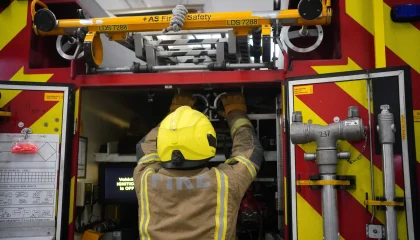
Wildfires and other blazes have also erupted throughout the capital, including incidents in Walthamstow and Stratford, further demonstrating the widespread impact of extreme heat conditions on urban environments and public safety.