London Bus Walkout Called Off as Arriva Tables Upgraded Pay Deal
Traveloasisspot.com – Commuters across north and east London can breathe a little easier this weekend. A planned walkout by more than 1,500 Arriva North London bus drivers, originally scheduled to begin on Friday, September 4, has been shelved after the operator presented what the company described as a “significantly improved offer” to the workforce’s union.
The dispute, which threatened to pull over 40 routes out of service simultaneously, centred on what drivers argued were unacceptable cabin temperatures inside their vehicles. Workers had complained that conditions on the bus — whether sweltering heat in summer or biting cold in winter — were not being adequately managed by the employer, and that the issue had gone unresolved for too long.
What Was at Stake
The routes slated for disruption ran through some of London’s busiest residential and commercial corridors: Barking, Edmonton, Enfield, Grays, Palmers Green, Stamford Hill, Tottenham, and Wood Green. A full walkout on those lines would have left tens of thousands of daily passengers without their usual connections, forcing reliance on Tube, Overground, or private transport at peak hours. For shift workers, students, and families in those boroughs, even a single day of bus withdrawal carries real consequences — missed appointments, longer commutes, and added pressure on already-stretched rail services.
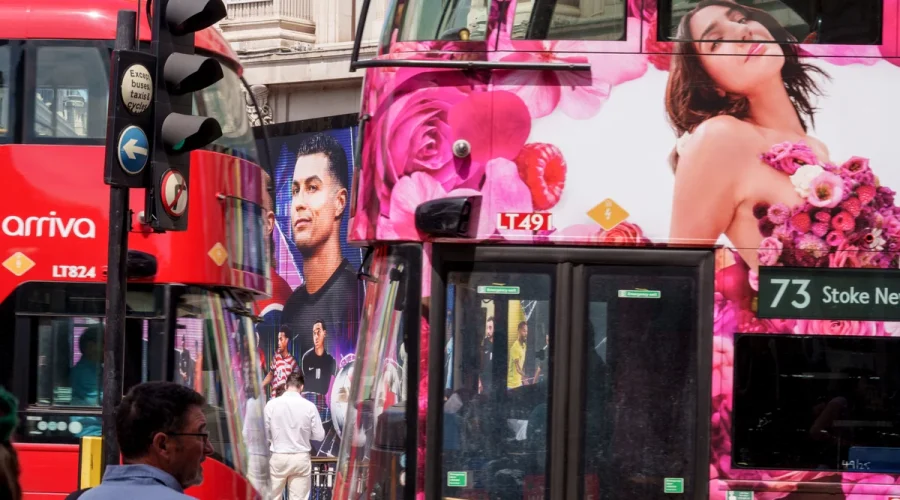
Arriva North London, a subsidiary of the Spanish transport group Movistar, operates a substantial share of the capital’s bus network. When its drivers walk out, the knock-on effects ripple through interchange stations and feeder routes that depend on bus connections to reach Tube platforms. The scale of this particular action — over 1,500 drivers and 40-plus routes — made it one of the more disruptive industrial actions London’s bus sector had faced in recent years.
Negotiations and the Improved Offer
Following a round of talks between Arriva management and Unite, the trade union representing the drivers, a revised package was put forward. Rather than being rejected outright, the new terms were accepted for consideration and will now be put to a formal ballot among affected members over the coming days. The ballot outcome will determine whether the dispute is fully resolved or whether further action remains on the table.
Unite general secretary Sharon Graham framed the development in broader terms, pointing beyond this single employer to the wider London bus industry:
“Unite is determined that the conditions of bus drivers are improved in London and beyond. We expect bus operators to treat workers with dignity and respect and will be ensuring that this happens.”
Unite national lead officer Onay Kasab confirmed the procedural next step:
“Following an improved offer which deals with the issues raised by Unite members, the offer will now go out to ballot over the coming days.”
Why Cabin Temperature Became a Flashpoint
At first glance, a complaint about bus interior temperatures might seem minor compared with pay or pension disputes. In practice, however, the issue touches on working conditions that affect safety and health. Drivers spend long stretches behind the wheel, often in vehicles where ventilation and climate control are limited by the vehicle’s design and age. Prolonged exposure to extreme heat or cold can impair concentration, increase fatigue, and raise the risk of heat-related illness or hypothermia. For a workforce that operates in dense urban traffic, where split-second decisions matter, those physical conditions translate directly into passenger-safety concerns.
The dispute also sits within a wider pattern of industrial friction across London’s transport sector in recent years. Bus drivers, Tube staff, and rail workers have each staged or threatened action over pay, staffing levels, and workplace conditions. Each episode tests the resilience of a public network that carries roughly 5.5 million passengers daily and for which no single alternative can absorb a sudden withdrawal of service.
What Happens Next
The immediate walkout has been postponed, but the dispute is not formally closed. The ballot process gives members time to review the improved terms, ask questions through their shop stewards, and vote. If the offer is accepted, normal service resumes without further interruption. If it is rejected, both sides return to the negotiating table, and the possibility of renewed industrial action re-enters the picture.
For now, the 40-plus routes across Barking, Edmonton, Enfield, Grays, Palmers Green, Stamford Hill, Tottenham, and Wood Green will run their usual timetables this weekend. Commuters who had been bracing for disruption can plan their journeys as normal — at least until the ballot result lands and the next chapter of this dispute becomes clear.
Related Reading
Frequently Asked Questions
What is London bus strikes postponed after significantly?
London bus strikes postponed after significantly is the main topic of this guide. The article explains the context, practical details, and next steps readers should understand.
Why does London bus strikes postponed after significantly matter?
London bus strikes postponed after significantly matters because readers are looking for a useful answer, not just a short summary. Good content should match search intent and help them decide what to do next.