Train Derailment Latest: RAIB Probes Bumpy Track After Lewes Crash
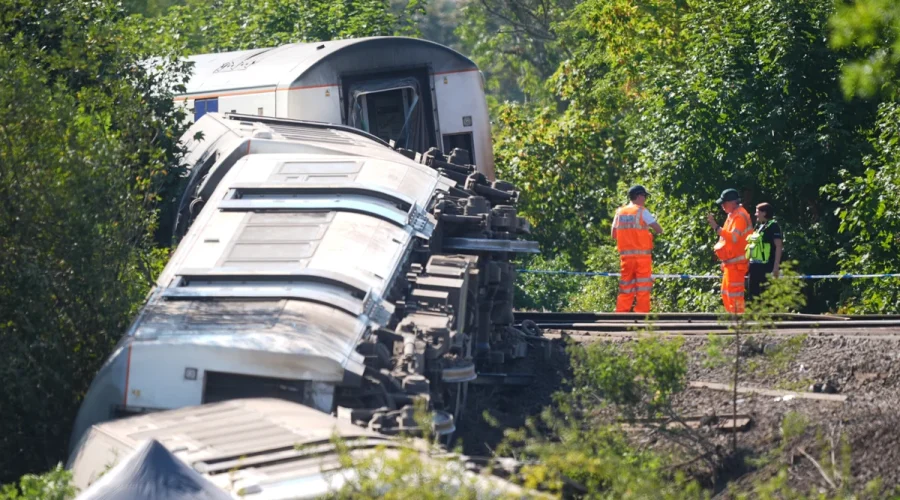
Traveloasisspot.com – Investigators are examining multiple factors following a dramatic train derailment in east Sussex that left dozens of passengers injured. The incident occurred on Thursday afternoon when a Southern Rail passenger service traveling from London Victoria to Eastbourne overturned near the town of Lewes, with three carriages leaving the railway line and flipping onto their sides.
Emergency responders treated two passengers who sustained serious injuries, while eighteen others were hurt in the collision. The train was carrying approximately 150 people at the time of the accident, according to initial reports from the scene.
Track Conditions Questioned Before Incident
James MacCleary, the Member of Parliament for Lewes, revealed that concerns about the track’s condition had been raised just one week prior to the derailment. The local politician noted that a meeting had been held with Greater Thameslink railway officials to discuss the “bumpier” sections of track in the area. MacCleary suggested that the uneven surface could potentially be linked to the “incredibly hot weather” that has affected the region recently.
The timing of these concerns has added another layer to the investigation, as experts work to determine whether the track conditions contributed to the accident or if they were a result of the derailment itself.
RAIB Launches Comprehensive Investigation
The Rail Accident Investigation Branch (RAIB) has deployed investigators to the scene to determine the root cause of the incident. Major disruption to rail services is expected throughout the day as the investigation team examines every aspect of the accident.
Richard Bowker, the former chairman of the Strategic Rail Authority, explained that investigators will have access to multiple sources of information. He noted that the train is equipped with forward-facing CCTV cameras, which should provide visual evidence of track conditions as the train approached the incident site.
“The train itself I would expect to be fitted with forward-facing CCTV cameras, so it will be possible to see, I would suspect, what the track looked like as the train arrived.”
Bowker also highlighted that the train contains a black box data recorder that will reveal critical information about the train’s speed and any braking applications that were activated before the derailment.
Passenger Accounts and Scene Images
Survivors of the incident have shared harrowing accounts of the moment the train overturned. Some passengers described being dragged along the floor as the carriages shifted, while others recalled an instinctive urge to grab hold of their loved ones during the sudden movement.
Photographs circulating on social media platforms show the dramatic aftermath, with images capturing people standing atop the overturned train carriages as emergency crews worked to assist those affected. Additional images appear to reveal a significantly bowed section of track, though investigators are still determining whether this damage preceded or resulted from the derailment.
“We’ve seen images of damaged track – was that caused by the derailment, or did it cause it, or a bit of both? They’ll look at the effects of heat.”
Weather and Infrastructure Factors
Bowker emphasized that investigators will examine the ground beneath the track and the surrounding embankment to assess whether hot weather conditions caused the soil to dry out and potentially destabilize the track foundation. This analysis will be combined with an examination of any conditions specific to the Lewes location.
The former chief executive of Etihad Rail provided historical context, noting that the incidence of rails buckling in high temperatures has actually been steadily declining over the past 20 to 30 years. He attributed this improvement to the use of slightly heavier rails and better fastenings in modern railway infrastructure.
“But physics is physics, and one of the challenges we’ve got as we see more extreme ranges of heat is dealing with that.”
Service Impact and Safety Reassurance
Network Rail has stated that it is too early to definitively determine the cause of the crash, but the affected line will remain closed until further notice. This closure is expected to impact thousands of commuters who rely on this route for daily travel between London and the Sussex coast.
Despite the disruption, John Whitehurst, the interim chief executive officer of Greater Thameslink Railway, which operates Southern services, has reiterated that such incidents remain rare and that the railway system is very safe. He told BBC Breakfast that the company conducts constant safety checks and maintains rigorous maintenance schedules across its network.
Frequently Asked Questions
When did the train derailment occur? The incident happened on Thursday afternoon near Lewes in east Sussex.
How many people were injured? Two passengers sustained serious injuries while eighteen others were hurt, with approximately 150 people on board at the time.
What is being investigated? The RAIB is examining track conditions, weather factors, and train data to determine the cause of the derailment.
Will services be disrupted? Yes, the affected line will remain closed until further notice, impacting commuters traveling between London and the Sussex coast.
Are there concerns about the track? Yes, MP James MacCleary revealed that concerns about bumpy track sections had been raised just one week before the incident.