West End Theatre to Be Named After Tom Stoppard
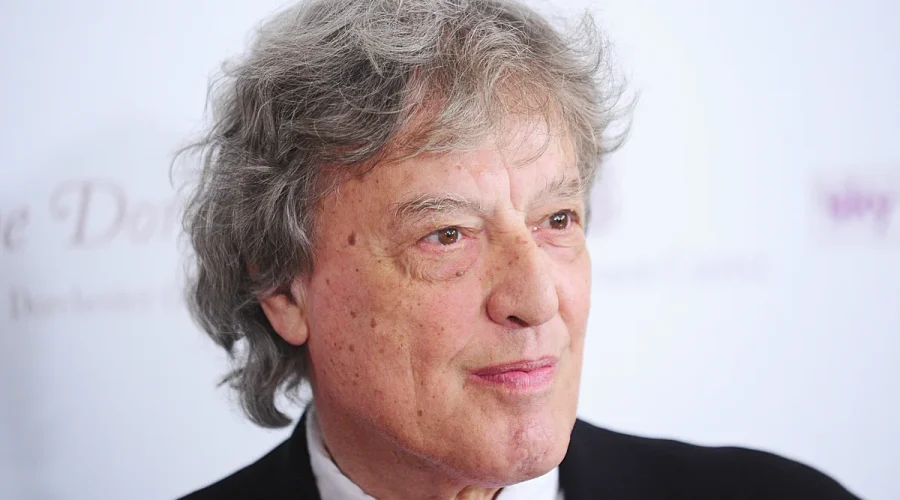
West End theatre to be named – The West End theatre to be named after the acclaimed playwright Tom Stoppard is set to undergo a historic transformation, commemorating his unparalleled contributions to British theatre. This decision, announced following Stoppard’s passing in November 2025, marks a symbolic rebranding of the Duke of York Theatre, which will now carry his name as a tribute to his enduring legacy. The renaming is expected to highlight the cultural significance of the West End as a hub for theatrical innovation and to honor Stoppard’s profound impact on the industry over his six-decade career.
The Significance of the Renaming
Tom Stoppard, a literary titan whose works have redefined modern drama, is set to be remembered through the West End theatre’s new name. The Duke of York Theatre, known for hosting a variety of productions, has been selected for this honor due to its historical ties to Stoppard’s most celebrated plays, including *Arcadia* and *Rosencrantz and Guildenstern Are Dead*. The West End theatre to be named will not only bear his legacy but also serve as a lasting reminder of the creative genius that has shaped the region’s theatrical identity. This decision reflects the widespread admiration for Stoppard’s ability to blend intellectual depth with theatrical flair, ensuring his name remains etched in the annals of British stage history.
“ATG Entertainment, the theatre’s operator, described the renaming as a ‘lasting tribute’ to ‘one of the most influential playwrights in British theatre,’ emphasizing the emotional and cultural weight of the change.”
Stoppard’s influence extends beyond the stage, with his 1998 screenplay for *Shakespeare in Love* earning him an Academy Award and a Golden Globe. This recognition, coupled with his Tony and Olivier Awards, underscores the breadth of his artistic achievements. The West End theatre to be named will stand as a beacon of his contributions, particularly in the realm of stage writing, where his plays have consistently pushed boundaries and captivated audiences. The theatre’s new name is not merely a gesture of respect but a declaration of Stoppard’s indelible mark on the West End’s theatrical landscape.
Stoppard’s Family and the Emotional Response
Sir Tom Stoppard’s children—Ollie, Barny, Will, and Ed—expressed their heartfelt gratitude for the decision to name the West End theatre after him. “We are deeply moved and delighted that the theatre to be named will carry our father’s name,” they stated. “The West End was his passion, and he would have been both thrilled and humbled by this honor.” His wife, television producer Sabrina Stoppard, added, “Tom thrived in the West End, and this renaming ensures his legacy will be preserved in a place he loved.” The family’s sentiments reflect a shared belief in the importance of this tribute, which bridges Stoppard’s personal life with his professional achievements.
“The West End theatre’s new name is a testament to Tom’s deep connection to the stage and his role in shaping the region’s theatrical traditions,” said Sonia Friedman, who played a pivotal role in the decision. “His works have left an indelible mark, and this change will keep his spirit alive for generations to come.”
Stoppard’s career began in the 1960s with *Rosencrantz and Guildenstern Are Dead*, a groundbreaking play that reimagined two minor Hamlet characters in a comedic and philosophical exploration of fate and identity. This work, which premiered at the Edinburgh Festival Fringe and later moved to the National Theatre, established Stoppard as a trailblazer in contemporary theatre. The West End theatre to be named will now host future productions that echo his style, ensuring his creative vision continues to inspire new generations of playwrights and performers.
Historical Context and Stoppard’s Influence
The Duke of York Theatre, a cornerstone of London’s West End, has hosted some of the most iconic plays in British theatre history. Its decision to be renamed after Stoppard aligns with the playwright’s long-standing association with the venue, where his works have been performed to critical acclaim. The West End theatre to be named will now become a symbol of his artistic journey, reflecting the evolution of British theatre from the 1960s to the present. Stoppard’s ability to intertwine complex themes with accessible storytelling has made his plays a staple of both the West End and global stages.
His later works, such as *Leopoldstadt*, a semi-autobiographical play set in Vienna’s Jewish Quarter during the early 20th century, further cemented his status as a master of narrative and historical context. The West End theatre to be named will continue to serve as a venue for such thought-provoking productions, offering a space where Stoppard’s legacy can be celebrated. This rebranding is expected to draw more attention to the West End’s role as a cultural epicenter and to inspire renewed interest in Stoppard’s body of work, which remains as relevant today as it was decades ago.