London Commuters Face Disruption as Bus Drivers Stage Walkouts Over Heatwave Conditions
Traveloasisspot.com – Thousands of London residents will experience significant travel disruptions this autumn as bus drivers across the capital prepare for a series of coordinated industrial actions. The strikes stem from ongoing concerns about working conditions during increasingly hot summer weather, with drivers arguing that current cooling systems are inadequate for the growing challenge of rising temperatures.
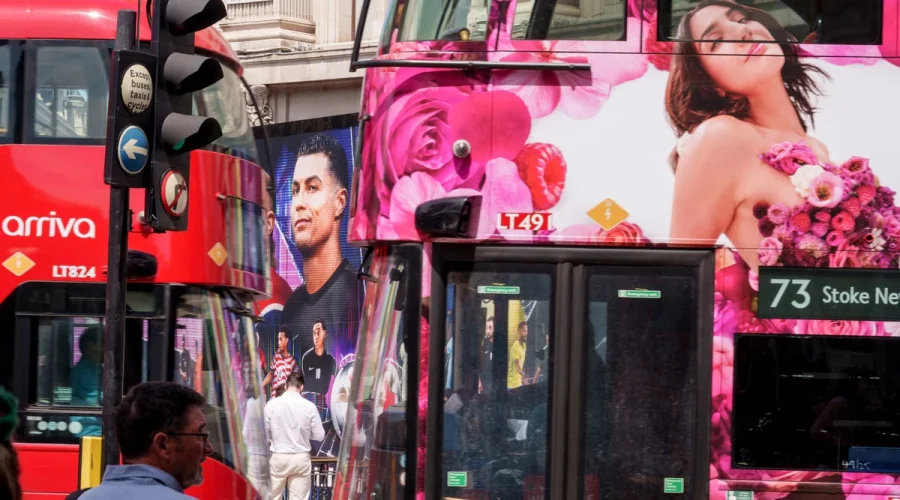
Unite, one of Britain’s largest trade unions, has announced that more than 1,500 Arriva North London bus drivers will participate in the walkouts. The industrial action is scheduled across multiple dates spanning from early September through mid-October, with drivers expressing frustration that their employer has not adequately addressed the heating issue despite repeated warnings.
The Cooling Problem
According to union representatives, the majority of buses operated by Arriva North London are equipped with air cooling systems rather than full air conditioning. These systems typically lower cabin temperatures by only two to three degrees Celsius, which union officials argue is insufficient given the extreme heat conditions experienced across the capital during recent weather patterns.
The inadequate cooling has created uncomfortable and potentially hazardous conditions for both drivers and passengers. Extended periods in hot buses have been linked to various health concerns, including dehydration, heat exhaustion, and general discomfort that can affect the quality of public transport service.
“The heatwave this week has caused even more problems for our members at Arriva North London, who have once again faced doing a demanding job in unbearable conditions.”
“No worker should be made ill by their job.”
“This problem is raised year after year and as the summers get hotter it can no longer be swept under the carpet.”
“Arriva can afford to act on this serious issue, which puts both drivers and the general public at risk, and it must make this a priority.”
Sharon Graham, the general secretary of Unite, emphasized that this is not a new concern but rather an issue that has been repeatedly raised over multiple years. She noted that with summers becoming progressively hotter, the problem can no longer be ignored or delayed indefinitely.
Strike Schedule and Route Impacts
The industrial action will affect approximately 42 bus routes across North London, potentially impacting thousands of daily commuters. The confirmed strike dates include both weekday and weekend periods, ensuring maximum disruption to regular travel patterns.
The first wave of action begins on Friday, September 4, and continues through Saturday, September 5. This is followed by a mid-week strike on Monday, September 7, and Tuesday, September 8. The pattern continues with another Friday-to-Saturday action on September 18 and 19, followed by Monday and Tuesday strikes on September 21 and 22.
The final two rounds of industrial action are scheduled for October. Drivers will walk out on Friday, October 16, through Saturday, October 17, with the last confirmed dates being Monday, October 19, and Tuesday, October 20.
Broader Implications for London Transport
These strikes come at a time when London’s public transport network is already facing various challenges, including workforce shortages and infrastructure maintenance needs. The additional disruption from bus strikes could have ripple effects throughout the city’s transportation system, potentially increasing pressure on the Underground and Overground services as commuters seek alternative routes.
For Arriva, which operates one of the largest bus fleets in the United Kingdom, the strikes represent both an immediate operational challenge and a longer-term question about investment in fleet modernization. The company faces pressure to demonstrate that it can accommodate driver concerns while maintaining service levels for passengers.
Local businesses and residents in North London areas served by the affected routes may experience reduced accessibility during the strike periods. Many commuters rely on these specific bus connections for daily travel to work, education, and other essential activities, making the timing of the strikes particularly significant for those directly impacted.
Union officials have indicated that the strikes are intended to pressure Arriva into taking concrete action on the cooling issue rather than simply acknowledging the problem. With multiple rounds of action planned, drivers are signaling their willingness to continue industrial action until meaningful improvements are implemented across the fleet.
Related Reading
Frequently Asked Questions
What is When are the London bus strikes?
When are the London bus strikes is the main topic of this guide. The article explains the context, practical details, and next steps readers should understand.
Why does When are the London bus strikes matter?
When are the London bus strikes matters because readers are looking for a useful answer, not just a short summary. Good content should match search intent and help them decide what to do next.