Hezbollah is dragging Lebanon into the war on Iran, but the militia is a shadow of the force it once was
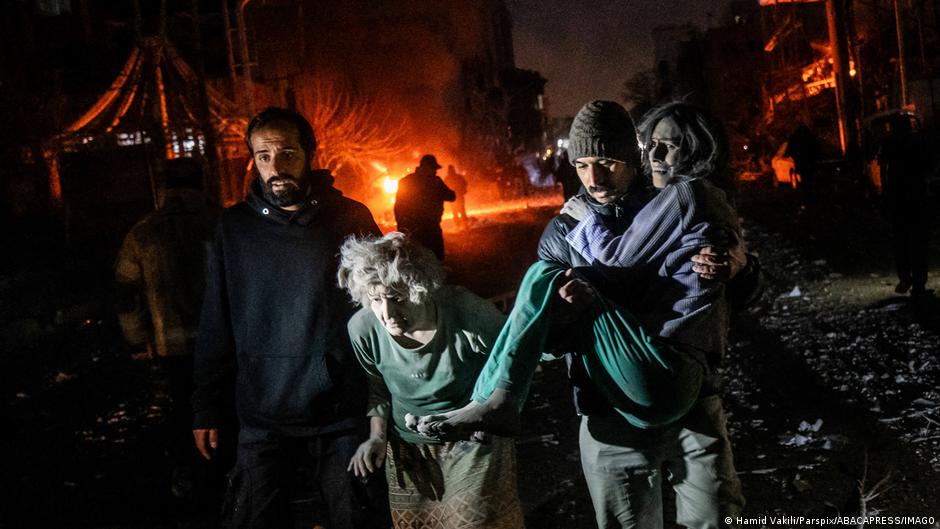
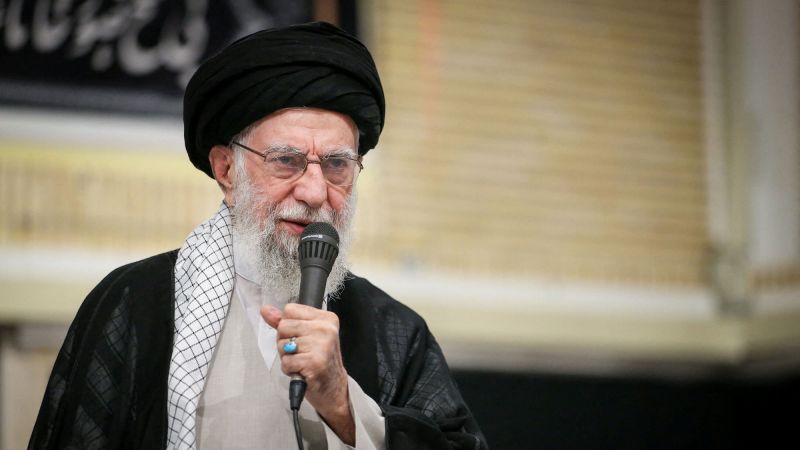
Lebanon now stands on the edge of full involvement in the intensifying US and Israeli conflict with Iran, a situation the government has sought to prevent. Israel’s recent expansion into southern Lebanese territory, marked by increased violence such as air strikes, has intensified pressure on the country. This escalation follows Hezbollah’s decision to retaliate for the assassination of Iranian Supreme Leader Ayatollah Ali Khamenei.
On Monday, the Lebanese militia launched its first cross-border strike since late 2024, targeting an Israeli military base near Haifa with missiles and a drone swarm. The attack aimed to showcase Hezbollah’s enduring ability to act as a proxy for Tehran, despite its diminished strength. Subsequent drone assaults were framed by the group as a response to Israeli aggression that had damaged dozens of Lebanese cities and towns, focusing on radar sites and control rooms in northern Israel.
“We will not allow the country to be dragged into new adventures, and we will take all necessary measures to stop those responsible and protect the Lebanese people,” said Nawaf Salam, Lebanon’s prime minister, in a Monday post on X.
Hezbollah, once a formidable force with a vast arsenal and a key role in deterring direct Israeli action against Iran, now struggles to maintain its former influence. Years of relentless Israeli assaults have led to the deaths of its top leaders, the loss of southern strongholds, and the depletion of its missile stockpiles. Internal political pressure has also mounted, with the government formally banning Hezbollah’s military operations in an effort to avoid further Israeli retaliation.
Israel, meanwhile, has mobilized tens of thousands of reservists near the Lebanese border, raising questions about a potential large-scale invasion. The IDF maintains that its presence is limited to the immediate border area, focused on defensive operations to shield Israeli civilians and secure strategic locations. “This is not a maneuver or a large-scale operation – it is a tactical measure to ensure security and prevent infiltration attempts,” stated Lt. Col. Nadav Shoshani during a Tuesday press briefing.
The militia’s current state of weakness has left Iran more exposed. With its key Lebanese proxy struggling, a major deterrent against Israeli attacks has been reduced. Israel now targets Hezbollah not because of its strength, but due to its vulnerable position, signaling a shift in the balance of power in the region.