Table of Contents
ToggleMaryam’s Morning Routine and the Spark of Protests
Maryam concluded her morning errands in Tehran on Thursday, January 8 before returning home to change clothes and meet friends for coffee. By evening, she had joined the throngs of people demonstrating against the country’s deteriorating economic situation. The events that unfolded over the following two days could mark a turning point in Iran’s history. Protesters anticipated violence, but what occurred that night exceeded their expectations. It was the twelfth day of nationwide unrest, yet the mood at the demonstrations initially remained positive and resolute.
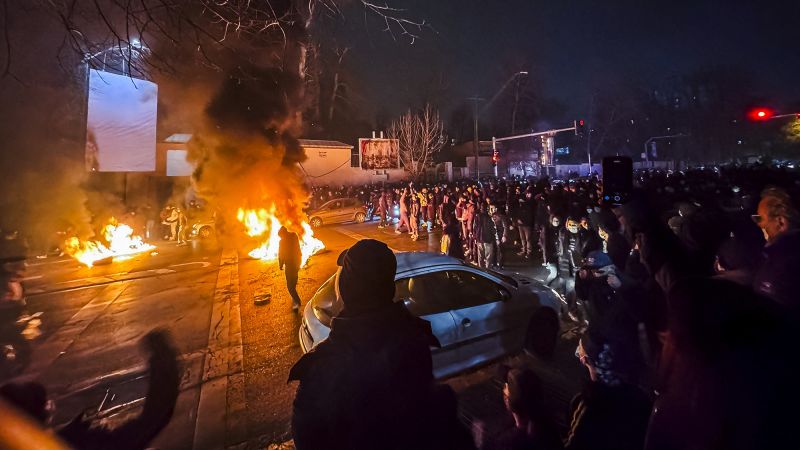
“Thursday night was beautiful,” Maryam recalled, as friends and families filled the streets on what is a weekend day in Iran, demanding better living conditions and the end of a repressive regime. “It felt dystopian and eerily strange,” said the 30-year-old artist. “Life was normal in the morning, but at night everyone was out for the protests.”
The Role of Reza Pahlavi and the Internet Blackout
On Shariati Street, a major north-south thoroughfare in the Iranian capital, 33-year-old Hasan made his way to a roundabout where friends had gathered for the protests. “There was a feeling that we are going to make a difference, that perhaps a revolution was actually going to happen,” he said. However, the violence that followed swiftly crushed that hope. It was the night that Reza Pahlavi, the US-based son of Iran’s deposed monarch, called on Iranians to take to the streets at 8 p.m. Many protesters chanted in his favor.
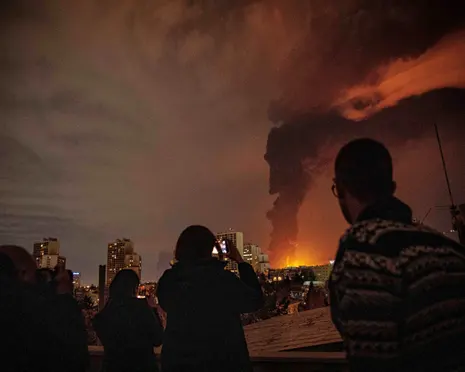
As demonstrations erupted in over 100 cities across the country after nightfall, Iran went dark. At 8 p.m., authorities shut down internet access and blocked international phone calls, implementing an unprecedented communications blackout affecting the nation’s 92 million people. In the absence of light, security forces intensified their crackdown. What happened over the next 48 hours has since been identified as the deadliest attack by the Iranian state on its citizens since the establishment of the Islamic Republic nearly 47 years ago.
The Aftermath and Human Toll
With the blackout gradually lifted, CNN has reconstructed the events of that weekend through firsthand accounts from protesters who have since fled the country and via videos shared by activist groups. Witnesses, human rights activists, and medical professionals informed CNN that security forces unleashed widespread violence during the Iranian weekend of January 8 and 9, transforming streets into a warzone. The regime later acknowledged the staggering death toll.
In the wake of the violence, hospitals faced overwhelming demands to treat the injured. Women were heard mourning in cemeteries inundated with the deceased, and morgues were filled with bags containing unidentified bodies. Other footage depicts blood-soaked streets, protesters motionless with apparent gunshot wounds, green laser dazzlers used to disorient crowds, and the sound of sem.