How the EU protects citizens and the economy in times of war and crisis
Amid intensifying tensions between Israel, the US, and Iran, the European Union has activated emergency protocols to safeguard its people and economic stability. The conflict’s global reach has prompted swift action, including the deployment of evacuation efforts and oversight of oil stockpiles. By March 6, EU foreign ministers issued a warning that the escalating situation endangered Europeans in the region and could destabilize worldwide markets.
“The conflict poses a direct risk to our citizens and may trigger international economic turmoil,” stated EU officials during a critical meeting.
As part of its preparedness, the EU has initiated crisis contingency measures. Embassies have issued travel advisories, monitored nationals overseas, and launched emergency evacuation operations. In extreme cases, member states can collaborate for disaster response, pooling resources such as aircraft, medical teams, and power generators, all coordinated through Brussels.
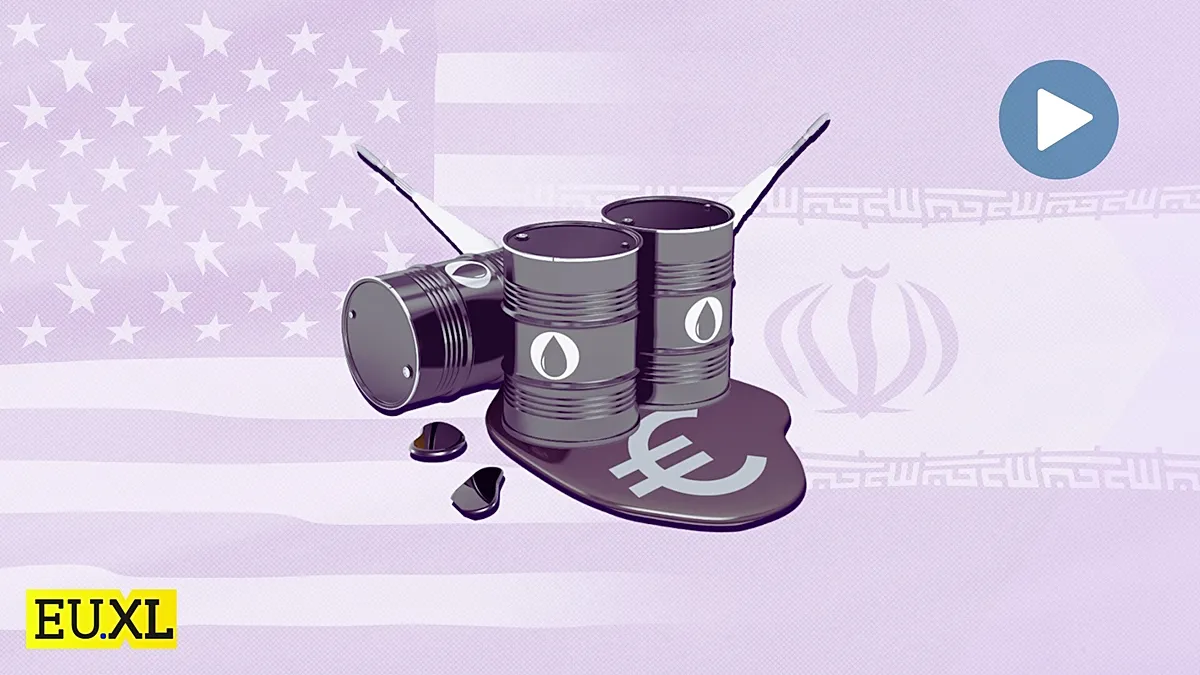
Meanwhile, the EU is addressing energy concerns stemming from disruptions in the Strait of Hormuz, a vital oil passage. These interruptions have led to surges in global fuel costs, prompting the union to enhance maritime monitoring to ensure the route remains functional. While individual nations maintain their own emergency oil reserves, the EU also allows for price controls and direct aid to households affected by rising costs.
Despite these steps, several hurdles persist. A lack of centralized control over oil pricing remains a challenge, as member states operate reserves independently. Real-time data sharing on fuel supplies is limited, complicating unified strategies. Yet, the EU’s ability to mitigate fallout from regional conflicts continues to be a key focus, even as it cannot prevent wars from breaking out.