Table of Contents
TogglePolish President Nawrocki Vetoes Law for EU Defence Loans
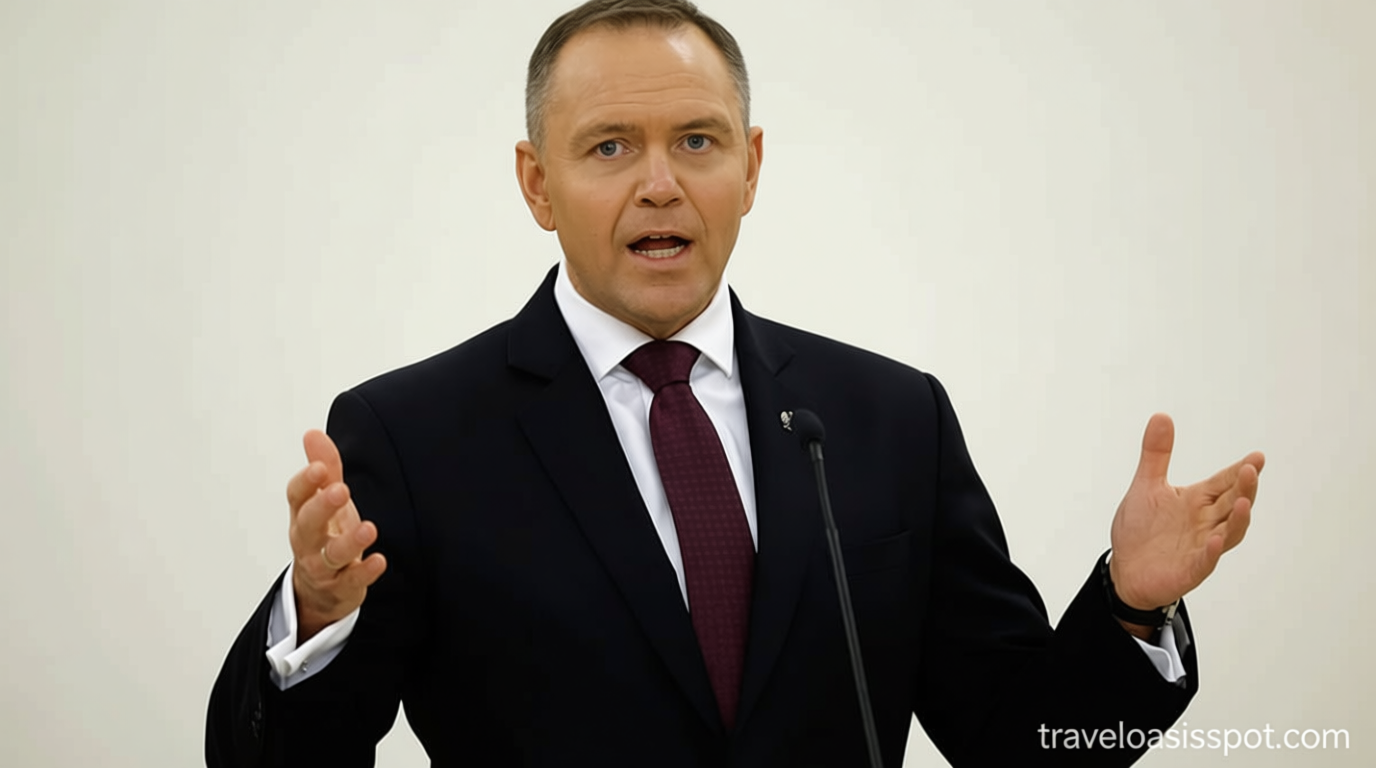
President Karol Nawrocki of Poland has rejected a bill that would have granted the nation access to nearly €44 billion in European Union defence loans. This move has intensified a political disagreement with Prime Minister Donald Tusk’s pro-EU coalition, which advocated for the funding to support the country’s military modernization amid rising security threats. The legislation aimed to enable Warsaw to tap into the EU’s Security Action for Europe (SAFE) program, a €150 billion initiative designed to enhance defence spending and bolster Europe’s arms industry.
Poland was projected to receive approximately €43.7 billion through the SAFE mechanism, positioning it as the largest recipient of the scheme. Tusk’s government argued that the loans would offer advantageous financing to accelerate military upgrades, particularly in light of Russia’s ongoing conflict in Ukraine. Officials highlighted potential uses of the funds, such as reinforcing eastern borders and expanding domestic weapon production.
Nawrocki, backed by the conservative opposition, opposed the bill, citing concerns over increased reliance on Brussels. He suggested using national resources, including profits from central bank reserves, to fund defence projects. The veto sparked immediate backlash from the government. In a social media post, Prime Minister Donald Tusk criticized Nawrocki’s decision, calling it a missed opportunity to secure EU financial backing for defence initiatives.
Government Pushes Back Against Veto
Tusk announced plans to convene a special cabinet meeting to present alternative measures for approving the loan. He previously mentioned the government’s development of a “plan B” to ensure Poland could still benefit from SAFE funds. Foreign Minister Radosław Sikorski added his voice to the criticism, warning that denying access to the EU’s financial tool could hinder Poland’s ability to fortify its military.
“The President lost his chance to act like a patriot,” Tusk stated on X, emphasizing the importance of EU support for national security.
Defence Minister Władysław Kosiniak-Kamysz defended the government’s position, contending that EU loans would allow Poland to expand military spending without overburdening the national budget. The dispute underscores the tension between Poland’s domestic economic strategies and its reliance on EU funding for strategic priorities.