‘Cold as ice’: Serial killer admits to eight murders in case that haunted Long Island for years
A Suffolk County courtroom witnessed the resolution of a long-standing mystery on Wednesday, as Rex Heuermann, a towering 62-year-old man in a black suit and blue tie, faced the judge and confessed to the brutal slayings of eight women. The architect, who was linked to the crimes through DNA evidence tied to a pizza box, stood motionless during his testimony, affirming each question with a simple “Yes” as he recounted the methodical way he strangled and bound his victims before discarding their remains on Long Island’s secluded shores.
Heuermann’s guilty plea marked the end of a decade-long pursuit by investigators who had struggled to connect the murders to a suspect. Families of the victims, many of whom had endured years of uncertainty, gathered in the courtroom, some wiping away tears as they listened to the man who had haunted their lives. “The case became a frequent topic of discussion, with no stigma attached to it,” said Sandra Symon, a high school classmate of Heuermann, reflecting on how the community had speculated about the killer’s identity.
“A lot of people would talk about it – it was not taboo.” Sandra Symon, a high school classmate of Heuermann, told the BBC.
The breakthrough came in 2023, when police arrested Heuermann in a deteriorated house in Massapequa Park, the quiet suburb where he grew up. Investigators had tracked him down using DNA found on a pizza box, which connected him to the gruesome crimes. Initially charged with seven murders, he now admitted to an eighth killing in 1996, adding to the tally of victims whose bodies were discovered in 2010 along Gilgo Beach.
Heuermann’s victims, all believed to have been sex workers at the time of their deaths, were reportedly lured through Craigslist advertisements. In court, he provided minimal new information, reiterating the same modus operandi: luring women with promises of money, murdering them, and dismembering their bodies before leaving them on the beach. When asked about the killing method, he simply replied, “Strangulation,” and affirmed his guilt with a terse “Guilty.”
“There wasn’t a hint of remorse in his expression,” said John Ray, an attorney for the victims’ families. “He was as cold as ice.”
Heuermann’s guilty plea brought closure to the families, though the emotional weight of the verdict lingered. The judge will formally announce his sentence on 17 June, including multiple life terms. His ex-wife, Asa Ellerup, and their daughter observed the proceedings from the back of the room, the latter clutching tissues, while the media and true crime enthusiasts flocked to the house where the killer once lived.
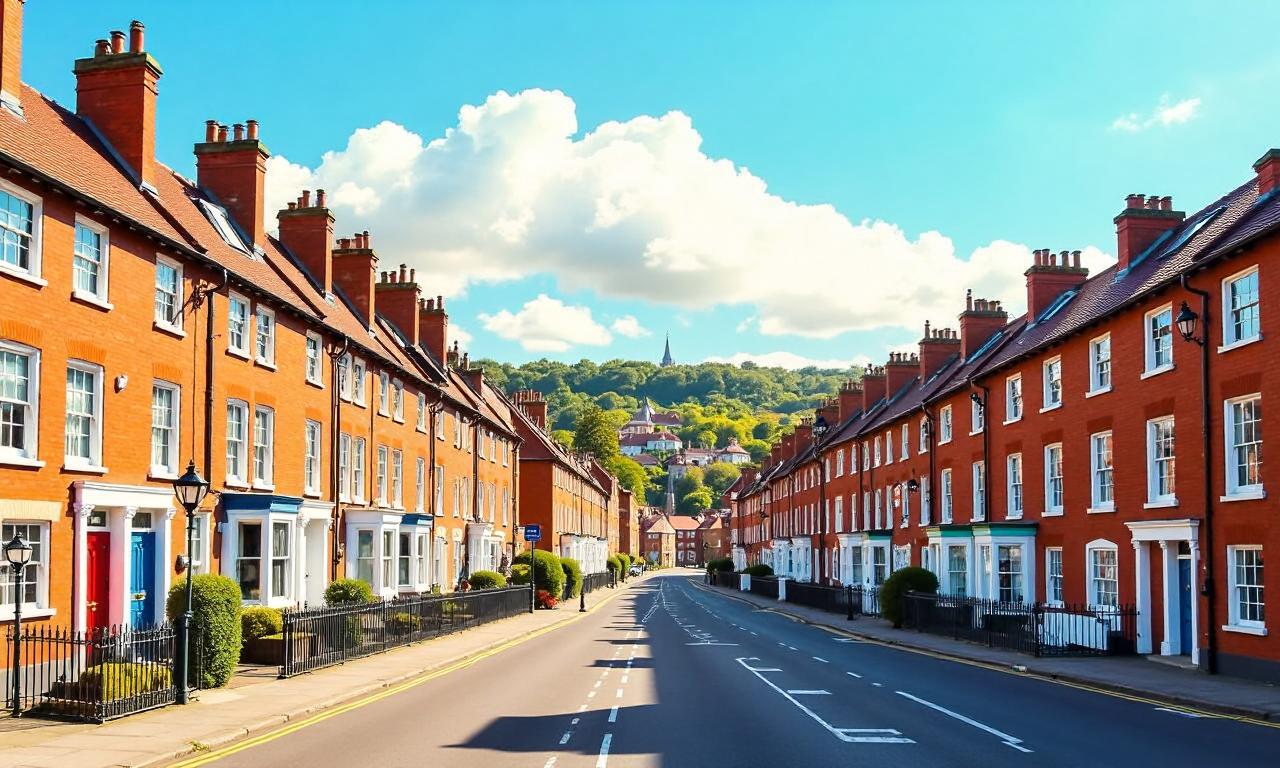
Massapequa Park, a small village with 18,000 residents, is known for its American flags and well-kept homes. But one structure has always drawn attention: a weathered red house with green-lined windows. Joe, a neighbor who moved into the area in 1995, described it as an out-of-place eyesore. “It doesn’t blend in, but what can you do?” he said. “You don’t think much of it.”
Despite the town’s efforts to move on, the case remains etched in memory. “It’s not headlines anymore,” Joe added, noting how quickly society forgets such tragedies. “American society has a short memory for things.” As the community continues its daily routines, the legacy of Heuermann’s crimes lingers, a stark reminder of the darkness that can emerge from among us.