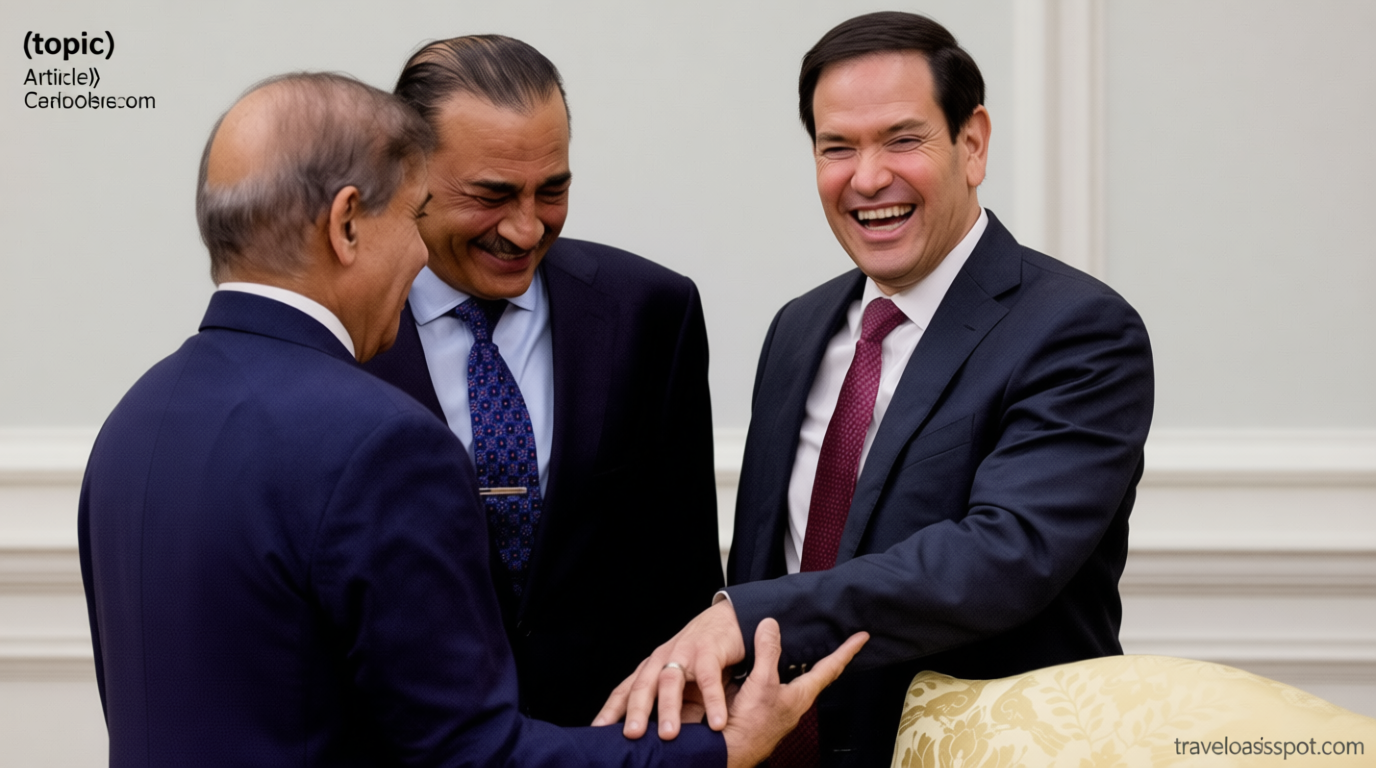
How Pakistan positioned itself at the centre of global crisis management
In the high-stakes environment of Middle Eastern diplomacy, where the boundary between conflict and calm is often blurred by ongoing air strikes and fluctuating energy prices, a surprising actor has emerged. Pakistan, a nation with nuclear capabilities, has long been depicted through the prism of economic instability, political shifts, and security threats along its western border with Afghanistan under Taliban control. Now, it is stepping forward as a possible bridge between the U.S. and Iran.
A recent proposal, appearing with unexpected speed, suggested Islamabad as a neutral ground for direct talks between the Trump administration and Iranian leaders. If this initiative succeeds, it could halt the current tension that has disrupted global energy markets and raised fears of broader regional warfare. It would also redefine Pakistan’s strategic role, shifting it from a state often seen as a security risk to a central figure in international crisis resolution.
“This shift wasn’t sudden; it stems from a series of strategic choices made over the past year, which have reinvigorated Pakistan’s diplomatic influence,” said an anonymous security official in Islamabad.
For Islamabad, fostering dialogue is less about ambitious global goals and more about safeguarding its economic and security interests. The country is working through a delicate economic recovery, bound by strict conditions from the International Monetary Fund. Escalating tensions between Iran and its neighbors have led to oil price surges and heightened energy challenges in Asia, particularly impacting Pakistan’s already fragile economy.
Pakistan’s borders with Iran are a long, rugged 900-kilometre stretch that has historically been a pathway for militant groups, smuggling, and separatist movements. A broader regional war could destabilize these areas, where state control is tenuous. The nation’s internal dynamics also play a key role: with Shias making up 15-20% of its 240 million people, the largest such group outside Iran, Islamabad remains deeply attuned to developments in Tehran.
The assassination of Iranian Supreme Leader Ayatollah Ali Khamenei early in the conflict sparked violent demonstrations in several Pakistani cities, highlighting how quickly Middle Eastern events can affect domestic stability. For Islamabad’s policymakers, the risk of the Iran war spreading or triggering internal sectarian strife is the most pressing concern.
Meanwhile, Pakistan’s ties with Gulf allies, especially Saudi Arabia, are intensifying. A security pact signed with Riyadh last September, built on shared defense principles, has raised questions about Islamabad’s readiness to offer military aid if the conflict worsens. Analysts note that Pakistan’s flexibility in such a situation may be constrained.
“Pakistan, situated at the edge of the conflict, is likely to seek ways to ease tensions rather than become embroiled in them,” wrote Michael Kugelman, a Washington-based analyst, on X.
Despite its efforts to mediate, the western border remains under constant pressure from Islamist attacks originating in Taliban-controlled Afghan regions. A persistent separatist movement in the south continues to challenge stability, underscoring the complexity of Pakistan’s security landscape.