Table of Contents
ToggleI adore her now
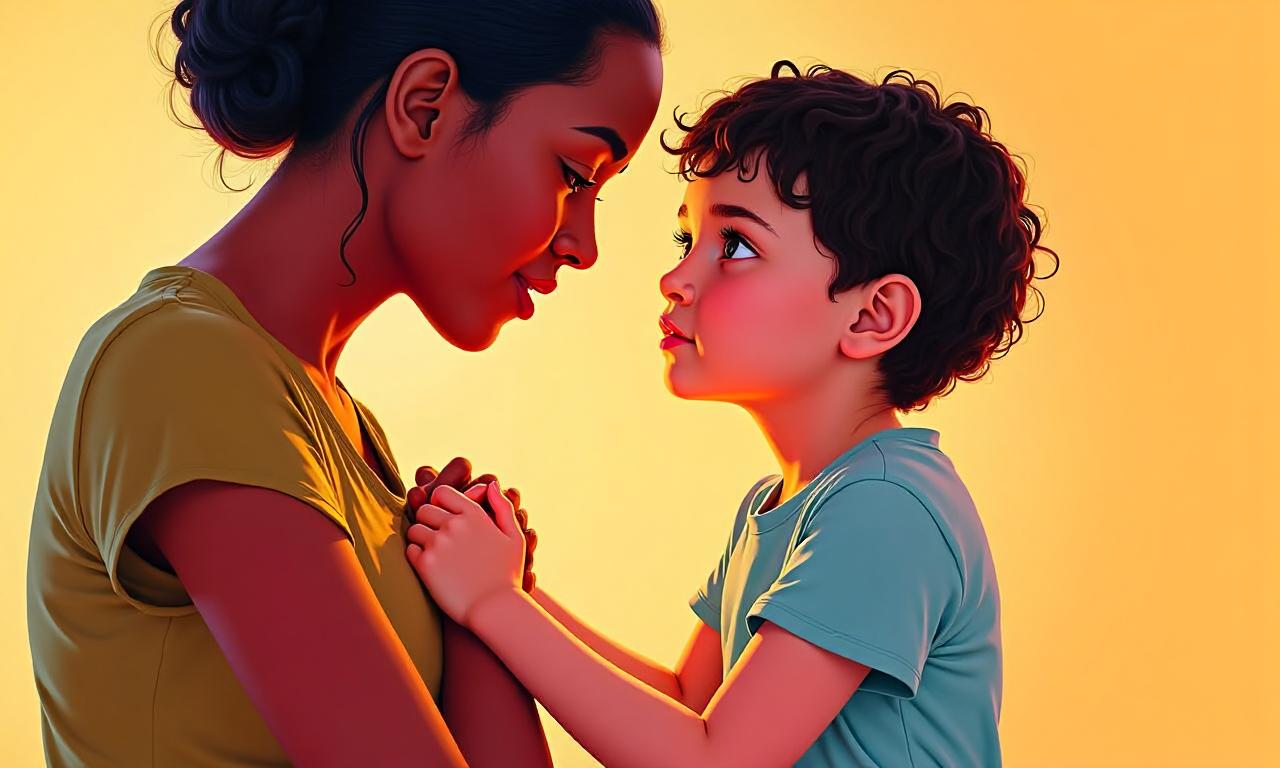
Two years ago, Martha Ongwane stood on the verge of despair, her four-year-old daughter Rachael’s autism consuming her with frustration. Now, as they sit together on the floor of their home in Mzuzu, northern Malawi, the bond between mother and child is undeniable. Rachael’s laughter fills the air, her hands clutching Martha’s face in a warm embrace, while the 33-year-old prepares lunch with nsima, a maize-based porridge. This shift in their relationship is a testament to the transformative power of support.
A Mother’s Struggle
At the time of Rachael’s diagnosis, Martha felt overwhelmed. The girl’s non-verbal communication, biting behavior, and constant movement left her exhausted. She confided in neighbors who blamed her for Rachael’s condition, even suggesting she lock her daughter away. In those darkest moments, Martha imagined poisoning a cup of nsima, believing it would end their struggles. “I told myself it would be better if she died, because that would mean she would rest and our problems would be over,” she recalls, her voice trembling as she looks at her hands. Yet, her heart refused to let her go through with it.
“For a woman to come to a point where she feels like she should kill her child – as a nation we have failed her. Her burden has become so impossible to bear that she does not have the emotional and psychological capacity to cope.”
Turning Point
Access to expert care changed everything. During a visit to Mzuzu Central Hospital, Rachael was connected to Saint John of God, an organization supported by the Catholic Church. It offers community-based mental health services and a school for children with special needs, becoming a lifeline for Martha and her husband. Both received counseling, which helped them build a support network and understand Rachael’s challenges through educators and professionals.
Autism in Malawi
Despite the progress, many families lack such resources. Malawi, with over 22 million people, has just two developmental pediatricians and three consultant psychiatrists. The term “autism” is unfamiliar in Chichewa, the country’s primary language, often translated as “ozelezeka” (mentally challenged) or “ofuntha” (troublesome). These labels contribute to misunderstandings, with some attributing autism to witchcraft. In a recent awareness session, religious leaders from Christian and Muslim backgrounds discussed their beliefs, including the idea that magic could affect pregnant women, causing autism.
Christopher Mhone of Saint John of God notes that while basic mental health services are available at district levels, autism support largely depends on NGOs and charities. “We’ve seen how a mother’s despair can turn into a crisis,” he says, emphasizing the need for broader understanding. The journey from isolation to hope underscores the challenges faced by families in Malawi, where autism remains under-recognized and under-supported.
Global Context
According to the World Health Organization, more than 60 million people worldwide live with autism. The condition, a neurodevelopmental disorder, influences communication, social interaction, and perception. While some individuals exhibit traits like intense focus or creative thinking, many are only identified when their behavior becomes extreme. For Martha, the path to acceptance began with a single referral, proving that change is possible even in a country with limited resources.