Table of Contents
ToggleSpain’s Pork Industry Faces Crisis Amid Swine Fever Spread
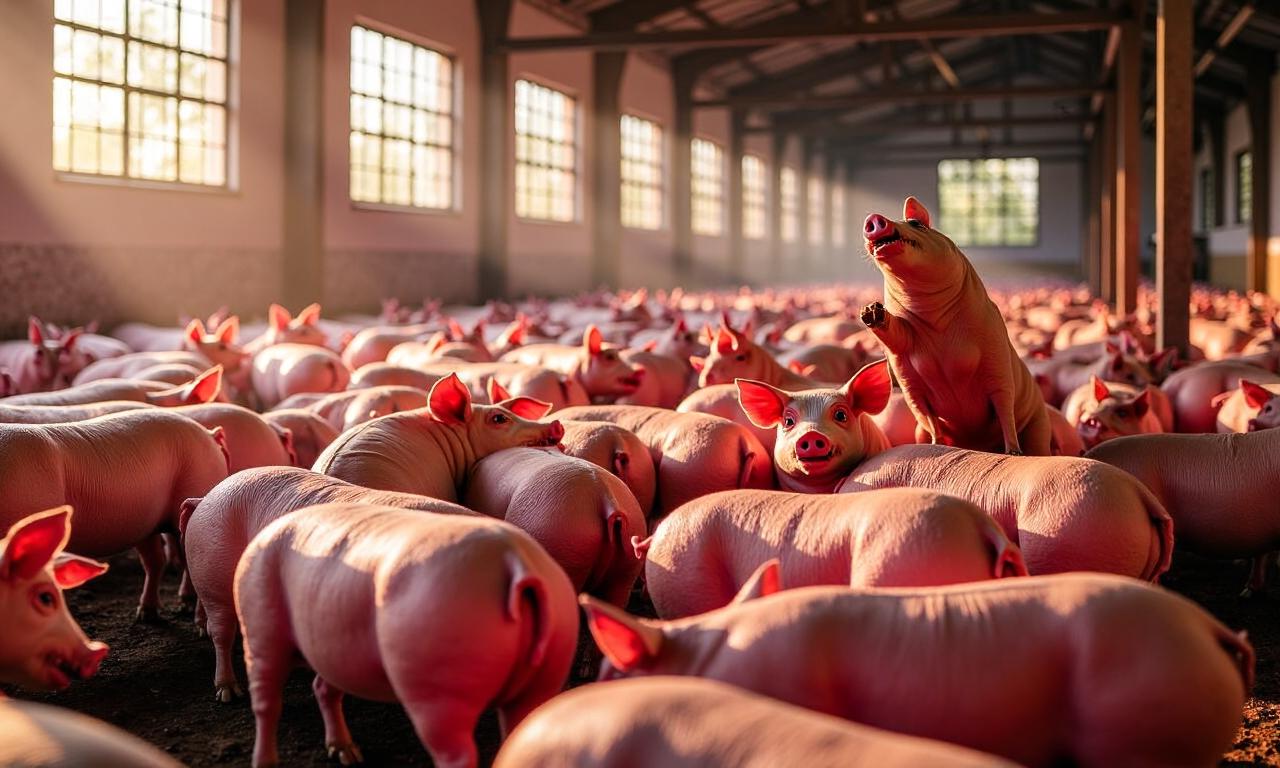
Jordi Saltiveri stands on his family’s farm, where 8,000 pigs are raised, and recalls the moment African Swine Fever (ASF) was confirmed in Spain late last year. “I felt a mix of sadness, frustration, and helplessness,” he says. The news triggered a chain reaction, as nations like Brazil, Japan, and Mexico paused pork imports from the country. For Saltiveri, whose farm has been passed down through generations, the impact is immediate and severe.
Agricultural Challenges in Catalonia
Located in Lleida, a remote area of northeastern Catalonia, Saltiveri’s operation is part of a broader sector grappling with the ASF threat. A Catalan independence flag flutters at the farm’s entrance, while distant pig calls echo through the buildings. Though the virus has not yet reached this region, its presence has disrupted trade, reducing the value of each pig sold by around €30 to €40. “We’re losing significant income,” he explains, highlighting the industry’s vulnerability.
“Being too permissive with wild animals has led to an overpopulation of rabbits, deer, and wild boar,” says Òscar Ordeig, Catalonia’s agriculture minister. He notes the surge in boar numbers, which has caused “a major rise in traffic accidents and disease transmission.”
The crisis originated in Collserola Park, a nature reserve near Barcelona. In late November, an infected wild boar’s carcass was found there, prompting swift action from authorities. The park was closed, and efforts to track more cases began. While the source of the outbreak remains uncertain, initial checks ruled out a leak from a nearby research facility.
Control Measures and Culling Efforts
To curb the spread, local officials have implemented strict measures. A 6km radius around the first cases is designated high-risk, while a 20km zone is considered lower risk. Rural police use net traps, metal boxes, and silent guns to cull boars, with cameras and drones monitoring their movements. All carcasses are tested for ASF, and 232 have tested positive by March. Fences are also being erected to limit boar movement.
Officials emphasize “extreme biosecurity” as a critical tool in defending the industry. “We must deploy every available resource to protect our economy and farming community,” Ordeig states. This includes rigorous disinfection protocols for vehicles and footwear after patrols in affected zones.
Export Losses and Industry Strain
Spain’s pork sector, once the largest in Europe with a €25bn valuation, is now under pressure. Since eradicating ASF three decades ago, the industry has expanded significantly. However, detection of the virus has led to export bans, with countries like Brazil, Japan, and Mexico halting imports. Even within the EU, some nations restrict pork from the northeastern region.
These restrictions have slashed export volumes and driven prices down, affecting farmers directly. In January alone, Catalonia’s pork exports fell 17% compared to the prior year. Unión de Uniones, a farming group, reports over €600m in losses since the crisis began. “The stakes are high,” Ordeig adds, as the industry battles to restore its global standing.