Table of Contents
ToggleSyria walks back Damascus alcohol ban after outcry from residents
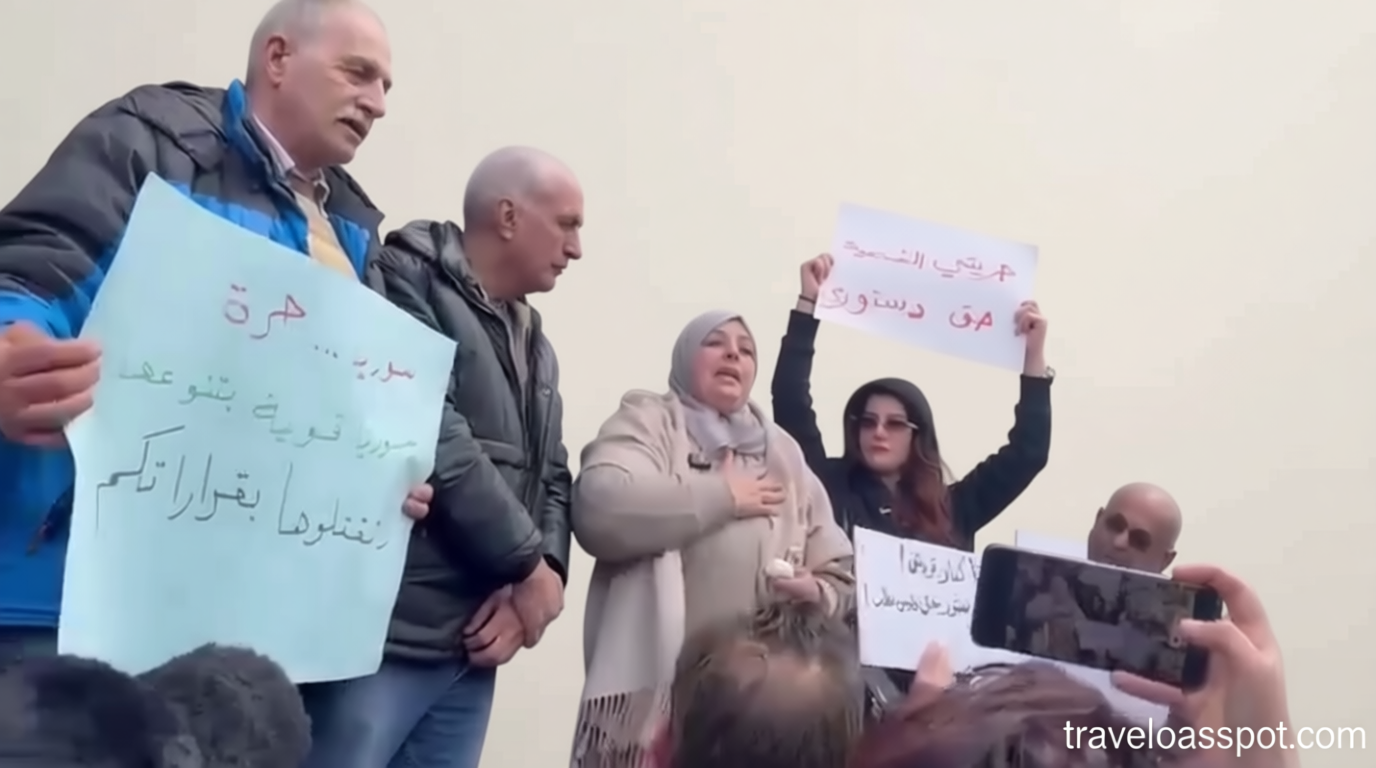
Syrian authorities have reversed a proposed alcohol ban in Damascus following public backlash. The initial decree, issued on Monday, mandated the prohibition of alcoholic beverages in restaurants and nightclubs citywide, with exceptions for Christian neighborhoods. This decision sparked immediate protests, prompting the governorate to issue a clarification that softened the restrictions.
Alcohol Restrictions and Christian Neighbourhoods
The directive referenced “many” complaints from locals, claiming the ban aimed to “eliminate practices contrary to public morals.” However, Sunday’s protests led the government to acknowledge the decision was miscommunicated. A statement apologized to the Christian communities in Bab Touma, Qassaa, and Bab Sharqi, highlighting their cultural significance to Damascus.
“The Damascus Governorate apologises to our people in Bab Touma, Qassaa and Bab Sharqi for the misunderstanding that arose from the decision, which was circulated inappropriately,” the statement said.
The revised policy allows alcohol sales for tourism, including in hotels and designated venues. This adjustment aims to address concerns that the original ban was seen as sectarian, potentially alienating minorities.
Context of the Transitional Government
Since removing Bashar al-Assad in December 2024, the transitional government under President Ahmed al-Sharaa has maintained a relatively relaxed approach to social norms. Yet, recent measures such as a January ban on female public sector employees wearing makeup and mandatory full-body swimsuits on beaches have raised questions about shifting priorities.
Concerns Over Social Policies
While most Syrians are conservative Sunni Muslims who avoid alcohol for religious reasons, secular Sunnis and other minorities view the ban as an encroachment on civil freedoms. The Bab Touma neighborhood protest highlighted broader grievances, with demonstrators—both Muslim and Christian—arguing the policy was “sectarian” and risked community unity.
“Restricting the sale of alcohol to predominantly Christian areas could make these neighborhoods direct targets for terrorist attacks,” a joint letter from Christian groups stated.
The concern stems from historical targeting of Christians in Syria, with critics warning such policies might unintentionally expose specific groups to greater risks.
Elections and Governance Challenges
October’s parliamentary elections underscored the transitional government’s challenges. President al-Sharaa appointed a third of the seats, while the remaining were selected by local committees dominated by state appointees. This process left 32 seats in Sweida province and the Kurdish-held northeast vacant, drawing criticism from pro-democracy advocates.
Under the temporary constitution adopted in March, the parliament will hold legislative power until a permanent one is ratified. The five-year transition has yet to resolve tensions, as popular elections remain elusive in the aftermath of Syria’s 13-year conflict.