Table of Contents
ToggleThe Five Major Challenges in US-Iran Negotiations
Islamabad has become the backdrop for critical U.S.-Iran discussions, with Pakistani authorities projecting confidence in their role as intermediaries. Officials stress that their position of trust between the two nations gives them an edge in facilitating dialogue. Vice President JD Vance, leading the American team, expressed optimism, stating, “If the Iranians are willing to negotiate in good faith, we’re certainly willing to extend the open hand.” However, he also cautioned, “If they’re going to try to play us, then they’re going to find the negotiating team is not that receptive.”
Israel’s Lebanon Campaign
One immediate hurdle is Israel’s ongoing strikes on Hezbollah in Lebanon. The militant group’s continued operations have raised concerns that the conflict could disrupt the talks before they begin. President Masoud Pezeshkian of Iran warned on X, “The continuation of these actions will render negotiations meaningless. Our fingers remain on the trigger. Iran will never abandon its Lebanese sisters and brothers.” Prime Minister Benjamin Netanyahu of Israel has refused to call for a ceasefire, yet evacuation alerts in Beirut’s southern suburbs have not yet spurred decisive action.
“This is not the agreement we have!”
Donald Trump, meanwhile, has suggested Israel’s operations in Lebanon may become “a little more low key,” with U.S. officials planning direct talks between Israel and Lebanon in Washington next week. Whether this shift will ease Iran’s stance remains uncertain.
Strait of Hormuz Control
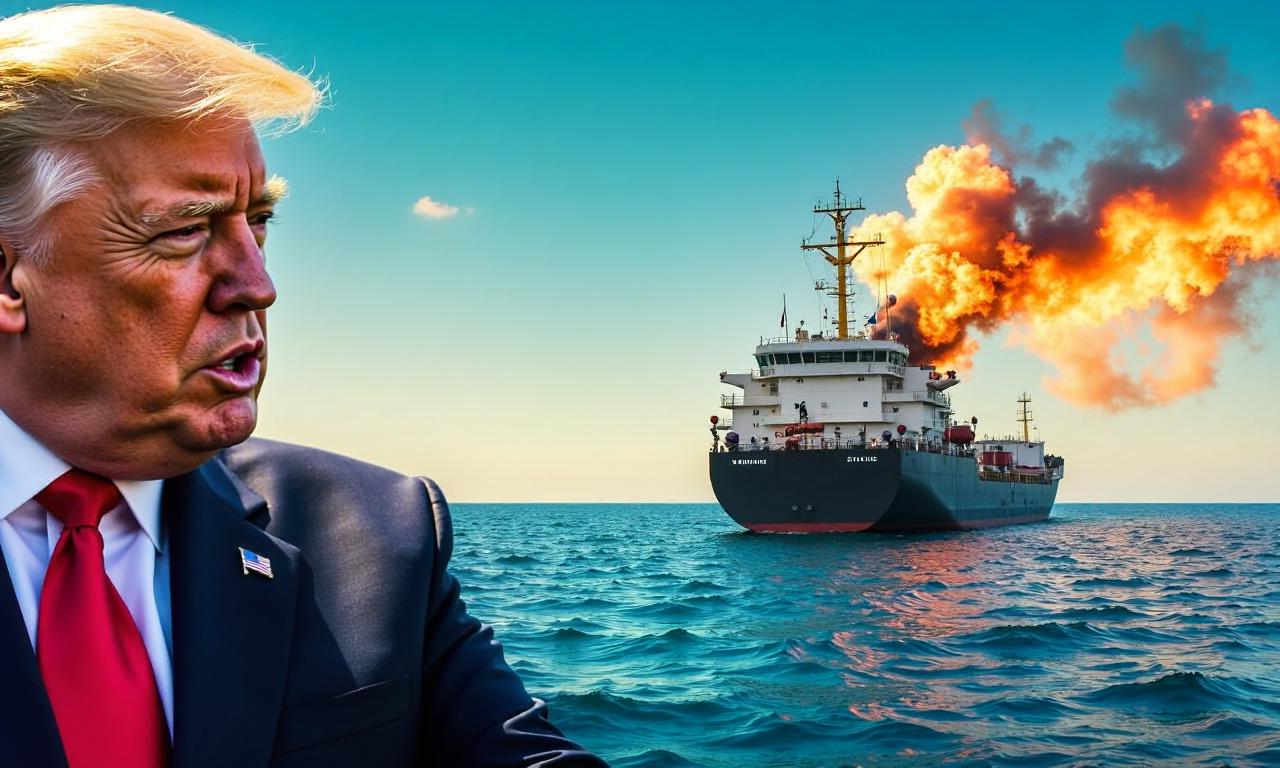
Another contentious issue is the Strait of Hormuz, a crucial oil shipping route. Trump criticized Iran for “doing a very poor job” of allowing ships through, despite initial commitments. The strait, now under Iranian influence, is central to the dispute. Iran has asserted sovereignty over the waterway, introducing new transit rules to restrict passage. On Thursday, it announced northbound routes to avoid “anti-ship mines” in the main traffic zone, a move designed to exploit existing fears among shipping companies.
“This isn’t the deal we’re seeking.”
Reports of $2m tolls paid by vessels that managed to pass through recently have further strained relations. Trump warned Iran to “better not be charging fees to tankers,” underscoring the economic friction around the passage.
Nuclear Ambitions
The nuclear program represents the most enduring disagreement. Trump’s Operation Epic Fury aims to prevent Iran from ever acquiring a nuclear weapon, while Iran insists it has the right to enrich uranium for civilian use under the Nuclear Non-Proliferation Treaty. Iran’s 10-point proposal includes demands for international recognition of its enrichment rights, contrasting with Trump’s 15-point plan, which calls for an end to uranium enrichment on Iranian soil.
International negotiators spent years crafting the 2015 Joint Comprehensive Plan of Action (JCPOA) to address this complex issue. The question now is whether the two sides can agree on a new framework.
Regional Alliances and Proxies
Iran’s influence extends beyond nuclear matters through its network of regional allies. This includes groups like Hezbollah in Lebanon, the Houthis in Yemen, Hamas in Gaza, and militias in Iraq. These ties enable Iran to implement a strategy of “forward defense” against Israel and the U.S. However, since the start of the Gaza war in October 2023, the “Axis of Resistance” has faced relentless attacks, with the former Syrian regime of Bashar al-Assad no longer standing.
Israel refers to this network as the “Axis of Evil,” viewing it as a threat to its security. The ongoing conflict has tested Iran’s alliances, yet its regional clout persists as a key factor in the negotiations.