The Ultimate Guide on How to Plan a Trip: Tips for Stress-Free Travel
Planning a trip can seem overwhelming, especially if you’re new to travel or planning a big adventure. However, with the right approach, you can transform the process into something enjoyable and stress-free. In this guide, we’ll walk you through the essential steps on how to plan a trip that ensures a smooth journey and memorable experiences. From budgeting to packing and everything in between, we’ve got you covered.
Set Clear Travel Goals
Before diving into the details of how to plan a trip, the first step is to define your travel goals. Think about why you’re going on this trip and what you want to achieve. Are you looking to relax, explore new cultures, or have an adventure? Understanding the purpose of your trip will guide every decision that follows.
Start by asking yourself some key questions: What type of experience do I want? How long can I afford to be away? Do I want to visit multiple destinations or focus on one? Once you answer these questions, you’ll have a clearer vision of your trip and can proceed to the next steps.
Budgeting and Financial Planning
A key aspect of how to plan a trip is managing your budget. Travel expenses can add up quickly, so it’s crucial to have a clear idea of how much you’re willing to spend. Create a detailed budget that includes all potential costs: transportation, accommodation, food, activities, and any shopping or souvenirs.
Consider using budgeting apps to track your expenses or create a spreadsheet for easy reference. Don’t forget to allocate a contingency fund for unexpected costs. Also, think about the best time to book flights or accommodations to secure the best deals. Booking in advance often saves money, especially for high-demand destinations.
Research Your Destination
Once you’ve set a budget, it’s time to dive into research. Understanding your destination helps you maximize your trip experience. Start by researching local customs, culture, language, and the must-see attractions. This will give you a sense of what to expect and what to prioritize.
Look up travel guides, blogs, or forums for first-hand experiences. Check the weather for your travel dates, as this can impact your plans. For example, if you’re planning a beach holiday, avoid visiting during monsoon season. Additionally, consider checking for any travel advisories or entry requirements, such as vaccinations or visas.
Create a Detailed Itinerary
A well-organized itinerary is a game-changer when it comes to how to plan a trip. Start by listing the key places you want to visit and the activities you want to experience. Depending on the length of your trip, try not to over-schedule your days. Allow for some free time to relax and explore spontaneously.
Break down your days with approximate times for each activity and include logistical details like transportation options and addresses. Be flexible, as things may change once you’re there, but having a structured plan will help you make the most of your time. Don’t forget to include rest periods to avoid burnout.
Pack Smart and Efficiently
Packing is one of the most stressful parts of any trip, but it doesn’t have to be. When learning how to plan a trip, packing smartly can make all the difference. First, check the weather and pack accordingly. Make a list of essential items like clothes, toiletries, medications, and travel documents.
Think about versatile clothing that you can mix and match, and avoid overpacking by sticking to the essentials. If you’re traveling internationally, ensure your passport is up-to-date and consider making copies of important documents. Pack a day bag with items you’ll need during the flight or transit, such as snacks, entertainment, and a water bottle.
Book Your Accommodations and Transportation
Accommodation and transportation often make up the bulk of travel expenses, so it’s important to plan these details carefully. Start by researching options for hotels, hostels, or vacation rentals that fit your budget and preferences. Read reviews to ensure the accommodation meets your expectations.
When it comes to transportation, consider how you’ll get to your destination (flights, trains, buses, etc.) and how you’ll get around once you’re there (public transport, rental cars, etc.). Booking transportation in advance can save you money and ensure availability, especially during peak seasons.
Stay Safe and Keep Documents Handy
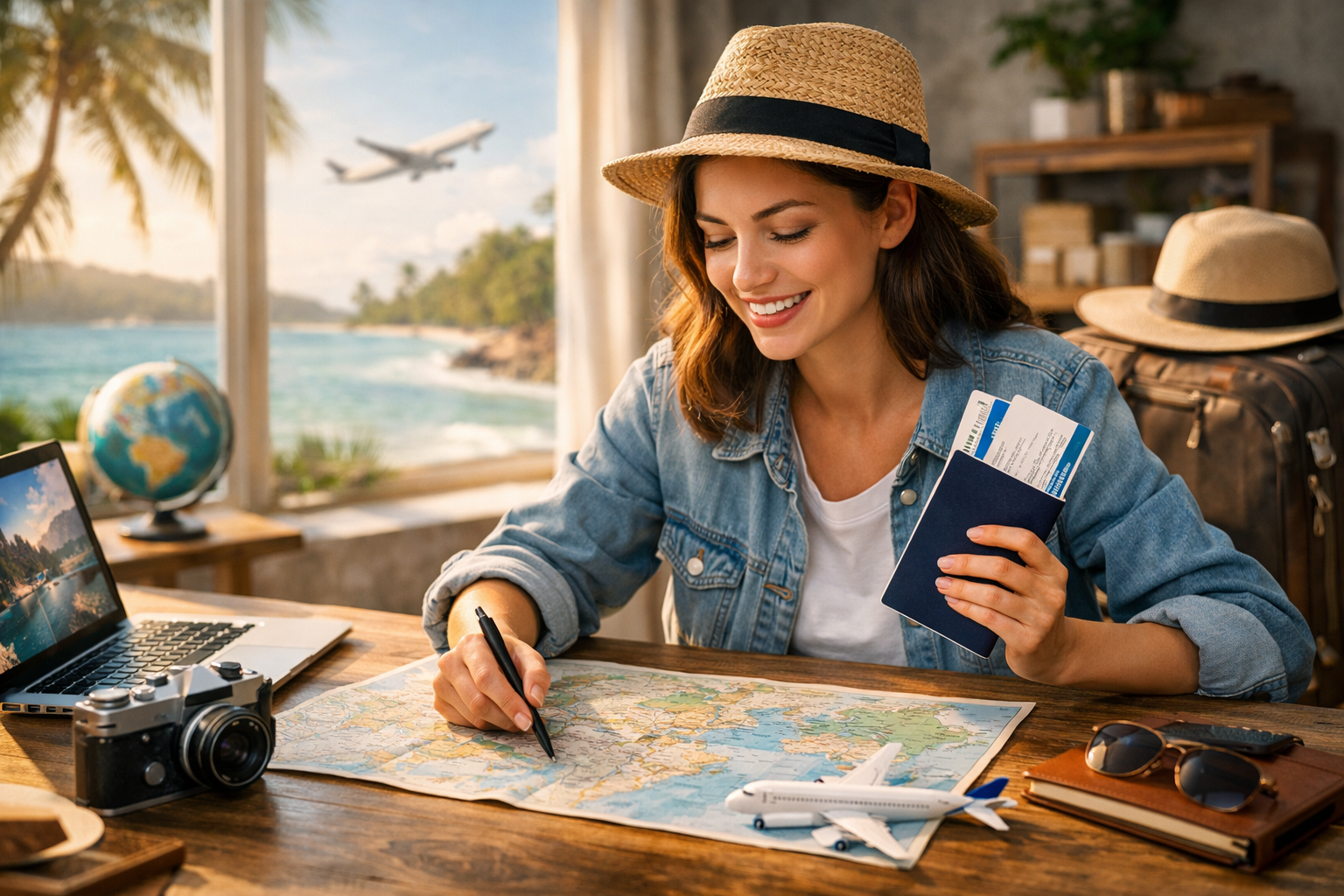
Safety should be a priority when learning how to plan a trip. Make sure you have all necessary travel documents in order, including your passport, visas, flight tickets, and travel insurance. It’s also a good idea to have digital backups of these documents stored securely online in case they get lost or stolen.
Familiarize yourself with the local emergency numbers and healthcare facilities at your destination. If you’re traveling internationally, check if any vaccinations or health precautions are required before you go. Lastly, consider sharing your travel plans with a friend or family member so someone knows your whereabouts.
Conclusion
In summary, how to plan a trip involves a mix of research, budgeting, and organization. By following these steps, you’ll set yourself up for a smooth and enjoyable travel experience. Remember to set clear goals, plan your budget, research your destination, and stay flexible. With the right preparation, your trip will be unforgettable, and the stress of planning will be behind you.
FAQ
Q: How early should I start planning my trip?
A: Ideally, you should start planning your trip at least 3 to 6 months in advance to secure better deals on flights and accommodations.
Q: What should I pack for a trip?
A: Pack based on the destination’s weather, your planned activities, and your personal needs. Essentials include clothing, toiletries, medications, and important documents.
Q: How can I save money while traveling?
A: To save money, consider traveling during off-peak seasons, booking in advance, using public transportation, and dining at local eateries instead of tourist spots.
Q: Do I need travel insurance?
A: Travel insurance is highly recommended as it can cover unexpected events such as trip cancellations, medical emergencies, or lost luggage.
Q: How do I deal with jet lag?
A: To minimize jet lag, try adjusting your sleep schedule a few days before your trip, stay hydrated, and get plenty of rest upon arrival.