Table of Contents
ToggleUK says Russia ran submarine operation over cables and pipelines
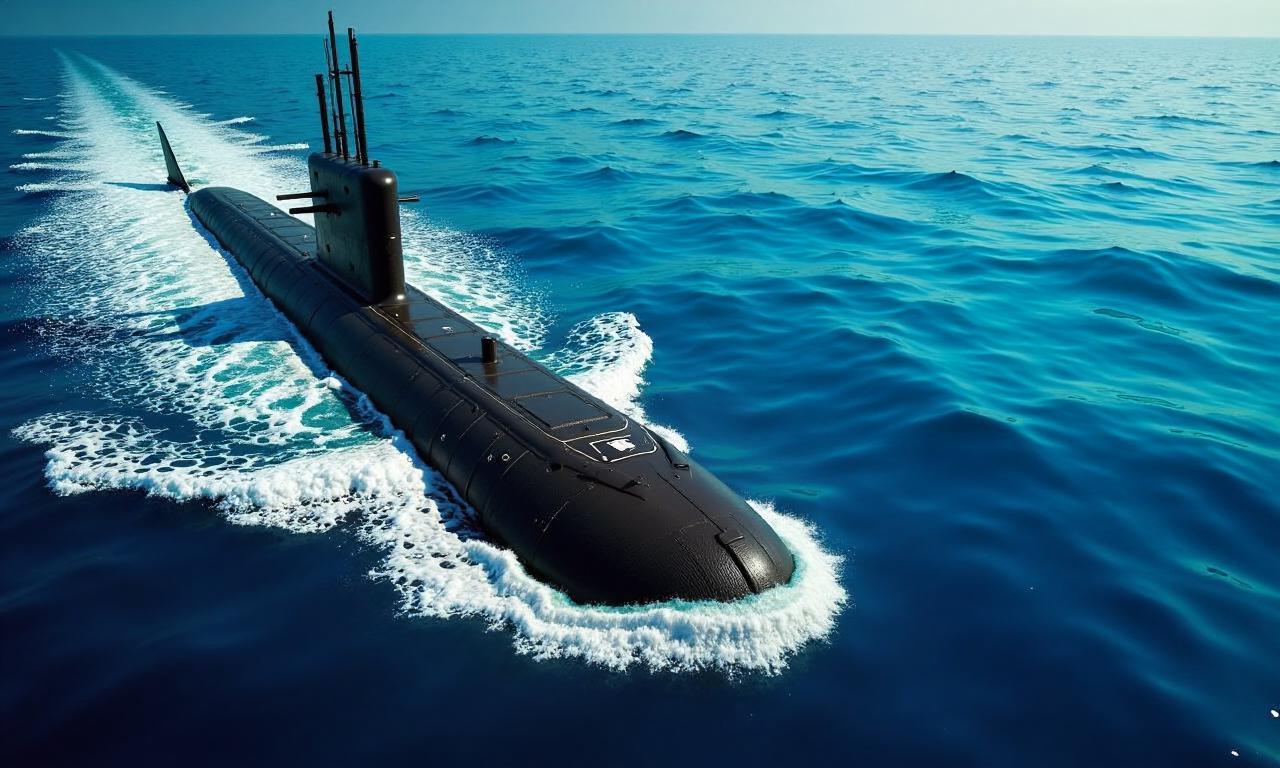
Defence Secretary John Healey disclosed that three Russian submarines carried out a covert mission targeting cables and pipelines in the Atlantic waters north of the UK. He noted the deployment of a British warship and aircraft to counter Moscow’s “malign” activity, with no damage reported to UK infrastructure. “We see you. We see your activity over our cables and our pipelines, and you should know that any attempt to damage them will not be tolerated and will have serious consequences,” Healey stated during a Downing Street press conference on Thursday.
Russian Submarine Tactics and UK Response
According to Healey, Russia employed an Akula-class submarine as a distraction while two Guggi-class vessels performed surveillance on the undersea cables. The first Akula was observed leaving UK waters and returning to Russia, while the Guggi subs stayed. To monitor the operation, the Royal Navy used a Type 23 frigate, the RFA Tidespring, and Merlin helicopters. Other countries, including Norway, also contributed to tracking the Russian activity, though Healey only named Norway explicitly.
“Our armed forces left [Russia] in no doubt that they were being monitored, that their movements were not covert, as President Putin planned, and that their attempted secret operation had been exposed,” Healey said.
UK’s Dependence on Critical Infrastructure
The UK relies heavily on its undersea cables and pipelines for data and energy. Around 60 cables, landing along the East Anglia and South West England coasts, carry nearly 90% of the nation’s internet traffic. Additionally, a network of gas pipelines, mainly in the North Sea, supplies essential energy from the UK and Norwegian Continental Shelves. The Langeled pipeline, spanning 724 miles (1,166km) between Norway and the UK, is a key link in this system, with 77% of the UK’s gas imports sourced via this route.
Hybrid Warfare Context
BBC InDepth revealed in 2025 that Russia was conducting “hybrid warfare” against the UK and Western Europe, aiming to penalize or deter continued military support for Ukraine. This strategy involves anonymous attacks that avoid direct attribution to a state. Healey linked the recent submarine activity to this broader approach, emphasizing that Russia remains the “primary threat” to UK security. Despite this, he expressed confidence in the UK’s ability to detect and neutralize future covert operations threatening national interests.
The Russian embassy previously claimed it was “not interested in British underwater communications,” but Healey’s remarks suggest otherwise, highlighting Moscow’s intent to disrupt critical infrastructure.