Andy Burnham Should Scrap “Short-Sighted” NI Tax Hike – New SNP MP
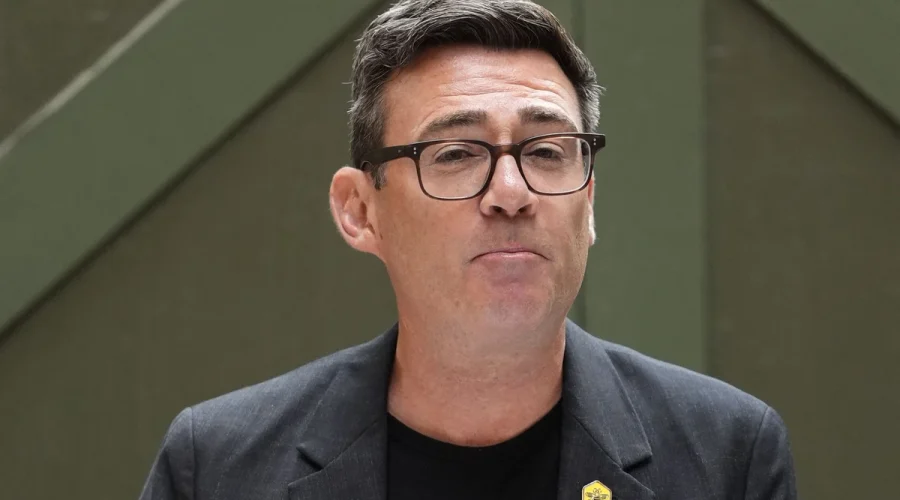
Andy Burnham should scrap short sighted – A newly elected SNP MP has called on Andy Burnham, the Labour Party’s potential prime minister, to abandon a controversial national insurance tax increase, arguing it has worsened the economic climate in Scotland. The claim follows recent data highlighting a surge in unemployment rates, which the MP attributes to the policy shift. Lara Bird, who represents Arbroath and Broughty Ferry, emphasized that the Labour-led changes are detrimental to Scotland’s economic vitality and are undermining growth.
Policy Changes and Their Financial Impact
The national insurance contribution (NIC) rate for employers climbed from 13.8% to 15% in April 2025, while the income level at which businesses start paying the tax was reduced from £9,100 to £5,000. This adjustment has reportedly placed additional financial strain on employers, particularly in the Scottish region where Bird is based. She asserted that these measures are creating an environment where businesses are struggling to maintain operations, leading to job cuts and reduced investment.
“Andy Burnham must urgently reconsider the Labour Party’s national insurance tax hike, which has led to job losses and significant challenges for small and medium-sized enterprises,” Bird stated. “This was an incredibly short-sighted decision, creating a high-cost, toxic environment for businesses across Scotland and the UK, and stifling economic growth.”
Unemployment and Job Market Trends
According to the House of Commons Library, UK unemployment has risen from 1.48 million when the Labour Government took office in July 2024 to 1.76 million as of April 2026. This marks a notable increase, with job vacancies also declining from 867,000 in July 2024 to 707,000 in April 2026. The research further highlights a stark rise in youth unemployment, as the number of young people aged 16–24 without work has grown by 116,000, reaching 735,000 in April 2026.
Bird linked the Labour Government’s policy decisions to this downturn, stating that the tax hike, along with Brexit-related measures, is holding back Scotland’s economic progress. She argued that the cost of living has increased dramatically due to these policies, leaving families and businesses with fewer resources. “Our area is known for its thriving local businesses, which have been a cornerstone of the community and a driver of economic activity. The tax hike has acted as a financial barrier, siphoning billions from Scotland’s economy and preventing it from reaching its full potential,” she added.
Call for Independence and Economic Autonomy
Bird’s remarks come as she advocates for Scotland to gain full control over its economic policies, stating that independence would allow the region to chart a more sustainable course. She claimed that Westminster’s decisions have eroded Scotland’s economic stability, creating a cycle of rising unemployment and reduced investment. “With policies that have drained billions from our economy, it’s clear that Scotland needs independence to build a stronger, more resilient future,” she said.
Employers who pay the median wage of £39,000 are now facing an extra £985 in NICs per employee, compared to the £4,250 they would have paid under the previous thresholds. This increase has been described as a significant burden on businesses, limiting their ability to hire and invest. “The financial impact is undeniable, and it’s causing a ripple effect across industries,” Bird noted.
Broader Implications for the UK Economy
While the focus is on Scotland, Bird’s concerns extend to the entire UK. She argued that the Labour Government’s approach has weakened the national jobs market, exacerbating the unemployment crisis. “The UK now faces a growing challenge as damaging policies have led to record unemployment levels, with young people disproportionately affected,” she said. “This is not just a regional issue—it’s a national one that requires urgent action.”
Her analysis aligns with broader criticism of the Labour Party’s economic strategy, which some argue has failed to address key challenges. The SNP has used this data to highlight the negative consequences of the tax changes, urging Burnham to take a more forward-thinking approach. “If we don’t change course, the economic situation will deteriorate further, harming both employment and the overall health of the economy,” Bird warned.
Political Context and Related Commentary
Bird’s comments are part of a growing debate within the political sphere about the effectiveness of Labour’s economic policies. Earlier this year, the SNP had also criticized the government for its handling of the jobs market, citing similar concerns. Additionally, the Labour Party has faced internal scrutiny, with figures like Lucy Powell suggesting that the leadership’s decision-making process is resistant to reform. “No 10’s boys club briefing culture is unlikely to shift under Burnham’s leadership,” Powell remarked in a recent article.
Other voices have echoed Bird’s concerns. For instance, a think tank associated with Tony Blair has raised alarms about the potential effects of the Labour Party’s capital gains tax hike, warning that it could further stifle economic activity. These perspectives suggest that the Labour Government’s policies are under pressure from multiple fronts, with critics calling for a more balanced approach to taxation and economic management.
Media Coverage and Public Reaction
News outlets have highlighted the growing unrest over the tax changes, with reports showing that the policy has sparked debates in both political and business circles. The media has also drawn attention to the connection between these measures and the broader impact on the UK economy, particularly on younger workers. “Youth unemployment has reached its highest levels in over a decade, with the Labour Government’s policies being a key factor,” one analysis noted.
Meanwhile, the UK Government has yet to respond to Bird’s criticisms, leaving the debate open for further discussion. As the economic landscape continues to shift, the Labour Party faces increasing scrutiny over its ability to manage the challenges of growth and employment. With Burnham at the forefront of the leadership, the pressure is on to address the concerns raised by both domestic and international stakeholders.
As the situation unfolds, the focus remains on whether the Labour Party’s current strategy will succeed in reviving the economy or if it will lead to a prolonged period of economic stagnation. Bird’s stance reflects a growing push for policy reform, particularly from the SNP, which is advocating for a more independent approach to economic governance. The outcome of this debate could shape the future of the UK’s economic trajectory and determine the effectiveness of Labour’s leadership in addressing the nation’s challenges.