Major Overhaul Expected for Public Facilities Under New Single-Sex Spaces Regulations
Traveloasisspot.com – A substantial number of public amenities across the United Kingdom may require significant renovation as updated guidance on single-sex spaces prepares to take effect. According to preliminary estimates, approximately 13,000 toilets and over 5,000 changing-rooms could need updating at gyms, hospitals, and leisure centres throughout Britain. The financial implications are considerable, with millions of pounds potentially required for these improvements.
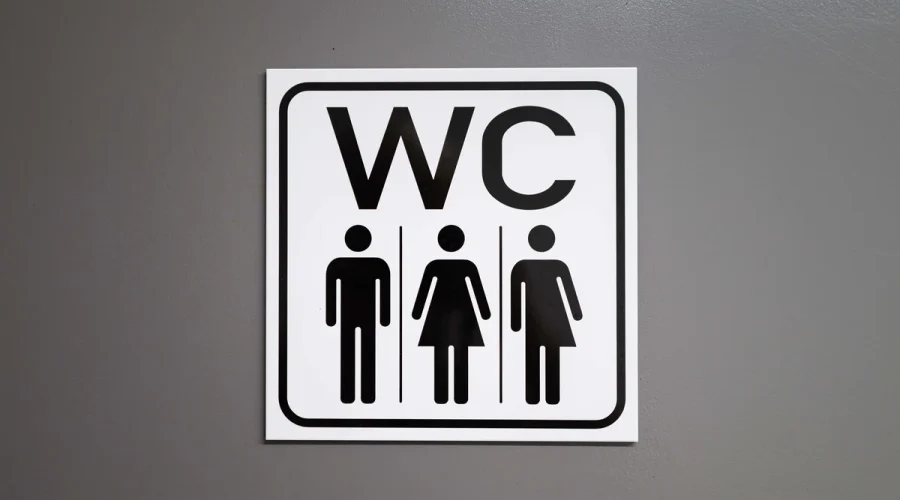
Additional signage represents another major component of the changes. At least 18,000 signs might need replacement or modification, according to figures gathered by the Press Association through a Freedom of Information request to the Equality and Human Rights Commission. These numbers provide a clearer picture of the scale of work ahead for service providers.
Financial Impact Across Sectors
Public-sector organizations, including local councils, are projected to encounter unadjusted cleaning costs amounting to £20.6 million for the newly configured facilities. Building work expenses are estimated at £14.2 million annually, though these figures could increase further as implementation progresses. The total financial burden extends beyond public institutions to encompass private enterprises and voluntary organizations.
The updated code of practice applies to England, Scotland, and Wales. It was originally published in May and represents the first revision in more than twelve years. The Government released the document eight months after receiving it from the EHRC, defending the extended timeline by stating it was “taking the time to get this right” despite facing criticism for the delay.
Legal Framework and Requirements
The regulations confirm that services must be utilized according to biological sex to qualify as single-sex under the Equality Act, following the Supreme Court’s decision in April 2025. Consequently, toilets, changing-rooms, hospital wards, and refuges designated as single-sex must be accessed based on a person’s birth sex rather than their identified gender.
The guidance acknowledges that alternative arrangements could accommodate everyone. Unisex options such as self-contained lockable cubicles might provide suitable facilities for all users. The code specifically notes that it would be “very unlikely to be proportionate to put a trans person in a position where there is no service that they are allowed to use.”
Timeline and Implementation
Thursday concluded the 40-day scrutiny period during which Parliament could have rejected the updated guidance. However, parliamentary procedures indicate that several additional weeks may pass before the code officially becomes operational. Once enacted, numerous organizations will need to modify public amenities to comply with obligations established under the 2010 Equality Act.
The scope of affected entities includes restaurants, leisure centres, hairdressers, council services, and local sports clubs with minimum membership of 25 individuals. A financial impact assessment released alongside the code in May provided a central projection of £703.1 million for total implementation costs over ten years, though detailed expenditure breakdowns were limited at that time.
Detailed Cost Analysis
New data reveals more comprehensive figures regarding potentially impacted facilities. Analysis indicates that 12,895 toilets, 5,526 changing-rooms, and 18,422 signs could require modification. The breakdown shows 10,563 toilets located in privately-run facilities, 1,154 in the public sector, and 1,178 within voluntary organizations.
Changing-room distribution includes 4,527 in private establishments, 494 in public spaces, and 505 in the voluntary sector. Signage numbers show 15,091 in the private category, 1,648 in public sectors, and 1,683 in voluntary organizations.
All projections incorporate adjustments for optimism bias, reflecting the common tendency for planners to select overly favorable budget and timeline estimates. The total spending estimate increased from £547.7 million to £703.1 million following this adjustment. Cleaning costs rose from £230.2 million to £299.2 million after adjustments, while construction expenses increased from £162.3 million to £211.0 million.