Deadline Looms as Charity Targets Regions Where LGBT Veterans Have Yet to Claim Compensation
Traveloasisspot.com – With fewer than three weeks remaining before the government’s compensation window closes on 12 December, a dedicated advocacy group is intensifying its search for roughly 1,000 former service personnel who remain eligible for financial redress but have not yet submitted applications. New regional data compiled by the charity Fighting With Pride highlights specific pockets of Britain where eligible veterans appear to be conspicuously absent from the claims pipeline.
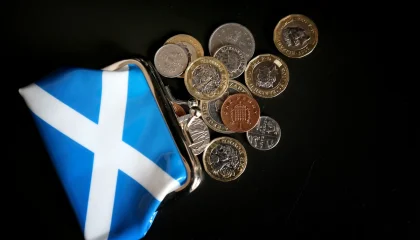
The areas flagged include the North East of England, Yorkshire and the Humber, South West England, and Scotland. In each of these regions, the number of veterans who have come forward has fallen well below what demographic projections would suggest, raising concerns that many affected individuals are unaware of the scheme or are deterred by the emotional difficulty of revisiting decades-old trauma.
The Ban and Its Aftermath
Between 1967 and 2000, members of the British Army, Royal Navy, and Royal Air Force who were gay, lesbian, or bisexual faced a formal prohibition on open service. In practice, this meant compulsory disclosure of sexual orientation, often through invasive questioning, alongside systematic bullying, career stalling, and forced discharge. Many who were pushed out of uniform carried the psychological and professional scars into civilian life for years afterward.
The government’s redress scheme, established to acknowledge this institutional failure, provides a £50,000 discharge payment to qualifying veterans, with an additional impact payment of up to £20,000 available where the ban caused demonstrable ongoing harm. Of the £75 million earmarked for the programme, nearly £20 million remains undistributed — a figure that underscores how many eligible individuals have yet to apply.
“Battle for Lost Veterans” Campaign
Fighting With Pride, the only armed-forces charity in the UK dedicated exclusively to the LGBTQ+ community, launched its “Battle for Lost Veterans” initiative in June. The campaign’s stated aim is to locate and assist every remaining eligible veteran before the application deadline expires.
In the two months since launch, approximately 65 veterans have made contact through the campaign. However, only 19 of those individuals reside in regions identified as having high concentrations of military veterans. The geographic spread of the remaining contacts is telling: eight came from South West England, six from Scotland, four from the North East, and just one from Yorkshire and the Humber. By contrast, the North West and South East of England each produced 11 new claimants over the same period.
The disparity suggests that veterans in the under-represented regions may simply not know the scheme exists, or may feel isolated from the networks that have helped others take the first step toward filing a claim.
Women Veterans Underrepresented
A separate concern has emerged around gender. A judge-led inquiry into the ban found that 61 per cent of women who participated reported experiencing mistreatment under the policy. Yet fewer than half of those who have come forward to date are women — a gap the charity attributes to a combination of invisibility, shame, and the particular difficulty women faced in being believed within a male-dominated institutional culture.
Fighting With Pride has explicitly called on more women veterans to submit applications, emphasising that support structures are available throughout the process.
Leadership and Personal Testimony
Peter Gibson, chief executive of Fighting With Pride, framed the campaign’s urgency in unequivocal terms:
“At Fighting With Pride, we’re determined to find every last veteran who’s owed justice. Nobody should be left behind. As the only LGBTQ+-specific armed forces charity, we will help anyone impacted by the ban to apply for what is rightfully yours, before it’s too late. If you know anyone who served and suffered under this outrageous historic policy, please help us find everyone. We can be contacted via our Fighting With Pride website. We’re determined to restore pride and dignity in service.”
Dawn Loynes, a Royal Navy veteran who was dismissed unlawfully in 1994, has become a visible voice urging other women to overcome their hesitation. Speaking about her own journey back into contact with the military community, she described receiving her beret and having her experiences formally recognised as meaningful steps in her recovery.
“The mistreatment I experienced as a young female sailor had a profound and lasting impact on my life. While nothing can undo what happened, reconnecting with my military family, receiving my beret, and having my experiences recognised have all been important steps in my healing.”
She acknowledged the emotional weight of revisiting old wounds:
“I know that for many people affected by the ban, coming forward can feel daunting. Revisiting painful memories and reliving experiences that many have spent years trying to move beyond can be difficult and deeply emotional. Everyone’s journey is different, but it is important to know that you do not have to face that journey alone, and support is available throughout the process.”
“If sharing my story gives even one person the confidence to take that first step, then speaking publicly will have been worthwhile. Your experiences matter, your service matters, and what happened to you deserves to be recognised. Please do not leave it too late. If you think you may be eligible, I encourage you to explore your options and seek advice soonest.”
Government Position
A Ministry of Defence spokesperson reaffirmed the department’s commitment to the scheme, stating: “We deeply regret the treatment of LGBT serving personnel between 1967 and 2000, which was wholly unacceptable. We are committed to righting these wrongs.”
The deadline of 12 December is fixed. Veterans who believe they served under the ban — whether they were discharged, forced to resign, or subjected to discriminatory treatment while remaining in uniform — are advised to contact Fighting With Pride or their local veterans’ association immediately to assess eligibility and receive guidance through the application process. The charity’s website provides a direct route to specialist advisers who can walk claimants through every stage, from initial enquiry to final submission.
For those in the North East, Yorkshire, South West, or Scotland who have heard nothing about the scheme until now, the coming weeks represent the final window in which compensation can be claimed. After 12 December, the door closes, and the remaining £20 million in undistributed funds will be returned to the Treasury.
Related Reading
Frequently Asked Questions
What is LGBT veterans urged to come forward?
LGBT veterans urged to come forward is the main topic of this guide. The article explains the context, practical details, and next steps readers should understand.
Why does LGBT veterans urged to come forward matter?
LGBT veterans urged to come forward matters because readers are looking for a useful answer, not just a short summary. Good content should match search intent and help them decide what to do next.